

5 Ways to lessen STRESS - Naturally!!
Stress is a condition that many (if not all) people encounter at least once in their life. Whether it’s because of school, work, or relationship, stress can take a toll on your mental, emotional, and even physical health. Although it can be tempting to simply ignore stress and go on with your life like it’s no big deal, there’s more to stress than just an expression of exhaustion. Stress can take a toll on the body in many ways.
5 Ways to Naturally Combat Stress -Naturally
Stress oftentimes cannot be avoided, which is why it’s vital to be able to manage it. Here are a few ways that you can better manage stress.
1 Know Your Stressors
Identify the things that are causing you stress. Keeping a stress journal can help. Once you’ve determined your stressors, see if you can avoid them. For instance, if it’s caused by a person, try to limit the time you spend with him or her.
2. Accept the Things You Can’t Change
In cases where the cause of your stress cannot be avoided, accept that it’s beyond your control. Instead of mulling over the things you can’t change, focus on what you can control — like the way you react to the issue, or deciding to see the opportunities when faced with a problem.
3. Learn How to Say “No”
A lot of people are stressed because of their inability to refuse a person asking for a favor. Remember, your health matters. Unless it’s really necessary, learn to say “no.”
4. Stay Organized
A messy desk, poorly organized schedules, and other disorderly things can be stressful and prevent one from performing at his or her best. Try to organize your work and your environment to ease the strain.
5. Practice Gratitude
Being thankful for what you have can give you a more positive outlook. Make gratitude a habit.
6. Live an Active Lifestyle
Physical activities like working out can help relieve stress. Studies show that physically active individuals have a better mood compared to sedentary individuals.
7. Connect with People
Spending quality time with the people you care for is a great way to manage stress. It releases hormones that counteract the body’s natural “fight or flight” response, and as a result, eases stress.
HOW STRESS AFFECTS YOUR BODY & The differences in Stressors:
Stress is the body’s normal biological response to stimulus. It gives your system a burst of energy that triggers the natural “fight or flight” response, enabling your body to react to situations accordingly. This condition can be classified into two types: good stress and bad stress.
Good Stress -Good stress, also known as short-lived stress or acute stress, may provide benefits that can help you perform better.
Increases Energy-Acute stress results in a few physiological, neurological, and behavioral changes. For instance, it activates the body’s hypothalamic-pituitary-adrenal axis, which releases glucocorticoids — a chemical that promotes energy replenishment and cardiovascular function.
Strengthens the Immune System-In small to moderate doses, stress can also strengthen one’s immune system. Although it has a bad reputation, stress is actually one of the body’s fundamental survival mechanisms. Short-term stress (one that lasts for a few minutes to a few hours) can, in fact, enhance one’s innate and adaptive immune responses.
Increases Stress Immunity-Acute stress may help improve a person’s resilience, enabling him or her to respond to other stressful situations that may come his or her way, better. This was observed during a study on hospitalized burn victims.
Bad Stress-When stress becomes chronic (one that lasts for weeks and even months), like a failing marriage or problems at work, it may develop into a health hazard. Unfortunately, this type of condition is often ignored and thus goes on for a long period — to a point where the person becomes used to it and thinks of it as “normal” — not realizing that it’s slowly damaging his or her health.
When you’re chronically stressed, your body constantly stays alert, and over time, this can lead to a number of physical and mental issues.
Increases High Blood Pressure-Exposure to long-term stress is one of the causes of hypertension. Stressful situations — both physical and mental — cancause blood pressure levels to spike.
Weakens the Immune System-Long-term stress suppresses an individual’s immune responses, inducing chronic inflammation and suppressing the function of immunoprotective cells, as a result. This makes one vulnerable to a number of diseases.
Causes Skin Problems-Notice those breakouts whenever you’re cramming before an exam or when there’s an upcoming project deadline and you’re pressed for time? Stress may cause skin problems like acne. As a matter of fact, a study confirms a significant association between stress and the severity of acne, especially in males.
Leads to Depression-Being constantly exposed to stressful environments and situations can cause problems like anxiety and depression. Studiesconfirm a relationship between stress hormone disturbances and this mental concern. To put it simply, too much stress is bad for your health.
May Cause Drug or Alcohol Abuse-Exposure to long-term stress can make one more prone to using alcohol or drugs. This is primarily because the effects of these substances can be enticing to a person suffering from depression, looking for a reprieve (albeit temporarily) from their problems. Unfortunately, many of these substances, when consumed even just once, can lead to addiction.
STRESSED and need MORE support?
Give us a call to schedule an appointment - 704-543-5540


Why you shouldn't buy your supplements on Amazon or Walmart
Buying Supplements online can be tricky and if you are not buying from a reputable company it is shady!!
Research is showing that supplements bought on Amazon is NOT always the product that is it is claimed to be on the bottle!
Many organizations are buying up empty bottles and filling them with cheap supplements that may 'look alike.' When tested researchers found that 1 out of every 5 bottles sold on Amazon was not what was labeled in the product.
The same can be said for buying from Walmart or at times GNC. Many of what is labeled, especially herbs, is not the actual herb that is labeled on the bottle!
TIP: When it comes to supplements you truly get what you pay for.
If it's a quality supplement it will cost more that what you buy at walmart or a discounted vitamin shop.
This is the reason why buying from a reputable organization that will test their product, making sure it is devoid of heavy metals, pesticides, and chemicals.
SOLUTION:
We now have an online dispensary for MOST of the supplements we carry.
Just click here - register for your account.
And order the supplements needed!!
Use the link below to get a 5% discount - which will come out at the check out.
NOTE:
This dispensary does not carry the following:
Standard Process
Apex Energetics
Biotics
HVS laboratories
Megaspore probiotics
IT DOES carry a MOST other supplements we carry such as:
Designs for Health
Ortho Molecular
Thorne
Vitanica
Wise Woman Herbals
Douglas Labs
Pure Encapsulations
** This list is not exhaustive - and there are plenty of supplement companies NOT listed. :)
** At a site you can trust - unlike Amazon, which you NEVER know what you are buying
Wonder if the supplements you are taking are the right ones??
Schedule today with a Naturopathic Doctor who has a degree in just that answer!! 704-543-5540

3 Reasons for Anxiety and what to do about it
3 Causes of Anxiety & What to do about it!
Anxiety - the world would be a better place without it.
It can cause racing throughts, sweaty hands, insomnia, and high blood pressure.
Here are 3 reasons anxiety runs rampant in our culture:
- Blood sugar imbalances.
Did you know that if your blood sugar is irregular it can cause anxiety to increase?
Say you have a horrible sugar filled breakfast of doughnuts and cinnamon buns, no protein what so ever.
Your body will deal with it - the sugar content in the doughnuts will spike your blood sugar and then after an hour or so your blood sugar will drop drastically.
What goes up, must come down.
When your blood sugar drops this fast - your body will kick in stress hormones to help raise the blood sugar back to normal. In doing this you can begin to feel anxious for no reason.
Now many of you reading this probably do not eat dougnuts for breakfast - BUT if you are only eating yogurt or a fruit for breakfast with no protein from amino acids, then you will still have the scenario happening in your body.
The blood sugar spike may not be as high or drastic BUT it's still occuring.
WHAT TO DO?
Be sure you are consuming protein - whether it protein shake with at least 20g of protein in it, turkey bacon strips, turkey sausage, or eggs. Be sure you are having at the minimum 20-30g of protein at least with each meal.
When you eat enough protein it helps to stabilize your blood sugar levels bringing not only more energy and more clairity of thought, but less anxiety!
Did you know that when your blood sugars are irregular during the day - it can cause sleep issues at night time. So stop eating high sugar foods and get your protein on, as well as the glorious high fiber veggies and fruits.
2. Hormonal Imbalances
Yes - when your hormones are not balanced it plays a HUGE role in how your moods are!
Everything, everything, everything is connected when it comes to the human body.
IF you have an unwanted symptom of any sort, it is a SIGN that your body is not getting what it needs and that something is imbalanced or deficient.
For many women, the shift of hormones during ovulation or before your cycle starts can bring on anxiety as well as depression. So it is very important to get your hormones balanced.
Did you know that when your hormones are imbalanced, the root cause of many hormonal imbalances is ... blood sugar issues!
So cleaning up your diet, eating whole food GOD made foods, not man-made foods - is the KEY!
Did you know that when your hormones are shifting and if there is any deficiency in those hormones - like estrogen or progesterone - it CAN literally change the shape of your brain!
MRI's of women during different cycles and hormonal shifts and imbalances show how certain areas of the brain SHRINK. So there IS a reason for moodiness, depression, and episodes of craziness during hormonal shifts.
3. Genetics play a role!
Picture a bath tub filled with stress hormones.
This bath tub has no genetic mutations and so when it gets filled with stress hormones - it will eventually drain these stress hormones out so they go away and the tub can be peaceful again.
Now picture a tub with genetic mutations - it gets stressed, fills with stress hormones, and due to the genetic mutations - it is unable to drain these mutations away as quickly. So these stress, anxiety causing hormones stick around - producing an anxiety that just does not go away.
This mutation is called the COMT mutation it stands for Catecholamine - methly - transferase mutation. Catecholamines are a fancy term for the stress hormones norepiephrine & epinephrine.
If you have this it means you can have a tendency for anxiety and a hUGE need for magnesium. This mutation can also keep you from metabolizing certain estrogens, which can cause certain cancers as well.
WHAT TO DO?
Be sure you are increasing your intake of magnesium and B vitamins. AND of course cleaning up your diet, avoid foods that come from a box or a bag.
Eat what nature provides - and only foods found in nature - not manufactured in a laboratory or bakery.
Still having issues withe anxiety?
Schedule today and our Naturopathic doctors can find where you are imbalanced with lab work and put together a customized plan to help you improve your health from the inside out!
704-543-5540
Why Birth Control is NOT the answer to your Hormonal Issues... PMS, Irregular Cycles, etc
Why Birth Control is NOT the answer - reasons why...
It's almost a pet peeve of mine.
SO many times Birth Control is prescribed for hormonal issues.
The thing is - birth control just makes the underlying issue WORSE!
Birth control - essentially puts a woman into hormonal menopause. Shutting down the hormonal factory inside of a woman, and giving that individual synthetic hormones.
YES - it does work for those having hormonal issues. BUT it does not help LONG TERM. E Specially for those that have been on it for more than 5 years.
It can be extremely difficult to become pregnant after being on the pill for years. I've seen it first hand over and over again.
If you don't address the underlying issue that is causing the PMS, acne, and irregular periods - the underlying issue is just going to continue to worsen.
Underlying issues can range from poor eating habits, vitamin deficiencies, food allergies, and stress to name a few.
Many times women who are ready to clean up their diet and take a few supplements see grand success and their periods become a BREEZE.
So if you know of anyone that is struggling with hormonal issues and would like something other than a drug for it.
Call today for a free 15 minute phone consultation 704-543-5540
Schedule an appointment now, click here

The Solution to Brain Fog, Joint Pain, Headaches, & Weight gain... this is the underlying CAUSE!
Ever feel more swollen than normal?
Joint pains?
Brain fog?
Headaches?
Inability to lose weight?
It ALL stems from that underlying inflammation that brings havoc to your body.
Where does it come from?
Inflammation can come from a variety of sources:
* Your diet
*Chronic "stealthy" infections that you may not know about
*Unresolved negative emotions
It could be one, or all three that cause these things that can become worse over time.
IF inflammation is not taken care of - it is the seed that grows disease.
And disease eventually causes poor quality of life.
Wondering if you have inflammation??
It can be determined by blood and urine tests. These tests will determine where the source of the inflammation is stemming from and what to do about it.
Then what?
Then I would recommend an anti-inflammatory program that helps to not only lower inflammation, correct blood markers, but also helps to shed toxic weight as well.
It's called 'Shape Reclaimed' - click here to learn more...
Do you know something suffering from inflammation?
We'd love to help!
Call today for a free 15 minute phone consultation to learn more how we can help.
704-543-5540

Is there gluten in gluten free foods?
While gluten-free dining options have been steadily increasing, new research has elucidated that there may still be gluten in your “gluten-free” foods. While packaged foods labeled as gluten-free must contain less than 20 parts per million of gluten, there is no similar standard for gluten-free restaurant foods.
A study, published in The American Journal of Gastroenterology in March 2019, reported that a significant amount of restaurant foods classified as gluten-free contain detectable amounts of gluten. The study had participants use a portable device called a Nima Gluten Sensor to test their food. 804 users conducted 5,624 tests in an 18-month period.
The results revealed that gluten was detected in 32% of the foods that were designated gluten-free. Interestingly, the researchers found that gluten detection differed by meal and type of food with the most gluten detection occurring at dinner and more than 50% of pizza and pasta samples testing positive for gluten. Additionally, when stratified by region, researchers found that gluten contamination was less likely to occur in the West than in the Northeast regions of the United States.
These results support the fact that there is gluten contamination in restaurant foods. It should be noted that the Nima device is very sensitive and can detect gluten at 5-10 parts per million, which has unknown clinical significance for those with celiac disease. Nevertheless, this study highlights the prevalence of gluten contamination in restaurants and brings to light the importance of finding gluten-free menus you can trust. The study concluded that their “findings of higher rates of gluten detection in pizza and pasta provide practical data when providing dining strategies for patients with celiac disease”.
Having digestive issues? Need some support? Call today 704-543-5540

4 Reasons you are SO tired....
By Dr. Michelle Dillon
DO you feel like a sloth? Moving slow, feeling slow, no energy?
Do you want to live and work out of your bed, dozing when you are able?
Do you feel like you are walking through mud?
Lack of energy affects EVERY part of your life. It can make you more irritable with your co workers and family members.
It affects your productivity at work, home, and in anything you put your hand to do.
Here are 4 reasons why you maybe tired and what to do about it:
- THYROID IMBALANCES
There is a thyroid receptor in EVERY cell in your body!! So if you have any thyroid insufficiency it WILL affect your health in many ways!
Don't take the comment from your PCP that "Your thyroid is normal, " when all that was checked was ONE marker called the TSH.
In my opinion, it really does not get a whole picture of what can be happening with your thyroid.
Did you know that TSH is a pituitary hormone that regulates the thyroid. It does not check the thyroid hormones themselves.
Usually running TSH, Free T3, Total T3, Free T4, Total T4, Reverse T3 - and then a few markers checking antibodies to the thyroid gives a better picture of what is occurring than just TSH.
2. ANEMIA
There are many many forms of anemia, but if you are anemic it is essentially starving your body parts of oxygen. So you will never improve your energy if you have anemia and it is not addressed properly.
KNOW that most doctors are not able to run IRON with your routine blood work. And if you are not running TOTAL IRON serum then you will not know if you have Iron deficiency anemia.
Which can be pretty common if you are one with heavy periods, vegetarian, and or chronically ill.
Those that have a man in your life, running IRON is also very important as TOO much iron can cause death (hemachromatosis) is what too much iron in the blood is called and it can be a genetic trait that some people do no know runs in their family. So super important to always run iron when it comes to blood work.
Those that have super heavy periods NEED to be assessed for anemias - if this is NOT corrected, your energy will not improve very much because the root issue is not being addressed.
3. B12 DEFICIENCY
- DEHYDRATION
- LACK OF PROTEIN
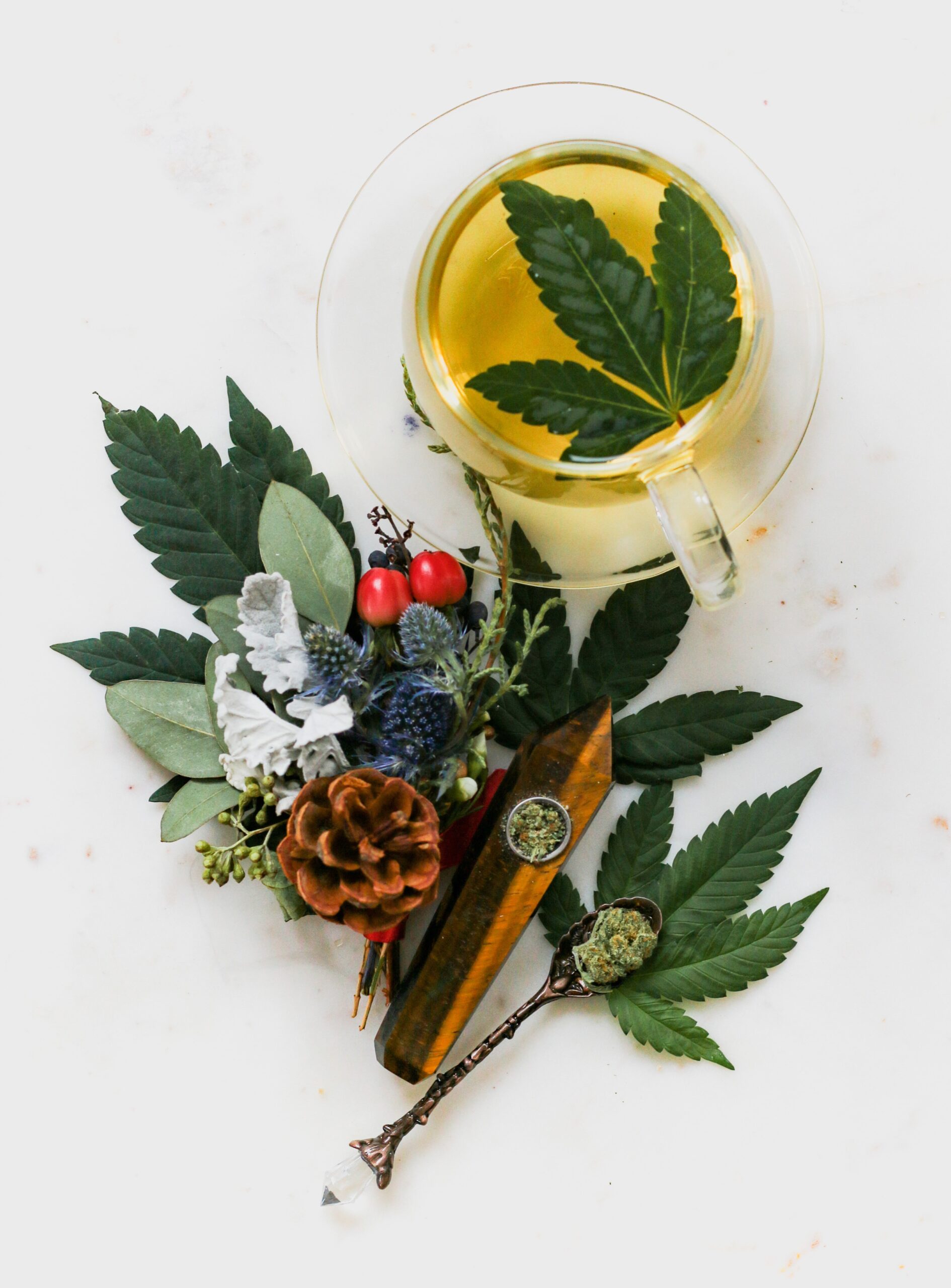
Everything you should know about CBD oil, benefits, risks, etc.
by Debra Rose Wilson, PhD, MSN, RN, IBCLC, AHN-BC, CHT
Fact Checked by: Dr. Michelle Dillon
CBD Oil Explained.
Cannabidiol (CBD) may have some health benefits, and it may also pose risks. Products containing the compound are now legal in many American states where marijuana is not.
This article will explain what CBD is, its possible health benefits, how to use it, potential risks, and issues surrounding its legality in the United States.
In June 2018, the country's Food and Drug Administration (FDA) approved the prescription use of Epidiolex, a purified form of CBD oil, for treating two types of epilepsy.
What is CBD oil?
CBD is one of many compounds, known as cannabinoids, in the cannabis plant. Researchers have been looking at the possible therapeutic uses of CBD.
CBD oils are oils that contain concentrations of CBD. The concentrations and the uses of these oils vary.
Is CBD marijuana?
Until recently, the best-known compound in cannabis was delta-9 tetrahydrocannabinol (THC).
This is the most active ingredient in marijuana.
Marijuana contains both THC and CBD, and these compounds have different effects.
THC creates a mind-altering "high" when a person smokes it or uses it in cooking. This is because THC breaks down when we apply heat and introduce it into the body.
CBD is different. Unlike THC, it is not psychoactive. This means that CBD does not change a person's state of mind when they use it.
However, CBD does appear to produce significant changes in the body, and some research suggests that it has medical benefits.
Where does CBD come from?
The least processed form of the cannabis plant is hemp. Hemp contains most of the CBD that people use medicinally. Hemp and marijuana come from the same plant, Cannabis sativa, but the two are very different.
Over the years, marijuana farmers have selectively bred their plants to contain high levels of THC and other compounds that interested them, often because the compounds produced a smell or had another effect on the plant's flowers.
However, hemp farmers have rarely modified the plant. These hemp plants are used to create CBD oil.
How CBD works..
All cannabinoids, including CBD, produce effects in the body by attaching to certain receptors.
The human body produces certain cannabinoids on its own. It also has two receptors for cannabinoids, called the CB1 receptors and CB2 receptors.
CB1 receptors are present throughout the body, but many are in the brain.
The CB1 receptors in the brain deal with coordination and movement, pain, emotions, and mood, thinking, appetite, and memories, and other functions. THC attaches to these receptors.
CB2 receptors are more common in the immune system. They affect inflammation and pain.
Researchers once believed that CBD attached to these CB2 receptors, but it now appears that CBD does not attach directly to either receptor.
Instead, it seems to direct the body to use more of its own cannabinoids.
Benefits
CBD may benefit a person's health in a variety of ways.
Natural pain relief and anti-inflammatory properties
People tend to use prescription or over-the-counter drugs to relieve stiffness and pain, including chronic pain.
Some people believe that CBD offers a more natural alternative.
Authors of a study published in the Journal of Experimental Medicine found that CBD significantly reduced chronic inflammation and pain in some mice and rats.
The researchers suggested that the non-psychoactive compounds in marijuana, such as CBD, could provide a new treatment for chronic pain.
Quitting smoking and drug withdrawals
Some promising evidence suggests that CBD use may help people to quit smoking.
A pilot study published in Addictive Behaviors found that smokers who used inhalers containing CBD smoked fewer cigarettes than usual and had no further cravings for nicotine.
A similar review, published in Neurotherapeutics found that CBD may be a promising treatment for people with opioid addiction disorders.
The researchers noted that CBD reduced some symptoms associated with substance use disorders. These included anxiety, mood-related symptoms, pain, and insomnia.
More research is necessary, but these findings suggest that CBD may help to prevent or reduce withdrawal symptoms.
Epilepsy
After researching the safety and effectiveness of CBD oil for treating epilepsy, the FDA approved the use of CBD (Epidiolex) as a therapy for two rare conditions characterized by epileptic seizures in 2018.
In the U.S., a doctor can prescribe Epidiolex to treat:
- Lennox-Gastaut syndrome (LGS), a condition that appears between the ages of 3 and 5 years and involves different kinds of seizures
- Dravet syndrome (DS), a rare genetic condition that appears in the first year of life and involves frequent, fever-related seizures
The types of seizures that characterize LGS or DS are difficult to control with other types of medication.
The FDA specified that doctors could not prescribe Epidiolex for children younger than 2 years. A physician or pharmacist will determine the right dosage based on body weight.
Other neurological symptoms and disorders
Researchers are studying the effects of CBD on various neuropsychiatric disorders.
Authors of a 2014 review noted that CBD has anti-seizure properties and a low risk of side effects for people with epilepsy.
Findings suggested that CBD may also treat many complications linked to epilepsy, such as neurodegeneration, neuronal injury, and psychiatric diseases.
Another study, published in Current Pharmaceutical Design, found that CBD may produce effects similar to those of certain antipsychotic drugs, and that the compound may provide a safe and effective treatment for people with schizophrenia. However, further research is necessary.
Fighting cancer
Some researchers have found that CBD may prove to combat cancer.
Authors of a review published in the British Journal of Clinical Pharmacology found evidence that CBD significantly helped to prevent the spread of cancer.
The researchers also noted that the compound tends to suppress the growth of cancer cells and promote their destruction.
They pointed out that CBD has low levels of toxicity. They called for further research into its potential as an accompaniment to standard cancer treatments.
Anxiety disorders
Doctors often advise people with chronic anxiety to avoid cannabis, as THC can trigger or amplify feelings of anxiousness and paranoia.
However, authors of a review from Neurotherapeutics found that CBD may help to reduce anxiety in people with certain related disorders.
According to the review, CBD may reduce anxiety-related behaviors in people with conditions such as:
- post-traumatic stress disorder
- general anxiety disorder
- panic disorder
- social anxiety disorder
- obsessive-compulsive disorder
The authors noted that current treatments for these disorders can lead to additional symptoms and side effects, which can cause some people to stop taking them.
No further definitive evidence currently links CBD to adverse effects, and the authors called for further studies of the compound as a treatment for anxiety.
Type 1 diabetes
Type 1 diabetes results from inflammation that occurs when the immune system attacks cells in the pancreas.
Research published in 2016 by Clinical Hemorheology and Microcirculation found that CBD may ease this inflammation in the pancreas. This may be the first step in finding a CBD-based treatment for type 1 diabetes.
A paper presented in the same year in Lisbon, Portugal, suggested that CBD may reduce inflammation and protect against or delay the development of type 1 diabetes.
Acne
Acne treatment is another promising use for CBD. The condition is caused, in part, by inflammation and overworked sebaceous glands in the body.
A 2014 study published by the Journal of Clinical Investigation found that CBD helps to lower the production of sebum that leads to acne, partly because of its anti-inflammatory effect on the body. Sebum is an oily substance, and overproduction can cause acne.
CBD could become a future treatment for acne vulgaris, the most common form of acne.
Alzheimer's disease
Initial research published in the Journal of Alzheimer's Disease found that CBD was able to prevent the development of social recognition deficit in participants.
This means that CBD could help people in the early stages of Alzheimer's to keep the ability to recognize the faces of people that they know.
This is the first evidence that CBD may slow the progression of Alzheimer's disease.
Legality
Cannabis is legal for either medicinal or recreational use in some American states. Other states have approved the use of CBD oil as a hemp product but not the general use of medical marijuana.
Some state and federal laws differ, and current marijuana and CBD legislation in the U.S. can be confusing, even in states where marijuana is legal.
There is an ever-changing number of states that do not necessarily consider marijuana to be legal but have laws directly related to CBD oil. The following information is accurate as of May 8, 2018, but the laws change frequently.
However, state legislators generally approve the use of CBD oil at various concentrations to treat a range of epileptic conditions. A full list of states that have CBD-specific laws is available here.
Different states also require different levels of prescription to possess and use CBD oil. In Missouri, for example, a person can use CBD of a particular composition if they can show that three other treatment options have failed to treat their epilepsy.
Anyone considering CBD oil should speak with a local healthcare provider. They can provide information about safe CBD sources and local laws surrounding usage.
Also, research local state laws. Most states require a prescription.
Recent developments: CBD oil for epilepsy
In June 2018, the FDA approved the use of CBD to treat two types of epilepsy.
Dr. Scott Gottlieb, writing for the FDA on 25 June, stated:
"Today, the FDA approved a purified form of the drug cannabidiol (CBD). This is one of more than 80 active chemicals in marijuana. The new product was approved to treat seizures associated with two rare, severe forms of epilepsy in patients two years of age and older."
Dr. Scott Gottlieb
Dr. Gottlieb is careful to point out that:
- The FDA have not approved the use of marijuana or all of its components.
- The association has only approved a purified version of one CBD medication, for a precise therapeutic purpose.
- The decision to approve the product was based on the results of sound clinical trials.
- Patients will receive the medication in a reliable dosage.
Side effects
Many small-scale studies have looked into the safety of CBD in adults. They concluded that adults tend to tolerate a wide range of doses well.
Researchers have found no significant side effects on the central nervous system, the vital signs, or mood, even among people who used high dosages.
The most common side effect was tiredness. Also, some people reported diarrhea and changes in appetite or weight.
Risks
There is still a lack of available long-term safety data.
Also, to date, researchers have not performed studies involving children.
*******************A NOTE from Dr. Michelle Dillon************************
Where you buy the CBD and the QUALITY of the company providing is KEY!!
You want a trustworthy supplemental company that has been around for years and is fully testing the products medicinal value AND checking for toxins like herbacides and pesticides is really important.
** Looking for CBD ? We do carry 'Hemp Oil from Standard Process - a company that has been around for 90 years! Call today 704-543-5540

HPV, Breastfeeding, & Fertility Things you should know...
By Zawn Villines Fact Checked by Dr Michelle Dillon
There is no transmition of HPV in breast milk , so no worries to those that have HPV and would like to breast feed.
In general, research shows that any infection, including HPV, makes it more difficult for a woman to conceive and remain pregnant. However, it is important to remember that most cases of HPV clear up without any need for treatment.
The American College of Obstetricians and Gynecologists (ACOG) list scarring and blockages in the fallopian tubes as potential risk factors for infertility.
This type of damage can sometimes be due to STIs, such as HPV, but the ACOG do not list HPV as a specific contributor to infertility. How much HPV influences a woman's fertility still needs more study.
Women with HPV may experience:
- Difficulties getting pregnant: HPV may reduce the embryo's ability to implant itself in the wall of the womb or uterus. HPV infections can also damage the embryo.
- Increased risk of miscarriage: There is a link between HPV and the risk of pregnancy loss and spontaneous preterm birth, but these risks depend on the type of HPV a person has contracted. Studies show a significant association between cervical HPV infections and pregnancy loss.
It is vital to remember that the body's immune system clears most HPV infections without any additional treatment.
Natural Approaches to HPV include:
- Improving and supporting the immune system (as HPV is a virus that needs to be controlled).
- Cleaning up the diet avoiding junk foods, high sugar sweets, sodas, and excessive alcohol.
- Increasing bright colored veggies as well as berries and fruit.
- Increasing the intake of vitamin A and methylated folate to aid in lowering inflammation and aiding in proper cellular growth.
Have HPV and having issues getting pregnant?
Love to help you!
Call 704-543-5540 and schedule today.
Study reveals how much fiber we should eat to prevent disease
By Ana Sandoiu
A new meta-analysis examines 40 years' worth of research in an attempt to find out the ideal amount of fiber that we should consume to prevent chronic disease and premature mortality.
Researchers and public health organizations have long hailed the benefits of eating fiber, but how much fiber should we consume, exactly?
This question has prompted the World Health Organization (WHO) to commission a new study. The results appear in the journal The Lancet.
The new research aimed to help develop new guidelines for dietary fiber consumption, as well as reveal which carbs protect the most against noncommunicable diseases and can stave off weight gain.
Noncommunicable diseases are also called chronic diseases. They typically last for a long time and progress slowly. According to WHO, there are "four main types of noncommunicable diseases:" cardiovascular diseases, cancer, chronic respiratory diseases, and diabetes.
Professor Jim Mann, of the University of Otago, in New Zealand, is the corresponding author of the study, and Andrew Reynolds, a postdoctoral research fellow at Otago's Dunedin School of Medicine, is the first author of the paper.
Prof. Mann explains the motivation for the study, saying, "Previous reviews and meta-analyses have usually examined a single indicator of carbohydrate quality and a limited number of diseases, so it has not been possible to establish which foods to recommend for protecting against a range of conditions."
To find out, the researchers performed a meta-analysis of observational studies and clinical trials.
Daily intake of 25–29 grams of fiber is ideal
Reynolds and colleagues examined the data included in 185 observational studies — amounting to 135 million person-years — and 58 clinical trials which recruited over 4,600 people in total. The studies analyzed took place over almost 40 years.
The scientists investigated the incidence of certain chronic diseases, as well as the rate of premature deaths resulting from them.
These conditions were: coronary heart disease, cardiovascular disease, stroke, type 2 diabetes, colon cancer, and a range of obesity-related cancers, such as breast cancer, endometrial cancer, esophageal cancer, and prostate cancer.
Overall, the research found that people who consume the most fiber in their diet are 15–30 percent less likely to die prematurely from any cause or a cardiovascular condition, compared with those who eat the least fiber.
Consuming foods rich in fiber correlated with a 16–24 percent lower incidence of coronary heart disease, stroke, type 2 diabetes, and colon cancer.
Fiber-rich foods include whole grains, vegetables, fruit, and pulses, such as peas, beans, lentils, and chickpeas.
The analysis also revealed that the amount of fiber that people should consume daily to gain these health benefits is 25–29 grams (g). By comparison, adults in the United States consume 15 g of fiber daily, on average.
The authors also suggest that consuming more than 29 g of fiber per day may yield even more health benefits.
However, they do caution that, while the study in itself did not find any adverse health effects of consuming fiber, eating too much of it may be damaging for people with insufficient iron or minerals.
Eating large amounts of whole grains can further deplete the body of iron, explain the researchers.
Finally, the clinical trials included in the study also revealed that consuming more fiber correlates strongly with lower weight and lower cholesterol levels.

This sleep disorder puts people at 'very high risk' of Parkinson's
Data from the National Institutes of Health (NIH) indicate that every year, approximately 50,000 people in the United States learn that they have Parkinson's disease, a neurological condition that affects a person's motor function and exposes them to other neurodegenerative problems, such as Alzheimer's disease.
Researchers still do not fully understand exactly what causes Parkinson's disease, but they have identified a few risk factors that can predispose a person to develop this condition.
These include a person's age and sex as well as some genetic factors. Still, it remains a challenge to establish early on who is likely to develop Parkinson's disease at some point in their life.
However, a team of researchers from McGill University in Montreal, Canada decided to see if one particular factor — a sleep disorder called REM sleep behavior disorder (RBD) — could be a good predictor of risk.
This sleep problem is called RBD because it occurs during the REM phase of sleep, in which a person's body becomes effectively paralyzed. This inability to move prevents the person from physically acting out any dream that they may be experiencing and thus stops them from potentially harming themselves or others.
People with RBD do not have this paralysis, which means that they end up acting out their dreams without any notion that they are doing so.
Research has shown that many people with RBD go on to develop Parkinson's disease, so the McGill University team decided to find out whether an RBD diagnosis could accurately predict Parkinson's risk.
As lead author Dr. Ron Postuma and colleagues explain, establishing that this sleep disorder is a good predictor of Parkinson's could, in the future, allow specialists to identify at-risk people and offer them experimental therapies that could delay or prevent the onset of this neurological condition.
Sleep disorder predicts risk
To establish the strength of the connection between the two conditions, the researchers — whose recent findings appear in Brain: A Journal of Neurology — worked with 1,280 people with REM sleep behavior disorder across 24 centers of the International RBD Study Group.
The researchers assessed the participants' motor function, cognitive abilities, and sensory abilities for a number of years. After a 12-year follow-up period, they found that 73.5 percent of the people involved in this study had developed Parkinson's disease.
Moreover, participants who had started experiencing motor function issues in this period had a threefold increase in the risk of developing Parkinson's disease or related conditions, such as dementia with Lewy bodies.
Also at high risk were participants who had developed cognitive impairment or started experiencing problems with their sense of smell.
These findings confirm that the presence of RBD is, indeed, a strong predictor of Parkinson's disease. All the more so, since the researchers conducted the study in centers across North America, Europe, and Asia, which means that the results apply to diverse populations.
A cheaper, quicker form of assessment
Unlike the usual method of assessing the risk of Parkinson's disease, which is called dopamine transporter imaging, the current assessment is inexpensive and easy to apply.
Dopamine transporter imaging, explain Dr. Postuma and colleagues, assesses the integrity of the dopaminergic system, which typically becomes compromised in parkinsonism and Parkinson's disease. However, this test is complex and costly. In contrast, assessing for the risk factors that the current study considers is both quick and cost efficient.
"We confirmed a very high risk of [Parkinson's disease] in people with REM sleep disorder and found several strong predictors of this progression," notes Dr. Postuma.
"As new disease-modifying treatments are being developed for [Parkinson's disease] and related diseases, these patients are ideal candidates for neuroprotective trials."
Dr. Ron Postuma

3 Reasons why you are hungry ALL the time...
By: Dr. Michelle Dillon, ND
Does it seem like no matter what you are always hungry?
Do you think you may have a pin worm or parasite?
There are a number of reasons why you maybe hungry all the time here are 3 reasons.
- You are eating too much junk food & sweets! & You are not eating enough protein or healthy fats in your diet.
High sugar foods will cause a roller coaster ride for your blood sugar!
The minute you have something high in sugar like a doughnut, sweet, or candy - it causes your blood sugar to soar, then an hour later it plummets!
Once your blood sugar drops fast and hard - you will be clawing for something sweet.
And thus the vicious cycle continues!
The key ? Eating more protein and healthy fats, avoid the high carby foods and sugar.
Protein and fat are the food groups that help keep you satiated and less hungry the longest due to the fact that its the foods that take the longest to break down. Making sure you are eating 20g of protein with each meal is important this is equivalent to at least 3-4oz of meat with each meal.
Most people that are vegetarian will find themselves more hungry, usually because they are eating higher carbs. Most vegetarians that I see are not eating just veggies they actually are just focusing on carb rich foods or sometimes just pastas and beans to keep them going. Beans are debatable - they do have some protein in them but not as much as a few ounces of meat.
Adding just a few ounces of meat will make the biggest difference when it comes to your energy levels and keeping you full longer.
2. You are thirsty.
Ask yourself before grabbing for something to eat. Hmm - have I had anything to drink today?
Am I thirsty or am I truly hungry?
IF you are craving colder things like ice cream or Popsicles - there's a good chance that you are actually thirsty!
Most people do not drink enough fluids during the day. You should have at least 6-8 glasses of filtered water daily. Don't drink tap water it's full of carcinogens!
3. You are not sleeping well & are stressed out.
If you are tossing and turning at night, not sleeping well, and are stressed out. Then I assure you - you will probably be reaching for the junk foods.
Why?
When you don't sleep well & stress is high - your body in order to protect itself will release CORTISOL . When cortisol is high it not only keeps you from sleeping BUT it causes your blood sugar to be all over the place - causing you to not only be hungry but to crave some sweets.
The answer?
Eat higher protein foods.
Manage that stress!
Take some time off.
Go for a walk in a green pretty park area.
Get some hugs.
All of the above will help to manage those cortisol levels.
TRIED everything and still feeling off?
Give me a call - love to help you out!! 704-543-5540