

3 Things to do when bit by a Tick
Tick Bites - what to do.
Ever look down and freak out because there is a unexpected tick embedded into your skin sucking your blood?
Not the best feeling ever and quite alarming.
What are the 3 best steps you can do if this does happend?
Well this week, I had a patient in that experienced this, so I wanted to write to remind you of the best things you can do when you get bit by a tick.
1. Do not crush, twist, or try to singe it off with a hot match.
When you molest the tick, you run the risk of it regurgitating all of it's bacteria back into your body, which increases the risk of infections.
Best to lightly grip the bug with a tweezers and pull directly backwards on it.
2. Next save the tick and wash the area with soap and water.
Yes I know the first thing you'd like to do is throw the bugger away and never see it again. But the best thing would be to save it and freeze it!
Why?
Because that way you can send it to a lab and get it checked for any bacteria like lymes or Rocky Mt Spotted fever.
That way you know for sure if you need severe antibiotics or just some immune support.
3. Note any symptom changes & Start taking immune support!
Write on the calender the day you got bit and where on your body. Take a picture even.
The more symptoms you can note and write down the better.
Symptoms to look out for would be:
- Fever or chills
-Swelling and pain in the area
- Flu like symptoms
Begin the following Immune system support:
Vitamins A,C, D
Standard Process:
Andrographis Herbal Complex
Spleen Support
Cataplex ACP
Cataplex F
Echinachea
Immuplex
Congaplex
AVOID Sugars!! As sugar depresses immunity for 5 hours~!
**Call your doctor if anything worsens - **
Call Today for a Free 15 minute Phone Consultation -
704-543-5540 or Schedule Now Online via our website

Toxins in your make up ARE messing up your hormones!! WHat to look out for!!
Benzalkonium chloride: a disinfectant used as a preservative and surfactant associated with severe skin, eye and respiratory irritation and allergies. Found in: sunscreens, moisturizers.
Benzophenone and derivatives: a possible human carcinogen and hormone disruptor used as a fragrance ingredient and to absorb ultraviolet light. Found in: nail polish, sunscreen.
Bisphenol A (BPA): a hormone disruptor that may also alter DNA, used in plastics and resins. Found in: plastic bottles, lining of aluminum food cans, possibly in eyeshadow and styling gel.
Butoxyethanol: a solvent used to control viscosity, or a "fragrance" additive. It irritates skin and may cause cancer and reproductive toxicity. Found in: fragrance, hair color.
BHA and BHT: synthetic antioxidants used to extend shelf life. They are likely carcinogens and hormone disruptors, and may cause liver damage. Found in: lipsticks, moisturizers, diaper creams, and other cosmetics.
Coal tar hair dyes and other coal tar ingredients: a byproduct of coal processing that is a known carcinogen. It is used as a colorant and an anti-dandruff agent. Found in: hair dye, shampoo.
1,4-dioxane: a by-product of manufacturing that is a probable human carcinogen (a known animal carcinogen) as well as toxic to organs and the respiratory system, and a skin irritant. Likely to be present where ethoxylated ingredients like sodium laureth sulfate, PEGs, and ceteareth are listed on ingredient labels. Found in: shampoo, body wash, bubble bath.
Ethanolamines (MEA/DEA/TEA): surfactants and pH adjuster linked to allergies, skin toxicity, hormone disruption, and inhibited fetal brain development. Found in: hair dyes, mascara, foundation, fragrances, sunscreens, dry cleaning solvents, paint, pharmaceuticals.
Formaldehyde: used as a preservative in cosmetics. A known carcinogen that is also linked to asthma, neurotoxicity, and developmental toxicity. Present where quaternium-15, DMDM hydantoin, imidazolidinyl urea, diazolidinyl urea, sodium hydroxymethylglycinate, 2-bromo-2-nitropropane-1,3 diol (Bronopol) and several other preservatives are listed. Beautycounter does not use any of these formaldehyde-donating preservatives. Found in: shampoo, body wash, bubble bath.
Hydroquinone: a skin lightening chemical that inhibits the production of melanin and is a linked to cancer, organ toxicity and skin irritation. Found in: skin lightening creams.
Parabens (methyl-, isobutyl-, propyl- and others): a class of preservatives commonly used to prevent the growth of bacteria and mold. Parabens are endocrine (or hormone) disruptors, which alter important hormone mechanisms in our bodies. Specially, parabens mimic estrogen; they can lock on to our cell's own estrogen receptors and mess with important natural signals. They may play a role in triggering breast cancer. Found in: shampoo, face cleanser, body wash, body lotion, foundation.
Phthalates (DBP, DEHP, DEP and others): a class of plasticizing chemicals used to make products more pliable or to make fragrances stick to skin. Phthalates disrupt the endocrine system and may cause birth defects. Found in: synthetic fragrance, nail polish, hairspray.
Sodium Lauryl Sulfate and Sodium Laureth Sulfate (SLS and SLES): SLS and SLES are surfactants that can cause skin irritation or trigger allergies. SLES is often contaminated with 1,4-dioxane, a byproduct of a petrochemical process called ethoxylation which is used to process other chemicals in order to make them less harsh. Found in: shampoo, body wash, bubble bath.
Synthetic flavor or fragrance: an engineered scent or flavoring agent that may contain any combination of 3,000+ stock chemical ingredients, including hormone disruptors and allergens. Fragrance formulas are protected under federal law's classification of trade secrets, and therefore can remain undisclosed. Found in: all types of cosmetics.
Toluene: a volatile petrochemical solvent that is toxic to the immune system and can
cause birth defects. Found in: nail polish.
Triclosan and Triclocarban: antimicrobial pesticides toxic to the aquatic environment; may also impact human reproductive systems. Found in: liquid soap, soap bars, toothpaste.
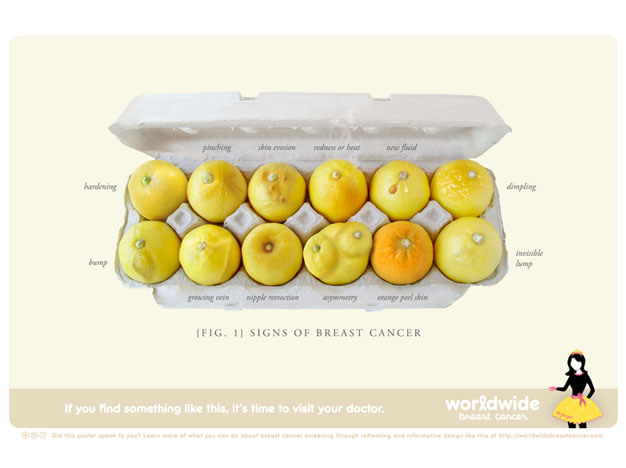
5 Signs of Un-Healthy Breasts
|
||||||
|

10 Easy Steps to do When you are coming down with something.
What to do when you feel like you are coming down with something…
- Avoid sugar like the plague! Just one teaspoon of sugar will lower your immunity for 5 hours!
- Increase water intake – when you are dehydrated your mucous membranes become more dry which can cause more virus or bacteria to enter your body. Being dehydrated can also cause thicker mucous secretions.
- Eat lightly and avoid dairy, eggs, and fried foods . Heavy hard to digest food can take the energy your body needs to fight this illness and use it for digestion instead of killing the virus or bacteria.
- Make Homemade Garlic Tea – oooh that sounds horrible! But trust me it really doesn’t taste that bad once boiled. Garlic is anti-viral, anti-bacterial, and anti-fungal- so it will wipe out anything you have early on!!
Recommended Supplements to keep on hand when the need arises:
What to take for COLDS
- Vitamin A drops- (only thing you should avoid if pregnant)- take a heavty dose for those that are starting to get sick or are sick. Vitamin A is the first to go when you have a virus or sickness, so the more the merrier.
- VItamin D3
- Zinc, Vitamin C
What to take for FLU- like symptoms:
- Feeling the aches and pains, chills and shivers ? Best thing to reach for and to keep in your home is Boiron’s Oscillococinum. It’s hard to say and no one knows how to say it – but fabulous and very effective when taken in the early stages of those nasty aches and chill flu like symptoms.
- Garlic Tea- see above for details.
- Immuplex or Congaplex or both.
- Don’t forget the drainers – Antronex and Spanish Black Radish.
Be sure to rest and get lots of fluids!!
Call me in the morning if you are not feeling any better or things are not working.
704-543-5540