
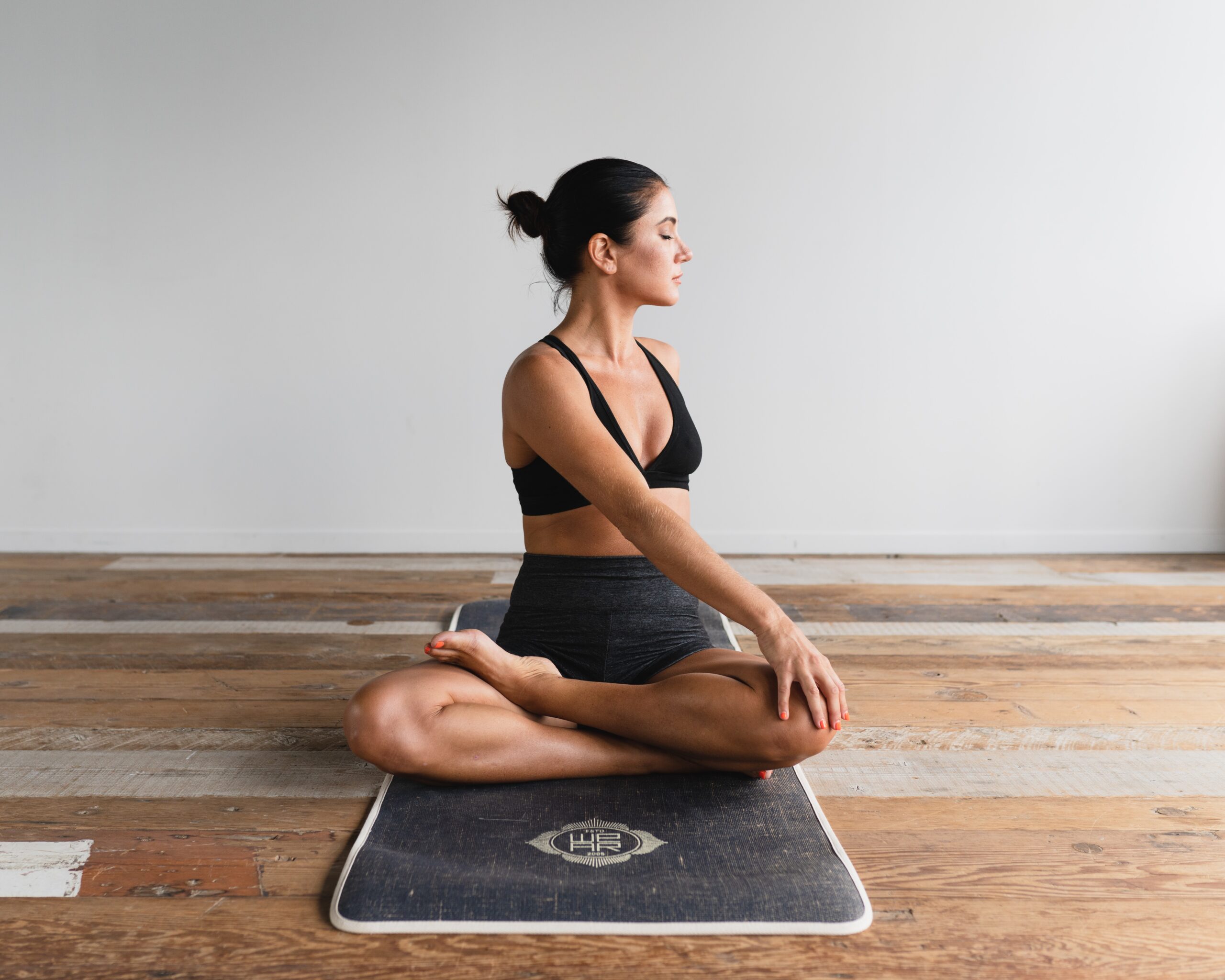
Invest in you: 50+ self-care practices to take better care of yourself
Self-Care - 50 Tips on how to take better care of yourself
What exactly are self-care practices?
Self-care is often misunderstood. It is cast as a “nice to have,” somehow a “woman thing,” or a luxury, like a spa treatment. But self-care practices are any actions you take to improve your mental, physical, or emotional well-being. If you’re looking for practical self-care tips for better health, you should know that everybody needs them to function at their best.
Simply put, self-care practices are intentional steps to take care of yourself. Self care practices put deposits into your wellness “bank account.” Consistent deposits give you more internal resources to draw upon during stressful times.
The World Health Organization (WHO) defines self-care as “the ability of individuals, families, and communities to promote health, prevent disease, maintain health, and to cope with illness and disability with or without the support of a healthcare provider.”
Self-care looks different for everyone. Some people thrive on social connections while others need lots of alone time. Some people love a vigorous workout, and others would rather a slow, mindful yoga class. There are those who find cleaning therapeutic, and others who find it draining.
Your self-care practices, then, will look different than everyone else’s. So how do you figure out what works for you? You can start by asking yourself these questions:
- When I feel overwhelmed, what’s the first thing I want to do?
- When do I feel my best?
- What makes me smile?
- What do I daydream about doing?
- What do I want to do that I never get to do?
- How do I want to feel?
The importance of self-care for your mental health and well-being
Self-care is critical to your mental health. When we feel stressed, the body’s alarm bells — known as the sympathetic nervous system — go off. They send a message to the brain letting it know that you’ll need more energy to either fight or flee.
Unfortunately, when constantly triggered by low-level chronic stress, it becomes difficult to relax.
Stress puts people at higher risk of developing depression, anxiety, heart disease, and other health issues. That’s because when under stress, our bodies divert important resources to dealing with the threat. That means that we have less available for other processes, like healing and sleep.
Fortunately, when we practice self-care, we activate the parasympathetic nervous system. This allows us to relax and counteract the effects of long-term stress.
Besides moderating the stress response, self-care practices can reduce inflammation. Self-care is linked to better health, helps develop mental fitness, and makes instances of physical and mental illness easier to cope with.
How can you practice self-care every day?
Despite “self-care” being the most-searched term of 2020, taking care of yourself isn’t a trend or something you can dabble in. For the biggest impact, you should make self-care a daily practice.
The National Wellness Institute identifies six primary dimensions of wellness. They are mental, physical, emotional, occupational, social, and spiritual. Ideally, you can do something to promote wellness in each of these areas every day.
Of course, there are times when you may need to focus on one area over the others. For example, if you’re under the weather, it makes sense to focus on your physical wellness and skip a coffee date with a friend (social).
If you’re short on time, the idea of tackling several different areas of wellness all at once may seem daunting. The trick to creating a self care practice that you’ll stick with is self-awareness and creating a routine that works for you.
How to start a self-care routine
Many people have started — and stopped — one-self care practice or another. But we all also have things that we wouldn’t dream of missing. Grab your planner and follow the following steps:
- Look at your schedule. What activities are you already doing that are fun, energizing, or health-focused? Highlight any massages, physical therapy, sports, doctor’s appointments, or trips to the gym.
- Revisit your answers to the earlier questions and look at the six dimensions of wellness. What do you wish you had time for? How do you want to feel? Which areas of your life receive the most attention? The least?
- Begin to look for areas where you can schedule your self-care. While scheduling rest doesn’t sound particularly relaxing, it’s one of the best ways to make sure it actually happens. Look for areas where you can “revitalize” something you’re already doing. For example, if you walk your dog every day, try leaving your phone at home for a mini-digital detox.
You don’t need huge, uninterrupted blocks of “me-time” in your schedule to cultivate self-care. Don’t let being “busy” stop you from making time for yourself!
Here’s a list of over 50 self-care ideas that take anywhere from a whole day to just one minute to practice:
50+ self-care practices for your mind, body, and soul that fit into any schedule
One minute or less:
- Take your vitamins. This is easily overlooked, but over time can make a big difference in how you feel. Vitamins can reduce fatigue and support your immune system.
- Drink a glass of water. The effects of dehydration can look like fatigue or anxiety. A glass of water might be all you need to perk you back up.
- Practice mindful breathing. Meditation doesn't have to take a huge amount of time. Try watching your breath for a whole minute (about seven deep breaths). Note how you feel before and after.
- Clear a spot. We often think more clearly when our spaces are more orderly. Declutter your nightstand, desk, kitchen counter, or your sofa.
- Create a mantra for yourself. If you set an intention earlier for how you want to feel, try turning it into a mantra or affirmation. It could be as simple as “I’m doing my best” or “I am at peace.”
- Get — or give — a hug. Physical affection reduces our stress levels and makes us feel more connected.
- Give up on something you feel like you ought to do. The things we “should” do are mental clutter. Sometimes it feels good to complete them, but if they’re someone else’s idea of what you should do, let it go.
- Accept an offer of help. Turning down help can become an automatic reaction, even if we crave support. The next time someone offers their assistance, even in something small, surprise yourself by saying yes.
Five to 10 minutes:
- Write it down. Journaling can be very therapeutic. Take a couple of minutes to just record how you feel, anything you’re worried about, or even your dreams. It doesn’t have to be perfect. Set a timer and clear your mind.
- Give yourself an extra five minutes between meetings. Take the time to decompress, take notes, or prepare for your next meeting. Your brain will thank you.
- Water your plants. Caring for plants keeps us in the present and in touch with nature. Research shows that plants boost productivity, creativity, mindfulness, and reduce stress.
- Simplify your choices. Decide on one meal that you want to streamline. Pick a yummy, nutritious option and eat it every day. For example, replace breakfast with a nutrient-dense smoothie or prep a week of healthy lunches.
- Remind yourself of a special memory. Flip through a digital vacation album, or print and frame a photo that makes you smile.
- Outsource something. Make a call or book a service appointment online for help with a task you dread, like cleaning or lawn care. Use the newfound time as you please.
- Enjoy being still. Sit or lie down for five minutes (try not to fall asleep). You can do a simple body awareness scan, or just close your eyes and practice deep breathing.
- Treat yourself. Go shopping! Buy something you’ve always wanted online, order your favorite lunch, or book a spa day. You could even make an out-of-the-way stop just to pick up that thing you love.
- Fix or replace something. Is there something that’s not working well? Rid your mind of the annoyance by fixing it or replacing it. It will make you smile every time you use it with ease.
- Pay yourself first. Taking good care of your finances is self-love. Set up a savings or investment account and put a small amount into it before you pay any of your other obligations.
- Do a mini digital detox. Try going tech-free for five minutes once a day. Meditate, stand and stretch, or color.
- Make a list of things that make you happy. They can be big (like a vacation), abstract (like a color), or small (like a particular brand of chocolate). Keep the list handy and add to it. It will inspire you to notice and appreciate the things you love.
- Make a gratitude list. Consciously practicing gratitude overpowers negative emotions and keeps depression at bay.
- Call a friend. Yes — no one uses the phone anymore. That’s why it’s extra-special to actually hear a loved one’s voice on the line. Choose someone you haven’t chatted with in a while and just ask, “ How are you doing?”
15 to 20 minutes:
- Take a walk. The fresh air and movement will help rejuvenate and refocus you.
- Play with your kids. They’ll love it, and you’ll get to relive the nostalgia of the things you did when you were little as you bond with your kids.
- Play with your pets. Pets love unconditionally (well, except cats). Give them some one-on-one attention and belly scratches.
- Take a shower. There are few things in life that don’t seem better after a quick shower. Rinse the day off, or enjoy the hot water while you use all the fancy products you normally skip.
- Take a power nap. Fatigue can affect your focus, mood, and productivity. Pair a cup of coffee with a short nap to wake up feeling recharged.
- Read a book for fun. Whether it’s a fiction book or just a topic you find interesting, reading is a great way to destress while engaging your mind.
- Curate your social media. Unfollow or mute negative people. Depending on the app, you can block certain terms and topics, or even delete some platforms altogether.
- Cross something off your list. Take a few minutes to handle a lingering task. You’ll feel better, more productive, and get a boost of momentum from your accomplishment.
- Plan a vacation. Daydream about where you want to go. Even if it’s not in your means just yet, have fun picking out the accommodations, activities, and even your wardrobe. The anticipation of a trip is proven to be the best part of the experience.
- Move your body. You don’t need to go to a ninety-minute yoga class to reap the benefits. Roll out your mat for a few simple poses (don’t forget savasana) or just stretch and breathe.
- Take a small step towards doing something you really want to do. Even if you can’t complete it in 15 minutes, research the first step, enroll in a class, or begin reading a book on the topic.
One to two hours:
- Go to therapy. Working with a professional is an excellent way to support your mental health and reduce burnout. You deserve (at least) one hour a week to focus on yourself.
- Try a new health or wellness trend that you’ve never tried before. Make an appointment for acupuncture, a chiropractor, cryotherapy, float sessions, or even a touchless spa.
- Go to bed earlier. Have an extra hour to yourself? Get some rest. A 2019 study showed that just one extra hour of sleep improved cognitive performance, fatigue, mood, and focus.
- Become an expert on you. Try setting up an at-home taste testing of all your favorite snacks and take notes on why you love them.
- Uplevel your appearance. Spend some time getting a professional manicure, haircut, shave, or shop for some new clothes.
- Go to a fitness class. Most exercise classes are between 45 and 90 minutes. You can spin, stretch, box, play a sport, or lift weights. You’ll leave feeling exhausted (in all the good ways) and accomplished.
- Turn off your phone one hour before bed. Setting yourself up for a good night’s sleep starts early. The blue light on your phone (and all the drama on social media) can prevent you from getting enough sleep. Disconnect at a certain time every night and do something relaxing.
- Meet with a nutritionist. Feeling sluggish, unfocused, or achy? Your diet may be to blame. Find out which foods and veggies are the best for you. Spend an hour optimizing your diet for what’s important to you and how you want to feel.
- Plan time to do nothing. Give yourself the gift of a few minutes or even a whole hour back in your day. Look at your planner and see if you can do this on a regular basis.
- Watch something funny. Whether a favorite sitcom or a comedy special, watching something that makes you laugh is a great way to release stress.
- Clean up! An hour is enough time to make a significant difference in almost any space. Set a timer and put on some fun music or a tv show you want to catch up on.
Half a day:
- Do something touristy in your city. Visit someplace that you never get to go. Take photos and stop to read all the signs. You’ll remember why you love living where you live.
- Pick up something you used to love again. Is there something that used to light you up or relax you? Even if you’re rusty, spend an hour getting back into it.
- Visit somewhere scenic. Go to a park or scenic overlook and enjoy being in nature. Take a friend with you and plan a picnic.
- Have an at-home spa day. Give yourself a massage, facial, and pedicure. Soak in a bubble bath or take a really long shower. Complete the experience with the fluffiest robe you can find.
- Play a sport. Join a local tournament or meet with friends to play casually. If schedules don’t match up, take your kids or partner out for a game of dodgeball.
All day:
- Work from a new location. Enjoy a change of scenery. Pack a lunch and your laptop and work from a cafe, diner, hotel room, or even the beach (WiFi permitting).
- Take a mental health day. Feeling drained? Don’t wait for vacation or the flu to come around before you take a day to yourself.
- Do some inner work. Your brain actually works harder when you’re not focusing. Inner work makes you a better leader and improves your ability to learn and produce when you’re back at your desk.
- Give back. Take a day to support a cause that’s close to your heart. Volunteer or organize a fundraising effort.
Investments for the long-term (and today)
Making a regular habit of self-care has payoffs in the near- and long-term. Today, you will feel better, have more energy and optimism, and be a better colleague, parent, and friend.
For the long-haul, a regular habit of valuing yourself and showing that value by taking care of yourself will help you have the endurance and resilience to keep learning, adapting, and persevering over a lifetime.
Start trying out some of these self-care tips. It’s less important what self-care practices you do than that you start learning how to take care of yourself.
Schedule today for a Discovery Call -

Normal Cholesterol & Heart Attack Risk
NORMAL CHOLESTEROL AND HEART ATTACK RISK.
Consider this startling statistic: 50% who have a heart attack have normal cholesterol.!!! This challenges what many people believe about Heart Attack Risk & Cholesterol.
That means HALF of the cholesterol tests done in medicine will not tell whether or not you are at risk of a heart attack, which is exactly what they allegedly supposed to do.
This is why the lipoprotein particle profile test should replace standard cholesterol tests.
Heart disease is still the number one cause of death in America, despite the fact that most Americans are very familiar with cholesterol testing.
You commonly hear “I had my cholesterol checked” and it’s normal. Or, “My cholesterol is high so my doctor put me on a statin.”
Then, most Americans will (falsely) believe your risk for a heart attack is lowered.
Has it ever occurred to you that perhaps the main blood test used for assessing heart disease risk is just, wrong?
Cholesterol tests don’t tell the whole story. In fact, they are grossly misleading. The technology for cholesterol test is decades old and newer, more accurate laboratory testing is available at comparable cost and convenience.
Never underestimate the power of momentum, even if that momentum is an outdated, inaccurate, misleading diagnostic test that missed half the people at risk of heart disease for which it is designed to help. The days of cholesterol testing are numbered. As they should be. You deserve a blood test that is more accurate that actually empowers you to lower your heart disease risk. That’s where the Lipoprotein Cholesterol Particle Testing comes in.
What is Lipoprotein Cholesterol Particle Testing ?
IT is a specialized blood test that assesses risk for heart disease AND what to do about it. It is a replacement for the outdated, and often misleading cholesterol test.
Lipoprotein Cholesterol Particle Testing measures the various lipoproteins in your blood, which is important because lipoproteins are what cause heart attacks and strokes, not cholesterol.
But not all lipoproteins are equal – some are helpful, and some are incredibly dangerous. The LPP® will tell you which ones you have.
Cholesterol is the “spackle” that fixes arterial damage.
Cholesterol is a substance in our cells that serves several functions – building cell walls, making sex hormones, repairing arteries, for example. The latter of these functions is where cholesterol gets a bad reputation, albeit unfairly.
Cholesterol is a sticky substance that is used to “patch” the walls of an artery that has been damaged – sort of like spackling the wall in your house when the sheetrock gets a hole in it. So the real problem is the damage to the artery (the hole in the wall), not the cholesterol (the “spackle”) needed to patch it.
Cholesterol is simply the biological “spackle” or “glue” or “paste” or whatever analogy suits you. The cholesterol forms a scab on the inside of the blood vessel. So, often where there is a lot of cholesterol localized in an artery, there is a lot of damage. This can eventually cause blockages (atherosclerosis), or become hard (arteriosclerosis), or form a blood clot (thrombosis).
Lipoproteins cause the trouble, but cholesterol gets blamed.
Lipoproteins are small lipid spheres (think of a hollow rubber ball) that carry cholesterol in the body. Really small lipoproteins act like bee bees to the arterial wall, scratching it and causing damage.
Then cholesterol is sent in to patch up this damage. The underlying problem in is the damage to the artery, caused by lipoproteins (and other things like high blood sugar, smoking, inflammation, etc). The vascular damage (the cause) leads to cholesterol build up (the symptom). Cholesterol is not damaging the artery. It is actually trying to repair it.
Proof that cholesterol tests are completely misleading.
Which lipoproteins do you have – healthy or harmful?
The Lipoprotein Particle Test measures your lipoproteins, not your cholesterol, and it tells you the whole range of lipoproteins found in your blood. It is quite comprehensive but in a nutshell, it tells you if you have the dangerous type or healthy type. There are very unique types of lipoproteins that are particularly dangerous, all of which are included in the LPP panel.
Cholesterol testing isn’t even close.
Then why is cholesterol testing so popular?
The fact that lipoproteins (versus the cholesterol they contain) are what actually cause atherosclerosis has been well established decades ago. But cardiovascular disease (CVD) has been framed a “cholesterol issue” simply because there was no commercial technology for measuring lipoprotein particles until recently.
Technology for measuring cholesterol has been widely available for years, so “cholesterol” became synonymous with CVD, when really it is only a surrogate marker. But now that lipoprotein measuring technology is widely available and the cost is comparable to standard cholesterol testing, cholesterol tests are considered very outdated at best, and misleading at worst.
Make an appointment to test today - Life is too short, to make it shorter.
Prevention is the BEST solution to longevity!!
Schedule your Discovery Call Today -

Your GUT is a Garden - Have You Weeded It?
HOW YOUR DIGESTION IS THE CENTER OF YOUR HEALTH AND HOW OVERGROWTH OF BAD BACTERIA CAN CONTRIBUE TO DIGESTIVE ISSUES BUT ALSO ALL OTHER ISSUES.
Digestive health is important for all health because the condition of your gut affects your entire body. Now think of Your gut (intestines) are like a garden.
Gardens have weeds.
Well over time your intestines become overgrown with weeds aka inflammatory bacteria.
These bacteria(s) can cause a variety of horrible symptoms: gas, bloating, constipation, reflux, diarrhea, you name it.
Typically , after running a stool test, one can determine what kind of 'weeds' you have going on in your intestines.
Once we figure this out, we can take herbal anti-microbials that help to eradicate these bad bugs.
Once they are eliminated, your symptoms should go away. And you start feeling better!
The super cool thing is that not only will your digestion improve, BUT your >:
*Hormones improve
*Energy improves
*Sleep Improves
*Skin issues like acne, random rashes improve, eczema
*Mood Improves
*Overall Immunity improves
Numerous symptoms clear up because you are eliminating the inflammation caused by the bad bacteria.
Eliminate inflammation - and symptoms are eliminated.
It's awesome!!
Call today to schedule an appointment - or click here ...
We have a lovely team of doctors that can help you!
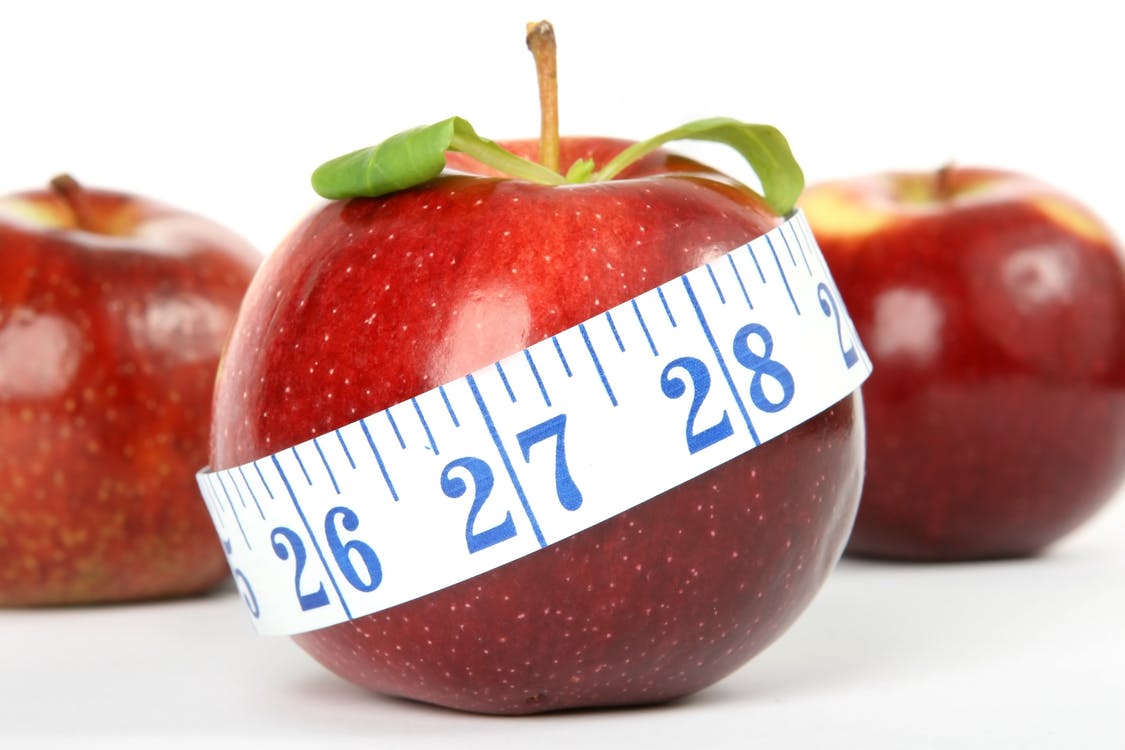
Low Carb and Low Calorie Diets May Affect Women’s Adrenals
WHY SUPER LOW CARB DIETS ARE NOT ALWAYS THE ANSWER. When considering Women Health and Diet, it’s important to understand why extreme dietary restrictions may not be suitable for everyone.
Your hormones are regulated by three major glands:
- Hypothalamus: located in your brain
- Pituitary: located in your brain
- Adrenals: located at the top of your kidneys
All three glands interact in complex ways to keep your hormones in balance. This is known as the hypothalamic-pituitary-adrenal (HPA) axis.
The HPA axis is responsible for regulating your stress levels, mood, emotions, digestion, immune system, sex drive, metabolism, energy levels, and more (3Trusted Source).
The glands are sensitive to things like calorie intake, stress, and exercise levels.
Long-term stress can cause you to overproduce the hormones cortisol and norepinephrine, creating an imbalance that increases pressure on the hypothalamus, pituitary, and adrenal glands (4Trusted Source).
This ongoing pressure may eventually lead to HPA axis dysfunction. Although you may have heard the term “adrenal fatigue” associated with similar health concerns from long-term stress, this is not a medical term and its use is controversial. The accepted medical term is HPA axis dysfunction (5Trusted Source, 6Trusted Source).
Symptoms of HPA axis dysfunction include sleep problems, a weakened immune system, and a greater risk of long-term health problems such as cardiovascular disease, stomach ulcers, and mental health conditions (7Trusted Source).
Studies of diet changes in people with obesity suggest eating too few calories can act as a stressor, increasing production of cortisol — commonly known as “the stress hormone.” However, many of these studies reported no problems with HPA axis function (2Trusted Source).
An older 2007 study found that, regardless of weight loss, a low carb diet increased cortisol levels compared to a moderate-fat, moderate-carb diet. But these researchers studied obese men only. More evidence is needed to understand the connection between diet and cortisol levels (8Trusted Source).
SUMMARY
Eating too few carbs or calories and experiencing chronic stress may disrupt the HPA axis, causing hormonal problems.
A low carb diet may cause irregular menstrual cycles or amenorrhea in some women
If your diet is very restrictive, you may experience irregular menstrual cycles or amenorrhea.
Amenorrhea is defined as the absence of a menstrual cycle for 3 months or more.
The most common cause of amenorrhea is functional hypothalamic amenorrhea, which can result from a very low calorie diet, disordered eating, losing weight, experiencing stress, or getting too much exercise. Restricting carbs could contribute to some of these causes (9Trusted Source).
Amenorrhea occurs as a result of the drop in levels of many hormones, such as gonadotropin-releasing hormone, which starts the menstrual cycle (9Trusted Source).
This results in a domino effect, causing a drop in the levels of other hormones such as luteinizing hormone, follicle-stimulating hormone, estrogen, progesterone, and testosterone (11Trusted Source).
These changes can slow some functions in the hypothalamus, the region of the brain responsible for hormone release.
A low level of leptin, a hormone produced by fat cells, is another potential cause of amenorrhea and irregular menstruation. Research suggests that women need a certain level of leptin to maintain normal menstrual function (12Trusted Source, 13Trusted Source).
If your carb or calorie consumption is too low, it may suppress your leptin levels and interfere with leptin’s ability to regulate your reproductive hormones. This is particularly true for underweight or lean women on a low carb diet.
In a 2021 narrative review of research on female athletes and their diets, the authors reported that female athletes often underconsume in calories, especially carbohydrates, and that this can affect menstruation and other important metabolic processes (14Trusted Source).
However, research on amenorrhea and low carb diets is still scarce. Studies that report amenorrhea as a side effect were usually done only in women following a predominately low carb diet for a long period of time (15Trusted Source).
One small 2003 study followed 20 teenage girls using a ketogenic (very low carb) diet to treat epilepsy. Researchers found that 45% experienced menstrual problems and 6 experienced amenorrhea during the 6-month study period (16Trusted Source).
SUMMARY
Following a very low carb (ketogenic) diet over a long period of time may cause irregular menstrual cycles or amenorrhea.
Carbs can be beneficial for thyroid function
Your thyroid gland produces two hormones: thyroxine (T4) and triiodothyronine (T3).
These two hormones are necessary for a wide range of bodily functions, including breathing, heart rate, the nervous system, body weight, temperature control, cholesterol levels, and the menstrual cycle.
In a study of people with breast cancer, the ketogenic diet in particular had no adverse effects on thyroid function. In fact, the diet had beneficial effects in that it significantly reduced levels of lactate and alkaline phosphatase (17Trusted Source).
However, other studies have found that carbohydrates can be beneficial for thyroid function and that consuming too few of them can actually lower thyroid hormone levels (18Trusted Source).
SUMMARY
Very low carb diets may cause a drop in thyroid function in some people. This may result in fatigue, weight gain, and low mood.
Having Health issues and need support??

What is the Cause of Disease? Inflammation is Key
What is the main cause of disease? Exploring the root causes of disease.
It's something everyone has, but some body's keep it contained better than others. There are many different causes of disease that can influence how well your body manages to keep illness at bay.
Inflammation is it's name.
Disease starts in the body with inflammation. Once inflammation is present for enough time it begins to wreck the body and a cascade of events follow.
How do you know you have it?
Inflammatory symptoms include: stiffness in the joints, swelling, fatigue, malaise, headaches... really any symptom that relates to not feeling well or having a discomfort or pain of some sort.
Inflammation - takes hold and then is the seed that grows any disease. Disease is just - a dis- ease , it's just when you don't feel right. LIke something is wrong or imbalanced.
The key to finding good health is to find the causes of inflammation and eliminating the source.
Here are a few reasons / sources of inflammation:
1. The Diet -
There are a variety of inflammatory foods - which include sugar, fried foods, alcohol, dairy, and any food that is not digested properly for that person. Processed foods have reduced nutritional value but also lack the anti oxidants needed to combat inflammation.
What to eat?
Stick to GOD made foods, not MAN made foods. Foods you can look at and recognize where it came from. Look at a asparagus - the ingredients are asparagus no nutritional label needed. Comparing it to a snack bar - can you easily name all the ingredients? Not so much.
2. Inflammatory bacteria in the gut -
It can start from birth exposures to antibiotics, not washing hands, bad contaminated foods, pets, rare or uncooked meats or fish. Inflammatory bacteria is pretty common, most have them.
Think of the intestines (the gut) as a garden. If you've ever had a garden you know weeds do creep in. Think of these inflammatory bacteria as 'weeds' in your intestines. If you've never taken an anti-microbial (anti-weeder) herbal supplement for your gut, then you have probably never weeded or eliminated the bad inflammatory bacteria from there.
This bacteria causes inflammation. Inflammation causes organ imbalance and receptor site absorption issues.
Bottom line- if you have inflammation then you have imbalance in your digestion, your hormones, your body. Period.
3. Stealthy Viruses -
Another source of inflammation - can be stealthy or hidden viruses in your system. Some can include - Epstein Barr Virus aka Mono, CMV, Herpes, and now possibly Covid.
These viruses usually are contained by your security system - aka your immune system. Typically the immune system can keep these viruses contained, however during times of stress - lack of sleep, not eating well, not drinking enough water - the cells that contain these viruses open up and release the viral load. Which strains the system and body making you feel cruddy.
The key is to find which viruses they are, give the body what it needs to increase it's security (improve immunity) so the security guards can find this invader(s) and lock them up for good.
Which is for you?
For some it is just one, some two, some all three.
Best to run some labs to determine what is the suspect and take it from there. As Naturopathic doctors we can read labs differently, not just looking for what is 'normal' but what is optimal. Then give the body what it needs to help fortify itself and eliminate the sources of inflammation.
Schedule online today for a free consultation. Get started on combating this inflammatory foe!
Ways to Decrease Toxin Exposure
WAYS TO DECREASE TOXIN EXPOSURE
Here are a few ways to lower toxin burden in you and your families bodys.
- BUY ORGANIC the 12 MOST toxic fruits and vegetables: peaches, apples, bell peppers, celery, blueberries, kale, nectarines, strawberries, cherries, pears, imported grapes, spinach, lettuce, potatoes.
- Freely eat all of the 15 LEAST toxic fruits and vegetables: onions, avocado, sweet corn, pineapples, mango, asparagus, sweet peas, kiwi fruit, cabbage, eggplant, cantaloupe, watermelon, grapefruit, sweet potato, honeydew melon (buy organic if possible).
- Avoid the fish with the highest mercury content (shark, swordfish, king mackerel, tuna, orange roughie, marlin, Chilean bass, lobster, halibut, snapper).
- Freely eat the fish with the lowest mercury content (Clam, Ocean perch, Alaskan salmon, tilapia, flounder, sole, catfish).
- Avoid ALL SUGAR – sugar reduces the ability of your liver to clear toxic compounds out of the blood stream (in addition to all the other bad things it does for your body).
- Consume broccoli and the other members of the brassica family daily. Broccoli has the highest amount of compounds in it that enhance your ability to clear toxins from your blood stream. It also has compounds that can balance estrogen metabolism.
- Get enough fiber! Consume foods high in fibers like veggies, berries, beans, and brown rice.
- Drink half your body weight in ounces of water daily - start your day with a glass of water first thing when you wake up.
- Drink green tea daily.
- Eliminate soda intake.
- Limit alcohol intake.
- Increase your levels of organic green foods (green leafy veggies) daily.
- Utilize a sauna to tolerance once a week.
- Have dry-cleaning air out in the garage or car trunk for 72 hours before bringing them into the house.
Detox Juice Recipe
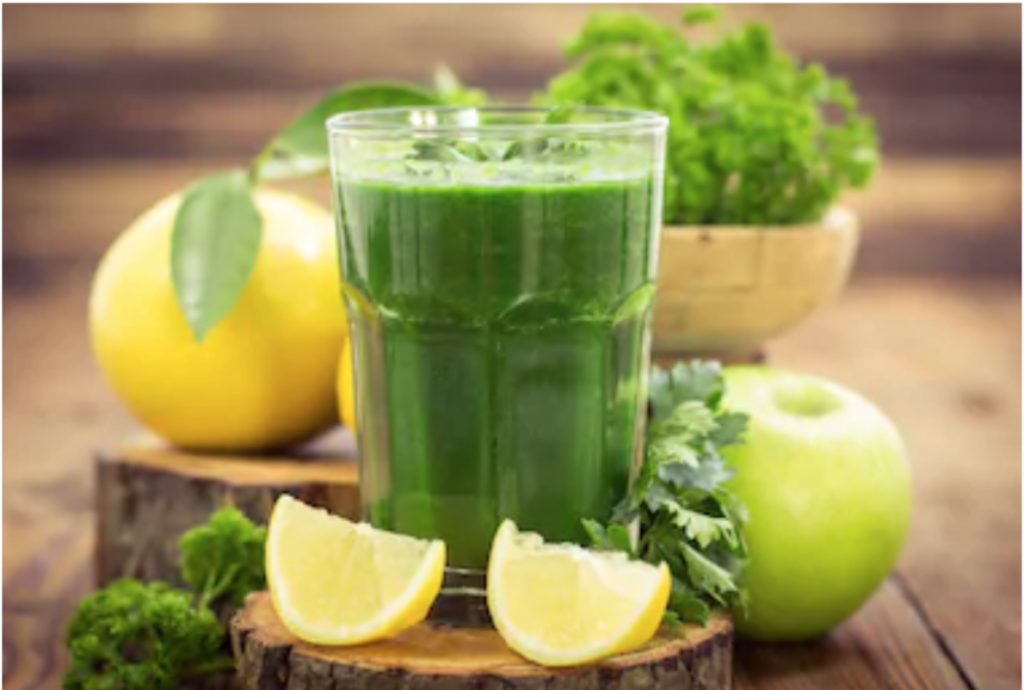
1⁄2 green apple
3 stalks celery, no leaves
1/2 lemon, peeled
1 piece fresh ginger
Handful of parsley
Sprig of mint (optional)
If you would like to learn more about healthy detox, losing toxic weight, and having more energy, call our office at (704) 543-5540 option 3 to schedule a complimentary 15 minute Discovery Call to learn about the different types of detox programs we offer.
Resources: EWG.ORG
Schedule your Discovery Call Today -
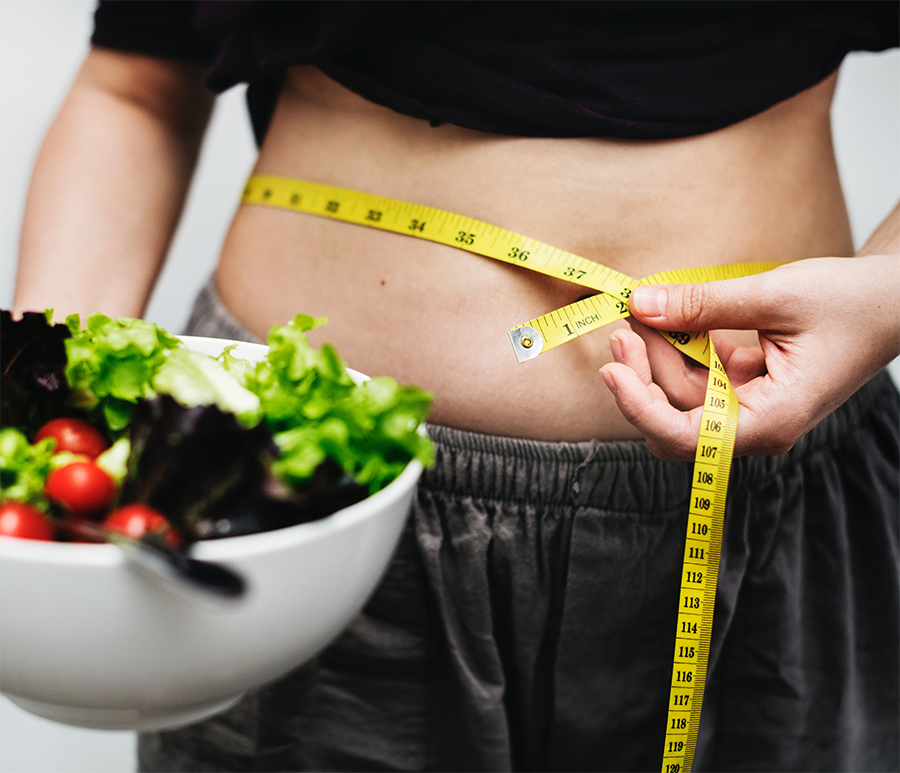
5 Ways to Lower Colon Cancer Risk
WAYS TO PREVENT COLON CANCER
Keeping a healthy lifestyle — can go a long way in preventing colorectal cancer and polyps, according to a new study. Here are some colon cancer prevention tips that may help reduce your risk.
Nearly a quarter of colorectal cancer cases could be prevented by sticking to these five lifestyle recommendations, said study researcher Dr. Anne Tjonneland, of the Institute of Cancer Epidemiology at the Danish Cancer Society in Copenhagen.
In the United States, the National Cancer Institute anticipates 51,370 deaths from colon and rectal cancers in 2010.
1. Stay Physically Active
According to the Danish study, the risk of colorectal cancer can be lowered by being physically active for more than 30 minutes every day.
2. Keep alcohol intake at a minimum.
having no more than seven drinks for a woman or 14 drinks for a man every week.
3. Do not smoke.
4. Keep your waistline smaller -
Having a waistline smaller than 35 inches (88 centimeters) for women and 40 inches (102 cm) for men.
5. Maintain a healthy diet.
Even modest differences in lifestyle habits can have a substantial impact on colorectal cancer risk, Tjonneland said.
The study was published online today (Oct. 26) in the British Medical Journal.
Stats from the Study:
The researchers surveyed 55,489 men and women between the ages of 50 and 64 over the course of nearly 10 years to learn about their lifestyle habits. By 2006, at the end of the 10-year period, 678 people had been diagnosed with colorectal cancer.
Researchers then compared how closely those with colorectal cancer and those without had adhered to the five lifestyle recommendations.
They found that if participants had adhered to all five lifestyle recommendations, 23 percent of the colorectal cancer cases could have been avoided. If all participants had followed just one of the recommendations, 13 percent of the colorectal cancer cases could have been avoided, the study said.
"What should be done as a next step would be to actually make people change their habits in an intervention study," Tjonneland told MyHealthNewsDaily.
The message isn't necessarily new, but the study itself is important because it looked at how lifestyle factors can act together to affect colorectal cancer risk, instead of looking at each factor on its own, said Dr. Jeffrey Meyerhardt, a colorectal cancer specialist at Dana-Farber Cancer Institute in Boston.
"It's been well-known that avoidance of obesity, increasing physical activity, certain dietary things, lack of smoking, reduction of alcohol are all things that can relatively reduce one's risk of developing cancer, but most papers individually look at each of these things," said Meyerhardt, who was not involved with the study.
Research published in 2000 in the journal Cancer Causes & Control found similar results. Harvard School of Public Health researchers found, in a study of 47,927 men ages 40 to 75, that those who adhered to a similar set of lifestyle recommendations had a lower colon cancer risk than those who didn't.
And a 2009 study published in the journal Colorectal Disease found a correlation between body mass index and colorectal cancer risk.
This article was provided by MyHealthNewsDaily, a sister site to LiveScience.
SCHEDULE ONLINE TODAY FOR DISCOVERY CALL -
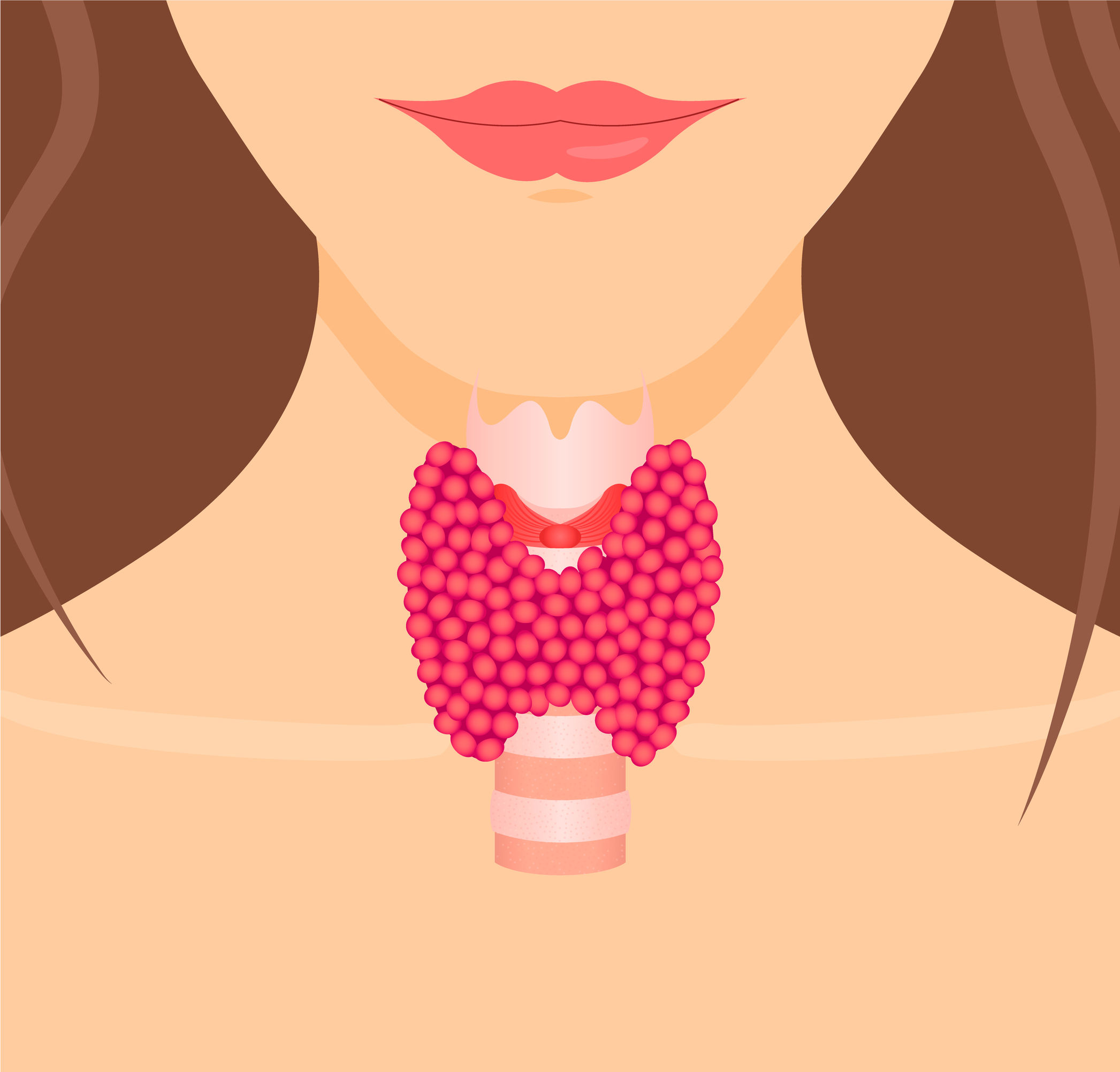
Understanding Thyroid Health
Tips for Improving Thyroid health -
If you experience fatigue, difficulty losing weight particularly around the belly, hair loss and bloating - you are not alone! These may be indicators that your thyroid may need some support. You may have had blood work done and told everything is fine, but you still don’t feel great.
There are solutions to thyroid health besides just medication! It’s important to take a look at the whole person and address the adrenal-brain-gut connection which includes lifestyle, stress levels, and diet.
Test your hormones
This goes beyond just TSH and Free T4 levels to evaluate thyroid function. Further testing includes a more detailed thyroid workup including vitamin D levels, cortisol, and also gut health.
Cortisol is your body’s built in stress management system produced by the adrenal glands. When under chronic stress, we can get stuck in fight or flight mode, which affects our sleep, energy, and also thyroid function via the HPA Axis. The HPA Axis is a communication pathway between the adrenal glands and pituitary gland in the brain. The pituitary gland makes TSH and then TSH tells your thyroid gland to make active thyroid hormones.
The liver produces vitamin D and also converts thyroid hormone into its active form. The liver stimulates the production of bile which binds to toxins and wastes. One of the symptoms of hypothyroidism is constipation, which means proper detoxification and removal of toxins and wastes from the body is slow. This why having a bowel movement every day is important!
Stress management
The brain communicates with the gut via the Vagas nerve - the body’s build in stress reliever. When there is chronic stress, people may experience changes in stools and feeling of bloating. Many hypothyroid patients experience constipation, while hyperthyroid patients experience looser stools. There are ways to activate this nerve for stress management through breathing exercises. Even a quick couple of minutes of deep, slow breathing can help!
Other lifestyle areas to focus on are: getting quality sleep, moving everyday, and having a mindfulness practice.
Thyroid nutrition and gut health
Diet also plays a role in thyroid health. Hyperthyroid and hypothyroid patients have foods that affect them differently. For example, gluten and goitrogenic foods can disrupt thyroid function. Having a healthy gut microbiome can impact how you tolerate and digest the foods you’re eating and affect neurotransmitters that are made in the gut. Having an increase in inflammatory gut bacteria can disturb hormones (including thyroid hormones), mood, sleep, mental clarity, and energy levels.
Case study
I worked with a patient who came in for Hashimoto’s hypothyroidism. We started with looking at her thyroid panel: TSH, Free T4, Free T3, and antibodies. We worked on her diet for some time in addition to adding in supportive supplements. She improved some, but it wasn’t until we added in the gut health piece though testing and lifestyle changes that she started to notice bigger improvements in her energy, decreased her medication dosage, had reduced hair fall, and started noticing that her clothes fit looser!
Learn more in this pre-recorded webinar by Dr. Monica Vaghela.
Take the first step and call our office or schedule online for a complimentary 15 minute discovery call to see how we can help you formulate an individualized plan to improve energy, reduce belly bloating, and lose weight naturally!
Sources:
- Optimizing the HPA Axis: https://ndnr.com/anxietydepressionmental-health/optimizing-the-hpa-axis/
- Optimizing Thyroid Function: https://ndnr.com/mindbody/optimizing-thyroid-function/
Schedule your Discovery Call Today -
Thyroid Health : How to tell if your thyroid is not optimal.
Essential Tips for Thyroid Health
“I have had my thyroid tested, and everything is “normal”, but I have ALL the thyroid symptoms!! “ If you're searching for solutions, these Thyroid Health Tips may help you manage your symptoms.
It is quite often I hear from patients who have classical thyroid symptoms, but normal lab work.
If you are experiencing constipation, weight gain with diminished food intake, cold intolerance, poor circulation, fluid retention, ringing of the ears, poor memory, fatigue, dry skin, and hair loss along with slow thinking; you have a thyroid imbalance! Even if your lab work is ‘normal’ !
If your body is producing abnormal and uncomfortable symptoms, then there is something wrong or imbalanced in your body! It is your body’s way of telling you that something is off and not working well with your body. It is imperative that something be done. So what should you do?
3 Things that are wrecking your thyroid:
1. Chlorine:
Chlorine, which is commonly used in tap water, pool water, and bleaching products, can imbalance your thyroid can wreak havoc on your life. Sounds pretty intense, eh? Well the reason for it, is that this chemical actually is a bully. It’s a bully to iodine, who is a friend of the thyroid. Without iodine, the thyroid hormone is not activated from T4 to T3, causing low active thyroid levels or low thyroid symptoms.
Chlorine sources are tap water, pool water, and other chlorine products like bleach exposure from laundry and cleaning. The most common source is tap water especially when showering. Most people take warm or hot steamy showers which open up pores and increase absorption. Really anything contacting the skin is absorbed into the blood stream in seconds. So if the water you are showering in is full of chlorine, that chlorine is going to be absorbed into your blood stream.
What should you do about it?
Get a filter for your shower head that reduces if not avoids the chlorine from the water. You can find them at lowe’s or home depot, they run about $30. They are also found online just click here. Remember to change the filters every 3 months instead of the six months that they recommend (especially if you live in the Charlotte area due to the high chlorine levels).
Other things you can do:
Shower before you go in a swimming pool. The natural oils on your skin actually increase absorption of chlorine in the pool, so washing them off helps to decrease absorption of the chlorine.
2. Avoid Gluten or Wheat Products
Those with any tendency for thyroid issues, in my experience, will have issues with gluten. Gluten is the protein in bread that makes bread bounce and have that spongy quality about it.
Many people these days are having multiple issues with digesting gluten, and that is why many people are becoming ‘gluten free’. The reason why gluten is harder to digest than it was years ago is due to the genetic modifications that are occurring with it aka GMOs. Each year the wheat industry splices and dices the DNA of the wheat into a hybrid that will produce more and be less susceptible to pests and bugs, allowing more profit for the wheat growers.
This change in DNA makes gluten less recognizable for digestion. The body simply doesn’t know what it is, it can recognize it. Things that are non-recognizable are known as invaders and are attacked. Making it less digestible. If it’s not being digested well – it is more inflammatory to the body. More inflammation = more issues overall.
If something is not digested well then there is more of it floating in the blood stream. Now the body doesn’t like things in the blood stream so what it will do is start dumping this ‘garbage’ in the weakest organ or gland.
Sometimes this is the heart, other times it can be the thyroid. Over time the body will begin to attack the gland or organ and thus turns into an autoimmune condition.
If it’s surrounding the thyroid it’s called ‘Hashimotos’ if it’s in the joints its arthritis possibly Rheumatoid arthritis. Any autoimmune condition can be tied to this.
So bottom line if you have thyroid symptoms – avoid gluten and other genetically modified foods (like soy and corn and soon to be rice).
3. Imbalances & Deficiencies
Every organ or gland in your body runs on nutrients for fuel. These nutrients come from your diet – yikes! What most people eat these days is mostly devoid of any nutrients.
So when an organ does not get the nutrients it needs it becomes imbalanced. Imbalanced organs produce symptoms. It’s really their way of saying, ‘I need help, what can I do to get your attention?” Symptoms are the body’s way of telling you that something is wrong and it needs support.
The thyroid needs a variety of different nutrients including iodine, selenium, various minerals, along with herbs and possibly glandulars to help rebuild and restore.
It’s hard when someone asks me, ‘What can I do , I have hypothyroidism or Hashimotos?” It’s not an easy answer because everyone is different and everyone has these conditions for different reasons. It could be a toxicity issue, a food sensitivity, immune issue, or just a deficiency and unless I have a chance to see that person and get more information, it’s like throwing darts – you never really know where they will land you just hope you hit the bullseye!
So if you are struggling with thyroid issues and your labs are normal or not, give me a call and I can help. Feel free to visit our website - www.CharlotteNaturalWellness.com
We will get you on the ‘Natural Path’ to better more optimal health!! "Helping Tired Moms & Dads Since 2007"
Schedule your Discovery Call today!

11 Signs and Symptoms of Too Much Stress
Stress is defined as a state of mental or emotional strain caused by adverse circumstances.
At one point or another, most people deal with feelings of stress. In fact, one study found that 33% of adults reported experiencing high levels of perceived stress (1Trusted Source).
The condition is associated with a long list of physical and mental symptoms.
This article will look at 11 common signs and symptoms of stress.

1. Acne
Acne is one of the most visible ways that stress often manifests itself.
When some people are feeling stressed out, they tend to touch their faces more often. This can spread bacteria and contribute to the development of acne.
Several studies have also confirmed that acne may be associated with higher levels of stress.
One study measured acne severity in 22 people before and during an exam. Increased levels of stress as a result of the exam were associated with greater acne severity (2Trusted Source).
Another study of 94 teenagers found that higher stress levels were associated with worse acne, especially in boys (3Trusted Source).
These studies show an association, but don’t account for other factors that may be involved. Further research is needed to look at the connection between acne and stress.
In addition to stress, other potential causes of acne include hormonal shifts, bacteria, excess oil production and blocked pores.
Summary Some studies have found that higher
levels of stress are associated with increased acne severity.
2. Headaches
Many studies have found that stress can contribute to headaches, a condition characterized by pain in the head or neck region.
One study of 267 people with chronic headaches found that a stressful event preceded the development of chronic headaches in about 45% of cases (4Trusted Source).
A larger study showed that increased stress intensity was associated with an increase in the number of headache days experienced per month (5Trusted Source).
Another study surveyed 150 military service members at a headache clinic, finding that 67% reported their headaches were triggered by stress, making it the second most common headache trigger (6Trusted Source).
Other common headache triggers include lack of sleep, alcohol consumption and dehydration.
Summary Stress is a common trigger for headaches.
Many studies have found that increased stress levels are associated with
increased headache frequency.
3. Chronic Pain
Aches and pains are a common complaint that can result from increased levels of stress.
One study made up of 37 teenagers with sickle cell disease found that higher levels of daily stress were associated with increases in same-day pain levels (7Trusted Source).
Other studies have shown that increased levels of the stress hormone cortisol may be associated with chronic pain.
For example, one study compared 16 people with chronic back pain to a control group. It found that those with chronic pain had higher levels of cortisol (8Trusted Source).
Another study showed that people with chronic pain had higher levels of cortisol in their hair, an indicator of prolonged stress (9Trusted Source).
Keep in mind that these studies show an association but don’t look at other factors that may be involved. Furthermore, it’s unclear if stress contributes to chronic pain or vice versa, or if there’s another factor that causes both.
Besides stress, there are many other factors that can contribute to chronic pain, including conditions such as aging, injuries, poor posture and nerve damage.
Summary Some studies have found that chronic pain
may be associated with higher levels of stress as well as increased levels of
cortisol.
4. Frequent Sickness
If you feel like you’re constantly battling a case of the sniffles, stress may be to blame.
Stress may take a toll on your immune system and can cause increased susceptibility to infections.
In one study, 61 older adults were injected with the flu vaccine. Those with chronic stress were found to have a weakened immune response to the vaccine, indicating that stress may be associated with decreased immunity (10Trusted Source).
In another study, 235 adults were categorized into either a high- or low-stress group. Over a six-month period, those in the high-stress group experienced 70% more respiratory infections and had nearly 61% more days of symptoms than the low-stress group (11Trusted Source).
Similarly, one analysis looking at 27 studies showed that stress was linked to increased susceptibility of developing an upper respiratory infection (12Trusted Source).
More research on humans is needed to understand the complex connection between stress and immunity.
However, stress is just one piece of the puzzle when it comes to immune health. A weakened immune system can also be the result of a poor diet, physical inactivity and certain immunodeficiency disorders like leukemia and multiple myeloma.
Summary Stress may take a toll on your immune
system. Studies show that higher stress levels are associated with increased
susceptibility to infection.
5. Decreased Energy and Insomnia
Chronic fatigue and decreased energy levels can also be caused by prolonged stress.
For example, one study of 2,483 people found that fatigue was strongly associated with increased stress levels (13Trusted Source).
Stress may also disrupt sleep and cause insomnia, which can lead to low energy.
One small study found that higher levels of work-related stress were associated with increased sleepiness and restlessness at bedtime (14Trusted Source).
Another study of 2,316 participants showed that experiencing a higher number of stressful events was significantly associated with an increased risk of insomnia (15Trusted Source).
These studies show an association, but they don’t account for other factors that may have played a role. Further research is needed to determine if stress can directly cause decreased energy levels.
Other factors that may play a role in decreased energy levels include dehydration, low blood sugar, a poor diet or an underactive thyroid.
Summary Stress is associated with fatigue and
disruptions in sleep, which may result in decreased energy levels.
6. Changes in Libido
Many people experience changes in their sex drives during stressful periods.
One small study evaluated the stress levels of 30 women and then measured their arousal while watching an erotic film. Those with high levels of chronic stress experienced less arousal compared to those with lower stress levels (16Trusted Source).
Another study made up of 103 women found that higher levels of stress were associated with lower levels of sexual activity and satisfaction (17Trusted Source).
Similarly, one study looked at 339 medical residents. It reported that high levels of stress negatively impacted sexual desire, arousal and satisfaction (18Trusted Source).
There are many other potential causes of changes in libido, including hormonal changes, fatigue and psychological causes.
Summary Some studies have found that higher
levels of stress are associated with less sexual desire, arousal and
satisfaction.
7. Digestive Issues
Digestive problems like diarrhea and constipation can also be caused by high levels of stress.
For example, one study looked at 2,699 children and found that exposure to stressful events was associated with an increased risk of constipation (19Trusted Source).
Stress may especially affect those with digestive disorders such as irritable bowel syndrome (IBS) or inflammatory bowel disease (IBD). These are characterized by stomach pain, bloating, diarrhea and constipation.
In one study, higher daily stress levels were associated with increased digestive distress in 181 women with IBS (20Trusted Source).
Additionally, one analysis of 18 studies that investigated the role of stress on inflammatory bowel disease noted that 72% of studies found an association between stress and digestive symptoms (21Trusted Source).
Although these studies show an association, more studies are needed to look at how stress may directly impact the digestive system.
Also, keep in mind that many other factors can cause digestive issues, such as diet, dehydration, physical activity levels, infection or certain medications.
Summary Some studies have found that stress may
be associated with digestive issues like constipation and diarrhea, especially
in those with digestive disorders.
8. Appetite Changes
Changes in appetite are common during times of stress.
When you feel stressed out, you may find yourself either with no appetite at all or ravenously raiding the refrigerator in the middle of the night.
One study of college students found that 81% reported that they experienced changes in appetite when they were stressed out. Of these, 62% had an increase in appetite, while 38% experienced a decrease (22).
In a study of 129 people, exposure to stress was associated with behaviors like eating without being hungry (23Trusted Source).
These changes in appetite may also cause fluctuations in weight during stressful periods. For example, a study of 1,355 people found that stress was associated with weight gain in overweight adults (24Trusted Source).
While these studies show an association between stress and changes in appetite or weight, more studies are needed to understand whether other factors are involved.
Other possible causes of appetite changes include the use of certain medications or drugs, hormonal shifts and psychological conditions.
Summary Studies show there may be an association
between changes in appetite and stress levels. For some, higher levels of
stress may also be associated with weight gain.
9. Depression
Some studies suggest that chronic stress may contribute to the development of depression.
One study of 816 women with major depression found that the onset of depression was significantly associated with both acute and chronic stress (25Trusted Source).
Another study found that high levels of stress were associated with higher levels of depressive symptoms in 240 adolescents (26Trusted Source).
In addition, a study of 38 people with non-chronic major depression found that stressful life events were significantly associated with depressive episodes (27Trusted Source).
Remember that these studies show an association, but don’t necessarily mean that stress causes depression. More research is needed on the role of stress in the development of depression.
Besides stress, other potential contributors to depression include family history, hormone levels, environmental factors and even certain medications.
Summary Some studies have found that high levels
of stress may be associated with depression and depressive episodes.
10. Rapid Heartbeat
A fast heartbeat and increased heart rate can also be symptoms of high stress levels.
One study measured heart rate reactivity in response to stressful and non-stressful events, finding that heart rate was significantly higher during stressful conditions (28Trusted Source).
Another study in 133 teenagers found that undergoing a stressful task caused an increase in heart rate (29Trusted Source).
In a similar study, exposing 87 students to a stressful task was found to increase heart rate and blood pressure. Interestingly enough, playing relaxing music during the task actually helped prevent these changes (30Trusted Source).
A rapid heartbeat may also be caused by high blood pressure, thyroid disease, certain heart conditions, and by drinking large amounts of caffeinated or alcoholic beverages.
Summary Several studies have shown that high
stress levels can cause a fast heartbeat or heart rate. Stressful events or
tasks may also increase heart rate.
11. Sweating
Exposure to stress may also cause excess sweating.
One small study looked at 20 people with palmar hyperhidrosis, a condition characterized by excess sweating in the hands. The study assessed their rate of sweating throughout the day using a scale from 0–10.
Stress and exercise both significantly increased the rate of sweating by two to five points in those with palmar hyperhidrosis, as well as in the control group (31Trusted Source).
Another study found that exposure to stress resulted in high amounts of sweating and odor in 40 teenagers (32Trusted Source).
Excess sweating can also be caused by anxiety, heat exhaustion, thyroid conditions and the use of certain medications.
Summary Studies show that stress
may cause increased sweating, for both people with sweating conditions like
palmar hyperhidrosis and the general population.
The Bottom Line
Stress is something that most people will experience at one point or another.
It can take a toll on many aspects of health and has a wide range of symptoms, including reducing energy levels and triggering headaches or chronic pain.
Fortunately, there are many ways to help relieve stress, such as practicing mindfulness, exercising and doing yoga.
CALL US TODAY TO HELP GET ON SUPPORTIVE SUPPLEMENTS TO GET YOU THROUGH THIS STRESSFUL TIME-
704-543-5540 OR CLICK HERE TO SCHEDULE ONLINE

18 Terrific Foods to Help Relieve Stress
If you’re feeling stressed, it’s only natural to seek relief.
While occasional bouts of stress are difficult to avoid, chronic stress can take a serious toll on your physical and emotional health. In fact, it may increase your risk of conditions like heart disease and depression (1Trusted Source, 2Trusted Source, 3Trusted Source, 4Trusted Source).
Interestingly, certain foods and beverages may have stress-relieving qualities.
Here are 18 stress-relieving foods and beverages to add to your diet.

1. Matcha powder
This vibrant green tea powder is popular among health enthusiasts because it’s rich in L-theanine, a non-protein amino acid with powerful stress-relieving properties.
Matcha is a better source of this amino acid than other types of green tea, as it’s made from green tea leaves grown in shade. This process increases its content of certain compounds, including L-theanine (5Trusted Source).
Both human and animal studies show that matcha may reduce stress if its L-theanine content is high enough and its caffeine is low (6Trusted Source).
For example, in a 15-day study, 36 people ate cookies containing 4.5 grams of matcha powder each day. They experienced significantly reduced activity of the stress marker salivary alpha-amylase, compared with a placebo group (7Trusted Source).
2. Swiss chard
Swiss chard is a leafy green vegetable that’s packed with stress-fighting nutrients.
Just 1 cup (175 grams) of cooked Swiss chard contains 36% of the recommended intake for magnesium, which plays an important role in your body’s stress response (8Trusted Source, 9Trusted Source).
Low levels of this mineral are associated with conditions like anxiety and panic attacks. Plus, chronic stress may deplete your body’s magnesium stores, making this mineral especially important when you’re stressed (10Trusted Source).
3. Sweet potatoes
Eating whole, nutrient-rich carb sources like sweet potatoes may help lower levels of the stress hormone cortisol (11Trusted Source).
Although cortisol levels are tightly regulated, chronic stress can lead to cortisol dysfunction, which may cause inflammation, pain, and other adverse effects (12Trusted Source).
An 8-week study in women with excess weight or obesity found that those who ate a diet rich in whole, nutrient-dense carbs had significantly lower levels of salivary cortisol than those who followed a standard American diet high in refined carbs (13Trusted Source).
Sweet potatoes are a whole food that makes an excellent carb choice. They’re packed with nutrients that are important for stress response, such as vitamin C and potassium (14Trusted Source).
4. Kimchi

Kimchi is a fermented vegetable dish that’s typically made with napa cabbage and daikon, a type of radish. Fermented foods like kimchi are packed with beneficial bacteria called probiotics and high in vitamins, minerals, and antioxidants (15Trusted Source).
Research reveals that fermented foods may help reduce stress and anxiety. For example, in a study in 710 young adults, those who ate fermented foods more frequently experienced fewer symptoms of social anxiety (16Trusted Source).
Many other studies show that probiotic supplements and probiotic-rich foods like kimchi have beneficial effects on mental health. This is likely due to their interactions with your gut bacteria, which directly affect your mood (17Trusted Source).
5. Artichokes
Artichokes are an incredibly concentrated source of fiber and especially rich in prebiotics, a type of fiber that feeds the friendly bacteria in your gut (18Trusted Source).
Animal studies indicate that prebiotics like fructooligosaccharides (FOSs), which are concentrated in artichokes, may help reduce stress levels (19Trusted Source).
Plus, one review demonstrated that people who ate 5 or more grams of prebiotics per day experienced improved anxiety and depression symptoms, as well as that high quality, prebiotic-rich diets may reduce your risk of stress (20Trusted Source).
Artichokes are also high in potassium, magnesium, and vitamins C and K, all of which are essential for a healthy stress response (14Trusted Source, 21Trusted Source).https://3451b02bc90ac9dced121690a5e0e3da.safeframe.googlesyndication.com/safeframe/1-0-38/html/container.html
6. Organ meats
Organ meats, which include the heart, liver, and kidneys of animals like cows and chickens, are an excellent source of B vitamins, especially B12, B6, riboflavin, and folate, which are essential for stress control.
For example, B vitamins are necessary for the production of neurotransmitters like dopamine and serotonin, which help regulate mood (22Trusted Source, 23Trusted Source).
Supplementing with B vitamins or eating foods like organ meats may help reduce stress. A review of 18 studies in adults found that B vitamin supplements lowered stress levels and significantly benefited mood (22Trusted Source).
Just 1 slice (85 grams) of beef liver delivers over 50% of the Daily Value (DV) for vitamin B6 and folate, over 200% of the DV for riboflavin, and over 2,000% of the DV for vitamin B12 (24Trusted Source).
7. Eggs
Eggs are often referred to as nature’s multivitamin because of their impressive nutrient profile. Whole eggs are packed with vitamins, minerals, amino acids, and antioxidants needed for a healthy stress response.
Whole eggs are particularly rich in choline, a nutrient found in large amounts in only a few foods. Choline has been shown to play an important role in brain health and may protect against stress (25Trusted Source).
Animal studies note that choline supplements may aid stress response and boost mood (25Trusted Source).
8. Shellfish

Shellfish, which include mussels, clams, and oysters, are high in amino acids like taurine, which has been studied for its potential mood-boosting properties (26Trusted Source).
Taurine and other amino acids are needed to produce neurotransmitters like dopamine, which are essential for regulating stress response. In fact, studies indicate that taurine may have antidepressant effects (26Trusted Source).
Shellfish are also loaded with vitamin B12, zinc, copper, manganese, and selenium, all of which may help boost mood. A study in 2,089 Japanese adults associated low intakes of zinc, copper, and manganese with depression and anxiety symptoms (27Trusted Source).
9. Acerola cherry powder
Acerola cherries are one of the most concentrated sources of vitamin C. They boast 50–100% more vitamin C than citrus fruits like oranges and lemons (28Trusted Source).
Vitamin C is involved in stress response. What’s more, high vitamin C levels are linked to elevated mood and lower levels of depression and anger. Plus, eating foods rich in this vitamin may improve overall mood (29Trusted Source, 30Trusted Source, 31Trusted Source).
Although they can be enjoyed fresh, acerola cherries are highly perishable. As such, they’re most often sold as a powder, which you can add to foods and beverages.
10. Fatty fish
Fatty fish like mackerel, herring, salmon, and sardines are incredibly rich in omega-3 fats and vitamin D, nutrients that have been shown to help reduce stress levels and improve mood.
Omega-3s are not only essential for brain health and mood but may also help your body handle stress. In fact, low omega-3 intake is linked to increased anxiety and depression in Western populations (32Trusted Source, 33Trusted Source, 34Trusted Source).
Vitamin D also plays critical roles in mental health and stress regulation. Low levels are associated with an increased risk of anxiety and depression (35Trusted Source, 36Trusted Source).
11. Parsley
Parsley is a nutritious herb that’s packed with antioxidants — compounds that neutralize unstable molecules called free radicals and protect against oxidative stress.
Oxidative stress is associated with many illnesses, including mental health disorders like depression and anxiety. Studies suggest that a diet rich in antioxidants may help prevent stress and anxiety (37Trusted Source).
Antioxidants can also help reduce inflammation, which is often high in those with chronic stress (38Trusted Source).
Parsley is especially rich in carotenoids, flavonoids, and volatile oils, all of which have powerful antioxidant properties (39Trusted Source).
12. Garlic
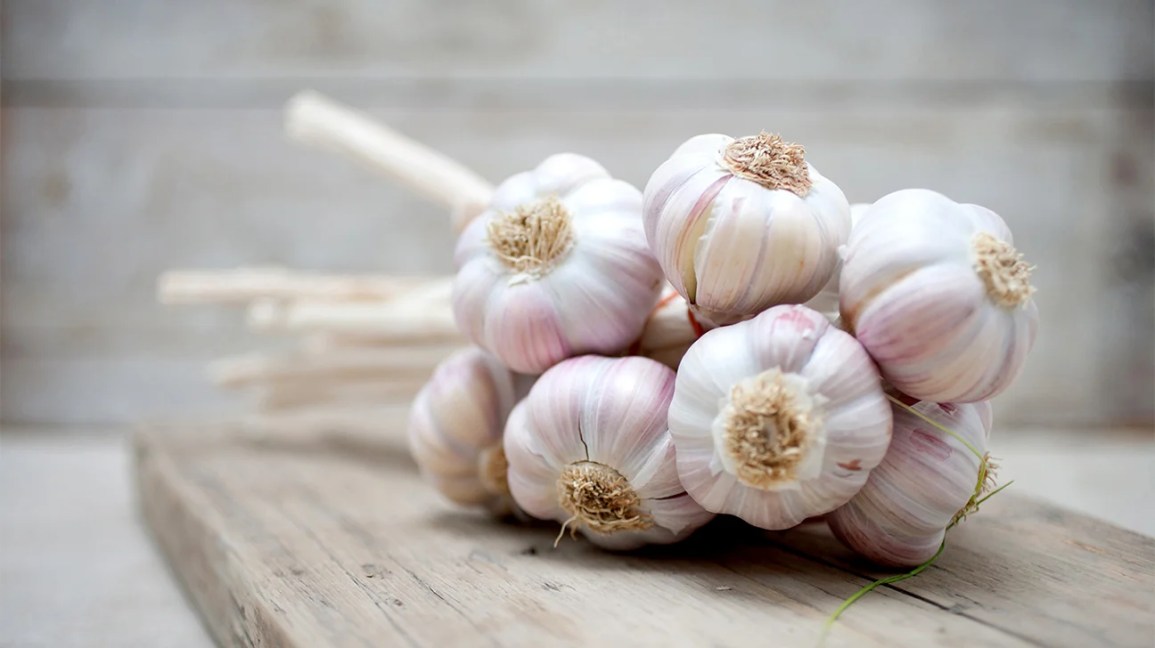
Garlic is high in sulfur compounds that help increase levels of glutathione. This antioxidant is part of your body’s first line of defense against stress (40Trusted Source).
What’s more, animal studies suggest that garlic helps combat stress and reduce symptoms of anxiety and depression. Still, more human research is needed (41Trusted Source, 42).
How to Peel Garlic
How To Peel: Garlichttps://imasdk.googleapis.com/js/core/bridge3.473.0_en.html#goog_245142036Volume 0%
13. Tahini
Tahini is a rich spread made from sesame seeds, which are an excellent source of the amino acid L-tryptophan.
L-tryptophan is a precursor of the mood-regulating neurotransmitters dopamine and serotonin. Following a diet high in tryptophan may help boost mood and ease symptoms of depression and anxiety (14Trusted Source).
In a 4-day study in 25 young adults, a high tryptophan diet led to better mood, decreased anxiety, and reduced depression symptoms, compared with a diet low in this amino acid (43Trusted Source).
14. Sunflower seeds
Sunflower seeds are a rich source of vitamin E. This fat-soluble vitamin acts as a powerful antioxidant and is essential for mental health.
A low intake of this nutrient is associated with altered mood and depression (44Trusted Source).
Sunflower seeds are also high in other stress-reducing nutrients, including magnesium, manganese, selenium, zinc, B vitamins, and copper (45Trusted Source).
15. Broccoli
Cruciferous vegetables like broccoli are renowned for their health benefits. A diet rich in cruciferous vegetables may lower your risk of certain cancers, heart disease, and mental health disorders like depression (46Trusted Source, 47Trusted Source, 48Trusted Source).
Cruciferous vegetables like broccoli are some of the most concentrated food sources of some nutrients — including magnesium, vitamin C, and folate — that have been proven to combat depressive symptoms (48Trusted Source).
Broccoli is also rich in sulforaphane, a sulfur compound that has neuroprotective properties and may offer calming and antidepressant effects (49Trusted Source, 50Trusted Source, 51Trusted Source).
Additionally, 1 cup (184 grams) of cooked broccoli packs over 20% of the DV for vitamin B6, a higher intake of which is tied to a lower risk of anxiety and depression in women (52Trusted Source, 53Trusted Source).
16. Chickpeas

Chickpeas are packed with stress-fighting vitamins and minerals, including magnesium, potassium, B vitamins, zinc, selenium, manganese, and copper.
These delicious legumes are also rich in L-tryptophan, which your body needs to produce mood-regulating neurotransmitters (54Trusted Source).
Research has found that diets rich in plant proteins like chickpeas may help boost brain health and improve mental performance (55Trusted Source).
In a study in over 9,000 people, those who followed a Mediterranean diet rich in plant foods like legumes experienced better mood and less stress than those who followed a typical Western diet rich in processed foods (56Trusted Source).
17. Chamomile tea
Chamomile is a medicinal herb that has been used since ancient times as a natural stress reducer. Its tea and extract have been shown to promote restful sleep and reduce symptoms of anxiety and depression (57Trusted Source, 58Trusted Source).
An 8-week study in 45 people with anxiety demonstrated that taking 1.5 grams of chamomile extract reduced salivary cortisol levels and improved anxiety symptoms (59Trusted Source).
18. Blueberries
Blueberries are associated with a number of health benefits, including improved mood (60Trusted Source, 61Trusted Source).
These berries are high in flavonoid antioxidants that have powerful anti-inflammatory and neuroprotective effects. They may help reduce stress-related inflammation and protect against stress-related cellular damage (62Trusted Source).
What’s more, studies have shown that eating flavonoid-rich foods like blueberries may safeguard against depression and boost your mood (60Trusted Source, 63Trusted Source).
The bottom line
Numerous foods contain nutrients that may help you reduce stress.
Matcha powder, fatty fish, kimchi, garlic, chamomile tea, and broccoli are just a few that may help.
Try incorporating some of these foods and beverages into your diet to naturally promote stress relief.
CALL TODAY TO MAKE AN APPOINTMENT - FOR MORE PERSONALIZED STRESS RELIEF AND SUPPORT - 704-543-5540

11 Foods to increase GOOD Cholesterol (HDL) ❤
By Guest writer - Katherine Marengo LDN, reviewed by Dr. Michelle Dillon
What is HDL?
When you think of cholesterol, you probably think of “bad” or high cholesterol. But there’s also a “good” type of cholesterol that your body needs.
High-density lipoprotein (HDL) is the good kind of cholesterol and the kind you want. Low-density lipoprotein (LDL) is the bad kind of cholesterol and the kind you want to keep in check. HDL, LDL, and triglycerides — a type of fat carried in the blood — make up total cholesterol levels.
HDL is like a vacuum cleaner for cholesterol in the body. When it’s at healthy levels in your blood, it removes extra cholesterol and plaque buildup in your arteries and then sends it to your liver. Your liver expels it from your body. Ultimately, this helps reduce your risk of heart disease, heart attack, and stroke.
Keep reading to learn more about HD and what foods you should be eating to raise your HDL ratio in relation to total cholesterol.
What are good HDL levels?
The American Heart Association recommends getting a cholesterol blood test by age 20. It’s a good idea to talk to your doctor about getting one sooner if you’re at risk for heart conditions or overweight or obese.
An ideal HDL levelTrusted Source is 60 milligrams/deciliter (mg/dL) or above. Your HDL is considered low if it’s below 40 mg/dL. You should aim to have an HDL level between 40 and 60 mg/dL, but over 60 mg/dL is optimal.
How does food affect cholesterol?
A bagel with cream cheese for breakfast, a piece of fried chicken for lunch, a steak sautéed in butter for dinner, and a bowl of ice cream at night aren’t ideal for your cholesterol. These are sources of saturated and trans fat. They can increase your LDL and total cholesterol levels.
The things that increase HDL are actually not food, but several medical and environmental factors. Avoiding the following increases your HDL:
- obesity
- sedentary lifestyle
- type 2 diabetes
- inflammation
- smoking
Some hormones increase HDL concentrations, such as estrogen or thyroid hormone. Exercise and moderate alcohol consumption are associated with higher HDL, too.
The right food choices can lower your LDL levels, which improves your HDL to LDL ratio.
The Mediterranean diet is a good place to start. Research has shown it’s associated with better cholesterol and overall health. Start incorporating the following Mediterranean-style and HDL-friendly foods into your daily diet.
1. Olive oil
The type of heart-healthy fat found in olives and olive oil can lower the inflammatory impact of LDL cholesterol on your body.
Use extra-virgin olive oil instead of other oils and fats when cooking at low temperatures, since extra-virgin olive oil breaks down at high temperatures.
Use extra-virgin olive oil in salad dressings, sauces, and to flavor foods once they’re cooked. Sprinkle chopped olives on salads or add them to soups, like this Sicilian fish soup.
Just be sure to use extra-virgin olive oil in moderation, since it’s high in calories.
2. Beans and legumes
Like whole grains, beans and legumes are a great source of soluble fiber. Reach for black beans, black-eyed peas, kidney beans, navy beans, lentils, and others.
Canned beans contain about half as much folate as cooked dry beans. Folate is an important B vitamin that’s healthy for your heart.
Beans and legumes are great in side dishes, like in a Cajun corn and kidney bean salad, or in soup, like this Italian-style white bean and kale soup.
3. Whole grains
Whole grains, including bran, cereals, and brown or wild rice, may lower your LDL and total cholesterol. This in turn gives your HDL levels a percentage boost. That’s because these foods contain fiber — specifically soluble fiber, which is shown to help lower LDL.
Have at least two servings of whole grains per day. That could be as simple as a comforting bowl of oatmeal for breakfast, 100 percent whole-grain bread at lunch, and a side of brown rice at dinner.
4. High-fiber fruit
Fruits with a lot of fiber, such as prunes, apples, and pears, can lower your LDL level, and raise your HDL level.
Slice them up and stir them into cereal or oatmeal, or throw them into your blender and create a delicious smoothie. They’re just as great plain, too, either as a midafternoon snack or an after-dinner treat.ADVERTISEMENTCheck your vitamin levels with a micronutrient test
Omega-3 fatty acids, which are found in fish, can lower your LDL. Look for fattier options, such as:
- salmon
- mackerel
- albacore tuna
- sardines
- rainbow trout
Aim for two servings of fish per week.
If you don’t like fish or can’t eat enough fish to fulfill your omega-3 goals, ask your doctor about fish-oil or krill-oil supplements. These over-the-counter supplements can deliver more than 1,000 mg of omega-3-rich oil in each pill. However, they still don’t deliver the same benefits as the food itself.
6. Flax
Ground flax seeds and flaxseed oil also contain omega-3 fatty acids. Many vegetarians use flax seed as a source of omega-3 fatty acids because they’re one of the better plant-based sources of this heart-healthy fat.
Make sure to buy ground flax seed. Whole flax seeds are almost impossible for your body to break down. This means they pass through your body largely intact and never leave behind any of their nutrients.
Ground flax seed can be sprinkled onto your morning cereal, oatmeal, salads, dips, or yogurt, or added to baked goods. Flaxseed oil is a welcome addition to salad dressings or smoothies.
7. Nuts
Nuts, including Brazil nuts, almonds, pistachios, peanuts, and others, are filled with heart-healthy fats. They’re also high in fiber and contain a substance called plant sterols. Plant sterols block the absorption of cholesterol in your body.
Eat an ounce or two for a snack or incorporate them into meals. Try this banana and walnut smoothie for a nutritious breakfast, or steam-sautéed green beans with almonds and parsley for an easy but elegant side dish.
Just remember that if you’re watching your calories, keep your nut portions in check with a measuring cup or scale, since they’re high in calories.
8. Chia seeds
Chia seeds are a good source of plant-based omega-3 fatty acids, fiber, and other healthy nutrients. Adding chia seeds to your diet may help lower LDL levels and decrease blood pressure.
Like flax seeds, chia seeds are great when added to cereal, oatmeal, dips, salads, yogurt, or smoothies.
Unlike flax seeds, however, chia seeds can develop a somewhat slimy texture when they’re wet. If that’s a problem for you, consume chia seeds immediately or try adding them to your baked goods in place of eggs.
Today, because it’s growing in popularity, chia seeds are available in many food products at the grocery store.
9. Avocado
The food world’s new favorite fruit is also one of the healthiest. Avocados are high in folate and monounsaturated fat. This healthy type of fat lowers LDL and reduces your risk for stroke, heart attack, and heart disease. They’re also filled with fiber, which naturally helps keep cholesterol in check.
Add slices of avocado to salads, soups, chilis, or sandwiches. Guacamole is a great option, too. Just be sure to reach for low-calorie dippers, like carrots, radishes, and tomatoes, instead of high-calorie, high-salt tortilla chips.
10. Organic Fermented Soy
Soy-based products aren’t just for vegetarians. Incorporating this food into your diet is a great way to reduce your meat consumption. When people eat less meat, their LDL levels will most likely decrease, and their HDL levels will most likely increase.
However, it’s possible that the positive benefit seen between soy and cholesterol levels is the result of eating less meat and eating more heart-healthy food, not because of soy specifically.
Steamed, unsalted edamame makes a great appetizer. This edamame spread is a healthier dip option for a party or gathering.
Extra-firm tofu grills beautifully, and this tofu vegetable kebab recipe will please even your meat-loving friends. Avoid the processed soy meats and cheeses, as they are heavily processed and therefore not as healthy.
11. Red wine
Drinking moderate amounts of alcohol, including red wine, has been shown to slightly raise HDL levels. It’s also been shown to lower your risk of heart disease. A moderate amount of alcohol is defined as just one glass per day for women and two glasses per day for men.
However, red wine shouldn’t be consumed if you also have high triglycerides. If you don’t already drink, you shouldn’t start just for the heart-healthy benefits. The link between heart disease and alcohol reported in many studies may be due to other lifestyle factors, such as physical activity and diet, rather than alcohol.
Also, other foods such as grapes or red grape juice may contain some of the same components found in red wine that are suggested to reduce the risk of heart disease. Talk with your doctor about your drinking habits and whether they put you at an increased risk for any other condition.
Other ways to improve your cholesterol levels
Eating the right foods can help you reduce your bad cholesterol and improve your good cholesterol, but it’s not the only thing you should be doing to reach your desired levels. Here are some other steps you can take:
Get moving
Daily exercise is one of the best natural ways to boost your HDL. If you’re new to exercise, start slow. Aim for 10 to 15 minutes of walking a few times a week. Slowly build up to at least 30 minutes of vigorous walking at least five times per week.
Losing weight
One of the benefits of exercise could be weight loss. Reducing your weight can help raise your HDL and lower your LDL cholesterol levels.
Analyze your genetics
Sometimes, despite all your efforts, you’ll still struggle with healthy cholesterol levels. Genetics can play a big role in your cholesterol levels, so speak with your doctor about your personal risks and what you can do to address them.
Take care of your digestive system
CALL TODAY TO SCHEDULE - 704-543-5540 OR USE THIS LINK TO SCHEDULE
CHOLESTEROL AND BLOOD PRESSURE TREAMENT PACKAGE- $725 labs included - & 3 visits - call today! (supplements not included)