

Perimenopause & Menopause, what's the difference?
In this article, we'll explore the Perimenopause vs Menopause difference and what it means for your health.
PERIMENOPAUSE VS MENOPAUSE - HOW TO KNOW THE DIFFERENCE?
Perimenopause is the time period in which women transition from premenopause (the reproductive years) into menopause. Typically, these changes occur between the ages of 40 and 51 and usually last about 4 years. The Perimenopause vs Menopause difference is important to understand for managing health in this phase.
Perimenopause ends 1 year after a woman’s last menstrual period, at which point she is officially in menopause.1 Symptoms of perimenopause can be mild, such as slight changes to the menstrual cycle, or much more severe, including heavy periods and debilitating mood swings.
I love treating women in this phase of their lives, as they are so often misunderstood and undertreated by the conventional medical community. Most women do not realize that, due to the extreme hormonal fluctuations of perimenopause, the experience can be rockier and more challenging than menopause itself, emphasising that understanding the Perimenopause vs Menopause difference helps guide better support.
Women who do seek help from their primary-care provider or OB-GYN are often prescribed an antidepressant or oral contraceptives to manage their symptoms. Some women will not even mention their symptoms to their doctors because they believe they have to “tough it out” or that there is nothing that can safely help. That is absolutely not true.
Naturopathic medicine has many tools for supporting this patient population. A thorough evaluation of the thyroid, adrenal, and reproductive hormones, as well as an assessment of the gastrointestinal system and the influence of environmental toxins, can be very helpful in determining a course of treatment that will help bring vitality and optimum health into the lives of these women.
Onset & Symptoms
Perimenopause can begin anytime between a woman’s late 30s and early 40s. Many women are caught by surprise when these changes start to occur, as they assume they are too young to be having hormonal issues. . Many women in this age group are busy – raising children, building careers, caring for aging parents – so when they start to experience changes to their health, they will often overlook them, assuming they are due to inevitable age-related decline.
Perimenopause is highly symptomatic for about 20% of women; however, almost all women experience symptoms to some degree.2 The complaint I most often hear in my office is, “I don’t feel like myself anymore.” The details of this statement can include any or all of the following:
- Weight gain (especially around the middle) in spite of good diet and exercise
- Insomnia and sleep disturbances
- Loss of libido and sexual function
- Hot flashes and night sweats
- Heavy and frequent periods
- Breast tenderness and enlargement
- Headaches and migraine
- Inability to tolerate alcohol
- Insulin resistance
- Mood changes, including anxiety, depression, and irritability
- Dry and thinning hair
- Dry skin, loss of elasticity of facial skin
- Onset or worsening of “estrogen dominance” symptoms, such as uterine fibroids, fibrocystic breast disease, ovarian cysts, and endometriosis
Evaluation
Blood
Blood testing is useful for determining ovarian reserve, thyroid function, iron deficiency, and vitamin D status. If the menstrual cycle has started to become irregular, then a cycle day-3 blood panel including follicle-stimulating hormone (FSH), luteinizing hormone (LH), and estradiol can provide valuable data on menopausal status. A fasting panel for lipids, insulin, and HbA1c can highlight risk factors for cardiovascular and metabolic diseases that increase for women at menopause. Specialized blood tests can rule out chronic infections, food allergies, leaky gut, and other potential contributors to the symptom picture. (I will include these in an initial work-up if history and clinical presentation indicate that symptoms may be due to factors outside of age-appropriate hormonal shifts.) To clarify, Perimenopause vs Menopause difference is clinically monitored through hormone testing and symptoms.
Saliva
We use salivary testing to assess cortisol rhythm and bioavailable levels of the reproductive hormones. Because of the variability of hormone levels throughout the day, a 4-point collection allows for a more accurate average of daily production. Laboratory testing will often reveal a decline in progesterone, due to intermittent ovulation. But because the ovaries are still producing estrogen, a relative “estrogen dominance” can result. This can lead to many of the most common symptoms, in addition to an increased risk of endometrial hyperplasia and cancer.3 During the 2-10 years before true menopause, estrogen levels can fluctuate wildly. Most women in perimenopause have higher estrogen levels than women in their 20s and 30s.4 The most symptomatic women have both higher estrogen and lower progesterone.5 Furthermore, knowing the Perimenopause vs Menopause difference helps tailor treatment plans accordingly.
Gastrointestinal
Functional stool testing allows us to evaluate levels of beneficial vs pathogenic bacteria, intestinal immune function, overall intestinal health, and inflammation. Since many chronic disorders stem from digestive imbalances and inadequate nutrient absorption, assessing the microbiome can be very helpful in clearing the path to successful hormonal treatments.
Environmental Medicine
Endocrine disruptors, such as toxic chemicals, mycotoxins, tick-borne illnesses, heavy metals, and chronic infections, can influence hormonal function and exacerbate imbalances. A thorough intake and possibly a specialized questionnaire will help clarify whether these factors should be investigated. It is increasingly common to see hormonal disruption in females of all ages as a result of, or at least influenced by, environmentally acquired illnesses.
HAVING HORMONAL ISSUES? schedule your discovery call today!!


Standing on one foot, strengthens bones
Written by :: Jacob Schor, ND, FABNO, an article from NDNR (Naturopathic Doctor News & Review)
There’s a new exercise to prevent hip fractures in the elderly. It is the simplest, easiest, lowest-cost intervention yet proposed. It is so simple of an exercise and so quick to perform, a person can do it while standing on one foot. Actually, that’s all it is: standing on one foot.
Historical Perspective
The expression “while standing on one foot” refers to the ability to do something quickly and easily. For example, we might say, “David Schleich, president of NCNM, can fund raise money for his school while standing on one foot.”
This is an ancient expression, though, that crosses languages yet retains its meaning. Horace used it in his Satires, written in 35 BC, to describe the poet Lucilius (translated): “In an hour he used to dictate 200 verses, a great feat, standing on one foot.” (Satires 1.4.9-10).
It shows up in the Talmud as well, also first century BC. Hillel, a rabbi who lived in Jerusalem, was accosted by a skeptic asking Hillel to teach him the meaning of the Torah while standing on one foot. Hillel’s famous reply was, “That which is hateful to you, do not do to your fellow. That is the whole Torah; the rest is the explanation … “ (Talmud, Shabbat 31a).
Recent Research
In the October 2006 issue of the Journal of Orthopaedic Science, Sakamoto and colleagues reported on the effect of unipedal standing on frequency of falls and hip fractures in an elderly population.
The “unipedal standing balance exercise” used as a therapeutic intervention was simple: Stand on each leg for a minute with eyes open three times a day. If necessary, patients could hold onto something so they didn’t fall.
The researchers recruited subjects with an average age just less than 82 years and randomized them, some to serve as controls and some to do the ”exercise.“ The number of falls and hip fractures for a six-month period was tracked. Data was collected for 315 unipedal standers and 212 control subjects that presumably rarely stood on one foot.
The 315 subjects in the exercise group recorded 118 falls in the six-month test period. The 212 control subjects recorded 121 falls. There was one hip fracture in each group. The difference in number of falls was statistically significant, but not the number of fractures (Sakamoto, 2006).
Decreasing Hip Fractures
There are two basic ways to decrease hip fractures: prevent falls and strengthen the bone.
Various approaches have been tried to prevent falls. For example, Tai Chi exercises were all the rage a few years back when early studies suggested they decreased the risk of falling significantly. A February 2008 analysis of earlier studies found the data “not convincing” (Lee, 2008). An even more recent review, published in April 2008, suggests that Tai Chi may have some benefit for “relatively young and non-frail” individuals (Low, 2008).
Most interventions suggested for strengthening bones seem to involve making the patient swallow something. Medical doctors have their list of drugs, and we NDs have our lists of supplements. In addition, all of us tell our patients to perform plenty of weight-bearing exercise. Some patients do, but most don’t.
Sakamoto published another article on unipedal standing in the December 2006 issue of Clinical Calcium, which reported that unipedal standing increases the weight load on the femoral head by a factor of 2.75 compared to standing on two legs.
Bone density and bone strength are improved by stress to the bone. That’s why we encourage weight-bearing exercise. It strengthens the bone. Yet to increase bone density by walking, a person has to walk hard; a casual stroll doesn’t work. An October 2007 article in Bone suggests that exercise “sufficient for increases in leg muscle mass and preservation of BMD in postmenopausal women” required “exercise intensities above … 74% of VO2 max, and walking speeds above 6.14km/h.” Only exercise above this provided what is adequate “… mechanical loading … 1.22 times body weight” needed to strengthen the bone (Borer, 2007).
Unipedal Standing as “Exercise”
Unipedal standing produces twice this minimum mechanical loading. By Sakamoto’s calculations, standing on one foot for one minute would have an effect on bone density equivalent to walking for 53 minutes (Sakamoto, 2006).
Repeating this exercise three times a day would have an effect equivalent to taking three almost hour-long walks a day. For older people who are not that mobile, unipedal standing is an interesting option.
Unipedal standing does the two things we want: It improves balance, decreasing spontaneous falls by about one-third. It also strains the bone, mimicking weight-bearing exercise, in theory, strengthening the bone and decreasing the chance of fracture if a person falls.
For those people who are too frail for rigorous workouts or even walking, unipedal standing offers an alternative “exercise.” For those who exercise routinely, a few minutes standing on one foot may still provide added advantage.
There’s little profit incentive for this research, but it’s my hope to see further studies from Sakamoto and his colleagues on unipedal standing. In the meantime, what is it going to cost to get people to stand on one foot a few minutes a day?
Unipedal standing is an example of what I call “simplex res,” or a simple thing. Today, much of what we do in practice relies on complex testing and treatments. It seems as if our profession is being seduced by more and more complicated approaches to treating disease. In contrast to this trend, simple things, such as unipedal standing, are particularly attractive to me.
CALL TODAY TO SCHEDULE 704-543-5540

4 "Weird" Period Issues That Are Totally Normal
By Guest Writer - Korin Miller

Periods are inherently kind of weird. After all, if you bled for five to seven days in any other situation, it would be cause for serious panic.
But there are some things that can happen during your period that are definitely freaky. How do you know whether it’s a normal occurrence or time to call your doctor? We got Nancy Herta, M.D., an ob-gyn at Michigan State University, to weigh in. According to Dr. Herta, you shouldn’t freak out if you notice these weird—but totally normal—issues during
You Have a Huge Blood Clot
Sure, it’s freaky when a massive clot lands in your toilet but Dr. Herta says it’s not uncommon. “Often blood will collect in your vagina and form a clot,” Dr. Herta says. “It’s really normal.” That’s why you may notice clots more after you stretch it between tampon changes, she explains.
Your Period Suddenly Stops
This can happen for a number of reasons, but Dr. Herta says it may be due to the fact that you didn’t ovulate that cycle which can happen on occasion. “When that happens, your period will be heavier or lighter than usual,” she says. It’s not cause for concern: Dr. Herta says it’s “completely normal."
You Get a Gush of Blood When You Stand Up
Gross? Yes. Normal? Yep. “If you’ve been lying down or sitting for a long period of time, blood will collect in your vagina,” Dr. Herta explains. “When you get up, that pool of blood will come out.”
It’s a Little Smelly Down There
Sure, it’s not the best part of having your period, but sometimes a funky odor can develop. Luckily, you can do something about it—try changing your tampon or pad more often. “Any time you have old blood that just sits there, it will start to break down and smell,” Dr. Herta explains.
Of course, some weird period issues are actually a sign that something’s off. Dr. Herta recommends talking to your doctor if your cycles are really irregular, meaning they have more than a 10-day variation, or if you’re in serious pain each month during your period. Also, if you bleed heavily and feel lightheaded, dizzy, or nauseous, you should speak up—it could be a sign that you’re anemic during your cycle.
But Dr. Herta stresses that every woman’s period is different, and there are variations within that. “Everybody has a different range of ‘normal,’” she says. If you notice something that’s outside of that range, it doesn’t hurt to flag it to your doctor.
HAVE PERIOD ISSUES? WANT SOME HELP? GIVE US A CALL 704-543-5540

Thyroid & your Pulse - What you should know!
The thyroid is a bow tie shaped gland that is in the neck. It helps to regulate a plethora of functions in the body. Did you know there is a thyroid receptor in EVERY cell in the body?
SO - knowing that - IF your thyroid is not OPTIMAL, your health WILL suffer!!
Did you know MOST physical routine blood work- most PCP's ONLY run 1 marker, that checks for thyroid?
There are SO many more markers to determine thyroid health.
I usually run at least 4 if not 7 or 8.
Each marker tells me - what is going on, how much hormone your body is producing, AND if you are converting your home made thyroid INTO the ACTIVE form.
It's all very complex, but so important to check.
BUT something cool I recently learned- while listening to a lecture.
Your PULSE can tell you a bit about how well your thyroid hormone is being absorbed.
WHY? HOW?
Well that shows again how the thyroid has it's hand in so many systems in the body. Especially the heart function.
So- take your pulse for 1 minute - and write the number down. Or for y'all that have a smart watch that does it for you, then get your average pulse.
If the number is between 70-79- you are fine and dandy.
If your pulse is higher than 80 and into the 90s - well darn, you are getting TOO Much thyroid. And we need to adjust that, either too much medication OR your body is stressed for some reason. And more work needs to be done to determine the WHY underneath.
If your pulse is low - and slow - under 70- even in the 60s or 50s , then my friend you can use some more thyroid hormone or thyroid support of some sort.
WANT TO LEARN MORE?
WANT TO RUN A FULL THYROID PANEL?
Give us a call or schedule an appointment - 704-543-5540
P.S. - Here's a pic of my dad and I - I'm super excited, as both my parents will be in town next week :) Looking forward in seeing them!!

Heart Health Webinar
Ways to prevent heart disease risk.
Webinar by: Dr. Monica Vaghela
Do You Know Your Risk?
Did you realize heart disease is the leading cause of death in developed countries? One of the reasons this is so concerning is because heart disease has several known risk factors that can be reduced with a few lifestyle changes.
When it comes to heart health, knowing your risks can make all the difference! Some risk factors for heart disease according to The American Heart Association include lifestyle factors such as tobacco smoking and physical inactivity, health factors such as high blood pressure or cholesterol, and conditions such as obesity and diabetes.
Knowing your risks play a crucial role in improving your heart health. Many of these factors can be improved with a few lifestyle changes. As the saying goes, “An ounce of prevention is worth a pound of cure.” This is especially true when talking about heart disease.
Knowledge is Power
Our goal for this important webinar is to discuss in detail what heart disease is, who is at risk, and some natural approaches to reducing your risk. The class will focus on the positive effects of diet and exercise, as well as other heart-healthy options to get you started.
You can look forward to learning specific foods to avoid and tasty recipes to incorporate into your diet offering protective benefits. From breakfast to dessert, we’ve got you covered! We’ll also share physical activity tips to get you moving.
Better Health Is Just A Click Away
There are numerous benefits for reducing your risks of cardiovascular disease. For example, lowering your blood pressure is associated with a reduced risk of stroke, improved vision, and a boost in kidney health. Just a 5% reduction in weight not only improves your heart health, but it can also reduce your risk of diabetes, lower your cholesterol and blood pressure, and so much more.
Needless to say, following heart-healthy techniques will inevitably improve your overall health! Health is important at all ages and stages of life. No matter where your state of health lies, you can benefit from learning about heart health.
Keep your heart health with these quick and easy health tips.
What to eat, what to ditch.
TIPS on keep that pump of yours pumping to prevent disease and tragedy.
Schedule today for a discovery call to get started on your prevention journey.

Ayuveda
Written by: Monica Vaghela, ND
What if I told you that you could tailor-make your own plan based on your unique mind-body type?
The ancient science of Ayurveda recognizes that every person is born differently with different mental inclinations and physical tendencies that affect the way they retain weight, think about exercise, and process thoughts and emotions.
Click here to listen to her WEBINAR on

5 Scary Ways Alcohol Damages the Brain
sourced from: Dr. Amen Clinic.com
Commented by: Dr. Michelle Dillon
SO many times you hear articles promoting the health benefits of alcohol, but this specific article caught my eye. With alcohol intake up 33% and liquor stores busier than ever, I thought it wise to share this article with you.
1. Shrinks brain volume
People who drink just 1-7 drinks per week have smaller brains than nondrinkers, according to a 2008 study at Johns Hopkins that appeared in Archives of Neurology. This same research found that people who have 2 or more drinks per day have even more brain shrinkage. Changes in the brain can occur early. A 2020 study in Scientific Reports found that moderate drinking was associated with lower total brain volume in early middle age (ages 39-45) in both males and females. Research on adolescents and alcohol consumption in Developmental Cognitive Neuroscience showed that those who became heavy drinkers between the ages of 12-17 compared to those who did not drink alcohol started out with less brain volume and lost even more brain volume over time. When it comes to the brain, size matters!
2. Lowers blood flow to the brain
The brain scans of heavy drinkers show reduced overall blood flow to the brain. The brain uses 20% of the blood flow in your body and it is critical for healthy brain function. When levels are low it can lead to a laundry list of problems—brain fog, poor decision-making, trouble concentrating, impulsivity, and more. It’s especially important to know that low blood flow on brain scans is the #1 predictor of future memory problems and Alzheimer’s disease.

3. Causes atrophy of the hippocampus (critical brain region)
Drinking 1-2 glasses of wine a day, which is considered “moderate” drinking, leads to atrophy in the hippocampus, according to a 30-year study of 550 women and men that was published in 2017 in BMJ. The hippocampus is a critical brain region for learning and memory. In this study, people who had 4 or more drinks per day were 6 times more likely to have atrophy in this critically important region of the brain compared with nondrinkers, and moderate drinkers had 3 times the risk. The researchers noted that they found no protective effects from light drinking. And higher alcohol use was also linked to changes in the microstructure of the corpus callosum, a thick bundle of nerve fibers that connect the two hemispheres of the brain and that is involved in allowing both sides of the brain to communicate effectively.
4. Reduces the number of new brain cells
Excessive alcohol consumption lowers the generation of new brain cells, especially in the hippocampus, according to animal research presented at Neuroscience in 2009. In the study, monkeys that consumed alcohol experienced a 58% decline in the number of new brain cells formed and a 63% reduction in the survival rate of new brain cells.
5. Increases the risk of dementia
Compared with non-drinkers and light drinkers, moderate to heavy drinkers have a 57% higher risk of dementia, according to research in The Journals of Gerontology, Series A. Drinking can literally make you lose your mind.
ALCOHOL ABUSE AND THE BRAIN
In people who abuse alcohol, the impacts on the brain can be even greater. A wealth of evidence, including findings in a 2016 review in Frontiers in Psychiatry, suggests that certain brain regions, such as the prefrontal cortex (involved in decision-making, impulse control, planning, and follow-through) and the hippocampus (involved in memory, mood, and learning), experience the most damage from long-term abuse of alcohol.
BRAIN REHAB PROGRAM
Although these findings paint a grim picture of alcohol’s impact on the brain, the effects don’t have to be permanent. You are not stuck with the brain you have.
To rehab your brain, follow these tips:
- Stop poisoning your brain with alcohol.
- Love your brain.
- Fuel your brain with nutrient-dense foods.
- Avoid sugar in all its forms.
- Eliminate things that lower blood flow, including too much caffeine or smoking.
- Learn to kill the ANTs (automatic negative thoughts) that steal your happiness.
Better your overall health -
Call for an appointment with us today - 704-543-5540

12 Foods That Are Very High in Omega-3
Written by Guest Writer: Freydis Hjalmarsdottir, MS
Omega-3 fatty acids have various benefits for your body and brain.
Many mainstream health organizations recommend a minimum of 250–500 mg of omega-3s per day for healthy adults (1Trusted Source, 2Trusted Source, 3).
You can get high amounts of omega-3 fats from fatty fish, algae, and several high-fat plant foods.
Here is a list of 12 foods that are very high in omega-3.
1. Mackerel (4,107 mg per serving)
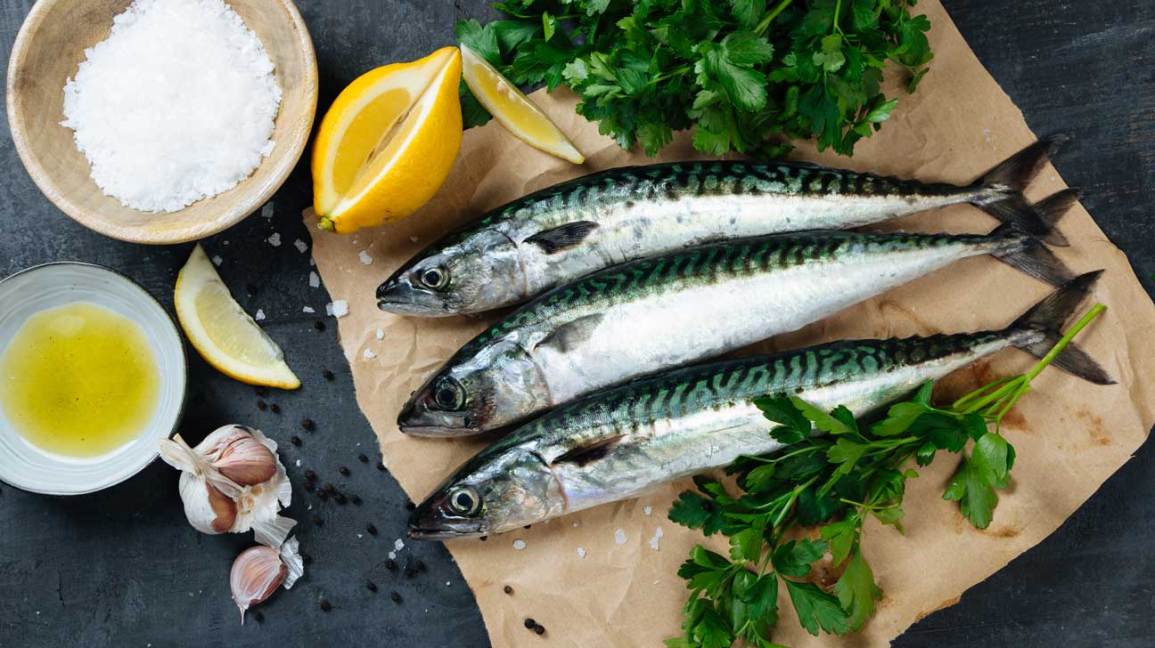
Mackerel are small, fatty fish.
In Western countries, they are commonly smoked and eaten as whole fillets.
Mackerel are incredibly rich in nutrients — a 3.5-ounce (100-gram) serving packs 200% of the Reference Daily Intake (RDI) for vitamin B12 and 100% for selenium (4Trusted Source).
What’s more, these fish are delicious and require little preparation.
Omega-3 content: 4,107 mg in one piece of salted mackerel, or 5,134 mg per 3.5 ounces (100 grams) (4Trusted Source)
2. Salmon (4,123 mg per serving)
Salmon is one of the most nutrient-dense foods on the planet.
It contains high-quality protein and a variety of nutrients, including large amounts of vitamin D, selenium, and B vitamins (5Trusted Source, 6Trusted Source).
Studies show that people who regularly eat fatty fish, such as salmon, have a lower risk of diseases like heart disease, dementia, and depression (7Trusted Source, 8Trusted Source, 9Trusted Source, 10Trusted Source).
Omega-3 content: 4,123 mg in half a fillet of cooked, farmed Atlantic salmon, or 2,260 mg in 3.5 ounces (100 grams) (5Trusted Source)
3. Cod liver oil (2,682 mg per serving)
Cod liver oil is more of a supplement than a food.
As the name implies, it is oil extracted from the livers of codfish.
This oil is not only high in omega-3 fatty acids but also loaded with vitamins D and A, with a single tablespoon providing 170% and 453% of the RDIs, respectively (11Trusted Source).
Therefore, taking just one tablespoon of cod liver oil more than satisfies your need for three incredibly important nutrients.
However, don’t take more than one tablespoon at a time, as too much vitamin A can be harmful.
Omega-3 content: 2,682 mg per tablespoon (11Trusted Source)
4. Herring (946 mg per serving)
Herring is a medium-sized, oily fish. It is often cold-smoked, pickled, or precooked, then sold as a canned snack.
Smoked herring is a popular breakfast food in countries like England, where it’s served with eggs and called kippers.
A standard smoked fillet contains almost 100% of the RDI for vitamin D and selenium and 221% of the RDI for vitamin B12 (12Trusted Source).
Omega-3 content: 946 mg per medium fillet (40 grams) of kippered Atlantic herring, or 2,366 mg per 3.5 ounces (100 grams) (12Trusted Source)
5. Oysters (370 mg per serving)

Shellfish are among the most nutritious foods you can eat.
In fact, oysters contain more zinc than any other food on the planet. Just 6 raw eastern oysters (3 ounces or 85 grams) pack 293% of the RDI for zinc, 70% for copper, and 575% for vitamin B12 (13Trusted Source, 14Trusted Source).
Oysters can be eaten as an appetizer, snack, or whole meal. Raw oysters are a delicacy in many countries.
Omega-3 content: 370 mg in 6 raw, eastern oysters, or 435 mg per 3.5 ounces (100 grams) (13Trusted Source)
6. Sardines (2,205 mg per serving)
Sardines are very small, oily fish that are commonly eaten as a starter, snack, or delicacy.
They’re highly nutritious, especially when eaten whole. They contain almost every nutrient your body needs.
3.5 ounces (100 grams) of drained sardines provide over 200% of the RDI for vitamin B12, 24% for vitamin D, and 96% for selenium (15Trusted Source).
Omega-3 content: 2,205 mg per cup (149 grams) of canned Atlantic sardines, or 1,480 mg per 3.5 ounces (100 grams) (15Trusted Source)
7. Anchovies (951 mg per serving)
Anchovies are tiny, oily fish often bought dried or canned.
Usually eaten in very small portions, anchovies can be rolled around capers, stuffed in olives, or used as pizza and salad toppings.
Because of their strong taste, they are also used to flavor many dishes and sauces, including Worcestershire sauce, remoulade, and Caesar dressing.
Anchovies are a great source of niacin and selenium, and boned anchovies are a decent source of calcium (16Trusted Source).
Omega-3 content: 951 mg per can (2 ounces, or 45 grams) of canned European anchovies, or 2,113 mg per 3.5 ounces (100 grams) (16Trusted Source)
8. Caviar (1,086 mg per serving)
Caviar consists of fish eggs, or roe.
Widely regarded as a luxurious food item, caviar is most often used in small quantities as a starter, taster, or garnish.
Caviar is a good source of choline and rich source of omega-3 fatty acids (17Trusted Source).
Omega-3 content: 1,086 mg per tablespoon (14.3 grams), or 6,786 mg per 3.5 ounces (100 grams) (17Trusted Source)
9. Flax seeds (2,350 mg per serving)
Flax seeds are small brown or yellow seeds. They are often ground, milled, or used to make oil.
These seeds are by far the richest whole-food source of the omega-3 fat alpha-linolenic acid (ALA). Therefore, flaxseed oil is often used as an omega-3 supplement.
Flax seeds are also a good source of in fiber, magnesium, and other nutrients. They have a great omega-6 to omega-3 ratio compared with most oily plant seeds (18Trusted Source, 19Trusted Source, 20Trusted Source, 21Trusted Source).
Omega-3 content: 2,350 mg per tablespoon (10.3 grams) of whole seeds, or 7,260 mg per tablespoon (13.6 grams) of oil (18Trusted Source, 19Trusted Source)
10. Chia seeds (5,060 mg per serving)
Chia seeds are incredibly nutritious — they’re rich in manganese, selenium, magnesium, and a few other nutrients (22Trusted Source).
A standard 1-ounce (28-gram) serving of chia seeds contains 5 grams of protein, including all eight essential amino acids.
Omega-3 content: 5,060 mg per ounce (28 grams) (22Trusted Source)
11. Walnuts (2,570 mg per serving)
Walnuts are very nutritious and loaded with fiber. They also contain high amounts of copper, manganese, vitamin E, as well as important plant compounds (23Trusted Source).
Make sure not to remove the skin, as it packs most of walnuts’ phenol antioxidants, which offer important health benefits.
Omega-3 content: 2,570 mg per ounce (28 grams), or about 14 walnut halves (23Trusted Source)
*** HAVE OTHER HEALTH ISSUES?
GIVE US A CALL - 704-543-5540

One of the most important things that can improve your health AND your relationships
A quick video by: Misty Lawrence, licensed counselor & Dr. Michelle Dillon
The Secrets of Never Getting Sick
Written by Guest Writer : Dr. Debra Rose Wilson, Edited by Dr MIchelle Dillon
Overview
Most secrets to good health aren’t secrets at all, but common sense. For example, you should avoid contact with bacteria and viruses at school and work. But a whole host of other feel-good solutions can help you live healthier while avoiding that runny nose or sore throat. Here are 12 tips for preventing colds and the flu.
1. Eat green vegetables
Green, leafy vegetables are rich in vitamins that help you maintain a balanced diet — and support a healthy immune system. According to a study of mice, eating cruciferous vegetables sends a chemical signal to the body that boosts specific cell-surface proteins necessary for efficient immune-system function. In this study, healthy mice deprived of green vegetables lost 70 to 80 percent of cell-surface proteins.
2. Get Vitamin D
Reports indicate that many Americans fall short of their daily vitamin D requirements. Deficiencies in vitamin D may lead to symptoms such as poor bone growth, cardiovascular problems, and a weak immune system.
Results from a 2012 study in the journal Pediatrics suggest that all children should be checked for adequate vitamin D levels. This is especially important for those with dark skin, since they don’t get vitamin D as easily from exposure to sunlight.
Foods that are good sources of vitamin D include egg yolks, mushrooms, salmon, canned tuna, and beef liver. You can also buy vitamin D supplements at your local grocery store or pharmacy. Choose supplements that contain D3 (cholecalciferol), since it’s better at raising your blood levels of vitamin D.
3. Keep moving
Staying active by following a regular exercise routine — such as walking three times a week — does more than keep you fit and trim. According to a study published in the journal Neurologic Clinicians, regular exercise also:
- keeps inflammation and chronic disease at bay
- reduces stress and the release of stress-related hormones
- accelerates the circulation of disease-fighting white blood cells (WBCs), which helps the body fight the common cold
4. Get enough sleep
Getting adequate sleep is extremely important if you’ve been exposed to a virus, according to a study published in the Archives of Internal Medicine. Healthy adult participants who slept a minimum of eight hours each night over a two-week period showed a greater resistance to the virus. Those who slept seven hours or less each night were about three percent more likely to develop the virus after exposure.
One reason may be that the body releases cytokines during extended periods of sleep. Cytokines are a type of protein. They help the body fight infection by regulating the immune system.
5. Skip the alcohol
New research shows that drinking alcohol can damage the body’s dendritic cells, a vital component of the immune system. An increase in alcohol consumption over time can increase a person’s exposure to bacterial and viral infections.
A study (Trusted Source) in the journal Clinical and Vaccine Immunology compared the dendritic cells and immune system responses in alcohol-fed mice to mice that hadn’t been supplied alcohol. Alcohol suppressed the immunity in mice to varying degrees. Doctors say the study helps explain why vaccines are less effective for people with alcohol addiction.

6. Calm down or 'Simmer Down Now'...
For years, doctors suspected there was a connection between chronic mental stress and physical illness. Finding an effective way to regulate personal stress may go a long way toward better overall health, according to a 2012 study published by the National Academy of Sciences. Try practicing yoga or meditation to relieve stress.
Cortisol helps the body fight inflammation and disease. The constant release of the hormone in people who are chronically stressed lessens its overall effectiveness. This can result in increased inflammation and disease, as well as a less effective immune system.
7. Drink green tea
For centuries, green tea has been associated with good health. Green tea’s health benefits may be due to its high level of antioxidants, called flavonoids.
According to a study published in the Journal of the American College of Nutrition, several fresh-brewed cups a day can lead to potential health benefits. These include lower blood pressure and reduced risk of cardiovascular disease.
Be sure to buy organic tea, as non-organic teas can contain a variety of pesticides and herbicides.
8. Add color to meals - Eat the Rainbow of colors!
Do you have trouble remembering to eat your fruits and vegetables at every meal? Cooking with all colors of the rainbow will help you get a wide range of vitamins such as vitamin C.
While there’s no evidence that vitamin C can reduce the severity or length of illness, a 2006 study from the European Journal of Clinical Nutrition shows that it may help the immune system ward off colds and flus, especially in those who are stressed.
9. Be social
Doctors have long seen a connection between chronic disease and loneliness, especially in people recovering from heart surgery. Some health authorities even consider social isolation a risk factor for chronic diseases.
Research published by the American Psychological Association suggests that social isolation may increase stress, which slows the body’s immune response and ability to heal quickly. In the study, male rats were slightly more susceptible to damage from social isolation than females.
10. Practice good hygiene
Limiting your exposure to illness by avoiding germs is key to remaining healthy. Here are some other ways to practice good hygiene:
- Shower daily.
- Wash your hands before eating or preparing food.
- Wash your hands before inserting contact lenses or performing any other activity that brings you in contact with the eyes or mouth.
- Wash your hands for 20 seconds and scrub under your fingernails.
- Cover your mouth and nose with a tissue when coughing or sneezing.
- Carry an alcohol-based hand cleaner for on-the-go use. Disinfect shared surfaces, such as keyboards, telephones, doorknobs, and remote controls.
11. Keep it personal
Flu viruses can generally survive on surfaces for 24 hours, according to the National Health Service. That leaves plenty of time for germs to spread among family members. Just one sick child can pass an illness to an entire family in the right setting.
To avoid sharing germs, keep personal items separate. Personal items include:
- toothbrushes
- towels
- utensils
- drinking glasses
Wash contaminated items — especially toys that are shared — in hot, soapy water. When in doubt, opt for disposable drinking cups, utensils, and towels.
Takeaway
Staying healthy is more than just practicing a few good techniques when you don’t feel well. It involves regular exercise, healthy foods, and staying hydrated throughout the day.
Your body works hard to keep you moving and active, so make sure to give it the food it needs to remain in tip-top shape.
Would you like more ways to stay healthy and optimize your health?
Give us a call!! 704-543-5540

Be Thankful, for better immunity & health..
Written by Guest Writer: Rachel Levin, MS
We’re all challenged to find new Covid-friendly ways to celebrate the holidays this year. You’re not alone in being bummed that this year may lack your favorite traditions (and favorite people). But with change comes an opportunity to focus on what we do have.
Practicing gratitude is simply taking time to reflect upon what you’re grateful for.
When we practice gratitude, the expectation is not to be grateful for everything. It doesn’t mean we love every minute of the day, and it certainly doesn’t mean we’re not annoyed with that pile of dirty dishes or email inbox that won’t quit. But it does mean we acknowledge gratitude for something.
Did that morning coffee taste extra tasty this morning? Share your gratitude. Did you feel extra cozy watching Netflix in bed? Share your gratitude. Did your dog give you a warm greeting when you got home from the grocery store? Share your gratitude. Gratitude knows no limits. And it has excellent physical, social, and psychological benefits, too.
A natural antidepressant
Filtering your mindset to focus on positive acts that bring you joy acts as a natural antidepressant. Neuroscientists discovered the link between positive thinking and activation of certain neurotransmitters – like dopamine and serotonin. These neurotransmitters earned the reputation of “happy chemicals.”
When we feel good, we’re able to do things to keep feeling good. People inherently want to feel better, but when we’re already so strained from stress or lack of sleep, we have difficulty making beneficial behavior changes. These behavior changes, like meditation, deep breathing, and exercise, require us to feel well enough to make good choices purposefully. And generally, when we’re stressed and tired and depleted, we don’t have the energy for these actions.
Drink from the fountain of youth and health
Gratitude actually changes your brain’s neural pathways, combats chronic stress, and strengthens our immune system — generally boosting our well-being. Research shows that our parasympathetic nervous system, or rest-and-digest, is triggered when we think about what we appreciate, versus focusing on the negative thought loop. Rest-and-digest is the part of the autonomic nervous system that we want activated to maintain a healthy immune system to help alleviate illness, chronic pain, and improve quality of sleep. “In studies, after eight weeks of practice, brain scans of individuals who practice gratitude have stronger brain structure for social cognition and empathy, as well as the part of the brain that processes reward,” said Dr. Emiliana Simon-Thomas, the science director of the Greater Good Science Center.
Practice makes perfect it easier
Habits form from repetition. The more we practice anything, the better we get at it, which can help us form neural pathways for positive or negative habits. Practicing gratitude when things we enjoy happen and intentionally taking time each day to pay attention to what is positive actually reinforces our neural pathways to remember experiencing positive feelings and help prevent stress from getting to us. Think of gratitude practice as brain training – by giving thanks for what we have, we can retrain our brains to be stronger and more resilient to stress. On the flip side, if we practice momentarily distracting ourselves from how we’re feeling when we’re stressed, by reaching for the ice cream or taking another scroll through social media, we train ourselves to rely on a habit that might distract us for a moment, but often makes us feel worse.
Overcome future challenges
Gratitude today makes for a better tomorrow. Once we become practiced in reframing situations through gratitude, we get out of the scarcity mindset and can be more present.
Research shows that if we’re grateful, we can’t resent someone for having something that we don’t, meaning we’re taking control of negative feelings like envy, regret, and resentment. Resentment is tied closely to the general dissatisfaction with life.
How do I practice gratitude?
We can practice gratitude as prayer, meditation, or journaling. Here are some ways to get started practicing gratitude:
- Write a thank-you note
- Keep a gratitude journal
- During transitions in the day, take a minute to think about what went well. This is a great exercise during work breaks.
- Look in the mirror or move your body and think about something you like about yourself
- Text or call a loved one to tell them something you appreciate about them
- Take a moment to notice the beauty of your surroundings – trees changing color, a moody sky, a particularly cozy nook in your house that gives you comfort
Interested in a more natural approach to your health?
Fill out a free health assessment and schedule an appointment for a complementary 15 min phone consult to get started!

Poop - 5 Things to look for normal vs. warning signs
Bowel Movements- signs to look for.
We all do it. For some, it’s a necessary inconvenience. For others, it’s a pleasant and satisfying part of the digestive process. It has fascinated toddlers since time immemorial, and there’s a reason for that. There are poop signs to look for that can tell us a lot about our health.
Going number two might not be the prettiest topic for a dinner party, but there’s a lot to learn from this mundane, yet mysterious, process. In the end (no pun intended), it’s simply a part of our functioning body.
So, what exactly is poop-?
Well, it’s mostly just undigested food, proteins, bacteria, salts, and other substances that are produced and released by intestines. Although everyone is unique in the size, shape, and smell of their poop, there are a few things that indicate a healthy (or unhealthy) poop.
What is normal poop?
Healthy poop can be as varied and as unique as the individuals who make it. But there are a few general rules to follow if you want to assess your poo artistry for optimum health.
Color
The poop emoji has one thing right — the brown coloring. Bilirubin, which is a pigment compound formed from the breakdown of red blood cells in the body, gets the credit for this oh-so-lovely shade of brown.
Shape
A somewhat loglike shape is how most poop should come out due to its formation within the intestines. However, as we’ll get to later, there are a variation of shapes that poop can have.
And when they differentiate from the log/sausage shape, that’s when your poop is trying to tell you something’s up.
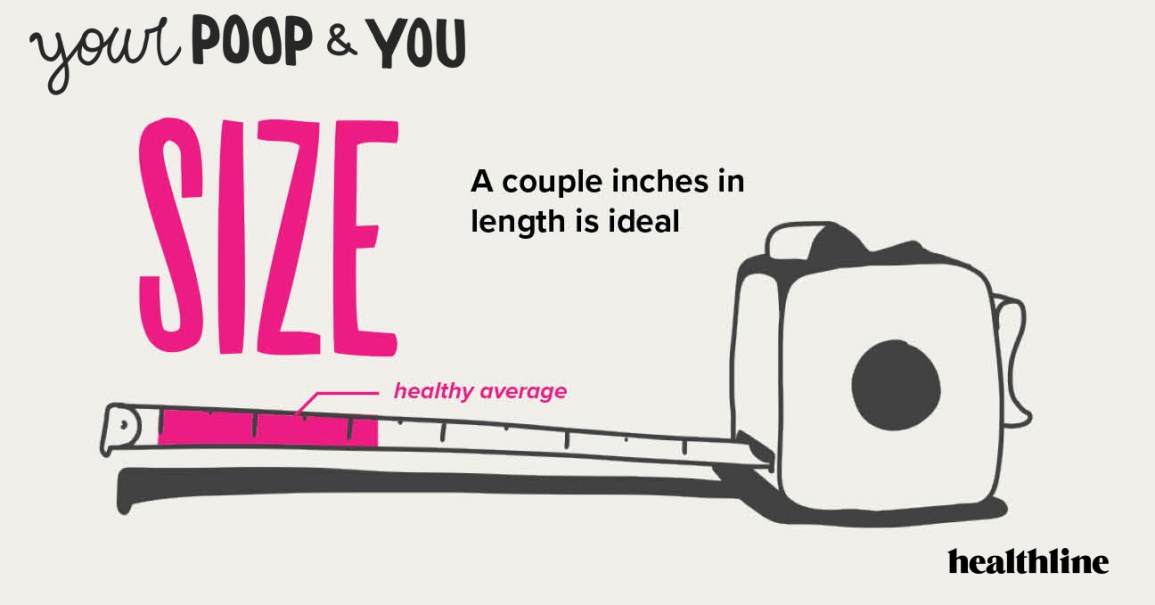
Size
Poops shouldn’t come out in small pellets (something else we’ll get to later) but instead should be a couple inches in length, comfortable and easy to pass.
Consistency
Anywhere between a firm and soft consistency is pretty much normal. If it sways one way or another, it could suggest some digestion or fiber issues.
Length of time (how long it takes)
A commonly heard joke is that when someone takes too long in the bathroom, it must mean they’re pooping. A healthy poop, however, should be easy to pass and take only a minute to push out.
That said, some people do spend a bit more time on the toilet, so as a general rule, a poop should take no more than 10 to 15 minutes.
Frequency (how often)
Fun fact: Did you know most people poop around the same time every day?
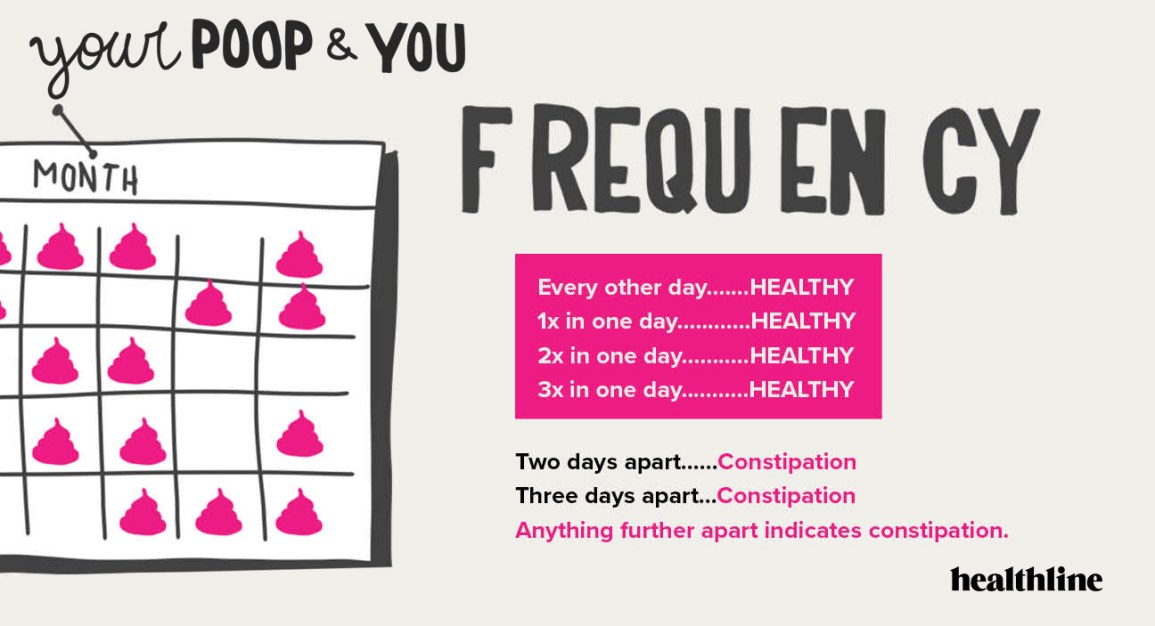
On average, a person with healthy digestion will poop anywhere between every other day to three times a day. Any less could suggest possible constipation. This means you need some more water to move the “boat.”
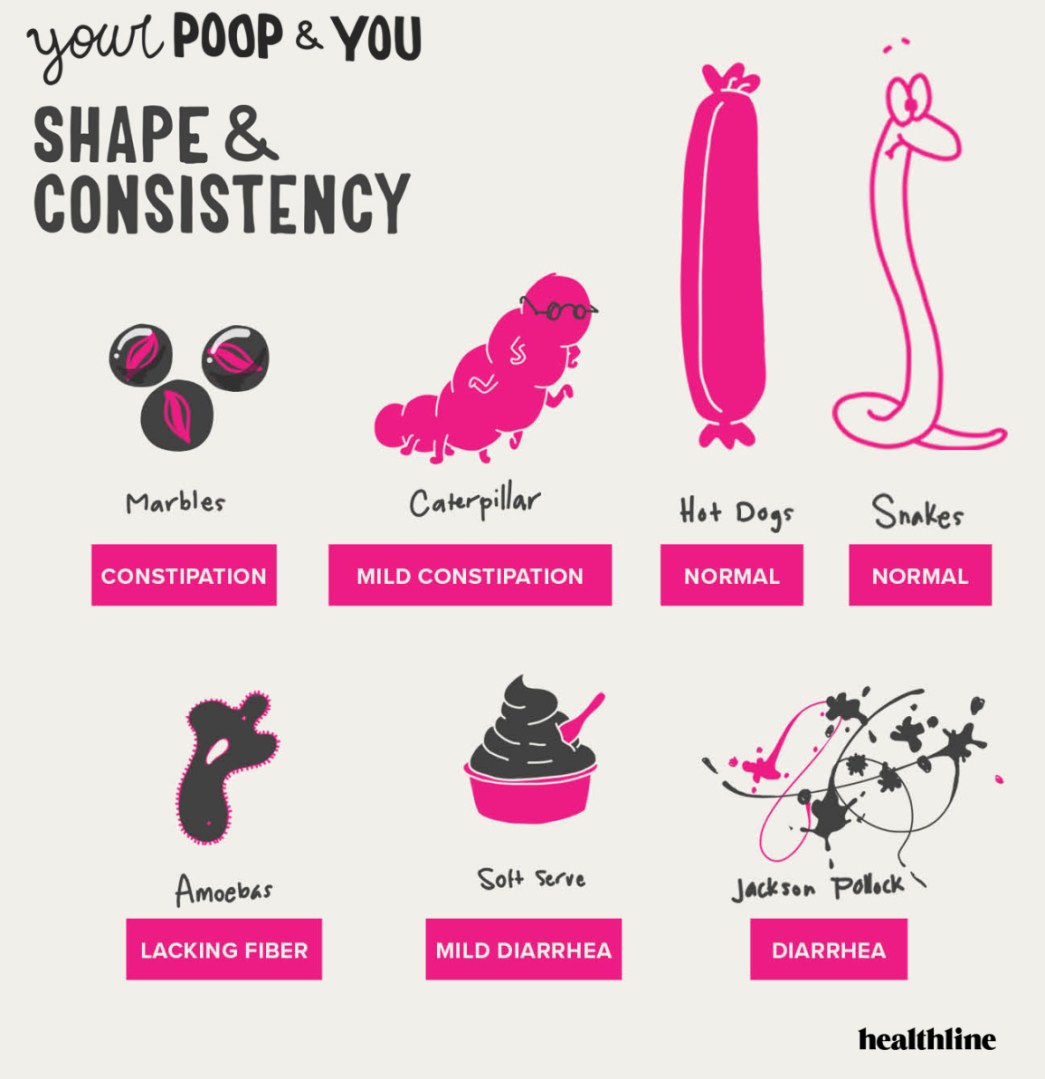
What is the Bristol Stool Scale?
This scale is an overarching indicator of how and why different types of poops look or feel a certain way. It’s broken up into seven categories based on a 2,000-person study-Trusted Source, and it makes poop knowledge basic and easy to understand.
Type 1
Appearance: Hard and separate little lumps that look like nuts and are hard to pass
Indicates: These little pellets typically mean you’re constipated. It shouldn’t happen frequently.
Type 2
Appearance: Log-shaped but lumpy
Indicates: Here we have another sign of constipation that, again, shouldn’t happen frequently.
Type 3
Appearance: Log-shaped with some cracks on the surface
Indicates: This is the gold standard of poop, especially if it’s somewhat soft and easy to pass.
Type 4
Appearance: Smooth and snake-like
Indicates: Doctors also consider this a normal poop that should happen every one to three days.
Type 5
Appearance: These are small, like the first ones, but soft and easy to pass. The blobs also have clear cut edges.
Indicates: This type of poop means you are lacking fiber and should find ways to add some to your diet through cereal or vegetables.
Type 6
Appearance: Fluffy and mushy with ragged edges.
Indicates: This too-soft consistency could be a sign of mild diarrhea. Try drinking more water and fruit juice to help improve this.
Type 7
Appearance: Completely watery with no solid pieces.
Indicates: In other words, you’ve got the runs, or diarrhea. This means your stool moved through your bowels very quickly and didn’t form into a healthy poop.
What does a person’s poop color mean?
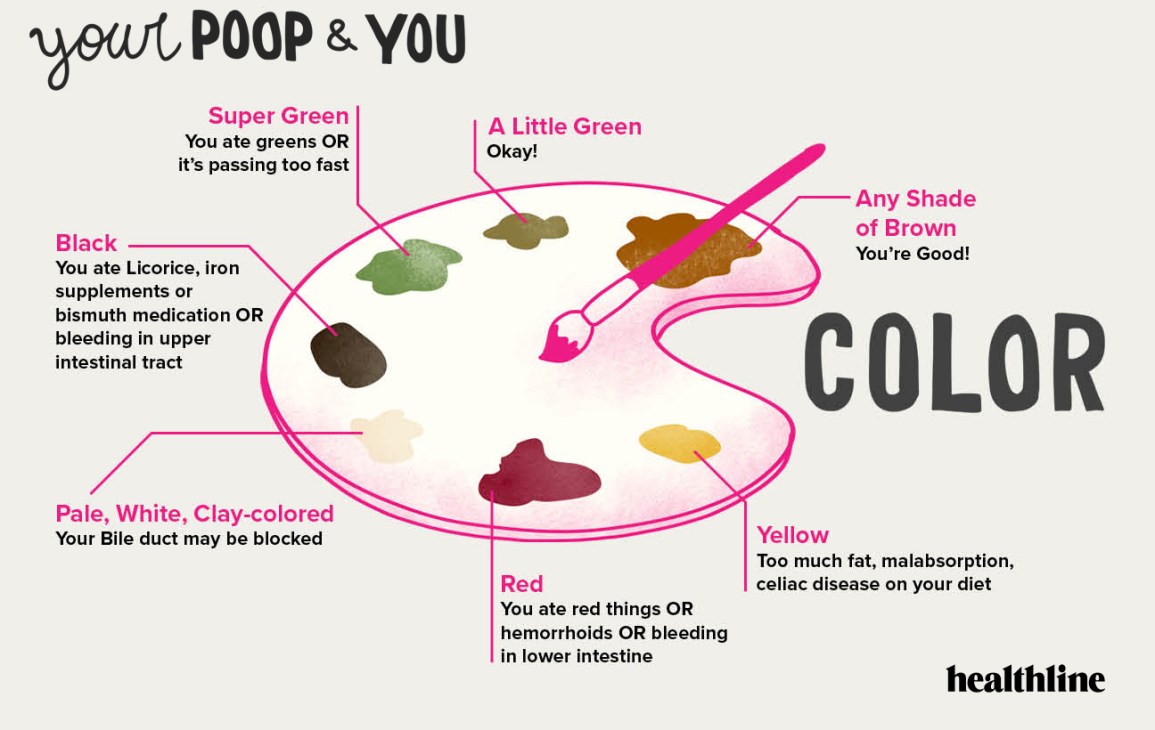
As with size and consistency, poop’s color can be a helpful signal about what’s going on within your body. As we previously mentioned, varying shades of brown are what’s considered the norm.
According to Mayo Clinic, even a hint of green is considered healthy. But if your poop is veering toward other ends of the rainbow, you might want to assess.
Black
If you’ve had licorice, iron supplements, or bismuth medications (such as Pepto-Bismol), that could be the explanation behind black stool. If you haven’t had any of that, black poop could be a sign of bleeding in the upper gastrointestinal tract.
It may seem like red would be a more likely color for this sort of concern, but since it’s taken a while to travel down, it’s older and therefore darker.
Green
Like we mentioned, hints of green are actually quite normal. But when it’s pretty much turned from brown to full green, it means one of two things. Either you’ve added lots of green foods like spinach to your diet, or your stools passing through you too fast. When it doesn’t pick up as much of the brown-tinting bilirubin, it has more bile salts that turn it this color.
Pale, white, or clay-colored
If your poop is a chalky light shade, it probably means you’re lacking bile. Bile is a digestive fluid that comes from your liver and gallbladder, so if you’re producing white stool, it probably means your duct is blocked.
Pale poop could also be a side-effect of certain medications like anti-diarrhea medicine. Either way, if it continues, you should probably consult a doctor.
Red
You’re probably not surprised to hear that red poop can mean bleeding, either due to hemorrhoids or to bleeding in the lower intestinal tract. If your stool is red, though, there’s no need to immediately fret.
There are other less-serious reasons for the change in color. Foods like beets, cranberries, red gelatin, or tomato juice can turn poop red as well.
Yellow
Greasy, stinky, yellow stool is typically a sign of too much fat. This could also be a direct relation to a malabsorption disorder like celiac disease, where your body isn’t absorbing enough nutrients.
What does it mean when your poop floats?
Every now and again, when you take a look in the toilet bowl, you’ll see poop bobbing like a toy sailboat in the bathtub. As alarming as this seems, all it means is that the stool is less dense than the others that sink.
One potential reason for this lack of density can come from an increased amount of gas or water, as one study found.
It’s also possible that malabsorption is, once again, the reason for a floating turd. If this is the case, the other abnormalities previously mentioned, like slight constipation, would also be present.
What does constipation mean?
It may seem like you already have a good grasp on what constipation is, but according to the Mayo Clinic, constipation is defined as having less than three bowel movements per week.
There could be many reasons you experience this lack of pooping. Blockages or nerve issues in and around the colon or rectum may slow down pooping, as can problems with pelvic muscles. Conditions that affect hormones, like pregnancy or diabetes, could also be the culprit.
If you’re experiencing this clogged-up feeling, you can add more high-fiber foods to your diet like beans, vegetables, fruits, and whole grains. Drinking lots of fluids, staying active, and managing stress can also all help to alleviate constipation.
HAVING DIGESTIVE ISSUES?
Would you like a more natural approach?
Running a GI MAP STOOL Test, helps to determine what good and bad bacteria may be present in your stool. AS well as overgrowth of yeast/ candida, viruses, worms, and even parasites.
ALL Of these things CAN be a source of inflammation which can drive your unwanted health symptoms and cause issues.
SO CALL us- we can run a STOOL test, and determine the ROOT cause of what is ailing you!!
Hormonal imbalances, digestive issues, skin issues, and sleep disorders all can stem from an imbalanced gut bacteria.