

5 Foods to Avoid to ELIMINATE Anxiety
Feeling Anxious? Here are 5 ways to improve your anxiety.
Roughly 40 million Americans suffer from an anxiety disorder. And nearly all of us have felt anxiety as a natural response to certain situations.
If you live with chronic stress or anxiety, you might spend much of your daily life managing it with tools like therapy, mindfulness, exercise, and anti-anxiety medication.
But did you know that anxiety can be triggered by certain foods we put in our bodies?
This isn’t to say that these tools and approaches aren’t necessary for tackling anxiety — they are often healthy options for any person’s lifestyle. But if anxiety is still impacting your life, it might be worth it to a glance down at your plate.
Read on for five foods that trigger anxiety and suggestions for what to eat instead.
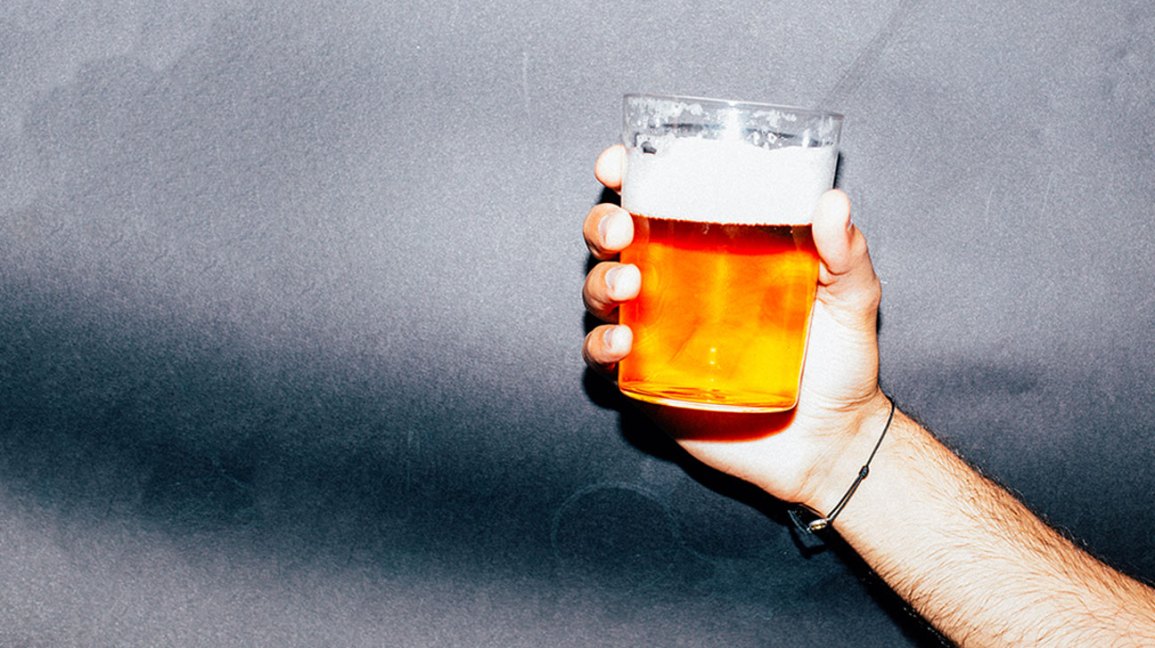
1. Alcohol
Believe it or not, that beverage you’re drinking to quell your social anxiety is actually making it worse.
“Although it may seem like it calms your nerves, alcohol can have a negative impact on hydration and sleep, both of which can trigger anxiety symptoms when suppressed,” says Erin Palinski-Wade, RD, CDE, author of “Belly Fat for Dummies.”
Alcohol changes levels of serotonin and the neurotransmitters in the brain, which makes anxiety worse. And when the alcohol wears off, you may feel even more anxious.
Try Instead: There’s no real substitute for alcohol. If you like the flavor, but don’t need the side effects, consider nonalcoholic beer. Drinks that feel special, like mocktails or sparkling water with fancy bitters, can also be good replacements in social situations.
2. Caffeine
First, they want to take away your booze and now coffee? Sadly, yes.
According to the National Coffee Association, 62 percent of Americans drink coffee on a daily basis, and the average amount per day is slightly over 3 cups per coffee drinker. But our favorite morning ritual might actually be doing more harm than good.
“High levels of caffeine can not only increase anxiety and nervousness, but an also decrease the production of the feel-good chemical serotonin in the body, causing a depressed mood,” says Palinski-Wade.
Typically, caffeine is safe in low doses. But high doses can cause unpleasant effects, namely anxiety and nervousness.
A studyTrusted Source found that participants who drank 300 milligrams of caffeine a day reported nearly twice as much stress. In Starbucks terms, a large (“grande”) coffee contains about 330 milligrams of caffeine.
Also keep in mind that several supplements and medications include caffeine and can contribute to anxious feelings, including St. John’s Wort, ginseng, and certain headache medications.
Try Instead: Matcha tea is an excellent alternative to coffee for a clean buzz minus the jitters. This is thanks to the L-theanine, which is known for its relaxing effects, without the drowsiness.

3. Aged, fermented, and cultured foods
A meat-and-cheese plate with a glass of red wine sounds incredibly relaxing, right?
In theory, yes, but according to science, not so much.
Whole foods like beef, milk, and grapes go gourmet when they’re cured, fermented, and cultured (see: steak, cheese, and wine).
But during the process, bacteria break down the food proteins into biogenic amines, one of which is histamine. Histamine is a neurotransmitter that aggravates digestion, hormones, and the cardiovascular and nervous systems. In susceptible individuals, it can trigger anxiety and insomnia.
Try Instead: To minimize histamine intolerance, always pick fresh, whole foods. Look for the “packed on” date of meat and fish. The less time it takes for it to get from where it was created to your table, the better.
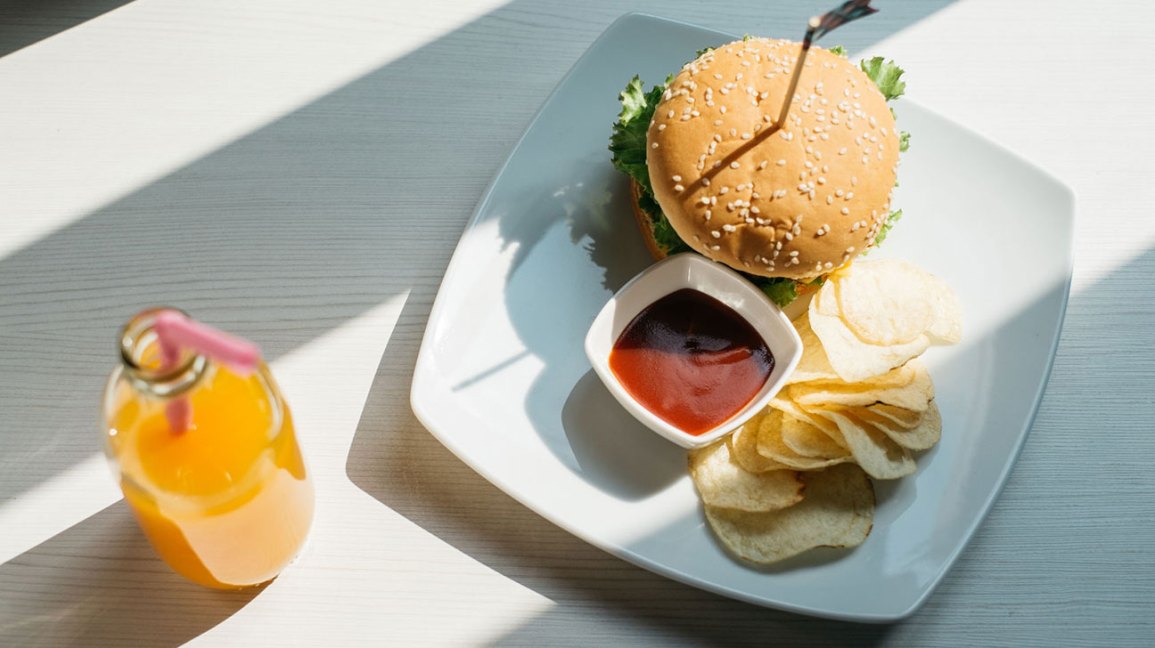
4. Sneaky added sugar
There’s no way to avoid sugar 100 percent of the time, as it naturally occurs in many of the foods we love to eat, like fruit.
But added sugar is a contributor to overall anxiety.
“Added sugars cause your blood sugar to go on a roller coaster ride of spikes and crashes and with it, your energy also goes up and down,” says Palinski-Wade. “When blood sugar crashes, your mood sours and anxiety levels can spike.”
The body releases insulin to help absorb the excess glucose and stabilize blood sugar levels, but a sugar rush makes the body work too hard to get back to normal, causing the highs and lows.
Consuming large amounts of processed sugar can trigger feelings of worry, irritability, and sadness.
Foods that fall into the added sugar category that you should consider avoiding or minimizing don’t all look like desserts. Condiments like ketchup, certain salad dressings, pastas, and white bread can all contain high levels of added sugar.
Try Instead: Luckily, you don’t have to deny your sweet tooth if you give up processed sugar. Stevia, erythritol, and Yacon syrup are natural substitutes for sugar. Fill up your plate with fruits and naturally sweet vegetables, like sweet potatoes.
5. Conventional nondairy creamer
If you’re cutting the coffee, might as well cut the creamer, too. Many people these days are trying to monitor the amount of dairy they consume.
Switching to a conventional nondairy creamer might seem like one solution, but these replacements are sources of hydrogenated oils, also known as trans fats, which are packed with LDL cholesterol and can lower HDL cholesterol. These fats have been linked to depressionTrusted Source, anxietyTrusted Source, and other mental health issues.
Try Instead: If you’re drinking decaf and still want a splash of something creamy, whole foods are always the better choice. Milk and cream are better than conventional nondairy creamer. If you’re cutting dairy, consider almond milk.
Interested in learning more? Check out my other article, "3 Reasons for Anxiety, and what to do about it."
Wanting a more natural approach to your mood regulation? Fill out our Health Assessment and then schedule for a free 15 min phone consultation today.


Gluten Free Guide - What you can eat and what to avoid when going Gluten Free
Written by: Dr. Michelle Dillon, with informative inserts by: Jillian Kubala, MD
Going gluten free can be confusing with all the different information out and about on both the internet and social media sites. SO I figured a handy resource would be most helpful.
But first we should talk about the reasons people go gluten free and why I suggest it to most of my patients.
Reasons to go gluten free:
- GLUTEN, the protein found in wheat, barley, rye, and spelt, is an inflammatory grain. It promotes inflammation. AND inflammation is the seed that GROWS the disease process.
- GLUTEN these days - IS NOT the same gluten that our beloved grandparents ate. HECK it's not the same gluten that we ate back in the 80s when we were kids!
WHY? Well, it's called, genetic modification, AND it's effective in growing more and more wheat crops. BUT it comes with a negative health result.
You see farmers found that when they 'genetically alter' their crops to yield a larger better crop, that is fabulous for their profit margins.
The negative is - the wheat is more and more genetically altered. AND as a result, our bodies DO NOT recognize it AT ALL.
If our bodies do not recognize what we eat, then our bodies will not have the enzymes needed to break down this food.
IF food is not being broken down properly - then we have digestive issues.
AND digestive issues - will cause overall HEALTH issues.
So bottom line: Stay way from gluten- or other GMO or genetically modified foods/ organisms.
3. THYROID issues? If you have any sort of chronic thyroid issue, it is imperative that you steer away from gluten. WHY?
Well gluten is as I said above, quite inflammatory to the body. AND thyroid issues usually stem from underlying inflammatory conditions. SO, if you continually eat gluten, you continually increase inflammation, which perpetually makes the thyroid issue worse.
OK- so here is a guide to help you know what foods you should AVOID when you are gluten free:
1. Gluten-containing grains
Grains that contain gluten include:
- heat
- barley
- rye
- triticale
- farina
- spelt
- kamut
- wheat berries
- farro
- couscous
Note that oats are naturally gluten-free but may be contaminated with gluten during processing.
2. Most breads, crackers, and wraps
Most breads, crackers, and wraps contain gluten. The only way to know for sure is to read the ingredient list and check to see which grains are used.
If you have a gluten intolerance, avoid the following:
- white bread
- whole wheat bread
- potato bread
- rye bread
- sourdough bread
- wheat crackers
- whole wheat wraps
- flour tortillas
- flatbread
- bagels
3. Certain condiments
Although condiments seem like unlikely sources of gluten, many popular ones harbor gluten. These include:
- soy sauce
- barbecue sauce
- salad dressings
- marinades
- cream sauces
- spice blends
- gravy mixes
- malt vinegar
- ketchup
As an alternative, you can make your own condiments from gluten-free ingredients or purchase ones that are certified gluten-free.
4. Most baked goods
Baked goods are typically made with wheat flour or other gluten-containing grains. As such, people with a gluten intolerance should largely avoid these foods:
- cakes
- cookies
- pastries
- soft and hard pretzels
- doughnuts
- muffins
- pancakes and waffles
5. Wheat-based pastas
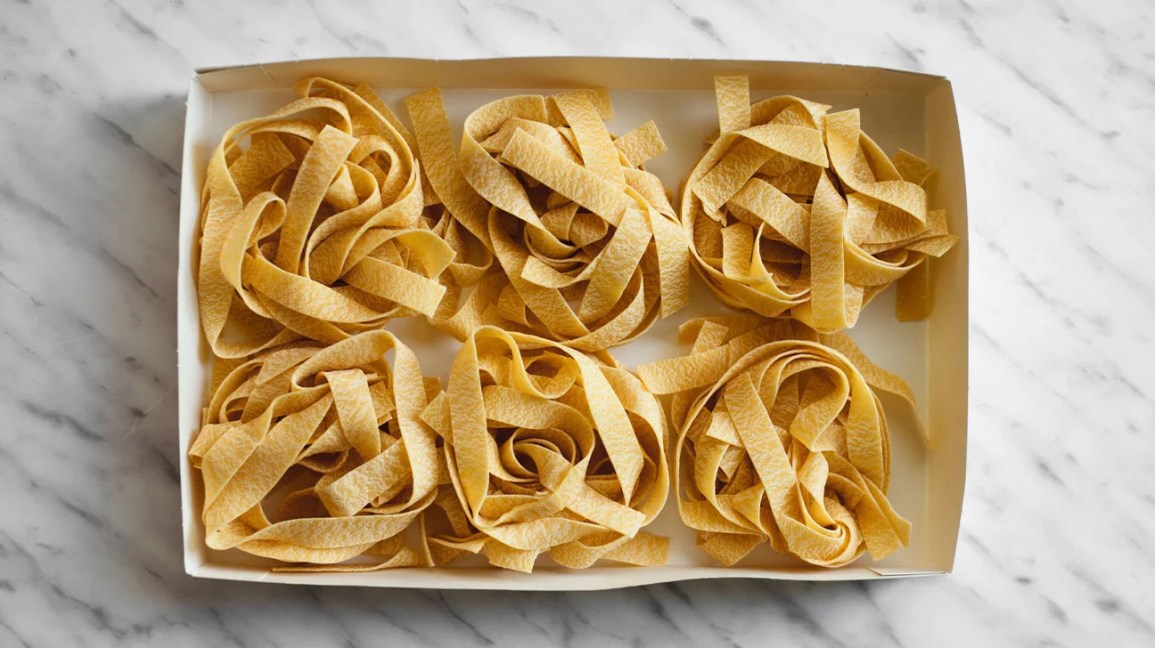
Pastas are a staple food in many cultures. Although gluten-free alternatives exist, most traditional pastas are made with gluten-containing grains:
- noodles
- spaghetti
- gnocchi made with wheat flour
- dumplings
6. Some snack foods
Snack foods are a common source of gluten. Gluten-containing snacks include:
- pretzels
- granola bars
- cereal bars
- chips
- energy bars
- cookies
- snack mixes
- candy bars
7. Certain beverages
Some drinks are made with ingredients that contain gluten, so it’s important to read labels. Beverages that may contain gluten include:
- beer
- bottled wine coolers
- premade coffee drinks
- drink mixes
- commercial chocolate milk
8. Several processed foods and other items
Many processed foods and other popular items may also harbor gluten. These include:
- meat substitutes, such as veggie burgers and hot dogs
- prepared lunch meats
- processed cheeses
- egg substitutes
- canned soups and soup mixes
- puddings and instant dessert mixes
- certain ice creams
- breakfast cereals
- french fries and other fried foods
- flavored tofu
SUMMARY
Foods that contain gluten include breads, pastas, crackers, baked goods, many grains, and several beverages and processed items.
Foods to EAT when Gluten FREE
Foods to eat when Gluten FREE
Though it may seem as if most foods are off-limits when you’re intolerant to gluten, many delicious and healthy foods are naturally gluten-free. Plus, quality gluten-free breads, pastas, and crackers are available in most grocery stores.
If you’re gluten intolerant, you can enjoy the following foods.
1. Fruits and vegetables
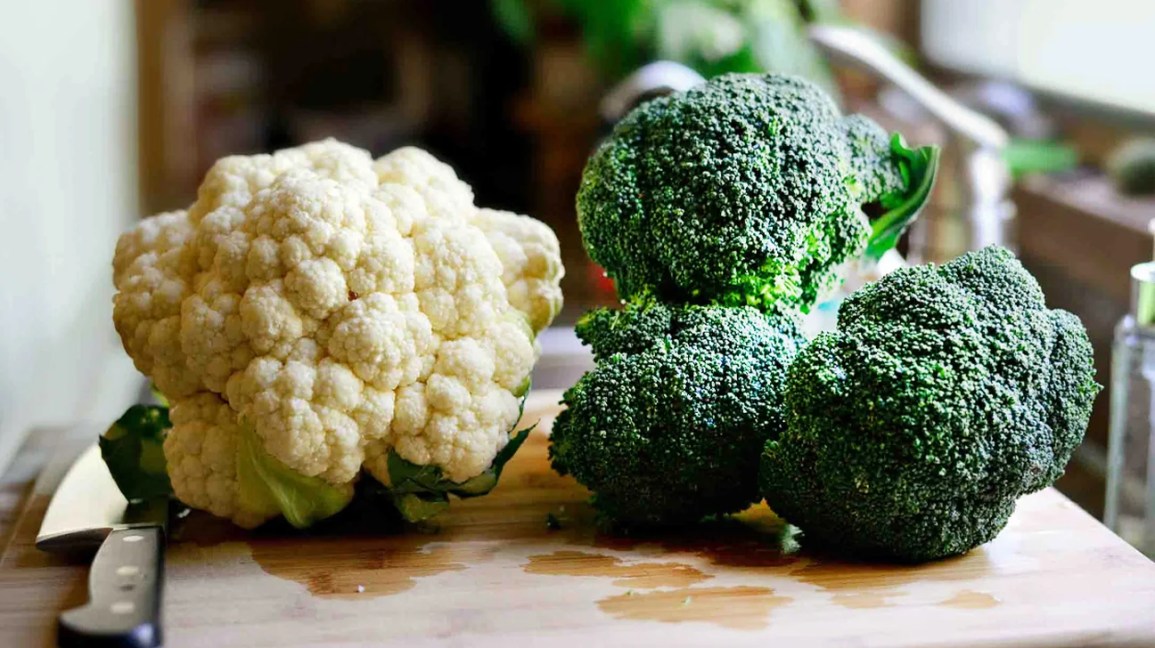
Fruits and vegetables are naturally gluten-free. However, keep in mind that certain products, such as battered vegetables and candy-coated fruit, may contain gluten. The following are some options:
- apples
- avocados
- berries
- bananas
- citrus fruits
- plums
- peaches
- spinach
- kale
- onions
- sweet potatoes
- broccoli
- cauliflower
- carrots
- peppers
- butternut squash
- zucchini
- Brussels sprouts
- mushrooms
2. Legumes
Beans and lentils are gluten-free, which is why they’re commonly used to make pasta alternatives and other gluten-free products. They include:
- red lentils
- black beans
- chickpeas
- kidney beans
- cannellini beans
- pinto beans
- peas
- adzuki beans
3. Gluten-free grains and grain products
Although many grains are off-limits for people with a gluten intolerance, some grains are gluten-free. They include:
- quinoa
- buckwheat
- millet
- sorghum
- oats
- millet
- amaranth
- wild rice
- corn
- teff
- brown rice
- gluten-free breads, crackers, and other baked goods made from these grains
To reduce the risk of cross-contamination, be sure to only buy products that have been certified gluten-free.
4. Animal proteins
Animal proteins like the following are naturally gluten-free:
- eggs
- meat
- poultry
- fish
- shellfish
- dairy products like yogurt and cheese
5. Nuts and seeds
Nuts and seeds are gluten-free and provide a nutrient-rich source of fat. What’s more, they can be made into gluten-free flours. Good choices of nuts, seeds, and their butters include:
- pumpkin seeds
- sunflower seeds
- cashews
- almonds
- peanut butter
- macadamia nuts
- walnuts
- almond butter
- pecans
- hazelnuts
- Brazil nuts
- pistachios
6. Certain seasonings and condiments
The following seasonings and condiments are safe for those following gluten-free diets:
- apple cider vinegar
- fresh herbs like basil, rosemary, and cilantro
- pesto
- most salsas
- most dried herbs and spices
- coconut aminos
- hummus
- guacamole
- sauerkraut
- tahini
- mustard
7. Healthy fats and oils
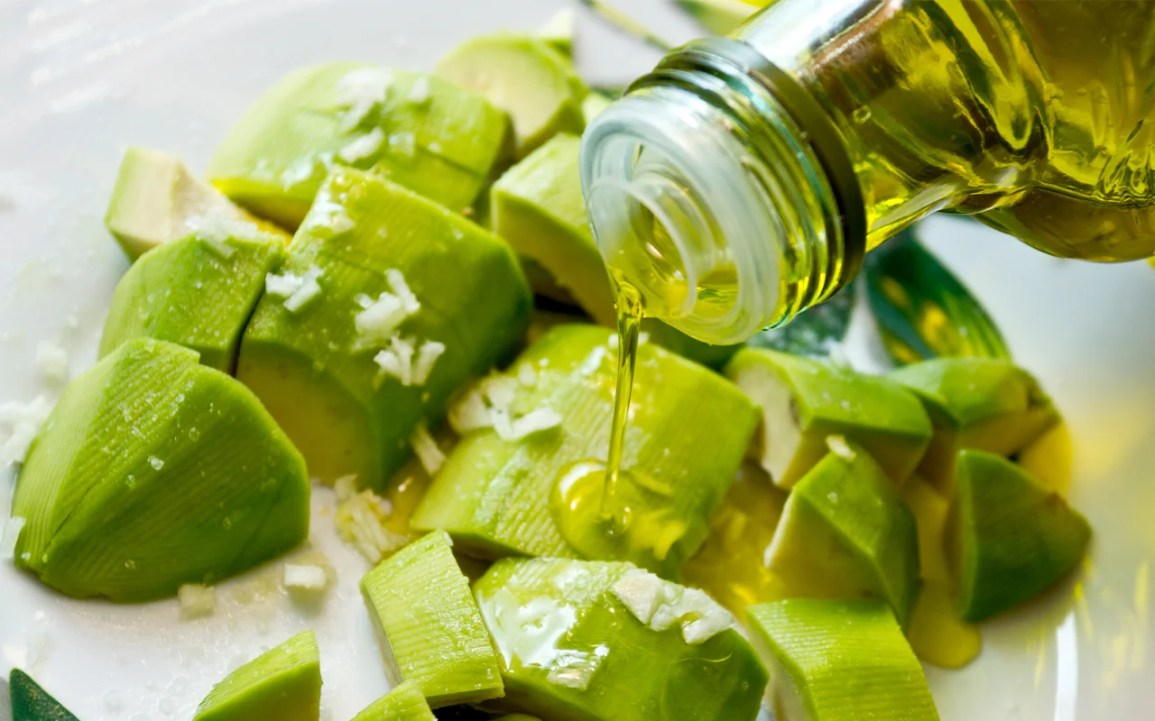
Most sources of healthy fat, such as the following, are gluten-free.
- full fat yogurt
- cheese
- olive oil
- avocado oil
- nuts, seeds, and nut butters
- avocados
- unsweetened coconut, as well as coconut oil
SUMMARY
Foods that are safe to eat if you have a gluten intolerance include nuts, seeds, vegetables, fruits, fish, poultry, dairy products, gluten-free grains, and legumes.
Tips for eating out when gluten free
Many restaurants don’t offer gluten-free meals, so it’s important to know what’s safe to order if you have gluten intolerance and are going out to eat.
If you have celiac disease, NCGS, or a wheat allergy, it’s important that you inform the waitstaff. The restaurant is much more likely to take your condition seriously if they know you can’t have gluten for medical reasons.
In general, you should stay away from pasta, bread, and grain dishes unless the restaurant offers gluten-free options like brown rice pasta or gluten-free grains.
You’ll also need to steer clear of bread baskets. Instead, ask the waitstaff to bring a gluten-free appetizer like edamame, a caprese or simple salad, or crudités plate with hummus.
Fried foods, such as french fries, fried chicken, fried fish, and mozzarella sticks usually contain gluten, so you should avoid these foods as well.
When choosing a meal, keep it simple and use the following steps to create a gluten-free meal:
- Choose a protein source: fish, shrimp, chicken, beef, beans, plain tofu, lentils, etc.
- Choose a gluten-free starch or grain: potatoes, sweet potatoes, winter squash, amaranth, quinoa, brown rice, etc.
- Choose a non-starchy vegetable: broccoli, cauliflower, pepper, mushrooms, zucchini, spinach, green beans, etc.
Customizable salads and gluten-free grain bowls make great meal choices.
If you don’t trust the salad dressings or sauces used at restaurants, you can bring your own from home. Simply pour a small amount into a portable glass jar or bottle.
To ensure that you’ll have gluten-free options, it’s advisable to scan the menu before choosing to eat at a restaurant. You can also call ahead to discuss your options with the staff.
The bottom line
If you’re intolerant to gluten, you must avoid all gluten-containing foods.
Foods with gluten include many grains and most breads, pastas, and baked goods. Numerous condiments and processed foods harbor gluten as well.
It’s best to focus on the many delicious, healthy foods that you can eat. These include veggies, fruits, eggs, fish, dairy, nuts, and seeds, as well as gluten-free grains.
Would you like more guidance on your health journey?
Call today! 704-543-5540

This one step can energize & optimize your health.. are you in?
As a mother of 3 children, doctor, and wife - I have learned the hard way that if you are not taking care of yourself, how quickly you can start sinking into the pit of health issues.
It's all about self care and WHY it IS SO SO important!
It's so easy to put your own needs aside and continue to help your children or fill in the blank's needs and not address your own needs.
As a physician, I observe patients that do have a strong and healthy self care regimen, and those that struggle with it.
I find that those that truly take care of themselves and do the specific activities that feed their soul, they are truly happy overall AND healthier!!
Specifically - those patients who struggle with emotional eating - are usually those that do struggle with making the time for self care activities. This is why they emotionally eat ! Whether you like it or not, you will find ways to 'feed your soul' one way or another, and some ways promote health, while others do not.
So do yourself a quick favor....
Take a quick quiz and listen to the quick 18 minute video - to give you the tools needed to improve your self care habits.
- Do you take 1-4 hours a week, to do things that re-vitalize or re-charge your energies?
- Do you know what activities you WOULD do, if you could, that would put energy back into your 'tank' instead of take away that energy?
- Do you consider working out or watching TV as some form of self care?
IF you said , No, to one OR any of the above questions, then you know that you are not taking enough time out for YOU and you are in need of spending 15 minutes on the video below.
It will give you some tools to start the process and help yourself to a healthier you!
CLICK BELOW:
If you are still struggling with this and are in need of some one on one- counseling help - click here to link to Misty's website.
If you are struggling with health related issues and would like a natural approach with an expert doctor - feel free to give me a call - 704-543-5540.
Here is the Energy Tank Work sheet - Energy Tanks

3 Tips to STAY SANE while doing online learning with your kiddos
LOL. It has started.
Online school. (Yes in Indian Land, SC we have started our second week of online school for 3 days and in person for 2 days)!
I'm not sure how you are all doing with this online school bit, but it's no joke!!
Yesterday most of the day was spent, wading through the various emails, listening to the videos, and then attempting to get all the assignments done for my three kiddos and their online learning situation.
I get it.??
There is not really other options. The teachers are doing what they can with what they have. God bless them!!
The students are trying to get through it all. AND the parents are huffing and puffing through it all... hoping it gets easier with time.
SO- I figured I would write tips that has helped me, not go crazy with it all, as well as commiserate with you.
Here are 3 Tips to STAY SANE while doing online learning with your kiddos.
1. SELF CARE is KEY!!
Be sure to take at least an hour a week if , for those able, FOUR hours a week - to just do - whatever you enjoy doing.
Whatever that is -
- you look forward to
- puts energy BACK inside you
_makes you smile and feel like everything is going to be OK.
Are you doing this?
I had to remind myself to do so!
I get it.
Everything is taking TIME- Time is our precious commodity.
One that we feel guilty spending on ourselves!!
BUT - know that if you don't service your car - it WILL break down.
If you don't plug your phone IN, it WILL die!
If you don't feed your pets- they will expire.
It's time to re-charge your own battery!
SO- do things that put the CHARGE back inside you :)
Ideas:
-Call a good friend and chat
- Take a bubble bath
-Go for a walk, run, or jog.
*the KEY- is to do activities that promote HEALTH, instead of take away from your health.
I get it.
After finishing a day of getting my kids 'schooled' I wanted to a drink.
Not water, but a hard liquor kind of drink. ?
Heck - give it to me in an IV form!! LOL!!
LOL - it was a mess!!
BUT - long and behold - I did not succumb to those feelings, and instead went for a long run listening to music that fed my soul.
AND- afterwards, I felt - hopeful and energetic !!! ?
SO- What can you do?? Think about it. It will do wonders!!
2. SET boundaries with your children. Don't do everything for them!! Let them help you!!!
This is a hard one, but a good one.
I struggled with this for a while.
But then something clicked (or broke in my brain) and now I have no issues about it. ?
Give your kids CHORES that they do everyday !
Have them HELP you!
THEY are FULLY capable of making their OWN lunches.
Rinsing plates off to put in the dishwasher.
Putting dishes away.
Putting laundry away.
Sweeping.
Cleaning.
Folding clothes.
Washing windows.,
Wiping spider webs down.
Dusting.
Fill in the blank....
*IF they don't do it - then they don't get to have their 'xyz' whatever it is that they enjoy doing (video games, friend time, TV time, sports, etc.)
Yes. It's hard at first.
You have to get them trained.
NO. they aren't going to do it 100% the way you'd like them to do it.
BUT at least it will get DONE, and OFF your plate!!
This actually instills self confidence, and competence in your children! :) I promise!
3. GET 7-8 hours of sleep per night.
SLEEP - helps to heal the body.
Without sleep - your body does not repair and rejuvenate.
Studies show that those that get less than 7 hours - are more susceptible to disease, are more likely to get in an accident, and are more likely to be overweight.
Having a hard time sleeping?
This is becoming more of an issue - as we are spending more and and more time in front of our blue light devices.
Blue light - lowers melatonin.
Melatonin helps you fall asleep.
Melatonin turns into serotonin - which makes you feel happy and light.
Melatonin is a strong antioxidant that helps to kill cancer cells.
* So what to do?
Get some blue light blocking glasses - amazon sells them.
These glasses can help block the blue light coming from your screens and devices.
Get a pair for yourself and your kids - your brain and sleep will thank you for it.
STILL STRUGGLING?
NEED SOME HEALTH OPTIMIZATION HELP?
WOULD YOU LIKE A MORE NATURAL APPROACH?
give me a ring.... :)

5 Ways to Prevent Colon Polyps
Colon Polyps.
If you are over the age, or near the age of 50, - colon polyps are something that can occur.
Colon growths or polyps- can increase in size and become cancerous. They like to grow in your intestines, like weeds in your garden, they are unwanted and just cause problems.
25% of the American population have colon polyps, (stat done by the cleaveland clinic) so what to do about it??
Here are 5 simple steps you can take to help prevent & reduce the risk of developing these polyps:
1. Avoid excess alcohol and do not smoke tobacco. - Alcohol actually increases harmful estrogens that can increase growths of unwanted cells. So opt for sparkling tonic water or kombucha instead.
2. Lose any extra weight to normalize your body mass index. We can help you do this naturally, by learning what foods maybe causing weight issues. If there is inflammation present in the body or various other health conditions (like thyroid or hormonal imbalances) this can affect your ability to lose weight.
3. Exercise—including at least 150 minutes of moderate aerobic activity and 2 sessions of muscle strengthening per week.
4. Eat at least 3-5 servings of fruits and vegetables a day & avoid fatty and processed foods as well as- red meat in excess. Aim to eat 2 cups of veggies with each meal to attain this. Throw veggies in stews, soups, and chili's to help get them in without knowing!
5. Take supplements to increase protection (based on whatever nutritional imbalances you show in labs), visit your closest Naturopathic Doctor for specific customized support or Give us a Call.
Need some support?
Feel out our FREE health assessment to see how you fair.
Then call to schedule a FREE 15 min phone consult to review your results.
Give us a call - we'd love to help guide you on your health journey-
704-543-5540

3 TIPS TO IMPROVE LIBIDO, MOJO, & DESIRE
So what can one do about it??
2. AGE - WISELY...
Yep - once you are especially in your 40s - those hormones start to act up.
Hormones begin to decline and become irregular.
FUN FUN FUN, right? NOOO!
So once you hit your 40s, and you are feeling less vibrant, less energetic, less balanced.
AND it's showing in your hormonal health- with PMS, low desire, and cramping OR irregularity.
3. It's time to take ACTION -
It's time to be sure to start eating right - low glycemic, high veggie foods.
Get exercising - moving throughout the day.
Get a Naturopathic doctor on board to do some testing and figure out what your body is deficient in.
With that being said, a fair warning is in order: attempting to tinker with your hormones (or your libido) by introducing any kind of synthetic product (pharmaceutical or readily available “natural supplements”—and I use the term natural in the loosest sense—is a recipe for disaster.
Here’s why: your body maintains a very precise hormonal balance that is based on thousands of different factors that are not yet fully understood by science. When you start arbitrarily inserting actual hormonal molecules into your system by taking a drug or synthetic supplement, it totally alters that delicate balance and throws your entire body out of whack (and with the endocrine system, that includes your mental and emotional balance as well). Furthermore, your body has built in homeostasis mechanisms—self-regulating feedback loops that will shut down natural production of hormones if one gets too far out of normal range.
for sex are sacred, revered medicines and foods in their own right. They have powerful healing properties that bring the entire mind-body-spirit triad into greater balance and harmony. As such, they should be treated with respect, and know that they may have additional effects above and beyond boosting your libido.

6 Foods that DRAIN & ZAP your ENERGY - What to avoid...
6 Foods That Drain Your Energy
Written by Guest Writer: Alina Petre, MS, RD , with medical review from Dr. Michelle Dillon
It’s normal for your energy levels to rise and fall slightly during the day.
A variety of factors can affect this natural ebb and flow. These include sleep and stress levels, your level of physical activity and the foods you eat.
Generally, having a meal or snack tends to refuel your tank, helping you feel more energetic. However, some foods may actually zap your energy.
This article lists six foods that have the potential to drain your energy.

Grains are rich in carbs, which provide the body with a good source of energy.
However, processed grains such as those found in white bread, white pasta and white rice may actually cause more harm than good when it comes to your energy levels.
That’s partly because the fiber-containing outer layer of the grain, known as the bran, is removed during processing. Because of this, processed grains contain lower levels of fiber and tend to be digested and absorbed more quickly than whole grains (1Trusted Source).
For this reason, a meal or snack rich in processed grains generally creates a quick rise in blood sugar and insulin levels, followed by a drop in energy.
In contrast, whole grains help you regulate your blood sugar levels and help keep your energy constant throughout the day.
Processed grains also lack another important part of the grain: the germ. The germ contains many important nutrients that can also play a role in maintaining your energy levels.
For instance, the germ is especially rich in B vitamins, which your body can use to create energy (3).
Therefore, avoiding processed grains or replacing them with whole-grain alternatives can provide your body with more nutrients and prevent energy peaks and crashes.
SUMMARY:: Processed grains are found in foods such as white bread, white pasta and white rice. They contain fewer nutrients and may spike blood sugar levels, both of which can drain your energy levels.
Many foods on the market are loaded with added sugars, which, when consumed too frequently, can take a toll on your energy levels.
For instance, many people consider breakfast cereals an important part of a healthy and energizing breakfast routine. However, many varieties actually fail to deliver the expected energy-sustaining start to the day.
That’s because most breakfast cereals contain very little fiber yet significant, high, amounts of added sugars. In fact, sugars make up as much as 50% of the total carbs found in many popular breakfast cereals.
This combination of high sugar and low fiber content can spike blood sugar and insulin levels, leading to a rise in energy, followed by a crash (making you feel sluggish, fatigued, and irritable!).
What’s more, some research suggests that eating foods high in added sugars may increase the likelihood you’ll crave other sugary foods, potentially creating an energy-depleting cycle aka the sugar roller coaster!!
To avoid the energy-zapping effect of sugar-filled cereals, opt for varieties without added sugar that contain at least 4–5 grams of fiber per serving.
Other popular breakfast foods that tend to contain high levels of added sugars include flavored yogurts, juices, muffins, granola bars and even some types of bread.
If you’re looking to keep your energy levels high, you’ll likely benefit from avoiding them or finding less sugary alternatives.
SUMMARY:: Foods containing high amounts of added sugars can zap your energy levels rather than boost them. They may also increase your cravings for other sugary foods, which can create a vicious, energy-draining cycle.
Alcohol is known for its relaxing effect.
In fact, many people report that having a little alcohol with dinner or in the evening tends to help them fall asleep more easily.
Although this may sound positive, it’s not necessarily so.
That’s because alcohol may actually reduce the quality and duration of your sleep, leading to an overall less restful sleep (9Trusted Source).
Therefore, although alcohol may help you feel more relaxed or fall asleep more easily, depending on the quantity you consume it may actually drain your energy by causing you to wake up the next morning feeling less rested.
Low to moderate levels of alcohol consumption do not appear to have much influence on your sleep quality or duration. Only large amounts of alcohol appear to drain energy this way (10Trusted Source).
Therefore, to avoid the energy-draining effects of alcohol, make sure to keep your consumption within low to moderate levels.
This is defined as one or fewer standard drinks per day for women, and two or fewer drinks for men. One standard drink is the equivalent of 12 ounces (355 ml) of beer, 5 ounces (148 ml) of wine or 1.5 ounces (44 ml) of spirits.
SUMMARY:: Consuming too much alcohol, especially around bedtime, may reduce the quality and duration of your sleep, likely causing you to feel more tired the next day.
When consumed in moderation, coffee can have positive physical and mental effects.
For instance, studies show that coffee may help reduce the risk of developing neurodegenerative diseases such as Alzheimer’s and Parkinson’s by 26–34% (11Trusted Source, 12).
A review of 18 studies further reported that each cup of coffee a person consumes per day may reduce their risk of developing type 2 diabetes by up to 7% (13).
Caffeine, the stimulant in coffee, has also been reported to create a short-term boost in energy and brain function, which many people rely on when they’re feeling tired (14, 15).
That said, regularly drinking coffee will cause your body to build up a tolerance, which will reduce the power of its effects. More importantly, regularly relying on coffee instead of getting proper nutrition or sleep can drain your energy over time (16Trusted Source).
Too much caffeine can also negatively affect the quality of your sleep, which can reduce your energy levels over the long term (17, 18 Trusted Source).
Those who consume coffee should limit their intake to around four cups per day (19 Trusted Source).
SUMMARY:: When consumed in moderation, coffee can boost energy levels and provide a slew of additional benefits. However, regularly relying on coffee to boost your energy levels, rather than on proper nutrition and sleep, can backfire over the long term.
There’s no denying that energy drinks can provide you with a short-term energy boost.
In fact, several studies show that energy drinks may boost concentration and memory by about 24%, in addition to reducing sleepiness (20 Trusted Source, 21 Trusted Source, 22 Trusted Source).
Energy drink manufacturers include a cocktail of stimulating ingredients in their formulations. However, researchers attribute most energy-boosting effects to the sugar and caffeine these drinks contain (23 Trusted Source).
When it comes to sugar, many energy drinks contain ridiculously high amounts — sometimes as much as 10 teaspoons (52 grams) per container.
As mentioned previously, consuming large quantities of added sugars can cause your energy to spike, then drop sharply, potentially causing you to feel more tired than you did before consuming the drink.
Moreover, as is the case with coffee, those who regularly consume energy drinks may build up a tolerance to the caffeine they contain. This means the drinker needs to consume increasingly larger amounts to experience the same energy-boosting effects (24Trusted Source).
In addition, some research shows that energy drinks may reduce sleep duration and quality. If this happens too frequently, expect it to reduce your energy levels (25Trusted Source).
It’s also worth mentioning that energy drinks sometimes contain significantly more caffeine than the same quantity of coffee.
For instance, the brand 5-Hour Energy contains 200 mg of caffeine per 1.93 ounces (57 ml). This is about four times as much caffeine as you’d find in the same quantity of coffee.
This can cause some energy drink consumers to exceed the recommended daily limit of 400 mg of caffeine, which can cause jitteriness, anxiety and heart palpitations. It can also worsen panic attacks (17, 18Trusted Source, 19Trusted Source).
SUMMARY:: Energy drinks can provide a short-term boost in energy levels. However, their high sugar and caffeine content can reduce the duration and quality of your sleep and cause your energy levels to crash, leaving you feeling drained.
Fried and fast foods can also drain your energy. That’s because they are generally high in fat and low in fiber, two factors that can slow down your digestion.
Slower digestion can reduce the speed at which energy-boosting nutrients enter the body, delaying the increase in energy you might generally expect following a meal (26Trusted Source).
Moreover, fried and fast foods tend to be low in vitamins, minerals and other essential nutrients. Nutrient-rich foods help boost and maintain your energy levels, but eating fried and fast foods too frequently can displace these from your diet.
Consuming too many fatty foods at once may also cause you to feel overly full. In some cases, this can zap your energy or desire to do anything for the next couple of hours.
SUMMARY:: Fried and fast foods are often low in nutrients, high in fat and low in fiber. They can slow down your digestion and displace energy-boosting nutrients from your diet, potentially draining your energy levels over the long term.
Eating and drinking are generally considered effective ways to boost your energy levels.
However, what you eat does matter. More specifically, the seven foods and beverages listed above are more likely to drain your energy tank than fuel it back up.
Consuming such foods infrequently or in moderation is unlikely to have long-lasting negative effects. However, if you have constantly low energy levels, you may benefit from avoiding these foods completely.

10 Healing Foods To EAT -
10 of the Best Foods to Help You Heal
Whether you’re recovering from an illness or surgery, the foods and beverages you consume can either help or hinder your recovery.
Many foods, including fruits, vegetables, healthy fats, and protein sources, have been shown to reduce inflammation, improve immune function, promote healing, and provide the fuel necessary for you to get on the mend.
Here are 10 healing foods that can help your body recover.

Leafy green vegetables like kale, spinach, arugula, mustard greens, and Swiss chard are packed with nutrients that decrease inflammation, enhance immune function, and improve wound healing, making them the perfect choice to promote recovery.
Leafy greens are high in vitamin C, manganese, magnesium, folate, and provitamin A, all of which are essential for immune function and overall health (1Trusted Source, 2Trusted Source, 3Trusted Source).
They’re also rich in polyphenol antioxidants that have powerful anti-inflammatory and immune-supportive properties (3Trusted Source, 4Trusted Source).
In fact, research shows that certain polyphenols, including the antioxidant quercetin, that are concentrated in green leafy veggies, may help suppress the production of inflammatory proteins like TNF-alpha (5Trusted Source).
What’s more, vitamin C is essential for wound healing, making leafy greens a good choice when recuperating after surgery (6Trusted Source).
Following surgery, your body needs significantly more protein than the current Recommended Daily Allowance (RDA) of 0.36 grams per pound (0.8 grams per kg) of body weight.
The American Society for Enhanced Recovery recommends 0.7–0.9 grams of protein per pound (1.5–2 grams per kg) of body weight after surgery. That equals 105–135 grams for a 150-pound (68-kg) person (7).
Eggs are not only an excellent source of highly absorbable protein, providing 6 grams per large egg (50 grams), but also nutrients that support immune health and wound healing (8Trusted Source).
Whole eggs contain vitamins A and B12, as well as zinc, iron, and selenium, all of which play vital immune roles (1Trusted Source).
Salmon is packed with protein, B vitamins, selenium, iron, zinc, and omega-3 fats (9Trusted Source).
What’s more, studies show that its omega-3 fats may promote wound healing, enhance immune response, and reduce inflammation when taken in supplement form (10Trusted Source).
Plus, just 3 ounces (85 grams) of wild-caught salmon delivers over 70% of your daily needs for selenium, a mineral that regulates inflammation and immune response (11Trusted Source).
Although eating salmon is likely safe, you should talk to your healthcare provider before taking fish oil supplements before or after surgery. Recent research indicates that these supplements don’t increase bleeding risk, but some surgeons advise against fish oil anyway (12Trusted Source).

Berries are brimming with nutrients and plant compounds that can help support your body’s recovery.
For instance, berries provide ample vitamin C, which promotes wound healing by stimulating the production of collagen — the most abundant protein in your body (13Trusted Source).
They also pack antioxidants like anthocyanins, which are plant pigments that give berries their vibrant color, in addition to providing anti-inflammatory, antiviral, and immune-supporting effects
Nuts and seeds like almonds, pecans, walnuts, sunflower seeds, and hemp seeds are a great choice for fueling your body during the recovery process. These foods provide plant-based protein, healthy fats, and vitamins and minerals that support healing.
For example, nuts and seeds are a good source of zinc, vitamin E, manganese, and magnesium. Vitamin E acts as an antioxidant in your body, protecting against cellular damage. It’s also critical for immune health (18Trusted Source).
Some studies note that healthy vitamin E levels may improve the function of protective immune cells, such as natural killer cells (NK cells), which help fight infection and disease (19Trusted Source, 20Trusted Source, 21Trusted Source).
Specific amino acids, which are the building blocks of protein, play important roles in wound healing and immune function.
Poultry, including chicken and turkey, pack glutamine and arginine, two amino acids that may aid recovery and healing (22Trusted Source).
Glutamine provides cellular protection during times of stress, such as illness and injury, while arginine assists collagen production and wound healing (23Trusted Source).
What’s more, arginine is rapidly depleted during times of stress, injury, and illness, making adequate intake of this amino acid all the more important (23Trusted Source).
Organ meats are some of the most nutritious foods you can eat. They boast many immune-supportive nutrients, including vitamin A, iron, zinc, B vitamins, and copper, which is needed for the production of connective tissue and collagen (24Trusted Source, 25Trusted Source).
Vitamin A, which is essential for proper immune cell response, helps inhibit inflammatory cells and is critical for skin health and wound healing (26Trusted Source).
Additionally, organ meats are an excellent source of protein, which is necessary for recovery after surgery and illness.
Cruciferous vegetables like cauliflower, broccoli, Brussels sprouts, and kale are well known for their impressive health benefits. They may support recovery thanks to their wide variety of vitamins, minerals, and antioxidants.
Cruciferous veggies contain glucosinolates, which are compounds that your body converts into isothiocyanates. Isothiocyanates have been shown to promote immune health by suppressing inflammation, activating immune defenses, and inducing death in infected cells (27Trusted Source).
Plus, these veggies pack an array of nutrients that your body craves during recovery, such as vitamin C and B vitamins (28Trusted Source).

Zinc is crucial for healthy immune function. This mineral may also help speed recovery and promote wound healing, making shellfish great for recuperating from surgery (29Trusted Source, 30Trusted Source, 31Trusted Source).
Just 6 medium oysters (59 grams) provides over 300% of the Daily Value (DV) for zinc (32Trusted Source).
Eating healthy high carb foods, such as sweet potatoes, is important for recovery. Carbs not only provide the energy your cells require for healing but also enzymes like hexokinase and citrate synthase, which aid wound repair (33Trusted Source).
In fact, inadequate carb intake may impair wound healing and delay recovery (34Trusted Source).
Sweet potatoes are nutritious carb sources that are packed with anti-inflammatory plant compounds, vitamins, and minerals — including vitamin C, carotenoids, and manganese — that may optimize immune response and help your body recover (35Trusted Source).
In addition to following a healthy diet full of nutrient-dense foods, other lifestyle modifications may support healing.
Rest is essential when recovering from an illness, injury, or surgery. Plus, getting enough sleep bolsters your body’s repair process.
In fact, lack of sleep may harm immune function and delay recovery (36Trusted Source, 37Trusted Source).
Hydration is also important for every aspect of healing and recovery, especially proper wound care. Plus, illnesses that involve fever and diarrhea may increase your hydration needs (38Trusted Source, 39Trusted Source).
Additionally, you should steer clear of cigarettes and alcohol when recuperating from illness or injury. Smoking and drinking can delay recovery, impair wound healing, and suppress your immune system (40Trusted Source, 41Trusted Source, 42Trusted Source, 43Trusted Source).
Deficiencies in zinc and vitamins B12 and A may likewise hamper recovery. Talk to your healthcare provider if you’re concerned about nutrient deficiencies (23Trusted Source).
When recovering from illness or surgery, you should fuel your body with foods that are high in nutrients and compounds that promote healing.
Salmon, nuts, cruciferous veggies, and several other foods may help optimize recovery.
Getting plenty of rest, staying hydrated, and avoiding smoking and alcohol promote optimal healing as well.
WOULD YOU LIKE A MORE NATURAL APPROACH TO YOUR HEALING?
GIVE US A CALL - 704-543-5540 , FILL OUT THE FREE HEALTH ASSESSMENT TO GET STARTED!!

LOW Libido? Eat these foods to BOOST your sex life!
7 Foods to Help Boost Your Sex Life
Written by a guest writer -
Having a healthy sex drive is linked to feeling physically and emotionally healthy. So it’s no surprise that food can play a role in helping you get your groove back.
If you’ve hit a slump in the bedroom, it may be time to take a closer look at your diet. These seven foods are packed with nutrients that can perk up your libido and may improve your overall health, too.

Include a variety of meats in your diet to improve your sex life. Beef, chicken, and pork contain carnitine, L-arginine, and zinc. Carnitine and L-arginine are amino acids that improve blood flow. Uninterrupted blood flow is crucial to sexual response in both men and women. According to NYU Langone Medical Center, these two nutrients may effectively treat erectile dysfunction in some men.
Serve up some animal-based protein (in moderation, to avoid increasing risk of heart disease) to help keep all systems running smoothly in the bedroom. Vegetarians can opt for whole grains, nuts, and dairy products.

You’ve probably heard about the aphrodisiac properties of oysters.
Research shared at a 2005 conference of the American Chemical Society that oysters, clams, and scallops contain compounds that raise testosterone and estrogen levels.
A boost in hormone production translates into heightened sexual desire in many cases. Oysters are also an excellent source of zinc, which aids blood flow to sexual organs in both genders. Don’t care for mollusks? Feast on lobster or crab instead. Both types of shellfish are loaded with zinc.

Salmon is well-known for having heart-healthy omega-3 fatty acids. The pink-fleshed fish, as well as tuna and halibut, might be the key to enhancing your sex life. Omega-3s help prevent the buildup of plaque in your arteries, thus improving blood flow throughout your body. A diet of fatty fish may not be a love potion for guys who are at risk for high-grade prostate cancer, however. Studies published in the American Journal of Epidemiology suggest that omega-3 fatty acids could increase risk for an aggressive form of the disease. Low-grade, slow-moving prostate cancer is not affected by eating foods rich in omega-3s.

Showering your beloved with chocolates is a romantic gesture, but it won’t necessarily take them to new heights in the bedroom. Instead of candy, snack on a handful of nuts and seeds. Cashews and almonds are chock-full of zinc, while a host of healthy snacks contain L-arginine to get your blood flowing. Try the following:
- walnuts
- pumpkin seeds
- sunflower seeds
- pecans
- hazelnuts
- peanuts
Walnuts are doubly helpful in the love department, as they are also rich in omega-3s.

An apple a day keeps the doctor away, and it could also improve your love life. Apples, along with berries, cherries, onions, and dark-colored grapes, are rich in quercetin. This antioxidant, a type of flavonoid, may offer a number of health benefits. As far as sex goes, quercetin plays a role in controlling symptoms of prostatitis and interstitial cystitis (IC), and it promotes circulation. Prostatitis is the inflammation of the prostate gland. It sometimes causes testicular discomfort and pain with ejaculation. IC, or painful bladder syndrome, may also make sex difficult for men and women. Sexual-related symptoms of IC include genital pain, erectile dysfunction, painful intercourse, and low desire.

Your mother might have warned you never to eat garlic before a date. This is one piece of advice you can ignore. The pungent herb is a natural blood thinner often used to prevent high blood pressure, high cholesterol, and heart disease. The anticoagulant properties help ensure plenty of blood flow to your nether regions. You and your partner can both benefit from a healthy dose of garlic before an amorous evening. If you’re both eating it, nobody will mind the strong breath.
NEED MORE HELP WITH YOUR LIBIDO OR SEX DRIVE?
GIVE US A CALL TODAY = 704-543-5540
10 Anti-aging Foods to Support Your 40s and Beyond!
10 Anti-Aging Foods to Support Your 40s-and-Beyond Body
Beautiful, glowing skin starts with how we eat, but these anti-aging foods can also help with more than that.
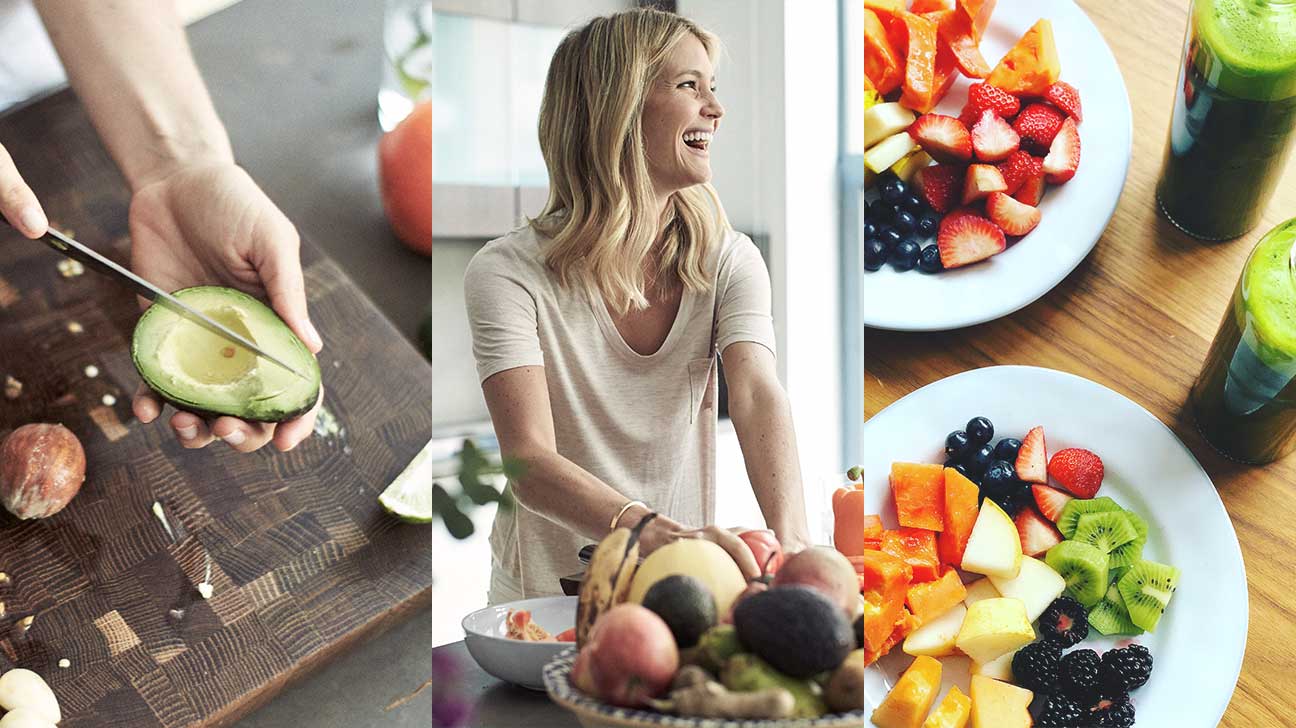
When we pack our diet with vibrant foods loaded with antioxidants, healthy fats, water, and essential nutrients, our body will show its appreciation through its largest organ: our skin. After all, the skin is often the first part of our body to show internal trouble, and there’s only so much that lotions, creams, masks, and serums can do before we need to take a closer look at what’s fueling us.
Researchers have even concluded that eating fruits and veggies is the safest and healthiest way to combat dull complexions and fine lines. Ready to glow?
Here are 10 of the best anti-aging foods to nourish your body for a glow that comes from within.
The health benefits of watercress don’t disappoint! This nutrient-dense hydrating leafy green is a great source of:
- calcium
- potassium
- manganese
- phosphorus
- vitamins A, C, K, B-1, and B-2
Watercress acts as an internal skin antiseptic and increases the circulation and delivery of minerals to all cells of the body, resulting in enhanced oxygenation of the skin.
Packed with vitamins A and C, the antioxidants in watercress may neutralize harmful free radicals, helping to keep fine lines and wrinkles away.
To try: Add a handful of this flavorful green to your salad today for glowing skin and overall improved health!
OTHER YOUTHFUL BENEFITS: This delicious green may also boost immunity (as seen in trouts), aid digestion (in one cell study), and provide thyroid support due to its iodine content.
Red bell peppers are loaded with antioxidants which reign supreme when it comes to anti-aging. In addition to their high content of vitamin C — which is good for collagen production — red bell peppers contain powerful antioxidants called carotenoids.
Carotenoids are plant pigments responsible for the bright red, yellow, and orange colors you see in many fruits and vegetables. They have a variety of anti-inflammatory properties and may help protect skin from sun damage, pollution, and environmental toxins.
To try: Slice bell peppers and dip them in hummus as a snack, add them into a raw salad, or cook them up in a stir-fry.
This delicious superfood is rich in a variety of antioxidants, vitamins, and minerals that may help to improve skin elasticity and minimize the appearance of fine lines and wrinkles.
These include:
- vitamins A, C, K, and E
- calcium
- potassium
- magnesium
- phosphorus
- B vitamins
The wide range of antioxidants in papaya helps to fight free radical damage and may delay signs of aging. Papaya also contains an enzyme called papain, which provides additional anti-aging benefits by working as one of nature’s best anti-inflammatory agents. It’s also found in many exfoliating products.
So yes, eating papaya (or using products containing papain) may help your body shed dead skin cells, leaving you with glowing, vibrant skin!
To try: Drizzle fresh lime juice over a big plate of papaya as part of your breakfast or make a papaya mask at home for your next night in!
Blueberries are rich in vitamins A and C, as well as an age-defying antioxidant called anthocyanin. This is what gives blueberries their deep, beautiful blue color.
These powerful antioxidants may help protect skin from damage due to the sun, stress, and pollution by moderating the inflammatory response and preventing collagen loss.
To try: Throw this delicious, low-sugar fruit into a morning smoothie or fruit bowl, and let it provide a beautifying punch!
Broccoli is an anti-inflammatory, anti-aging powerhouse packed with:
- vitamins C and K
- a variety of antioxidants
- fiber
- folate
- lutein
- calcium
Your body needs vitamin C for the production of collagen, the main protein in skin that gives it strength and elasticity.
To try: You can eat broccoli raw for a quick snack, but if you have the time, gently steam before eating. From charred bites to pesto sauces, cooking broccoli actually helps release more health benefits for your body.
OTHER YOUTHFUL BENEFITS :The nutrient lutein, has been linked to the preservation of the brain’s memory function, as well as vitamin K and calcium (which are essential for bone health and the prevention of osteoporosis). Is there anything this anti-aging cruciferous veggie can’t do?
Spinach is super hydrating and packed with antioxidants that help to oxygenate and replenish the entire body. It’s also rich in:
- vitamins A, C, E, and K
- magnesium
- plant-based heme iron
- lutein
This versatile leafy green’s high vitamin C content enhances collagen production to keep skin firm and smooth. But that’s not all. The vitamin A it provides may promote strong, shiny hair, while vitamin K has been shown to help reduce inflammation in cells.
To try: Add handfuls of spinach to a smoothie, salad, or sauté.
Many nuts (especially almonds) are a great source of vitamin E, which may help repair skin tissue, retain skin moisture, and protect skin from damaging UV rays. Walnuts even contain anti-inflammatory omega-3 fatty acids that may help:
- strengthen skin cell membranes
- protect against sun damage
- give skin a beautiful glow by preserving its natural oil barrier
To try: Sprinkle a mix of nuts on top of your salads, or eat a handful as a snack. Don’t remove the skin, either, as studies show that 50 percent or more of the antioxidants are lost without the skin.
EATING NUTS IS LINKED TO:• reduced risk for heart disease (walnuts) and type 2 diabetes (pistachios)
•potential prevention of cognitive decline in older adults (almonds)
Avocados are high in inflammation-fighting fatty acids that promote smooth, supple skin. They also contain a variety of essential nutrients that may prevent the negative effects of aging, including:
- vitamins K, C, E, and A
- B vitamins
- potassium
The high content of vitamin A in avocados can help us shed dead skin cells, leaving us with gorgeous, glowing skin. Their carotenoid content may also assist in blocking toxins and damage from the sun’s rays and also help to protect against skin cancers.
To try: Throw some avocado into a salad, smoothie, or just eat it with a spoon. You can also try it topically as an incredible moisturizing mask to fight inflammation, reduce redness, and help prevent wrinkles!
The orange color of the sweet potato comes from an antioxidant called beta-carotene which is converted to vitamin A. Vitamin A may help restore skin elasticity, promote skin cell turnover, and ultimately contribute to soft, youthful-looking skin.
This delicious root vegetable is also a great source of vitamins C and E — both of which may protect our skin from harmful free radicals and keep our complexion radiant.
Pomegranates have been used for centuries as a healing medicinal fruit. High in vitamin C and a variety of potent antioxidants, pomegranates may protect our body from free radical damage and reduce levels of inflammation in our system.
These healthy fruits also contain a compound called punicalagins, which may help to preserve collagen in the skin, slowing signs of aging.
To try: Sprinkle these sweet little jewels onto a baby spinach walnut salad for an anti-aging treat!
OTHER YOUTHFUL BENEFITSResearch has also shown that a compound called urolithin A, which is produced when pomegranates interact with gut bacteria, may rejuvenate mitochondria. It was even seen to reverse muscle aging in rat studies.
By nourishing ourselves with these anti-aging foods, we can gain fuel to look and feel our best.
If you’re looking for more delicious plants to try, choose fruits and vegetables deep in color. The rich shades are usually a sign of stronger radical fighting abilities to keep your skin healthy and vibrant. The more colors you can fit on your plate, the better.
It’s time to slow down signs of aging and truly glow from within!
WANT A MORE NATURAL APPROACH TO YOUR HEALTH CARE?
GIVE US A CALL AND WE CAN HELP YOU OPTIMIZE YOUR HEALTH, NATURALLY!!
704-543-5540

PMS - Understanding it...natural ways to ease it ??
PMS (Premenstrual Syndrome)
Premenstrual syndrome (PMS) is a condition that affects a woman’s emotions, physical health, and behavior during certain days of the menstrual cycle, generally just before her menses.
PMS is a very common condition. Its symptoms affect more than 90 percent of menstruating women. It must impair some aspect of your life for your doctor to diagnose you.
PMS symptoms start five to 11 days before menstruation and typically go away once menstruation begins. The cause of PMS is unknown.
However, many researchers believe that it’s related to a change in both sex hormone and serotonin levels at the beginning of the menstrual cycle.
Levels of estrogen and progesterone increase during certain times of the month. An increase in these hormones can cause mood swings, anxiety, and irritability. Ovarian steroids also modulate activity in parts of your brain associated with premenstrual symptoms.
Serotonin levels affect mood. Serotonin is a chemical in your brain and gut that affects your moods, emotions, and thoughts.
A woman’s menstrual cycle lasts an average of 28 days.
Ovulation, the period when an egg is released from the ovaries, occurs on day 14 of the cycle. Menstruation, or bleeding, occurs on day 28 of the cycle. PMS symptoms can begin around day 14 and last until seven days after the start of menstruation.
The symptoms of PMS are usually mild or moderate. Nearly 80 percent of women report one or more symptom that does not substantially affect daily functioning, according to the journal American Family Physician.
Twenty to 32 percent of women report moderate to severe symptoms that affect some aspect of life. Three to 8 percent report PMDD. The severity of symptoms can vary by individual and by month.
The symptoms of PMS include:
- abdominal bloating
- abdominal pain
- sore breasts
- acne
- food cravings, especially for sweets
- constipation
- diarrhea
- headaches
- sensitivity to light or sound
- fatigue
- irritability
- changes in sleep patterns
- anxiety
- depression
- sadness
- emotional outbursts
See your doctor if physical pain, mood swings, and other symptoms start to affect your daily life, or if your symptoms don’t go away.
The diagnosis is made when you have more than one recurrent symptom in the correct time frame that is severe enough to cause impairment and is absent between menses and ovulation. Your doctor must also rule out other causes, such as:
- anemia
- endometriosis
- thyroid disease
- irritable bowel syndrome (IBS)
- chronic fatigue syndrome
- connective tissue or rheumatologic diseases
Your doctor may ask about any history of depression or mood disorders in your family to determine whether your symptoms are the result of PMS or another condition. Some conditions, such as IBS, hypothyroidism, and pregnancy, have symptoms similar to PMS.
Your doctor may do a thyroid hormone test to ensure that your thyroid gland is working properly, a pregnancy test, and possibly a pelvic exam to check for any gynecological problems.
Keeping a diary of your symptoms is another way to determine if you have PMS. Use a calendar to keep track of your symptoms and menstruation every month. If your symptoms start around the same time each month, PMS is a likely cause.
If you have a mild or moderate form of premenstrual syndrome, the treatment options include:
- drinking plenty of fluids to ease abdominal bloating
- eating a balanced diet to improve your overall health and energy level, which means eating plenty of fruits and vegetables and reducing your intake of sugar, salt, caffeine, and alcohol
- taking supplements, such as folic acid, vitamin B-6, calcium, and magnesium to reduce cramps and mood swings
- taking vitamin D & Magnesium, as well as herbs to reduce symptoms
- sleeping at least eight hours per night to reduce fatigue
- exercising to decrease bloating and improve your mental health
- reducing stress, such as through exercising and reading
- going to cognitive behavioral therapy, which has been shown to be effective
Severe PMS symptoms are rare. A small percentage of women who have severe symptoms have premenstrual dysphoric disorder (PMDD).
PMDD affects between 3 and 8 percent of women. This is characterized in the new edition of the Diagnostic and Statistical Manual of Mental Disorders.
The symptoms of PMDD may include:
- depression
- thoughts of suicide
- panic attacks
- extreme anxiety
- anger with severe mood swings
- crying spells
- a lack of interest in daily activities
- insomnia
- trouble thinking or focusing
- binge eating
- painful cramping
- bloating
The symptoms of PMDD may occur due to changes in your estrogen and progesterone levels. A connection between low serotonin levels and PMDD also exists.
Your doctor may do the following to rule out other medical problems:
- a physical exam
- a gynecological exam
- a complete blood count
- a liver function test
Treatment for PMDD varies. Your doctor may recommend:
- daily exercise
- vitamin supplements, such as calcium, magnesium, and vitamin B-6
- a caffeine-free diet
- stress management classes
If your PMDD symptoms still do not improve, CALL US- WE CAN GET A NATURAL APPROACH TO PMS!! 704-543-5540
PMS and PMDD symptoms can recur, but they typically go away after the start of menstruation. A healthy lifestyle and a comprehensive treatment plan can reduce or eliminate the symptoms for most women.
Q:
How do PMS symptoms change as a woman approaches perimenopause and menopause?
A:
As a woman approaches menopause, the ovulatory cycles become sporadic as the ovarian sex hormone production decreases. The result of this is a heterogeneous and somewhat unpredictable course of symptoms. Muddying the water is the use of hormonal therapy to treat some of the symptoms of menopause, like hot flashes, which can further alter the symptoms. As menopause approaches, women should consult with their physician if the symptoms change or new symptoms are generated.

DEET bug spray can be harmful here's why- DIY bug spray -
Ways to avoid lyme's and other fun bug related illnesses...
AVOID INFECTION WITH EASY, NATURAL PRECAUTIONS
After playing outside in wooded, grassy, or brushy areas, check for ticks. Nymphs start feeding on blood when they’re as small as a speck of black pepper, so it’s not overkill to inspect every little particle of dirt you find.
HERE’S HOW TO DO A THOROUGH TICK CHECK:
Keep a comb in the car and do thorough tick checks on yourself, the kids, and the pets before you head home.
Thoroughly check any gear you took with you.
Look for ticks on clothing.
Keep the dog’s hair short in the summer so you can easily check her for hitchhikers.
If your zoning allows, get some guinea hens. They love to eat ticks and they’ll provide eggs if you keep them happy enough.
WHAT ABOUT BUG SPRAY?
Where’s the bug spray in our precautions list? Well, the main active ingredient in most bug sprays, DEET (N,N-Diethyl-meta-toluamide), causes adverse effects such as manic psychosis,[1] seizures that power through anti-convulsants,[2] and cardiovascular changes.[3] This stuff is bad news. Just skip it.
Avoiding DEET doesn’t mean forgoing bug spray altogether. Bugs simply do not like a select variety of plants, and you can use this to your advantage with a few targeted essential oils. Ticks, in particular, have very specific distastes and some oils like tea tree, geranium, and eucalyptus are even lethal.[4][5]
Your natural, homemade bug spray recipe, backed by science includes:
Tea tree oil: Tea tree oil actually kills ticks, so that’s a no-brainer.[6]
Lemon Eucalyptus: This one has strong tick repellant properties, comparable to DEET.
Citronella: No bug spray is complete without citronella because mosquitoes suck in every sense of the word.
Lavender and geranium also repel ticks but aren’t as strong as lemon eucalyptus.[7] Go ahead and add them anyway for a little extra protection and more importantly so you don’t smell like a tiki torch.
DIY BUG SPRAY RECIPE
Ingredients:
1/4 cup water
1/4 cup witch hazel astringent (use distillate for dry or sensitive skin)
1/2 tsp Brain Octane Oil or other light culinary oil
10 drops lemon eucalyptus essential oil
10 drops citronella essential oil
10 drops tea tree essential oil
5 drops geranium essential oil
5 drops lavender essential oil
Sourced from: https://blog.daveasprey.com/natural-homemade-bug-spray-that-works/
Instructions:
Combine all ingredients in a dark glass spray bottle. That’s it! Since the essential oils tend to float on top, give it a good shake every time you apply. Adding a few drops of castile soap or vegetable glycerin can help with separation, but you still have to shake before applying.
Even if you’ve sprayed, go through the tick check after hanging out in areas with trees and brush. It’s too quick and easy of a step to skip.
CALL TODAY FOR MORE HEALTH SUPPORT
704-543-5540