

Magnesium for Menopause Symptoms
Can Magnesium Help Relieve Menopause Symptoms?
We include products we think are useful for our readers. If you buy through links on this page, we may earn a small commission. Here’s our process.
Magnesium is an important mineral in the human body .
It influences mood regulation, supports healthy bones and hormone levels, and is involved in hundreds of biochemical reactions throughout your body (1Trusted Source).
What’s more, as women reach older adulthood and experience menopause, magnesium becomes particularly important for good health and may even help reduce menopause symptoms.
This article tells you all you need to know about magnesium and menopause, including its benefits, side effects, and ways to get it in your diet.

Menopause is a natural phase in a woman’s life that occurs at the age of 51–52, on average, though it can occur many years before or after (2Trusted Source).
It’s characterized by a loss of menstruation along with other symptoms, such as hot flashes, difficulty sleeping, weight gain, decrease in bone and muscle mass, and changes in hormones — namely estrogen and progesterone (3Trusted Source, 4Trusted Source, 5Trusted Source, 6Trusted Source).
Because of the importance of maintaining a healthy weight along with strong bones and muscles, it’s important to address these issues early on in menopause.
SUMMARYMenopause occurs when a woman has experienced their last period and usually occurs between 51–52 years of age. Common side effects include hot flashes, trouble sleeping, weight gain, and weakened bones.
Approximately 60% of your magnesium is stored in your bone and plays a crucial role in preventing osteoporosis. Osteoporosis — defined as low bone mineral density — affects between 10–30% of postmenopausal women and increases with age (7Trusted Source, 8Trusted Source, 9Trusted Source, 10Trusted Source).
Bones undergo a natural remodeling process known as osteogenesis to strengthen themselves. During this stage, bones are broken down by osteoclasts and then rebuilt by osteoblasts. For young people, bones are rebuilt faster and more effectively (2Trusted Source).
During menopause, estrogen levels decline, leading to a spike in osteoclast activity (bone loss). As a result, bones are being broken down at a faster rate than they’re being rebuilt, leading to weakened, porous bones (2Trusted Source).
Magnesium deficiency is highly associated with osteoporosis due to its important role in cartilage and bone matrix calcification, or increased bone strength. It’s also linked to lower activity of parathyroid hormone (PTH) and vitamin D, both of which are crucial for bone development (7Trusted Source).
What’s more, low magnesium appears to decrease osteoblast activity and increase inflammation, making bones weaker over time (7Trusted Source).
One short-term study in 20 women with osteoporosis found that supplementing with 1,830 mg of magnesium citrate — an equivalent of 290 mg of elemental magnesium — per day for 30 days led to decreased bone turnover, which suggests a decrease in bone loss (11Trusted Source).
Elemental magnesium is the actual amount of magnesium in a supplement. Most supplement containers list the weight of the supplement, such as 1,000 mg, which includes all ingredients. Look for “elemental magnesium” on the nutrition label to know how much you’re getting.
In a 7-year follow-up study in 73,684 postmenopausal women, a high intake of 334–422 mg or greater of magnesium from food or supplements was associated with greater bone mineral density (12Trusted Source).
Since magnesium plays a key role in bone health, ensuring adequate magnesium levels may slow the rate of bone loss.
SUMMARYApproximately 10–30% of postmenopausal women experience osteoporosis, a gradual decline in bone density. High magnesium intake through food and supplements may decrease the progression of osteoporosis and support bone health.
Other benefits
Though magnesium has not been shown to reduce hot flashes, it may help decrease other common menopause symptoms.
May improve sleep
Up to 60% of menopausal women experience insomnia or difficulty sleeping. Compared with premenopausal women, those transitioning through menopause, known as perimenopause, report significantly higher rates of poor sleep — in particular, waking up throughout the night (6Trusted Source, 13Trusted Source).
Hot flashes, night sweats, anxiety, depression, and a decrease in melatonin and progesterone, two hormones that have sleep-promoting effects, appear to be the main causes of menopausal insomnia (6Trusted Source, 13Trusted Source, 14Trusted Source, 15Trusted Source).
Lack of sleep is connected to an array of coexisting conditions related to menopause, such as irritability, depression, stress, and weight gain (6Trusted Source).
Magnesium may promote sleep by regulating your body’s circadian rhythms, known as the body’s natural clock, and increasing muscle relaxation. Furthermore, low magnesium intake is associated with fewer hours of sleep and overall lower sleep quality (16Trusted Source, 17Trusted Source).
One small study in 46 older adults found that supplementing with 500 mg of magnesium — an equivalent of 250 mg elemental magnesium — daily led to a significant increase in sleep duration, sleep quality, and melatonin production, while no improvements were seen in the control group (18Trusted Source).
Still, more robust research is needed.
May lower your risk of depression and anxiety
Depression is a common symptom among perimenopausal and postmenopausal women. Though it’s related to many factors, ensuring adequate magnesium levels may alleviate depressive symptoms (19Trusted Source, 20Trusted Source).
Magnesium plays a key role in brain function, mood regulation, and stress response, which may affect the progression and onset of depression and anxiety (20Trusted Source, 21Trusted Source).
Various studies have connected low magnesium levels to higher rates of depression. In one study in 8,984 participants, those with low levels of magnesium of less than 183 mg per day had higher rates of depression (20Trusted Source, 21Trusted Source).
In a study in 171 postmenopausal women, 81.9% of participants had low blood levels of magnesium. What’s more, those with low magnesium were also more likely to report low to moderate levels of depression (22Trusted Source).
Furthermore, some research has found a link between magnesium deficiency and increased anxiety (23Trusted Source).
Finally, older adults are at an increased risk of magnesium deficiency. Therefore, as a woman ages, it’s particularly important to get enough magnesium through diet or a supplement (24Trusted Source).
Though promising, most researchers agree that more research is needed (25Trusted Source).
Supports heart health
Heart disease is the leading cause of death in postmenopausal women (26Trusted Source, 27Trusted Source).
Though menopause does not cause heart disease, postmenopausal women are at an increased risk of high blood pressure, triglycerides, and levels of LDL (bad) cholesterol due to factors like decreased levels of estrogen, stress, age, and poor lifestyle habits (27Trusted Source).
What’s more, lower levels of magnesium are linked to poor heart health. In one study in 3,713 postmenopausal women, high magnesium levels were associated with lower inflammatory markers related to heart disease, indicating better heart health (28Trusted Source, 29Trusted Source).
Magnesium helps control heart muscle contractions and nerve impulses, allowing for a healthy heartbeat. What’s more, magnesium-rich foods are a significant source of antioxidants, healthy fats, protein, and fiber, all of which benefit heart health (30Trusted Source).
Considering that postmenopausal women are at a higher risk of low magnesium levels, it’s important for women to pay attention to this mineral to support their heart health. Be sure to speak with your healthcare provider before starting a magnesium supplement (28Trusted Source).
SUMMARYMagnesium from food and supplements may help reduce common symptoms of menopause, such as difficulty sleeping, depression, anxiety, and heart disease risk.
Magnesium is essential for good health and safe to consume from both food and supplements. It’s recommended that adult women get 320 mg of magnesium per day from food or a supplement (31Trusted Source).
For most people, excess magnesium intake from food does not pose a serious threat to health, as your body can excrete any excess through urine. This is due to your body’s tight regulation of magnesium when levels get too high or too low (1Trusted Source, 31Trusted Source).
Diarrhea and stomach upset are common side effects when magnesium supplements are consumed in excess (32Trusted Source).
Though rare for healthy people, magnesium toxicity can occur in those with reduced kidney function and cause heart irregularities, muscle weakness, difficulty breathing, and kidney failure (33Trusted Source).
Those who wish to try a magnesium supplement should consult their healthcare provider first.
SUMMARYMagnesium from food and supplements is considered safe for most people and toxicity is rare. However, if you have reduced kidney function or other health issues, speak with your healthcare provider to make sure it’s right for you.
Magnesium is found in many foods and supplements.
Food sources
Magnesium is found in many foods, making it easy to incorporate it into your diet. Foods high in magnesium include (34Trusted Source):
- almonds
- avocado
- bananas
- beans (black, red, white)
- broccoli
- cashews
- dark chocolate
- fish, such as halibut, mackerel, and salmon
- leafy greens, such as spinach and Swiss chard
- nuts, such as almonds or cashews
- oatmeal
- seeds, such as pumpkin, sesame, or sunflower
- soybeans
- tofu
- whole grains, including breads, pastas, or brown rice
Despite the many magnesium-rich foods available, most people do not get enough magnesium through diet. This is mostly due to the reliance of overly-processed foods and a lower intake of beans, lentils, vegetables, and whole grains (34Trusted Source).
To support your health as you age, be sure to get enough magnesium-rich foods in your diet.
Supplements
Magnesium supplements are available over the counter or online.
There are many forms of magnesium, such as magnesium aspartate, carbonate, citrate, glycinate, lactate, malate, and orotate. It’s also common to see magnesium paired with calcium, another important mineral for bone health (34Trusted Source).
Magnesium aspartate, citrate, chloride, and malate are known for being the most bioavailable — or best absorbed — in the body to replenish magnesium levels. Still, your healthcare provider may suggest other types depending on your specific needs (35Trusted Source).
Moreover, most multivitamins, which are generally recommended for women over the age of 50 years, contain magnesium to help you meet your daily magnesium needs.
Though generally safe, if you’re unsure whether a magnesium supplement is right for you, talk to your healthcare provider.
SUMMARYMagnesium is found in many foods, such as dark chocolate, leafy greens, nuts, seeds, and whole grains. It’s also available as an individual supplement, paired with calcium, or in a multivitamin.
Magnesium plays a vital role in health throughout all life stages.
During menopause, it’s important for keeping bones strong and preventing osteoporosis, or weakening of bones. Magnesium may also reduce unwanted side effects of menopause, such as difficulty sleeping and depression while supporting heart health.
Most menopausal women have inadequate magnesium levels, putting them at greater risk of poor health. However, magnesium can be consumed through many foods, such as dark chocolate, beans, lentils, nuts, seeds, leafy greens, and whole grains.
You can also easily find magnesium supplements over the counter or online. For most people, they’re considered safe for use, but be sure to consult your healthcare provider first.
Getting enough magnesium each day is important for your overall health and may reduce unwanted symptoms of menopause.
(This article was written by a guest writer)
Click here to visit our online dispensary -
FILL OUT OUR ONLINE ASSESSMENT & SCHEDULE YOUR FREE 15 MINUTE CALL TO REVIEW -
YOUR MENOPAUSAL SYMPTOMS CAN BE ADDRESSED NATURALLY - :)


How often should one do a breast exam?? What to look for...
How often should I do a breast self exam (BSE)?
Give yourself a breast self-exam once a month.
Look for any changes in breast tissue, such as changes in size, feeling a palpable lump, dimpling or puckering of the breast, inversion of the nipple, redness or scaliness of the breast skin, redness or scaliness of the nipple/areola area, or discharge of secretions from the nipple.
If you discover a persistent lump in your breast or any changes, it is very important that you see a physician immediately. Though 8 out of 10 lumps are benign, all require evaluation to confirm that they are not cancerous.
Women should perform their breast self exam 7-10 days after their menstrual period starts which is also when their breasts are the least tender and lumpy. If they are no longer menstruating, then she should select the same day of the month (first of the month for example) and mark it on the calendar to remind herself when to perform this self exam. What to look for is a change from last month’s exam to this month’s exam.
It is not unusual to have lumpy or bumpy breasts.
All women should know the geography of their own breasts. If having trouble remembering, draw a diagram of where the lumps, bumps, grooves, and other findings are felt so that this can be used as a reminder from month to month. There is no added value in doing breast self exams more often than monthly. Also the findings may be different as well, in relationship to where a woman is in her menstrual cycle.
Check out HERSCAN.com for more information on healthier options to breast screening.
Want to LEARN more?
Click here to watch a free webinar about what to look for when doing a breast exam ...
SCHEDULE A FREE 15 MINUTE 'DISCOVERY CALL' TO FIND OUT MORE ON HOW WE CAN HELP - 704-543-5540

6 Health Promoting Herbal Teas - ?
Plants, herbs, and spices have been used medicinally for centuries.
They contain powerful plant compounds or phytochemicals that can prevent oxidative damage to your cells and reduce inflammation.
Due to their anti-inflammatory properties, certain plants may relieve pain that’s caused by inflammation. They may also help manage certain diseases that are triggered by it.
Drinking tea made from these plants, herbs, and spices is an easy way to enjoy their benefits.
Here are 6 powerful teas that may fight inflammation.

Green tea comes from the same shrub as black tea, but the leaves are processed differently, allowing them to retain their green color.
The health-promoting compounds in green tea are called polyphenols, of which epigallocatechin-3-gallate (EGCG) is the most potent (1Trusted Source).
EGCG has anti-inflammatory properties that can help relieve some of the flare-ups associated with inflammatory bowel diseases (IBDs) like Crohn’s disease and ulcerative colitis (1Trusted Source, 2Trusted Source).
In a 56-day study in people with ulcerative colitis who didn’t respond to conventional medication, treatment with an EGCG-based medication improved symptoms by 58.3%, compared with no improvements in the placebo group (2Trusted Source).
Green tea also seems to reduce inflammation-driven conditions like heart disease, Alzheimer’s, and even certain cancers (1Trusted Source).
To brew green tea, steep a tea bag or loose tea leaves in a tea infuser for five minutes. Matcha powder is finely ground green tea leaves, and you can simply stir a spoonful into hot water or milk.
While green tea is safe to consume for most people, it contains caffeine, which may negatively impact sleep in some people. Plus, drinking large amounts of this beverage may inhibit iron absorption (3Trusted Source).
In addition, compounds in green tea can interact with certain medications, including acetaminophen, codeine, verapamil, nadolol, tamoxifen, and bortezomib, so check with your healthcare provider — especially if you drink a lot of it (4Trusted Source).
If you want to give green tea a try, you can find it locally or online. Matcha powder is widely available as well.
SUMMARY Green and matcha teas are sources of the anti-inflammatory polyphenol EGCG, which may reduce inflammation and symptoms associated with IBDs and other inflammation-driven chronic conditions.
Also known by its Hindi name tulsi, holy basil is a perennial plant native to India and Southeast Asia. In Ayurvedic medicine, it’s known as “the incomparable one” and “queen of herbs” due to its wide range of health-promoting properties.
Referred to as an adaptogenic herb in alternative medicine, holy basil is thought to help your body counter emotional, environmental, and metabolic stress. These are often the root causes of inflammation that lead to chronic disease (5Trusted Source).
Both animal and human studies have found that holy basil has anti-inflammatory properties that may reduce blood sugar, cholesterol, and blood pressure levels (6Trusted Source).
Compounds in the leaves and seeds of the holy basil plant may also reduce uric acid levels, alleviating the pain that results from inflammatory conditions like gout and rheumatoid arthritis (6Trusted Source).
Some of holy basil’s compounds fight inflammation by inhibiting the cox-1 and cox-2 enzymes, which produce inflammatory compounds and trigger pain, swelling, and inflammation (6Trusted Source).
Holy basil or tulsi tea is available at many natural food stores and online. To brew it, use loose leaves or a tea bag and let it steep for five minutes.
Tulsi tea should be safe for most people to drink every day.
SUMMARY- Holy basil, or tulsi, tea may fight inflammation and reduce pain from gout, arthritis, or other inflammatory conditions. It may also lower your cholesterol, blood sugar, and blood pressure levels.
Turmeric is a flowering plant with an edible root or rhizome that’s often dried and made into a spice. The root can likewise be peeled and minced.
The active ingredient in turmeric is curcumin, a yellow compound known for its many health benefits. It reduces inflammation and pain by interrupting some of the pathways that lead to this condition (7Trusted Source).
Turmeric and curcumin have been studied for their effects on chronic inflammatory illnesses like rheumatoid arthritis, IBD, and heart disease. They may also relieve arthritic joint pain and muscle soreness after exercise — both of which are caused by inflammation (7Trusted Source, 8Trusted Source, 9Trusted Source).
In a 6-day study in people with pain and inflammation from osteoarthritis, taking 1,500 mg of curcumin in divided doses 3 times daily significantly reduced pain and improved physical function, compared with a placebo (8Trusted Source).
Another study in 20 active men showed that taking 400 mg of curcumin reduced muscle soreness and muscle damage after exercise, compared with a placebo (9Trusted Source).
However, these studies used large doses of concentrated curcumin, so it’s unclear whether drinking turmeric tea would have the same effect (10Trusted Source).
If you want to try turmeric tea, simmer 1 teaspoon of either powdered turmeric or peeled, grated turmeric root in a pot with 2 cups (475 ml) of water for about 10 minutes. Then strain the solids and add lemon or honey to taste.
Curcumin is better absorbed with some black pepper, so add a pinch to your tea (7Trusted Source).
SUMMARYCurcumin, the active ingredient in turmeric, may relieve inflammation and pain when taken in large doses. Yet, it’s unclear whether the amount in turmeric tea would have the same effect.
Over 50 different antioxidant compounds have been identified in ginger. Many of them minimize the production of cytokines, which are pro-inflammatory substances in your body (11Trusted Source).
In a 12-week study in people with diabetes, taking 1,600 mg of ginger each day reduced fasting blood sugar, total cholesterol, triglycerides, and inflammatory blood markers, including C-reactive protein (CRP), compared with a placebo (12Trusted Source).
Similarly, taking 1,000 mg of ginger daily for 3 months significantly lowered inflammatory markers in people with osteoarthritis (13Trusted Source).
Still, these studies used high doses of ginger — not ginger tea. Therefore, it’s unclear whether drinking ginger tea would have the same effects.
Due to its slightly sweet and spicy flavor, ginger makes a delicious tea. Simmer 1 tablespoon of fresh, peeled ginger or 1 teaspoon of powdered ginger with 2 cups (475 ml) of water. Strain it after 10 minutes, and enjoy it with lemon or honey.
SUMMARY -Ginger contains compounds that limit the production of pro-inflammatory substances in your body. It has benefits for blood sugar and cholesterol levels and can reduce arthritis-related pain and inflammation.
Rose hips are the coral-red, round, edible pseudo-fruits that are left after a rose bush loses its flowers.
They have been used as an herbal medicine for more than 2,000 years, as they’re packed with antioxidants, including beta carotene and vitamins C and E (14).
Rose hips contain phenolic compounds, which are powerful anti-inflammatory antioxidants that protect your cells from damage (15Trusted Source).
Studies show that rosehip powder reduces pain and other symptoms related to rheumatoid arthritis by limiting the production of pro-inflammatory cytokine chemicals (15Trusted Source).
Rose hips also contain healthy fat compounds like triterpenoic acids, ursolic acid, oleanolic acid, and betulinic acid. These inhibit the cox-1 and cox-2 enzymes, which trigger inflammation and pain (15Trusted Source).
To make rosehip tea, use about 10 whole, fresh or dried rose hips and mash or crumble them. Mix them with about 1 1/2 cups (355 ml) of very hot (not boiling) water and let them steep for 6–8 minutes. Strain the drink to remove the solids and add honey if desired.
Rosehip tea has a deep red-coral color and floral notes.
SUMMARYStudies show that rose hips reduce pro-inflammatory chemicals and inhibit cox-1 and 2 enzymes, which trigger inflammation and pain.
The flavor of the seeds and bulb from the Mediterranean fennel plant is often compared to that of licorice or anise. So if you’re a fan of these, fennel makes a delicious tea that also fights inflammation.
Like rose hips, fennel is full of anti-inflammatory phenolic compounds. Some of the most active ones are caffeoylquinic acid, rosmarinic acid, quercetin, and kaempferol (16Trusted Source).
Some research indicates that fennel may reduce pain, especially menstruation-related pain, which may be due to its powerful anti-inflammatory compounds.
A 3-day study in 60 young women demonstrated that treatment with 120 grams of fennel extract per day significantly reduced menstrual pain, compared with a placebo (17Trusted Source).
Fennel tea is easy to make with fennel seeds from your spice rack. Pour 1 cup (240 ml) of boiling water over 2 teaspoons of crushed fennel seeds and let them steep for about 10 minutes. Add honey or sweetener if you like.
SUMMARYFennel tea, made from the licorice-flavored spice, may relieve pain due to its anti-inflammatory properties.
Here are a few tips to keep in mind.
Brew a better cup
When brewing a fresh cup of tea, use loose leaves with a tea infuser rather than a tea bag if possible. A study on antioxidants in tea found that loose-leaf teas tend to contain more anti-inflammatory antioxidants than tea bags (18).
The same study noted that when steeping tea, 5 minutes is long enough to extract 80–90% of its antioxidant content. A longer steeping time doesn’t extract much more (18).
Be creative and combine different teas and other anti-inflammatory herbs, spices like cinnamon and cardamom, or even fruits like lemon or orange slices. Many of these ingredients work together to provide even more health benefits (19Trusted Source).
Don’t forget that teas are made from plants, which can spoil or lose their potency over time. Always use fresh ingredients when brewing your tea.
Be careful about your tea’s quality and quantity
While teas can help fight inflammation and provide various other health benefits, there are some concerns to consider.
Some tea plants are treated with pesticides and herbicides, so try to choose high-quality, organic or pesticide-free varieties.
A study on pesticides in tea imported from China found residues in 198 of 223 samples. In fact, 39 had residues that were over the European Union’s maximum limits (20).
In addition, teas should be stored in an airtight container in a dark, dry place. If not stored properly, they can harbor mycotoxins, a harmful byproduct from a fungus that can grow on some foods and has been found in tea (21Trusted Source).
Finally, some teas may interact with medications, supplements, or herbs if you drink a lot of it. Consult your healthcare practitioner if you have concerns about possible interactions (4Trusted Source).
SUMMARYTo brew the best cup of tea, use fresh ingredients and be careful about the quality to avoid pesticides, herbicides, or mold. Also, be aware that compounds in some teas may interact with your medications.
Drinking tea is an easy and delicious way to enjoy the anti-inflammatory and other health benefits of plants, herbs, and spices.
Try sipping on some of the teas listed above, including green, rosehip, ginger, and turmeric tea, to reap their inflammation-fighting and health-promoting benefits.
With so many varieties and flavors to choose from, it’s no wonder tea is one of the most popular beverages worldwide.


READ THIS NEXT

9 Signs you can use a detox - here's why

Detoxification is a subject contested by a lot of people perhaps due to conflicting marketing messages online. The thing is, our bodies detox naturally, every single day. However, if we overburden the human organism with toxins, this can result in an overtoxified system that simply needs a break. Toxins are lurking everywhere in modern society. As we strive for convenience, it seems like we make everything more toxic, burdening the environment with pesticides, fertilizers, heavy metals, plastics, as well as waste products from factories and agriculture.
The overwhelming number of toxins in our environment is not a fabrication of health enthusiasts. The Environmental Protection Agency (EPA) lists more than 86,228 chemicals under their Toxic Substances Control Act (TSCA). The simple fact is pesticides like imidacloprid can harm honey bees, and, therefore, humans as well.
Even Newborn Babies Have Toxins
An even more shocking trend is that trace chemicals are showing up in umbilical cord blood. 287 toxic chemicals were found in the umbilical cord of newborns, of which 217 are toxic to the brain and nervous system. In another study, 90% of pregnant mothers and their newborns were found to have high levels of 59 man-made chemicals, including PCBs and OCPs.
>Related: Impact of Diet on Baby's Microbiome
Toxins seep into our bodies from the environment a number of ways: we breathe them in; they penetrate our food; they’re also in drinking water. In order to identify whether or not you are suffering from a toxic load, it’s important to recognize the symptoms. This can look like feeling sluggish, fatigued, sick and bloated.
Knowing when enough is enough, that it’s time to take a step back and reboot our systems is becoming increasingly important. In this article, we’ll discuss 10 signs that could indicate your body is experiencing a toxic burden, and would benefit from nutritional support for more effective detoxification.
Feeling Tired All the Time
If you’re feeling tired all the time, it can be a sign that your body wants to recharge its batteries. Our bodies switch into rest and digest mode at night when we sleep, a time for healing and regeneration. When overburdened with toxins, whether alcohol, processed food, or other toxins, the body can find it hard to flush out foreign substances. There are 87 known toxic chemicals that cause fatigue.
Feeling Blue, or Low Moods
Many toxic chemicals can cause depression - even alcohol when abused can lower mood. There are 40 known toxic compounds that are known to cause neurotoxicity and a blue mood in some people.
Brain Fog/Finding It Hard to Focus
Brain fog can happen due to toxic overwhelm. Some products commonly found in our homes contain toxic chemicals. For example, methylene chloride (also known as dichloromethane) is commonly found in aerosol cans, and as such is in products like deodorant, air fresheners, spray paint and hair sprays. Many aerosol propellants contain up to 50% methylene chloride.
Sore Joints and Muscles
Toxins can disrupt the metabolism and as such can cause pain in the joints and muscles.
Having Trouble Sleeping
An overload of toxins can get deep inside our bodies and cause cellular poisoning. In a study of 66 men who were exposed to solvents as part of their job, one fifth was found to suffer from sleep apnea. Environmental Neurotoxicology has found that there are 119 chemicals that can disturb sleep
Cravings for Unhealthy Carbs or Sugar
When the body is craving carbs or sugar, normally it’s a sign that your system is out of whack. The gut can become filled with microbes that prefer sugar and carbs to healthier foods. Seeking out a quick energy boost is another reason that we can crave carbs or sugar - to overcome fatigue, due to the body being out of balance and not consuming or utilizing nutrients effectively.
Related: Nutritional Genomics as It Relates to Detoxification
Bloating or Digestive Issues
Too much processed food or toxins can lead to Small Intestinal Bacterial Overgrowth (SIBO). In turn, this bacterial overgrowth can cause leaky gut and block the ability to absorb nutrients. As well as causing bloating and digestive distress.
Headaches
Man-made chemicals like toluene can trigger headaches, drowsiness and make it difficult to concentrate. Toluene is one of the most common household chemicals, that has been found to damage the kidneys, liver, and lungs. Toluene is a chemical used in oil refining and can be found in paint thinners, nail polish, glues, paintbrush cleaners, inks, and stain removers.
Impaired Immune System
Vitamins, minerals and amino acids work to detoxify waste, foreign chemicals and reactive oxygen species (ROS). When the body is over-toxed, it is hard to absorb nutrients effectively, which can cause a downward spiral for overall health. The immune system plays a key role in cleansing out some toxic chemicals and as such the immune system can become overburdened if there are too many toxins in the system.
Related: Key Foods to Boost the Immune System
In one study published by the Archives of Environmental Health, 27 subjects were exposed to technical chlordane, a chemical substance used to remove termites. Researchers found that T and B cells were activated and the immune system alterations were still present 10 years on.
The Bottom Line
The good news is that a detox diet that avoids processed foods and environmental toxins will go a long way to detoxifying the human body. The first step is reducing your toxic load. Nutritional status plays a big role in how well we detoxify, so assessing functional nutrient deficiencies is a good idea. In particular, the following compounds are critical to aid the body's detoxification pathways: vitamin E, selenium, glutathione, glycine and vitamin C.
There is no doubt that modern society is placing a heavy toxic burden on our bodies and the environment at large. Taking time to detoxify the body can provide some much-needed respite, cleansing the body of unwanted chemicals, and restoring vibrant health.
Above written by: Guest writer from biotics research.
We have a 7 day detox, it includes :
- Liver supportive supplements a 7 day supply
- A supportive protein shake
- 7 Day Meal Plan
FAQS:
WHAT IS IT? Essentially doing the shake and eating cleaner foods for 7 days really helps to take the edge off and improve your symptoms of fatigue, lack of sleep and mood issues.
HOW OFTEN SHOULD I DO THIS? Do this detox 1-2 times a year - and you will feel wonderful!
WHAT TO EXPECT? Typically the first few days you may feel off a bit , possibly headaches or irritability but after that you will feel wonderful.
WHO SHOULDN'T DO THIS? For those on a number of prescription drugs, it is not recommended, or check in with your doctor. As well as those that are pregnant or nursing.
CALL TODAY -or EMAIL info@charlottenaturalwellness.com
7 DAY DETOX KITS ARE $150-

18 Yummy Foods To Help Relieve Stress
18 Terrific Foods to Help Relieve Stress
If you’re feeling stressed, it’s only natural to seek relief.
While occasional bouts of stress are difficult to avoid, chronic stress can take a serious toll on your physical and emotional health. In fact, it may increase your risk of conditions like heart disease and depression
Interestingly, certain foods and beverages may have stress-relieving qualities.
Here are 18 stress-relieving foods and beverages to add to your diet.

This vibrant green tea powder is popular among health enthusiasts because it’s rich in L-theanine, a non-protein amino acid with powerful stress-relieving properties.
Matcha is a better source of this amino acid than other types of green tea, as it’s made from green tea leaves grown in shade. This process increases its content of certain compounds, including L-theanine (5Trusted Source).
Both human and animal studies show that matcha may reduce stress if its L-theanine content is high enough and its caffeine is low (6Trusted Source).
For example, in a 15-day study, 36 people ate cookies containing 4.5 grams of matcha powder each day. They experienced significantly reduced activity of the stress marker salivary alpha-amylase, compared with a placebo group (7Trusted Source).
Swiss chard is a leafy green vegetable that’s packed with stress-fighting nutrients.
Just 1 cup (175 grams) of cooked Swiss chard contains 36% of the recommended intake for magnesium, which plays an important role in your body’s stress response (8Trusted Source, 9Trusted Source).
Low levels of this mineral are associated with conditions like anxiety and panic attacks. Plus, chronic stress may deplete your body’s magnesium stores, making this mineral especially important when you’re stressed (10Trusted Source).
Eating whole, nutrient-rich carb sources like sweet potatoes may help lower levels of the stress hormone cortisol (11Trusted Source).
Although cortisol levels are tightly regulated, chronic stress can lead to cortisol dysfunction, which may cause inflammation, pain, and other adverse effects (12Trusted Source).
An 8-week study in women with excess weight or obesity found that those who ate a diet rich in whole, nutrient-dense carbs had significantly lower levels of salivary cortisol than those who followed a standard American diet high in refined carbs (13Trusted Source).
Sweet potatoes are a whole food that makes an excellent carb choice. They’re packed with nutrients that are important for stress response, such as vitamin C and potassium (14Trusted Source).

Kimchi is a fermented vegetable dish that’s typically made with napa cabbage and daikon, a type of radish. Fermented foods like kimchi are packed with beneficial bacteria called probiotics and high in vitamins, minerals, and antioxidants (15Trusted Source).
Research reveals that fermented foods may help reduce stress and anxiety. For example, in a study in 710 young adults, those who ate fermented foods more frequently experienced fewer symptoms of social anxiety (16Trusted Source).
Many other studies show that probiotic supplements and probiotic-rich foods like kimchi have beneficial effects on mental health. This is likely due to their interactions with your gut bacteria, which directly affect your mood (17Trusted Source).
Artichokes are an incredibly concentrated source of fiber and especially rich in prebiotics, a type of fiber that feeds the friendly bacteria in your gut (18Trusted Source).
Animal studies indicate that prebiotics like fructooligosaccharides (FOSs), which are concentrated in artichokes, may help reduce stress levels (19Trusted Source).
Plus, one review demonstrated that people who ate 5 or more grams of prebiotics per day experienced improved anxiety and depression symptoms, as well as that high quality, prebiotic-rich diets may reduce your risk of stress (20Trusted Source).
Artichokes are also high in potassium, magnesium, and vitamins C and K, all of which are essential for a healthy stress response (14Trusted Source, 21Trusted Source).
Organ meats, which include the heart, liver, and kidneys of animals like cows and chickens, are an excellent source of B vitamins, especially B12, B6, riboflavin, and folate, which are essential for stress control.
For example, B vitamins are necessary for the production of neurotransmitters like dopamine and serotonin, which help regulate mood (22Trusted Source, 23Trusted Source).
Supplementing with B vitamins or eating foods like organ meats may help reduce stress. A review of 18 studies in adults found that B vitamin supplements lowered stress levels and significantly benefited mood (22Trusted Source).
Just 1 slice (85 grams) of beef liver delivers over 50% of the Daily Value (DV) for vitamin B6 and folate, over 200% of the DV for riboflavin, and over 2,000% of the DV for vitamin B12 (24Trusted Source).
Eggs are often referred to as nature’s multivitamin because of their impressive nutrient profile. Whole eggs are packed with vitamins, minerals, amino acids, and antioxidants needed for a healthy stress response.
Whole eggs are particularly rich in choline, a nutrient found in large amounts in only a few foods. Choline has been shown to play an important role in brain health and may protect against stress (25Trusted Source).
Animal studies note that choline supplements may aid stress response and boost mood (25Trusted Source).

Shellfish, which include mussels, clams, and oysters, are high in amino acids like taurine, which has been studied for its potential mood-boosting properties (26Trusted Source).
Taurine and other amino acids are needed to produce neurotransmitters like dopamine, which are essential for regulating stress response. In fact, studies indicate that taurine may have antidepressant effects (26Trusted Source).
Shellfish are also loaded with vitamin B12, zinc, copper, manganese, and selenium, all of which may help boost mood. A study in 2,089 Japanese adults associated low intakes of zinc, copper, and manganese with depression and anxiety symptoms (27Trusted Source).
Acerola cherries are one of the most concentrated sources of vitamin C. They boast 50–100% more vitamin C than citrus fruits like oranges and lemons (28Trusted Source).
Vitamin C is involved in stress response. What’s more, high vitamin C levels are linked to elevated mood and lower levels of depression and anger. Plus, eating foods rich in this vitamin may improve overall mood (29Trusted Source, 30Trusted Source, 31Trusted Source).
Although they can be enjoyed fresh, acerola cherries are highly perishable. As such, they’re most often sold as a powder, which you can add to foods and beverages.
Fatty fish like mackerel, herring, salmon, and sardines are incredibly rich in omega-3 fats and vitamin D, nutrients that have been shown to help reduce stress levels and improve mood.
Omega-3s are not only essential for brain health and mood but may also help your body handle stress. In fact, low omega-3 intake is linked to increased anxiety and depression in Western populations (32Trusted Source, 33Trusted Source, 34Trusted Source).
Vitamin D also plays critical roles in mental health and stress regulation. Low levels are associated with an increased risk of anxiety and depression (35Trusted Source, 36Trusted Source).
Parsley is a nutritious herb that’s packed with antioxidants — compounds that neutralize unstable molecules called free radicals and protect against oxidative stress.
Oxidative stress is associated with many illnesses, including mental health disorders like depression and anxiety. Studies suggest that a diet rich in antioxidants may help prevent stress and anxiety (37Trusted Source).
Antioxidants can also help reduce inflammation, which is often high in those with chronic stress (38Trusted Source).
Parsley is especially rich in carotenoids, flavonoids, and volatile oils, all of which have powerful antioxidant properties (39Trusted Source).

Garlic is high in sulfur compounds that help increase levels of glutathione. This antioxidant is part of your body’s first line of defense against stress (40Trusted Source).
What’s more, animal studies suggest that garlic helps combat stress and reduce symptoms of anxiety and depression. Still, more human research is needed (41Trusted Source, 42).
Tahini is a rich spread made from sesame seeds, which are an excellent source of the amino acid L-tryptophan.
L-tryptophan is a precursor of the mood-regulating neurotransmitters dopamine and serotonin. Following a diet high in tryptophan may help boost mood and ease symptoms of depression and anxiety (14Trusted Source).
In a 4-day study in 25 young adults, a high tryptophan diet led to better mood, decreased anxiety, and reduced depression symptoms, compared with a diet low in this amino acid (43Trusted Source).
Sunflower seeds are a rich source of vitamin E. This fat-soluble vitamin acts as a powerful antioxidant and is essential for mental health.
A low intake of this nutrient is associated with altered mood and depression (44Trusted Source).
Sunflower seeds are also high in other stress-reducing nutrients, including magnesium, manganese, selenium, zinc, B vitamins, and copper (45Trusted Source).
Cruciferous vegetables like broccoli are renowned for their health benefits. A diet rich in cruciferous vegetables may lower your risk of certain cancers, heart disease, and mental health disorders like depression (46Trusted Source, 47Trusted Source, 48Trusted Source).
Cruciferous vegetables like broccoli are some of the most concentrated food sources of some nutrients — including magnesium, vitamin C, and folate — that have been proven to combat depressive symptoms (48Trusted Source).
Broccoli is also rich in sulforaphane, a sulfur compound that has neuroprotective properties and may offer calming and antidepressant effects (49Trusted Source, 50Trusted Source, 51Trusted Source).
Additionally, 1 cup (184 grams) of cooked broccoli packs over 20% of the DV for vitamin B6, a higher intake of which is tied to a lower risk of anxiety and depression in women (52Trusted Source, 53Trusted Source).

Chickpeas are packed with stress-fighting vitamins and minerals, including magnesium, potassium, B vitamins, zinc, selenium, manganese, and copper.
These delicious legumes are also rich in L-tryptophan, which your body needs to produce mood-regulating neurotransmitters (54Trusted Source).
Research has found that diets rich in plant proteins like chickpeas may help boost brain health and improve mental performance (55Trusted Source).
In a study in over 9,000 people, those who followed a Mediterranean diet rich in plant foods like legumes experienced better mood and less stress than those who followed a typical Western diet rich in processed foods (56Trusted Source).
Chamomile is a medicinal herb that has been used since ancient times as a natural stress reducer. Its tea and extract have been shown to promote restful sleep and reduce symptoms of anxiety and depression (57Trusted Source, 58Trusted Source).
An 8-week study in 45 people with anxiety demonstrated that taking 1.5 grams of chamomile extract reduced salivary cortisol levels and improved anxiety symptoms (59Trusted Source).
Blueberries are associated with a number of health benefits, including improved mood (60Trusted Source, 61Trusted Source).
These berries are high in flavonoid antioxidants that have powerful anti-inflammatory and neuroprotective effects. They may help reduce stress-related inflammation and protect against stress-related cellular damage (62Trusted Source).
What’s more, studies have shown that eating flavonoid-rich foods like blueberries may safeguard against depression and boost your mood (60Trusted Source, 63Trusted Source).
Numerous foods contain nutrients that may help you reduce stress.
Matcha powder, fatty fish, kimchi, garlic, chamomile tea, and broccoli are just a few that may help.
Try incorporating some of these foods and beverages into your diet to naturally promote stress relief.

Doing this makes you a better mom, wife, and person
DO THIS TO KEEP YOURSELF FROM LOSING IT WITH YOUR FAMILY!!
This is something I struggle with as well - Self Care.
AS a mom of multiples, wife, and doctor - I’m used to taking care of people.
BUT - I had to learn that IF I did not take care of myself, I just could not sustain taking care of others!
What are you doing now to care for yourself?
What can you do everyday that nourishes your soul?
Ok I know, we all do not have the luxury to go to the spa, get a massage, or fill in the blank.
BUT - we all CAN take 15-30 minutes to:
- Sit & Read a book
- meditate on scripture or a peaceful book
- Call a friend and talk
- Go for a 10 minute walk around the block
- Sit and stretch
- Sit and daydream about being on the beach
- Do some yoga
- Or simply stare out the window
We all need to CHILL OUT more!!
It WILL make you a BETTER mom! AND it will set the example for your kids so they KNOW how to do so, when they become a parent themselves!! ***
Things that make you go hmm…
Yours in Health,
Dr. Michelle
Founder, Mom, Wife, & Doctor at Charlotte Natural Wellness
Explaining the underlying issues - the answer may be found in your 💩
Over the last year, I have been doing extensive stool testing on most new patients that enter the clinic.
WHY? You ask?
Well, it's unbelievable what you can find out and determine based on the markers that show with the stool testing.
From skin issues, pain, to mood imbalances, to the obvious digestive issues all can be explained.
The skin is a reflection of your intestinal health - so if you are suffering from eczema, psoriasis, and or acne. Many times it is an overgrowth of the bad 'weeds' or bad bacteria in your system.
If you think of your intestines as a garden and the veggies your good bacteria, the weeds your bad bacteria. Over time, stress, antibiotic use, and poor eating choices - the weeds grow out of hand. Which highly affects your overall health and wellness.
One patient - a young man in his 20s - did a mission trip 2 consecutive summers. Before leaving he was easy going, always full of happiness and joy. However after that second summer overseas in south america things changed. It was the second summer trip where he came down with a dreadful stomach infection of sorts that left him 'never well since'.
Once he got back to the states, his mood plummeted. He no longer felt himself, and fell into a deep depression, even becoming suicidal. He sought help with his primary doctor, who put him on a number of different medications. All of which did not help and made him worse.
His parents were very upset and asked me if I could help.
We ran a stool test and it showed a number of different dysbiotic or bad bacteria in his system.
After just a few months of working on his gut, eliminating the bad, and supporting and restoring the good. The black clouds that darkened his moods, started to clear. He began to get back to his normal sunny self.
After 4-5 months of following a strict diet plan, taking anti microbials, digestive powders, and probiotics - he was much improved.
Giving all the glory to God - it was SO clear to me - HOW important gut health is to the body's system!!
This was a case that clearly showed- that although someone may not have major digestive issues, cleaning up and restoring the gut and digestive system is of utmost importance for all systems in the body!!
There are a number more stories that I could share.
Another specific issue that many patients suffer commonly with is stomach pain and cramping. One case, a 9 year old little girl, who had not only consistent 'tummy aches' but constant numerous strep throat infections.
Her doctors warned her - if she has one more strep infection that year, that they will HAVE TO take out her beloved tonsils because 6 strep infections is too much.
After running the GI MAP stool testing to see what underlying issues (or infections) were going on. We discovered that STREP was hanging out and living in her gut!!
My thoughts were, taking out her tonsils would NOT help rid the body of the strep infection. It was eliminating the source of the infection found in her intestines!!
After just a few months of cleaning up her diet, taking some herbal anti microbials, and gut restorative digestive powders. She did no longer had horrible tummy aches that kept her out of school.
Now she was back to being a normal kid, playing and not worrying about dealing with the pain of a tummy ache. Everyone is pleased!
Do you have any of the following?
-Digestive issues - IBS, constipation, diarrhea
-Brain Fog
-PMS
-Acne, eczema, skin rashes...
-Constant food sensitivities...
All can be explained - by and underlying issue or overgrowth of bad bacteria in the intestinal system.
WOULD YOU LIKE TO LEARN MORE ABOUT THIS?
CLICK BELOW OR SCHEDULE BELOW FOR A COMPLIMENTARY DISCOVERY CALL.

9 Natural Ways to KEEP CALM
Written by Biotics Research
 Did you know there is a human need for certainty? Your brain craves it; and the lack of predictability right now can easily lead to stress, panic or even boredom. This can cause us to reach for our cell phones to get answers.
In psychological terms, it’s known as requiring “cognitive closure.” Social psychologist Arie Kruglanski coined the term, adding that “individuals’ desire for a firm answer to a question and is an aversion toward ambiguity.”
Ambiguity and uncertainty can lead us to act out of character.
These effects are amplified in an emergency or crisis when many people are finding it difficult to take in the changes that are happening around them.
It can be hard to keep focused and stay calm, but it’s never been more important than now because chronic stress can alter your ability to fight infection. In addition, loneliness can add to the burden placed on your body.
Finding appropriate and natural ways to stay calm in times of crisis will increase your ability to support the immune system, as well as allow you to be more creative.
There are many relevant ways to keep calm; some may resonate with you more than others. The following are approaches that can be used anywhere:
Breath Work (in 4 simple steps)
Breathing is one of the most accessible and easy ways to calm your nervous system in any situation. When you’re panicked, your breath gets short. To counteract this, taking a long deep breath can provide instant calm.
One of the easiest ways is to take a long deep breath into your stomach. Allowing your belly to expand. Follow the simple 4 step breath work process outlined below:
- Breathe in (for a count of 4)
- Hold your breath (for a count of 4)
- Breathe out (for a count of 4)
- Hold your breath (for a count of 4)
Continue this process for as long as you need. You should start to feel calm within a couple of rounds.
Mindfulness (pay attention to your thoughts)
Bring your attention to the present moment. It’s easy for us to get caught up on ideas for the future, or problems from the past -- basically, things that we can’t control. This sort of ruminating process only leads to a domino effect of anxiety turning to panic.
To reverse this process, bring your attention to the present moment. You’ll most likely find that the issues that you are imagining are nothing more than fleeting thoughts. Sometimes these thoughts can perpetuate. In this case, we can begin to perceive the world through a negative lens that behavioral scientists call “cognitive distortions”. Examples of cognitive distortions include:
- Catastrophizing
- Jumping to conclusions
- Mental filtering
- Personalization
Cognitive distortion is more likely to happen when we’re feeling lonely or isolated. To prevent this sort of pattern happening, try to set aside what are called “worry times”. This could look like 15 minutes with a pen and paper to write down things that you’re worried about. Then don’t allow yourself to worry for the rest of the day.
Spend Time in Nature (every day)
Reconnecting with nature can provide instant calm. Many studies have found that just 20 minutes in nature soothes the nervous system. If you don’t have the ability to go out in nature because you live in the city, try gazing at images of nature or listening to sounds found in nature, such as the ocean. One study found that just looking at images and smelling scents of nature can provide a sense of calm and well-being.
Here are five ways to connect with nature in your own home:
- Install a water feature
- Buy/ create paintings of green and blue spaces
- Adopt/ hug a pet
- Take a long bath
- Watch nature documentaries
Acupressure
You may not be able to go to get a massage right now. However, you could ask someone in your family to give you a massage. What a fantastic way to provide much needed connection, while hitting the acupressure points in your body that provide calm. Why not try massaging with Ashwagandha oil to enhance relaxation?
Here are a few acupressure points you should know about:
- The spot between your eyebrows
- Webbed space between your thumb and forefinger
- Base of your wrist, the crease where your hand meets your arm
- Two points on the base of your skull, where your head meets your neck
Holding these points for 30 seconds to five minutes will help release tension in your body, providing a sense of calm, and enhancing sleep. For added effect, you can press these points and massage in a small circular motion.
Unplug (to get relief from the hysteria)
One of the best ways to reconnect with yourself and uncoil is to completely unplug from social media and all devices. Much of our stress can come from other people. There’s a lot of hysteria going around at the moment that can trigger feelings of anxiety and panic. We need to take some time away from the collective stress. Here are some simple ways to unplug:
- Set times where you don’t use any devices
- Put your phone on airplane mode so that you can unwind
- Switch off your phone a few hours before bedtime
- Create a healthy morning and bedtime routine
Creating healthy lifestyle routines has never been more important. Why not switch off your phone a few hours before bedtime. The blue light emanating from mobile phones is stressful for the human body. A healthy bedtime and morning routine can set your day up for success.
Human Connection (to stay healthy)
Connection is one of the most important aspects of human life. We are social beings. In fact, many diseases worsen when a person feels lonely and isolated. Right now it’s important to find different ways to connect with friends and loved ones. Meal times are fantastic if you have your family at home; daily family meals are a great time to bond. You could also incorporate a gratitude practice, to switch your focus, giving you and your family respite from the panic and hysteria. Here are four ways to use technology for connection.
- Meet with family or friends on Skype, Zoom or FaceTime.
- Why not set up a virtual meal - where you eat food together?
- Set up an online family gathering
Face-to-face interactions are better than audio only. So that you can see people's body language, facial expressions and interact quicker. Technology provides a fantastic way to bring us together, especially when we can’t go outside. Loneliness and isolation have been found to increase the risk of contracting illnesses. Therefore, it’s important to take some time to connect every single day.
Create a Daily Routine
Get up, shower and get dressed, even if you have nowhere to go. Decide what time you will get up, and do so every day to create a structured schedule that will help you to make progress in times of uncertainty. Be sure to add an exercise routine, and go to bed at the same time every night.
Here are some tips on creating a daily routine:
- Get up early
- Exercise and keep moving
- Make time for self-care
- Set goals, and make steady daily progress
Sleep is one of the most important factors in ensuring you keep calm in stressful situations. Sleeping in late, can mess up your natural circadian rhythm, which will make it harder to get to sleep. For that reason, get up each day as if you had somewhere important to go.
5 Herbs & Supplements for Promoting Calm
There are several herbs and supplements that promote calm. But before we get into those, it’s important to make sure to eat a balanced diet to ensure that you’re consuming all of your essential nutrients. Filling your nutrient reserves will provide a more stable mental state, as well as supporting the immune system.
Here are five herbs/supplements that promote calm:
- L-theanine
- Chamomile
- Lavender
- Magnesium
- Ashwagandha
Conscious (Cognitive) Reframing
Conscious, or cognitive reframing is critical right now. “Framing” is how you perceive the world, your responsibilities, roles and your thoughts about other people. Right now, our conscious framing is being challenged. Frames of reference can either be positive or negative, and influence all areas of our lives.
When our bodies are in the fight-or-flight mode, it's hard to think straight. This can lead to anxiety and panic. When you need to see things differently, try stepping away. Going out for a breath of fresh air, or simply changing the scene can help calm your central nervous system. Getting wound up is normal, especially in times of uncertainty or stress.
By taking a few moments to regain composure, you can avoid circumstances escalating or getting out of control.
Final Thoughts
It’s essential to keep calm to allow your body time to relax and also to promote creativity. When your body is in the fight-or-flight mode, you might find it hard to sleep, eat or operate efficiently. Now is a great time to practice natural ways to keep calm. This will help your body to rest, digest and repair. Goals, routines, healthy lifestyle choices and appropriate nutrition have never been more important. By defining your own routine, you can regain certainty and stability, which will help you be there for others.
Call us today to schedule an appointment - 704-543-5540

ZINC sources - 10 best foods to help with immunity!
The 10 Best Foods That Are High in Zinc
It’s required for the functions of over 300 enzymes and involved in many important processes in your body (1Trusted Source).
It metabolizes nutrients, maintains your immune system and grows and repairs body tissues.
Your body doesn’t store zinc, so you need to eat enough every day to ensure you’re meeting your daily requirements (2Trusted Source).
It’s recommended that men eat 11 mg of zinc per day, while women need 8 mg. However, if you’re pregnant, you’ll need 11 mg per day, and if you’re breastfeeding, you’ll need 12 mg.
Some people are at risk of a zinc deficiency, including young children, teenagers, the elderly and women who are pregnant or breastfeeding (3Trusted Source).
However, eating a healthy balanced diet that includes zinc-rich foods should satisfy everyone’s needs.
Here are 10 of the best foods that are high zinc.

Meat is an excellent source of zinc (4).
Red meat is a particularly great source, but ample amounts can be found in all different kinds of meat, including beef, lamb and pork.
In fact, a 100-gram (3.5-ounce) serving of raw ground beef contains 4.8 mg of zinc, which is 44% of the Daily Value (DV) (4).
This amount of meat also provides 176 calories, 20 grams of protein and 10 grams of fat. Plus, it’s a great source of many other important nutrients, such as iron, B vitamins and creatine.
It’s worth noting that eating large amounts of red meat, especially processed meat, has been linked to an increased risk of heart disease and some cancers (5Trusted Source, 6Trusted Source).
However, as long as you keep your intake of processed meats to a minimum and consume unprocessed red meats as part of a diet rich in fruits, vegetables and fiber, this probably isn’t something you need to worry about.
SUMMARYMeat is an excellent source of zinc. A 100-gram serving of raw ground beef provides 44% of the DV.
Shellfish are healthy, low-calorie sources of zinc.
Oysters contain particularly high amounts, with 6 medium oysters providing 32 mg, or 291% of the DV.
Other types of shellfish contain less zinc than oysters but are still good sources.
In fact, Alaskan crab contains 7.6 mg per 100 grams (3.5 ounces), which is is 69% of the DV. Smaller shellfish like shrimp and mussels are also good sources, both containing 14% of the DV per 100 grams (3.5 ounces) (7, 8, 9).
However, if you are pregnant, make sure shellfish are completely cooked before you eat them to minimize the risk of food poisoning.
SUMMARYShellfish like oysters, crab, mussels and shrimp can all contribute to your daily zinc needs.
Legumes like chickpeas, lentils and beans all contain substantial amounts of zinc.
In fact, 100 grams of cooked lentils contain around 12% of the DV (10).
However, they also contain phytates. These antinutrients inhibit the absorption of zinc and other minerals, meaning zinc from legumes isn’t as well absorbed as the zinc from animal products (11Trusted Source).
Despite this, they can be an important source of zinc for people following vegan or vegetarian diets. They are also an excellent source of protein and fiber and can be easily added to soups, stews and salads.
Heating, sprouting, soaking or fermenting plant sources of zinc like legumes can increase this mineral’s bioavailability (12Trusted Source).
SUMMARYLegumes contain high amounts of zinc. However, they also contain phytates, which reduce its absorption. Processing methods like heating, sprouting, soaking or fermenting can help improve its bioavailability.
Seeds are a healthy addition to your diet and can help increase your zinc intake.
However, some seeds are better choices than others.
For example, 3 tablespoons (30 grams) of hemp seeds contain 31% and 43% of the recommended daily intake for men and women, respectively.
Other seeds containing significant amounts of zinc include squash, pumpkin and sesame seeds (13, 14).
In addition to boosting your zinc intake, seeds contain fiber, healthy fats, vitamins and minerals, making them an excellent addition to your diet.
Including them as part of a healthy diet has also been linked to some health benefits, including reduced cholesterol and blood pressure (15Trusted Source, 16Trusted Source).
To add hemp, flax, pumpkin or squash seeds into your diet, you can try adding them to salads, soups, yogurts or other foods.
SUMMARYSome seeds like hemp, pumpkin, squash and sesame seeds contain significant amounts of zinc. They are also a good source of fiber, healthy fats and vitamins, making them a healthy addition to your diet.
Eating nuts such as pine nuts, peanuts, cashews and almonds can boost your intake of zinc.
Nuts also contain other healthy nutrients, including healthy fats and fiber, as well as a number of other vitamins and minerals.
If you’re looking for a nut high in zinc, cashews are a good choice. A 1-ounce (28-gram) serving contains 15% of the DV (17).
Nuts are also a quick and convenient snack and have been linked to a reduction in risk factors for some diseases, like heart disease, cancer and diabetes (18Trusted Source, 19Trusted Source, 20Trusted Source).
What’s more, people who eat nuts tend to live longer than those who don’t, making nuts a very healthy addition to your diet (21Trusted Source, 22Trusted Source, 23Trusted Source, 24Trusted Source).
SUMMARYNuts are a healthy and convenient snack that can boost your intake of zinc and many other healthy nutrients.
Dairy foods like cheese and milk provide a host of nutrients, including zinc.
Milk and cheese are two notable sources, as they contain high amounts of bioavailable zinc, meaning most of the zinc in these foods can be absorbed by your body (3Trusted Source).
For example, 100 grams of cheddar cheese contains about 28% of the DV, while a single cup of full-fat milk contains around 9% (25, 26)
These foods also come with a number of other nutrients considered important for bone health, including protein, calcium and vitamin D.
SUMMARYDairy foods are good sources of zinc. They also contain protein, calcium and vitamin D, all of which are important nutrients for bone health.
Eggs contain a moderate amount of zinc and can help you meet your daily target.
For example, 1 large egg contains around 5% of the DV (27).
This comes with 77 calories, 6 grams of protein, 5 grams of healthy fats and a host of other vitamins and minerals, including B vitamins and selenium.
Whole eggs are also an important source of choline, a nutrient that most people aren’t getting enough of (28Trusted Source).
SUMMARYOne large egg contains 5% of the DV for zinc, as well as a host of other nutrients, including protein, healthy fats, B vitamins, selenium and choline.
Whole grains like wheat, quinoa, rice and oats contain some zinc.
However, like legumes, grains contain phytates, which bind to zinc and reduce its absorption (29Trusted Source).
Whole grains contain more phytates than refined versions and will likely provide less zinc.
However, they are considerably better for your health and a good source of many important nutrients like fiber, B vitamins, magnesium, iron, phosphorus, manganese and selenium.
In fact, eating whole grains has been linked to a longer life and number of other health benefits, including a reduced risk of obesity, type two diabetes and heart disease (30Trusted Source, 31Trusted Source, 32Trusted Source)
SUMMARYWhole grains can provide a source of zinc in your diet. However, the zinc they provide may not be absorbed as well as other sources due to the presence of phytates.
In general, fruits and vegetables are poor sources of zinc.
However, some vegetables contain reasonable amounts and can contribute to your daily needs, especially if you don’t eat meat.
Potatoes, both regular and sweet varieties, contain approximately 1 mg per large potato, which is 9% of the DV (33, 34).
Other vegetables like green beans and kale contain less, at around 3% of the DV per 100 grams (35, 36).
Although they don’t contain a lot of zinc, eating a diet rich in vegetables has been linked to a reduced risk of chronic diseases like heart disease and cancer (37Trusted Source, 38Trusted Source).
SUMMARYMost vegetables are poor sources of zinc, but some contain moderate amounts and can contribute to your daily needs, especially if you don't eat meat.
Perhaps surprisingly, dark chocolate contains reasonable amounts of zinc.
In fact, a 100-gram (3.5-ounce) bar of 70–85% dark chocolate contains 3.3 mg of zinc, or 30% of the DV (39).
However, 100 grams of dark chocolate also contain 600 calories. So while it provides some healthy nutrients, it is a high-calorie food.
While you may get some added nutrients with your treat, it’s not a food you should be relying on as your main source of zinc.
SUMMARYDark chocolate can be a source of zinc. However, it’s also high in calories and sugar, so it should be eaten in moderation and not as a primary source of zinc.
Zinc is an essential mineral, and eating enough is important for maintaining good health.
The best way to ensure you are getting enough is to eat a varied diet with good sources of zinc, such as meat, seafood, nuts, seeds, legumes and dairy.
These foods can be easy and delicious additions to your diet.
If you're worried that you're not getting enough zinc through your diet, consider speaking to your healthcare provider about the possibility of taking a supplement.
CALL TODAY FOR A FREE 15 MINUTE PHONE CONSULTATION !!
CUSTOMIZED NATURAL MEDICAL CARE, MEDICALLY TRAINED, NATURALLY MINDED DOCS READY FOR YOU.
Top 20 Foods for Immune Health - Eat this to stay well during this pandemic
Article Credited BY: https://fullscript.com/blog/immune-health-foods
Your body’s immune system is a remarkable machine designed to protect you from harmful threats that may arise from outside or inside your own body. Overall, the immune system generates an inflammatory response that can be specific to a certain area (think infection) or a generalized area (think fever), and targets the threat with various defense cells. (17)
Although our immune system always strives to rid us of foreign invaders, what makes people sick is a combination of environmental exposure and their level of resilience. Although you can’t always control exposure, you can make dietary choices that give your disease-fighting cells some serious support.
Top 20 foods for immune health
Many people don’t realize just how significantly our diet can influence our immunity. The following 20 science-backed foods provide various benefits to immune health.
1. Elderberries
The berries and flowers of elderberries, from the plant species Sambucus nigra, are fully loaded with immune-bolstering anti-oxidants and vitamins. Elderberry, a strong anti-viral, is particularly effective at fighting upper respiratory infections. (35)
2. Chocolate
Not all chocolate is equally healthy. Milk and white chocolate, for example, have relatively few, if any immunity perks. The darker the chocolate, the greater the health benefits. Dark chocolate contains much higher levels of flavonoids, anti-oxidants that protect our cells from damage and inflammation. (3)
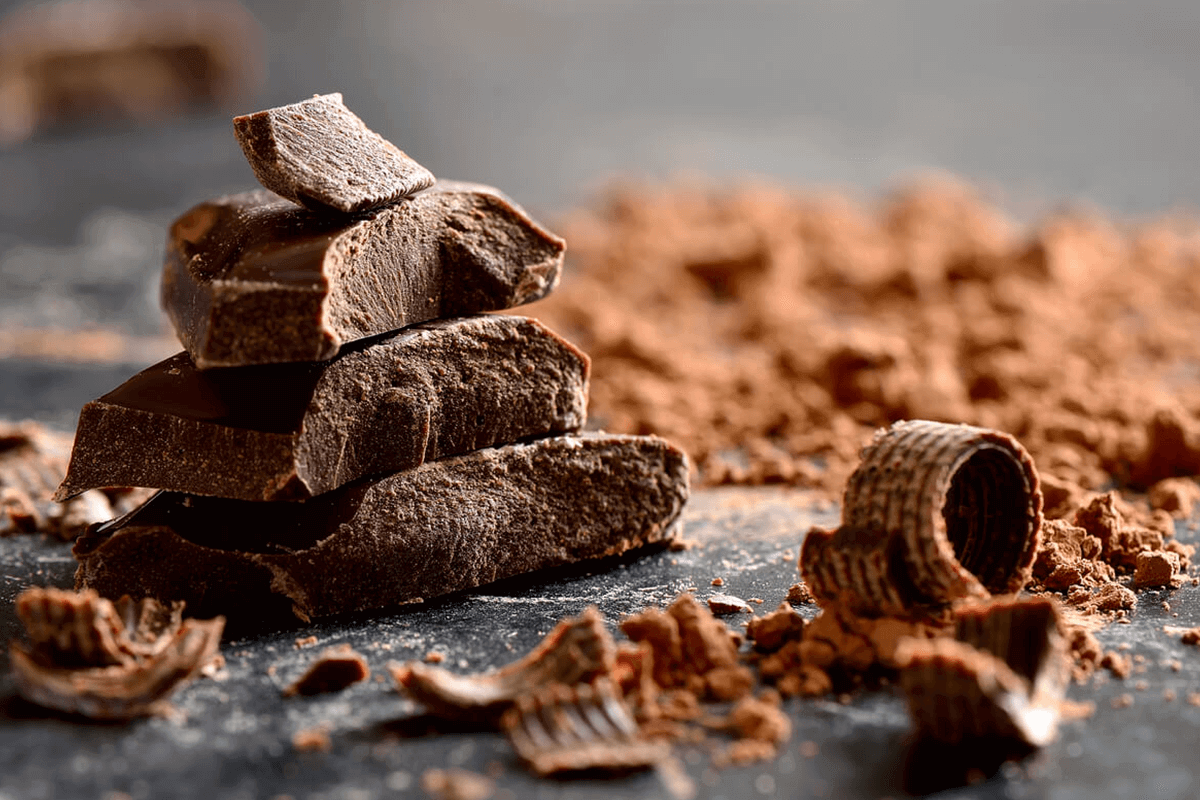
Dark chocolate contains high levels of flavonoids, antioxidants that protect our cells from damage and inflammation.
Did you know?
A recent pilot study found that among participants who ate one dark chocolate bar every day for a week, the chocolate boosted immune-supportive white blood cells and activated certain pathways involved in cellular immune response. (3)
3. Turmeric
This golden yellow, bitter spice is a key component in curry dishes and has been used for centuries in Ayurvedic medicine to address a range of inflammatory conditions, such as allergies, diabetes, and ulcers.
Studies have shown that curcumin, the primary active compound in turmeric, may modulate the immune system by activating certain immune cells and targeting proinflammatory cytokines. These effects may contribute to the benefits of curcumin seen in certain immune-related conditions, including allergy, asthma, and arthritis. (18)
Read the rest at: https://fullscript.com/blog/immune-health-foods
SCHEDULE TODAY FOR A FREE 15 MINUTE CONSULTATION -
Covid-19 & Your Immunity -What to do to strengthen your immune system
We ARE ALL going through a new normal. It's a time that makes you have a number of different emotions. Some days are better than others for sure.
Overall the main goal is to stay health - here are a few tips and suggestions to keep you and your family well during this uncertain time!
Keep up the HEALTHY basics: people who maintain healthy lifestyles are known to fair the best to not get sick, and have better outcomes if they contract the virus. Here a few tips to remember:
- get plenty of sleep: at least 8 hours a night for optimal immune function. Studies on the rhinovirus shows lack of sleep makes us more susceptible to catching virus. Don’t get to bed late either – your most restorative sleep is in the early evening. Try to be in bed by 10 to 11PM
- exercise moderately: moderate exercise has been shown to improve immune function and potentially reduced the risk and severity of respiratory viral infection. However, extensive exercise is shown to be immunosuppressive – so right now, do what is comfortable for your body, but not too much more. Also, exercise can help burn off some of the stress hormones too…
- stress / meditation / relaxation work: stress lowers the ability of the immune system to deal with viruses.17 Keeping a meditation practice, and lowering stress load will help.
- stay positive and laugh: don’t keep watching the news – the media is very negative-driven. Conversely, daily laughter boosts immune ability, and lower prevalence of diseases like heart disease.
Do or watch something every day that makes you laugh –
- eat an anti-inflammatory diet: today’s Western style diet is proven to lead to increased inflammation, reduced control of infection, and increases in auto- inflammatory disease.20 Eating nutritiously is good for both prevention and treatment of viruses. Fasting may actually help the virus take over, so I do not recommend fasting if you feel ill. In my practice I find to help patients avoid and treat viral disease it is key to:
o avoid: all dairy products, sugary foods, fried foods, trans-fats, and red
meats.
o follow a Mediterranean Diet: high in fish, vegetables, nuts, beans, and
olive oil is best.
- don’t smoke: smoking is a major risk factor for advanced respiratory distress syndrome, the main reason people can die from coronavirus. The virus attacks the respiratory cilia cells, which are already damaged from smoke. Smoking allows much better virus transmission. Quitting smoking may help prevent the transmission and sickness of Covid-19.22
SUPPORTIVE IMMUNE SUPPLEMENTS-
vitamin D 1000iu to 2000iu a day: Vitamin D deficiency is known to be much more prevalent in Advanced Respiratory Distress (ARDS), which is the major concern in patients who get very sick from Covid-19. Low vitamin D is shown to directly contribute to worsening of ARDS, likely because you need vitamin D to keep a balanced immune and inflammation reaction. Some people with low levels of D may need even more.
– selenium 200 micrograms (mcg) a day: Selenium deficiency may make it easier to
catch viruses. Supplementation can protect antioxidant capacity in the lungs in those with acute respiratory distress (ARDS is the major medical concern in patients with coronavirus) as well as help patients already being treated for advanced lung inflammation. Proper selenium levels may be protective to smokers. ARDS is the main danger for patients who are coronavirus positive. A single Brazil nut contains 68 to 91 micrograms (mcg) of selenium.
– Vitamin C 1000mg a day: higher levels of vitamin C as used in intravenous therapy may help patients who have respiratory distress syndrome as well. Possibly keeping levels in the body higher might help prevent it, although we do not know that for sure. One doctor’s case report from China suggests high dose had helped him and his family.
– vitamin A 10,000 iu a day: Vitamin A deficiency can stop innate immunity by impeding
vitamin A prevents or treats coronavirus, my experience in clinic suggests with other viral illnesses suggest benefit and may be worth taking in low doses.
* Please note pregnant women should NOT take extra vitamin A.
WOULD YOU LIKE MORE PERSONALIZED SUPPORT?

Natural Therapies and Coronavirus (covid-19) What you should know...
Natural Therapies and Coronavirus – What You Should Know Now
by: Peter Bongiorno ND, LAc www.InnerSourceHealth.com march 9, 2020 note: This article is meant to enhance conventional medical recommendations, not replace them. Please speak to your licensed physician for your health care.
Article Contents:
I - Introductory Thought – 2
II - Where Did This Virus Come From? – 2
III - Statistics: Some Good News and Not Good News – 3
IV - Statistics: The Possibly Better News – 3
V - What About Children? – 3
VI - Don’t Panic – The Virus Will Probably Reach You – 4
VII - If I Don’t Need to Panic, Why All the Hoopla? – 4
VIII - What Should I Be Doing Right Now to Best Prepare and Protect Myself? – 5
IX - What Should I Do and Take Supplemental-Wise to Prepare For Covid -19 Reaching My Community? – 9
X - What Do I Do and Take If I Believe I Have Contracted the Coronavirus? - 10
XI – Summary Chart of Covid-19 Support Recommendations - 15
XII – Resources and References - 16
www.InnerSourceHealth.com @InnerSourceH
2
Introductory Thought
“But what does it mean, the plague? It's life, that's all.” – Albert Camus
“What’s true of all the evils in the world is true of plague as well. It helps men to rise above themselves.” – Albert Camus
Albert Camus wrote a book called “The Plague” in the 1940’s and was able to capture the dynamics of a pandemic situation. These above quotes, I think sum up what we already know from a spiritual standpoint – that these things can and will happen, and we will rise up, help each other and get through this.
Inner Source Health and I are sending you our best prayers, healing energies and love during this time. In the not too far future, we will be able to say “that was scary, but we made it through and learned something valuable.”
- blessings, dr. peter
Where Did This Virus Come From?
As I am sure you are well aware, there is a new virus that has originated in China. Dubbed the Covid -19 or “coronavirus” (because it looks like the sun's corona when viewed by electromicrograph), this bug seems to have originated from bats in China and transferred to an animal called the pangolin that brought the new virus to us humans. Because the bat immune system is a strong one, it is able to harbor viruses well, and is considered a training ground for developing viruses. Conflicting theories suggest snakes1 may be the original source, while an uncorroborated NY Post article2 actually suggests this is a bioterrorism lab experiment in China gone awry. Understanding past virus history over the last century, it is most likely that it was indeed a virus that came from the wild, not from a lab.
Statistics: Some Good News and Not Good News
The good news is it seems the vast majority of people who get infected with this new virus have mild or no symptoms. Studies in China suggest over 80% of infected people have a mild illness: but the not so good news is that about 12 percent do have a severe illness, with 2 or 3% of infected patients having a fatal condition. Theoretically – if this becomes a global pandemic infecting millions of people, a fatality rate of 2 to 3% would be catastrophic and could approach the 50 million people lost during the Spanish Flu of 1918.
3
Statistics: The Possibly Better News
What we just discussed is the doomsday scenario that many experts believe is not likely. Studies from other areas and China, and also, from other parts of the world, suggest the fatality rate is much lower at 0.2 to 0.7 percent. It is possible that all these dire predictions are inflated because the focus of these studies have looked at already very sick people, and likely have not counted the possibly thousands of cases with mild or no symptoms that were never counted. For perspective, the seasonal flu, by comparison, has a mortality rate of about 0.01 percent. So, once we have all the data, it is our best hope that this coronavirus may end up not having much more of an impact than the flu (which does kill about 300,000 worldwide every year – not something to sneeze at).
One good sign is that the World Health Organization believes the COVID-19 does not spread as easily as the typical seasonal flu3 – so with a higher possible death rate, less spread is very, very important. A number of doctor friends of mine that I have talked to personally believe that the Covid-19 will be another moderate to severe flu- type of disease in terms of impact. I hope they are correct.
Also, according to a well-researched article from the New Yorker,4 if this virus follows others like it from the past, this strain may infect a lot of people, but will most likely not prove to be more virulent than others we have seen in the recent past and will likely subside in a few months. Probably the most positive statistics just came out of South Korea, who has the most aggressive testing, and the most accurate statistics. Out of 158,000 people tested, 6284 people tested positive, and 42 deaths.5 This translates to a 0.0067 death rate, which is far below influenza.
Because it is a new virus, we can’t be sure how mild or severe it will be which is why there is all is hype – but we can look at the current data and reasonably hope for the best.
What About Children?
For you concerned parents out there, it is important to note that children are least likely to contract the coronavirus and there is little sickness, and are virtually no deaths in children.6 Although we are not sure why this is, it seems children have a stronger innate immunity. The innate immune system is a first line part of the immune system that dismantles viruses and bacteria the first time we come in contact with a new one.
4
Don’t Panic – The Virus Will Probably Reach You
Right now, the covid-19 virus is spreading quickly in many parts of the country. Monitoring going on in Nassau and Suffolk counties for many people7 with a number of confirmed cases in the New York area,8 California, Maryland, Florida and Washington State, and relatively low numbers of confirmed virus throughout other areas of the United States. The few deaths seem to have occurred in elderly patients with underlying illness. While still few in numbers, it is probable that the virus will be at all our doorsteps in the coming weeks to two months.
It is very likely there are actually many, many more cases in our midst that we do not know about because the lab tests have been unavailable due to poor decisions by the government and Centers for Disease Control (CDC) in the manufacturing of lab testing.9 As a result, even though everyone saw this coming, the CDC has squandered weeks and months of testing ability, which is inexcusable. I bring this up only because we need to learn how to best prepare for the next virus by learning from our mistakes – a mistake is only a mistake when we do not learn from it.
But one consolation in all this is that this may mean the virus effect has been mild enough here that we have not noticed anything more than the moderately to severe flu season that has been recorded. As testing begins in the U.S., we will undoubtedly see greater numbers in diagnosis of Covid-19. This does not mean you are in any greater danger than you are right now. But as more confirmed cases surface, we will have to deal with the fact that the economy will suffer and the medical system could get overwhelmed as we have seen in other countries already. This is why having natural medicines at your ready is important. That is what this article is about.
If I Don’t Need to Panic, Why All the Hoopla?
Again, please take a deep belly breath and do not panic – this will not be doomsday.
5
The reason, though we need to take this seriously and disrupt our life and society is to protect those of us who are seniors, and those who have predisposing health issues, especially those with lung diseases. People in this category are 3.4 times more likely than otherwise-healthy flu patients to require ventilators and other intensive care (around 6 of 10 people in the U.S. have at least one underlying health condition.10 Average age of death for people from Covid-19 is 80 years of age.11 So for populations at risk, this is more than just a flu.
Public health measures like quarantines, washing hands, etc... do work. In fact, right now in Wuhan, China, infection rates have dropped12 and they are more worried about outsiders bringing the disease back into the country. We need to help insure the spread is as minimal as possible, to protect the aged and the sick who are most at risk.
What Should I Be Doing Right Now to Best Prepare and Protect Myself?
It seems likely that this virus will indeed make its way through the whole country like most viral flus this year, and possibly for years to come. In my opinion, we should ‘expect the best, but prepare for the worst’. Here are some steps I think you can take now:
1 – Wash Your Hands SUPER Well: I know you are hearing this all the time, but this is probably the top thing you can do to protect yourself. When you wash your hands, use soapy warm water. A hand wash should take as long as singing “Happy Birthday” twice. Studies show that most people don’t wash their hands long enough, and also show that we tend to miss our fingertips, our wrist areas and in between the fingers.13 Washing with soap is the top way to remove coronavirus from your body. Alcohol wipes (70% or greater) are good, but the lipids in the soap interact with the virus in a way that removes it the best by far, for the structure of this virus falls apart when soap hits it.
If you cannot get soap and water and need a transportable alcohol-based virus-fighter, here’s a homemade recipe for homemade hand sanitizer:
- 2/3 cup of 91% alcohol - 1/4 cup aloe vera gel - optional: a few drops of your favorite calming essential oil (like lavender) mix and place in container
6
2 – Don’t Touch Your Face: touching your face might be the main mode of transmission of virus from a surface to your reparatory tract.14 so start practicing now not to do this. If you feel an itch on your nose or forehead, breath through it without touching your face.
3 – Sneeze or cough into a tissue, then throw it out: this is probably the best way to stop the spread of virus to others, if you have it. Don’t sneeze into your hands, for then you can spread the virus even better with your hands onto surfaces. If you don’t have a tissue, sneeze into your elbow, and then wash that clothing when possible, for virus can hang on there for days if not washed.
4 – Keep up the naturopathic basics: people who maintain healthy lifestyles are known to fair the best to not get sick, and have better outcomes if they contract the virus. Here a few tips to remember:
- get plenty of sleep: at least 8 hours a night for optimal immune function. Studies on the rhinovirus shows lack of sleep makes us more susceptible to catching virus.15 Don’t get to bed late either – your most restorative sleep is in the early evening. Try to be in bed by 10 to 11PM
- exercise moderately: moderate exercise has been shown to improve immune function and potentially reduced the risk and severity of respiratory viral infection. However, extensive exercise is shown to be immunosuppressive16 – so right now, do what is comfortable for your body, but not too much more. Also, exercise can help burn off some of the stress hormones too...
- stress / meditation / relaxation work: stress lowers the ability of the immune system to deal with viruses.17 Keeping a meditation practice, and lowering stress load will help.
- stay positive and laugh: don’t keep watching the news – the media is very negative-driven. Conversely, daily laughter boosts immune ability18, and lower prevalence of diseases like heart disease19.
Do or watch something every day that makes you laugh –
7
(btw, I found the above posted on Dr. Peter D’Adamo’s facebook Journal Club page, which is an amazing resource for information - https://bit.ly/39BUTyE )
- eat an anti-inflammatory diet: today’s Western style diet is proven to lead to increased inflammation, reduced control of infection, and increases in auto- inflammatory disease.20 Eating nutritiously is good for both prevention and treatment of viruses. Fasting may actually help the virus take over, so I do not recommend fasting if you feel ill. In my practice I find to help patients avoid and treat viral disease it is key to:
o avoid: all dairy products, sugary foods, fried foods, trans-fats, and red
meats.
o follow a Mediterranean Diet: high in fish, vegetables, nuts, beans, and
olive oil is best.
- don’t smoke: smoking is a major risk factor for advanced respiratory distress syndrome, the main reason people can die from coronavirus.21 The virus attacks the respiratory cilia cells, which are already damaged from smoke. Smoking allows much better virus transmission. Quitting smoking may help prevent the transmission and sickness of Covid-19.22
4 – Take Some Supplements for Respiratory Protection:
Please note that there is no clear direct evidence on supplements to prove that supplements will prevent or treat Covid-19. However, there is evidence from other corona and similar viruses that these may help. As much as possible, I footnoted the research for you to see for yourself what is available.
8
Also, please note this is not a sales pitch to purchase vitamins from us at this time of crisis. I included links to Amazon so you can easily see the names and contents of of quality products we would recommend – there are many places to purchase these, so choose what is convenient for you. - vitamin D 1000iu to 2000iu a day: Vitamin D deficiency is known to be much more prevalent in Advanced Respiratory Distress (ARDS), which is the major concern in patients who get very sick from Covid-19. Low vitamin D is shown to directly contribute to worsening of ARDS,23 likely because you need vitamin D to keep a balanced immune and inflammation reaction. Some people with low levels of D may need even more.
- selenium 200 micrograms (mcg) a day: Selenium deficiency may make it easier to
catch viruses.24 Supplementation can protect antioxidant capacity in the lungs in those with acute respiratory distress (ARDS is the major medical concern in patients with coronavirus)25 as well as help patients already being treated for advanced lung inflammation.26 Proper selenium levels may be protective to smokers.27 ARDS is the main danger for patients who are coronavirus positive. A single Brazil nut contains 68 to 91 micrograms (mcg) of selenium.
- Vitamin C 1000mg a day: higher levels of vitamin C as used in intravenous therapy may help patients who have respiratory distress syndrome as well.28 Possibly keeping levels in the body higher might help prevent it, although we do not know that for sure. One doctor’s case report from China suggests high dose had helped him and his family. See footnote29 although I cannot confirm the veracity of this report. In our office, we use a Vitamin C with Flavonoids:
- vitamin A 10,000 iu a day: Vitamin A deficiency can stop innate immunity by impeding
normal regeneration of mucosal barriers damaged by infection.30 Innate immunity is the first line of defense against a new virus like the Covid-19. While there is no data showing
9
vitamin A prevents or treats coronavirus, my experience in clinic suggests with other viral illnesses suggest benefit and may be worth taking in low doses.
* Please note pregnant women should NOT take extra vitamin A.
What Should I Do and Take Supplemental-Wise To Prepare For Covid-19 Reaching My Community?
1 – purchase BPA free humidifiers for your home environment: it is harder for viruses to thrive in a humid environment.31 Moist air keeps your lung and respiratory airways moist, which makes life tougher for a virus
- 2.4 Liter Humidifier: https://amzn.to/32MqqeD
- Large Capacity Humidifier: https://amzn.to/2wgoleW
2 – pick up a couple N95 masks (if still available): while it is not proven that face masks will prevent you from getting a virus,32,33 if you are sick, you can help stop others from getting sick which is especially important around elderly and immune-compromised persons. Also, information from the Spanish Flu suggests wearing masks may have helped lower infection rate. The mask is likely helpful for people who tend to touch their face a lot, to help block the hands from getting to the nose and mouth.
Please, do not hoard masks – doctors and medical personnel need these as well to help others.
You can make your own mask too: https://bit.ly/38ywcSr
As the supply chain may replenish by increased production, you can look for masks like these:
- https://amzn.to/38jL9YB - https://amzn.to/2whNWE8
3 - Prepare your home for quarantine: Hopefully you will not have to, but it may become necessary to stay home for a few weeks to help stop the spread of virus depending on where you live. This will mean you will need to prepare your home and purchase items like foods, toilet paper, and prescriptions medicines to have available. Here’s an article that may be useful to help prepare:
https://virologydownunder.com/so-you-think-youve-about-to-be-in-a-pandemic/
10
If you are sick and under self-quarantine, these are some important precautions to follow:
- call for phone medical help if you need it
- stay at home, and don’t have visitors. Shop online to receive packages and food
- if you live with others, keep yourself in a ventilated bedroom (open windows), and don’t share towels and toiletries
- all waste should be double bagged
What Do I Do If I Believe I Have Contracted the Coronavirus?
Don’t panic, and check in with a call to your medical doctor. Proper testing will hopefully be available soon and your doctor can decide best when you may need testing. It is best not to run to the doctor or hospital, for we need to keep these options available for the more vulnerable patients who get severe illness.
The coronavirus can have a few stages. The first is cough and fever, like any cold or flu. Most people (probably around 80%) will only experience this particular stage (one man from Nebraska described having caught the corona virus here: https://bit.ly/3aEu8JU ). The second stage occurs when the virus starts to move into the lungs. In this phase, patients will experience lung symptoms, like more coughing, phlegm, and possibly like being short of breath. In the third phase, the lungs become very inflammed, and it can be very hard to breath. Here is a CDC guideline for symptoms: https://www.cdc.gov/coronavirus/2019-ncov/downloads/COVID19- symptoms.pdf
Using natural medicine supplements can help with the first, second stages and is worth a shot in the third stage, especially if medical intervention is not available.
www.InnerSourceHealth.com @InnerSourceH
11
FOR STAGE I:
- Chicken soup, soups with garlic, ginger tea and warming chai spices: in this early phase of infection, there is the opportunity for your body to get rid of it. These foods can help your system do that. Chicken soup is known by grandmothers and researchers alike to modulate the immune system and kick out colds and viruses.34, 35 Garlic has shown to have inhibitory effects on other coronaviruses like the Infectious bronchitis virus in cell studies.36 Garlic can be diced and added to anything: manuka honey and nut butter. Just get it in. Fresh ginger made into foods and tea may have the best effect over dried versions.37
- Nasal Rinses: Saline nasal irrigation is a therapy with roots in Ayurvedic medicine
where you can bathes the nasal mucosa with in spray or liquid saline to help get rid of the mucus that is harboring the virus. Getting rid if it earlier may help prevent the virus from getting into the lungs. Medical literature supports the use to help upper respiratory conditions.38 One 2019 pilot study of 68 people suggests the lowering of illness by 1.9 days and lowering the use of medication by 36% and most importantly, transmission to other people by 35%. With the Covid-19, this could be a huge benefit to getting this thing cleared out as soon as possible.39
o https://amzn.to/2TweTx4 o https://amzn.to/2v46DuK
- Wet Sock Treatment: Inner Source Health’s Dr. Dawn Siglain was recently featured on News12 showing the world this relied-on naturopathic old-age remedy for colds and flus. While there is no known research on this treatment, we do see in clinic how it helps reduce high fevers and can usher patients out of flu symptoms. As such, it may be a good addition to your immune support strategy. Please see Dr. Dawn’s video here: https://youtu.be/xmy__Tbmw54 and directions for Wet Sock care can be found here: http://www.innersourcehealth.com/news_blog.aspx?EntryID=1059
- Elderberry – in cell studies, this herb has been shown to be protective by inhibiting avian infectious bronchitis (a type of coronavirus) early in the infection phas
- e.40 A clinical trial of the flu showed that 15 ml (about 1 tablespoon) of
elderberry four times a day for 5 days found significant relief and less time with the flu than a placebo41 and other trials showed clear reductions of cold duration and severity in air travelers.42 And, it’s delicious
o https://amzn.to/3aECOjJ o https://amzn.to/2xl0iMn o https://amzn.to/39wwXNf
12
- Zinc lozenges: there is research suggesting lozenges in
the early onset of a cold may help get rid of the cold. Using them throughout the day, might be helpful according to medicine.net,43 where it is speculated that it can help deter the virus early on, before it gets into the lungs. I am not sure this is completely validated by research, but I don’t think it can hurt, and anything that might gets rid of the Covid-19 before getting to the lungs is worth trying. It is recommended take the lozenge then carefully lie down and let the lozenge dissolve slowly on your throat, to coat the whole area and help get rid of virus.
o https://amzn.to/2Tu1p4R o https://amzn.to/2PRRVhC o https://amzn.to/2VUtOCW o https://amzn.to/3cEfrbA
other important precautions to take:
- stay at home, don’t have visits. Shop online to receive packages and food
- call for phone medical help if you need it
- if you live with others, keep yourself in a ventilated bedroom (open windows), and don’t share towels and toiletries
- all waste should be double bagged
FOR STAGE II and III, If the Virus is Moving into Your Lungs, besides contacting your physician, consider these options:
If you are feeling short of breath, check your oxygen saturation with a pulse oximeter. Sometimes anxiety can feel like shortness of breath, and your oxygen levels are actually fine. Normal pulse oximeter readings usually range from 95 to 100 percent. Values under 90 percent are considered low.44 If yours is getting low, call your doctor right away. Here are some examples of pulse oximeters you can obtain:
o https://amzn.to/2VSrMTH o https://amzn.to/2vBxpLr
- curcumin: curcumin has been shown to limit lung injury in pneumonia from
influenza in lung cells and mouse models45 by shutting down an inflammatory component of the immune system called Nf Kappa B, 46 and curcumin supplement can help lower inflammation. In the patients who have severe and life- threatening
13
illness, it is inflammation in lungs that caused the damage. There are a few curcumins available that are good quality:
o https://amzn.to/2xkyszN o https://amzn.to/2TGDvlC
- Stinging Nettles (Urtica Doica) Tea and Supplements: nettles is a well known anti-
allergy herb. It may have properties that help disrupt the ability of the coronavirus to attach to our cells in the lungs.47 Nettles root may be better than leaf for therapeutic effect.
o nettles supplement:
▪ https://amzn.to/2Tvh0RC
▪ https://amzn.to/38wbLpi
o nettles tea:
- https://amzn.to/38yZJv6
- https://amzn.to/3cF8kQf
- Astragalus: is an ancient Chinese herb used for overall health and embattled immune function. Studies in cell lines48 and chickens49 both suggest this herb can have an inhibitory effect against infectious avian bronchitis, a type of coronavirus. Again, this doesn’t prove it will work in humans, but suggests it might be helpful.
o https://amzn.to/2vO9d8B o https://amzn.to/2xj7j01
- Andrographis paniculata (穿心蓮 Chuān Xīn Lián): this is another ancient Chinese herb well known for sinus and respiratory support. We often recommend it in our office for those with chronic sinus and lung congestion. Research shows it can work as a broad-spectrum antiviral to help restrain virus replication and virus-induced pathogenesis.50 Andrographis has already been shown, in cell tests, to be effective against avian influenza A (H9N2 and H5N1) and human influenza A H1N1 viruses, likely by stopping the ability of viruses to bind to our cells.51 Most specifically for coronavirus, it looks like it has the ability to help decrease expression of a protein (called the ACE2 receptor) that the Covid-19 latches on to in the lungs.52 This may be a key to prevent the big problems Covid-19 can cause.
o https://amzn.to/2VT26Gq o https://amzn.to/2xmyMxZ o https://amzn.to/2vN3OOY o https://amzn.to/3cHqUr2
- Vitamin C 1000mg to 5000mg a day: as mentioned earlier, higher levels of vitamin C as used in intravenous therapy may help patients who have respiratory distress syndrome as well.53 If you are having lung issues, talk to your doctor about using
14
intravenous vitamin C adjunctively to your conventional care. If you are in the hospital and breathing is severely compromised, ask your doctor about intravenous vitamin C therapy, which is being currently tested in South Korea, and has been shown in one case of ARDS to reverse a very severe syndrome.54
o most vitamin C’s are pretty good. But, this is a type of powdered C that allows
extra high doses orally, which might help best:
▪ https://amzn.to/2wykda9
- Huang Lian Jie Du Tang (HLJDT): lastly, I wanted to mention an ancient Chinese herbal formula translated as “Coptis Decoction To Relieve Toxicity.” This herbal mix is used for “clearing heat and cooling the blood.” In patients who have lung sickness from virus, it may help lower lung inflammation by lowering key factors involved in overrevving up the immune system which can cause damage in the lungs. Studies on this herb have only been done on rats.55 While I recommend getting to a hospital for care if you can, it may be worth considering these herbs if a person has significant lung issues and cannot get proper hospital medical treatment for any reason. These herbs are meant to only be used in the short term (1 to 2 weeks).
o https://amzn.to/2Iv2hjk
o https://amzn.to/339Wz05
note: For those Chinese medicine practitioners out there, there is also more complete analysis of how to use Chinese medicine to treat coronavirus. I am exploring these and plan to send out further information about using Chinese herbal formulas in a more specific manner, but here is the reference, if you are interested : https://bit.ly/3cDZdPH
see next page for summary chart of recommendations for each phase of illness. Please note these are not meant to replace conventional medical advice, but may help your body’s immune system deal, especially earlier on, so that the virus does not move deep into the lungs. Each supplement has been further explained above.
15
XI - Summary Chart of Coronavirus Support Recommendations*:
Viral Stage Supplement Recommendations No symptoms - prevention Selenium – 200mcg a day
Vitamin D – 1000iu a day, with food Vitamin C – 500mg twice a day Vitamin A – 10000iu a day with food
Stage I – fever and flu like symptoms Continue above and add:
Chicken Soup Zinc lozenges – thoughout the day Elderberry Nasal Rinses Stage II – fever and beginnings of cough Continue above, and add:
Nasal Rinses Curcumin Stage III – fever, cough and lung symptoms, especially shortness of breath and /or if saturation of oxygen is low
Above, and add: Astragalus Andrographis Nettles Huang Lian Jie Du Tang Vitamin C – high doses (5000mg a day in divided doses)
* this chart does not replace medical advice from your physician. Remember to always call your physician if you are experiencing mild symptoms and go to the hospital for conventional care if you are experiencing moderate to severe symptoms.
in appreciation: To Jerome and Marylou Bongiorno for content review and additions, Dr. Dawn Siglain for reviews and additions, Drs. Victoria Liotta and Dr. Pina LoGiudice for reviews, and to Dr. Robert Kachko and Ben De la Cruz for their thoughtful consultation
www.InnerSourceHealth.com @InnerSourceH
16
RESOURCES / REFERENCES:
Dr. Peter D’Adamo’s excellent data resource for possible anti-virals: https://www.datapunk.net/covid19/antivirals.pl
Dr. Peter D’Adamo’s journal club: https://bit.ly/39BUTyE
CDC’s dedicated 2019-nCoV website https://www.cdc.gov/nCoV
NYSDOH’s dedicated 2019-nCoV website: https://www.health.ny.gov/diseases/communicable/coronavirus/
NYSDOH directory of local health departments: https://www.health.ny.gov/contact/contact_information/
article references:
1 https://www.scientificamerican.com/article/snakes-could-be-the-original-source-of-the-new- coronavirus-outbreak-in-china/ 2 https://nypost.com/2020/02/22/dont-buy-chinas-story-the-coronavirus-may-have-leaked- from-a-lab/ 3 https://www.thedenverchannel.com/news/national/coronavirus/who-says-coronavirus-is- deadlier-than-seasonal-flu-doesnt-spread-as-easily 4 https://www.newyorker.com/news/daily-comment/the-new-coronavirus-and-preparing-for- the-next-viral-pandemic 5 https://www.statista.com/statistics/1095848/south-korea-confirmed-and-suspected- coronavirus-cases/ 6 https://www.nbcnews.com/health/health-news/we-simply-do-not-understand-why- coronavirus-sparing-children-puzzling-n1147951 7 https://www.newsday.com/news/health/coronavirus-long-island-nassau-suffolk-cases- 1.42265909 8 https://www.wsj.com/articles/first-case-of-coronavirus-confirmed-in-new-york-state- 11583111692 9 https://www.propublica.org/article/cdc-coronavirus-covid-19-test 10 https://www.statnews.com/2020/03/03/who-is-getting-sick-and-how-sick-a-breakdown-of- coronavirus-risk-by-demographic- factors/?fbclid=IwAR26VTIKKlL1mMnMyNxtUQAKNlpo_iutaM8SkXUciyRfvzi4xbyt8dqylbc 11 https://www.cnn.com/2020/03/08/politics/surgeon-general-coronavirus/index.html 12 https://www.sciencemag.org/news/2020/03/china-s-aggressive-measures-have-slowed- coronavirus-they-may-not-work-other-countries
www.InnerSourceHealth.com @InnerSourceH
17
13 https://www.hindawi.com/journals/jeph/2019/5928924/ 14 https://www.ncbi.nlm.nih.gov/pubmed/19699011 15 https://www.ncbi.nlm.nih.gov/pmc/articles/PMC2629403/ 16 https://www.ncbi.nlm.nih.gov/pmc/articles/PMC2803113/ 17 https://www.ncbi.nlm.nih.gov/pubmed/11359358 18 https://www.ncbi.nlm.nih.gov/pubmed/11712080 19 https://www.ncbi.nlm.nih.gov/pubmed/11712080 20 https://www.ncbi.nlm.nih.gov/pmc/articles/PMC4074336/ 21 https://www.ncbi.nlm.nih.gov/pmc/articles/PMC4538990/ 22 https://globalnews.ca/news/6634469/coronavirus-smoking/ 23 https://www.ncbi.nlm.nih.gov/pubmed/25903964 24 https://www.ncbi.nlm.nih.gov/pubmed/12730444 25 https://www.ncbi.nlm.nih.gov/pubmed/30001171 26 https://www.ncbi.nlm.nih.gov/pubmed/21445641 27 https://www.ncbi.nlm.nih.gov/pubmed/25889509 28 https://www.ncbi.nlm.nih.gov/pmc/articles/PMC5295174/ 29 https://www.youtube.com/watch?time_continue=40&v=6- elCYFhqJs&feature=emb_logo&fbclid=IwAR2fIxBfohhFxhWqHcnkUzp2txjMoCHyS3TcW3dI7_aM iHnhZzBr1L76UZQ 30 https://www.ncbi.nlm.nih.gov/pubmed/11375434 31 https://www.sciencedaily.com/releases/2013/02/130227183456.htm 32 https://www.ncbi.nlm.nih.gov/pubmed/20092668 33 https://www.ncbi.nlm.nih.gov/pubmed/22188875 34 https://www.ncbi.nlm.nih.gov/pubmed/12796619 35 https://www.ncbi.nlm.nih.gov/pubmed/11035691 36 https://www.ncbi.nlm.nih.gov/pmc/articles/PMC4967842/ 37 https://www.ncbi.nlm.nih.gov/pubmed/23123794 38 https://www.ncbi.nlm.nih.gov/pmc/articles/PMC2778074/ 39 https://www.ncbi.nlm.nih.gov/pmc/articles/PMC6355924/ 40 https://www.ncbi.nlm.nih.gov/pmc/articles/PMC3899428/ 41 https://www.ncbi.nlm.nih.gov/pubmed/15080016 42 https://www.ncbi.nlm.nih.gov/pmc/articles/PMC4848651/ 43 https://www.medicinenet.com/script/main/art.asp?articlekey=228691 44 https://www.mayoclinic.org/symptoms/hypoxemia/basics/definition/sym-20050930 45 https://www.ncbi.nlm.nih.gov/pubmed/28853207 46 https://www.ncbi.nlm.nih.gov/pubmed/28646616 47 https://www.ncbi.nlm.nih.gov/pmc/articles/PMC2787736/ 48 https://www.ncbi.nlm.nih.gov/pubmed/29170045 49 https://www.ncbi.nlm.nih.gov/pubmed/28826771 50 https://www.ncbi.nlm.nih.gov/pubmed/27896563 51 https://journals.plos.org/plosone/article?id=10.1371%2Fjournal.pone.0181780&fbclid=IwAR1U DRG4AUiHEcFkMRw_JIjn1vIOZzhXAeSaR66IsYvphV8kxzVzwb7WCfE 52 https://www.preprints.org/manuscript/202002.0047/v1
www.InnerSourceHealth.com @InnerSourceH
18
53 https://www.ncbi.nlm.nih.gov/pmc/articles/PMC5295174/ 54 https://www.ncbi.nlm.nih.gov/pmc/articles/PMC5295174/ 55 https://www.hindawi.com/journals/bmri/2018/2476824/