

9 Ways To Tell If Having Sore Breasts Is Normal Or Cause For Concern
By Guest writer: Carina Wolf
9 Ways To Tell If Having Sore Breasts Is Normal Or Cause For Concern
Many women have been there: Suddenly, there's some soreness in your breasts, and you go from thinking it's just a little tenderness to "I'm pregnant" or "I have a fatal disease." Thankfully, there are a bunch of innocent reasons why you feel sore, and there are a number of ways to tell if your sore boobs are normal or cause for concern. Before you go digging up information on WebMD and sending yourself into a panic, you might want to ask yourself a few simple questions.
Of course, if you're ever unsure, it's best to see a doctor, who can better determine why your boobs are feeling off (better safe than sorry). But if your pain is mild and you think you might be freaking out for no reason, consider these nine ways to tell if your breast soreness is just something normal and no cause for alarm.
1. Determine Whether You've Had Coffee
If you hit up the coffee shop earlier this morning, your latte might be to blame. "If you are a Starbucks regular drinking a quad espresso and have breast tenderness, that would be considered normal as a result of drinking too much caffeine," says Ross.
2. Have You Been Smoking?
Coffee isn't the only substance that can cause tenderness. "The same would apply if you are a heavy smoker and have breast tenderness," says Ross. "Caffeine and nicotine are common causes of breast tenderness in both breasts."
3. Think About When Your Next Period Is
Your breasts tend to be sore a week or two before your period, so if your Aunt Flow is due in town, you're probably in the clear. "Some women experience cyclical changes in their breasts that coincide with their periods," says Nesochi Okeke-Igbokwe, M.D., M.S. over email. "They may sometimes experience very lumpy and tender breasts notably right before menses. These fibrocystic breast changes are not a cause for concern and symptoms typically tend to improve towards the end of the menstrual cycle."
4. Check Whether Or Not Both Breasts Are Affected
"Usually normal causes of breast tenderness occur in both breasts," saysRoss. "If only one of your breasts is tender, this could be a cause of concern. Breast infections tend to occur in only one breast, not both."
5. Examine How Your Bra Fits
Your boob soreness could come from something you may not have thought of: the fit of your bra. "If you are wearing a bra that is too tight or even too large and does not give you adequate support, then this could contribute to breast soreness," says Okeke-Igbokwe. "Wearing the proper size bra is extremely important to help avoid issues with breast tenderness."
6. Think About Your Workout Habits

"It is possible to have some level of muscle strain to the chest wall region with strenuous exercise," says Okeke-Igbokwe. "Depending on the sort of activity you partake in that involves use of the chest wall, you can certainly experience some strain and soreness."
7. Look For Possible Injuries
8. Figure Out How Long The Soreness Has Lasted
9. Get A Breast Exam
Options for Breast Exams :
Herscan.com - Mobile Ultrasound
Thermography -
HAVE HEALTH ISSUES? wOUDL YOU LIKE A MORE NATURAL APPROACH?
GIVE US A CALL TO SCHEDULE - 704-543-5540


6 Breast Cancer - Fighting Foods to EAT
6 Breast Cancer-Fighting Foods to Incorporate into Your Diet

The American Cancer Society states that more than 4 in 10 cancers and cancer deaths can be preventable, due to lifestyle and dietary factors. Our genetics predispose us to certain types of cancer, which unfortunately cannot be avoided. However, there are ways to help reduce our risk of developing breast cancer, like adding food items to your diet that are packed with nutrition and cancer-fighting abilities. Note, there is not one food or diet that can guarantee the prevention of breast cancer, but dietary choices can help reduce our overall risk of developing it.
Science has found that adding these six foods into your diet can reduce your risk of developing breast cancer.
#1: Legumes
Legumes, including chickpeas, lentils, peas and beans, are an excellent source of many important nutrients and minerals, such as zinc. Consuming zinc improves cellular functions and delivers antioxidant and anti-inflammatory properties into the body. For women, consuming the recommended amount of zinc can be particularly beneficial as studies show that it can improve the treatment for some types of aggressive breast cancers. It is recommended for women to
consume between 8-9 mg of zinc daily (note, all recommendations vary depending on a person’s age and sex).
#2: Dietary Fiber
Having an excess of estrogen can increase the risk of developing and spreading certain types of breast cancer. This is why some breast cancer treatments try to stop estrogen from interacting with breast cancer cells. Adding dietary fiber to your meal plan can help increase the elimination of estrogen in the body. It is recommended to consume up to 25.2 grams of fiber on one day.
#3: Healthy Fats
Consuming the “right” type of fat is key. Consuming an excess of foods that are rich in “bad” fats (saturated fats, trans fat) can result in weight gain and obesity, which are both risk factors for developing breast cancer. Healthy fats include avocado, fatty fish, chia seeds, extra virgin olive oil and nuts. Healthy fats have the ability to support cell function and help your body absorb important nutrients. It is recommended that a woman consume 25-35% of total caloric intake from fats.
#4: Colorful Fruits and Leafy Vegetables
Eating a diet rich in fruits and vegetables has many health benefits. In fact, a study of more than 91,000 women found that a diet comprised of mostly plant-based foods, high in fruits and vegetables, can reduce the risk of developing breast cancer by up to 15%. The study compared a plant-based diet to four other diets including a high-protein diet, a high carbohydrate diet, an ethnic diet and a low-calorie salad-based diet. The study concluded that the best fruits and vegetables to consume for breast health are dark, green vegetables, such as kale and brussel sprouts, beans, eggs and fruits, such as berries and peaches.
#5: Mushrooms
Mushrooms are rich in selenium, a mineral found in soil that contains antioxidant properties that may enhance can enhance your immune system response. In some cultures, selenium has been used for decades alongside chemotherapy and radiation therapy to treat certain cancers. While scientists are still studying the effects on mushrooms reducing the risk of cancer, what they have found is positive.
#6: Green Tea
Drinking green tea has a number of positive health benefits, from reducing blood pressure to even improving dental health and the risk of breast cancer. Green tea is loaded with antioxidant, anti-inflammatory and possible anti-carcinogenic properties, which can help decrease a woman’s risk and recurrence of breast cancer. Observational studies have found that women who drink green tea regularly have a 20-30% lower risk of getting breast cancer.
Lower Your Risk of Developing Breast Cancer
Science says that eating certain foods can reduce our risk of developing breast cancer.
CALL TODAY TO SCHEDULE AN APPOINTMENT TO PREVENT CANCER - AND HELP YOU REACH YOUR OPTIMAL HEALTH GOALS!
704-543-5540


Fevers- Facts vs. Myth! Not something you want to get rid of !!
Fever - Myths Versus Facts
MYTH.My child feels warm, so she has a fever.
FACT. Children can feel warm for a many reasons. Examples are playing hard, crying, getting out of a warm bed or hot weather. They are "giving off heat." Their skin temperature should return to normal in about 20 minutes. About 80% of children who act sick and feel warm do have a fever. If you want to be sure, take the temperature. These are the cutoffs for fever using different types of thermometers:
- Rectal (bottom), ear or forehead temperature: 100.4° F (38.0° C) or higher
- Oral (mouth) temperature: 100° F (37.8° C) or higher
- Under the arm (Armpit) temperature: 99° F (37.2° C) or higher
MYTH.All fevers are bad for children.
FACT. Fevers turn on the body's immune system. They help the body fight infection. Normal fevers between 100° and 104° F (37.8° - 40° C) are good for sick children.
MYTH. Fevers above 104° F (40° C) are dangerous. They can cause brain damage.
FACT. Fevers with infections don't cause brain damage. Only temperatures above 108° F (42° C) can cause brain damage. It's very rare for the body temperature to climb this high. It only happens if the air temperature is very high. An example is a child left in a closed car during hot weather.
MYTH.Anyone can have a seizure triggered by fever.
FACT. Only 4% of children can have a seizure with fever.
MYTH. Seizures with fever are harmful.
FACT. These seizures are scary to watch, but they stop within 5 minutes. They don't cause any permanent harm. They don't increase the risk for speech delays, learning problems, or seizures without fever.
MYTH.All fevers need to be treated with fever medicine.
FACT. Fevers only need to be treated if they cause discomfort (makes your child feel bad). Most fevers don't cause discomfort until they go above 102° or 103° F (39° or 39.5° C).
MYTH. Without treatment, fevers will keep going higher.
FACT. Wrong, because the brain knows when the body is too hot. Most fevers from infection don't go above 103° or 104° F (39.5°- 40° C). They rarely go to 105° or 106° F (40.6° or 41.1° C). While these are "high" fevers, they also are harmless ones.
MYTH.With treatment, fevers should come down to normal.
FACT. With treatment, most fevers come down 2° or 3° F (1° or 1.5° C).
MYTH.If you can't "break the fever", the cause is serious.
FACT. Fevers that don't come down to normal can be caused by viruses or bacteria. The response to fever medicines tells us nothing about the cause of the infection.
MYTH.Once the fever comes down with medicines, it should stay down.
FACT. It's normal for fevers with most viral infections to last for 2 or 3 days. When the fever medicine wears off, the fever will come back. It may need to be treated again. The fever will go away and not return once the body overpowers the virus. Most often, this is day 3 or 4.
MYTH. If the fever is high, the cause is serious.
FACT. If the fever is high, the cause may or may not be serious. If your child looks very sick, the cause is more likely to be serious.
MYTH.The exact number of the temperature is very important.
FACT. How your child looks and acts is what's important. The exact temperature number is not.
MYTH.Oral temperatures between 98.7° and 100° F (37.1° to 37.8° C) are low-grade fevers.
FACT. These temperatures are normal. The body's normal temperature changes throughout the day. It peaks in the late afternoon and evening. A true low-grade fever is 100° F to 102° F (37.8° - 39° C) .
SUMMARY. Keep in mind that fever is fighting off your child's infection. Fever is one of the good guys.!
WOULD YOU LIKE A MORE NATURAL APPROACH TO HEALTH?
CALL TODAY - 704-543-5540

How to attain healthy blood sugars
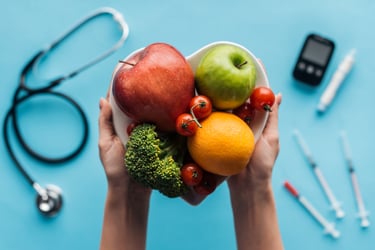
According to the World Health Organization (WHO) there are 422 million people with diabetes mellitus (DM) and 318 million with impaired glucose tolerance (dysglycemia). This is an important public health issue that requires attention given its relationship to a plethora of chronic diseases as well as economic burden. We know that overweight (BMI > 25) and obesity (BMI>30) also lead to increased health risk relative to increasing values. However, we must look beyond these numbers alone and consider numerous factors that contribute to metabolic imbalances.
Insulin resistance (IR) is a condition that occurs when excess glucose in the blood reduces the cell’s ability to utilize blood sugar for energy. Blood sugar regulation is a critical factor because when cells lose their ability to respond normally to insulin, the result is a build-up of glucose in the blood. The body attempts to cope with this situation by producing more insulin. Over time, the pancreas loses its ability to produce insulin. IR has the potential to result in type 2 diabetes, pre-diabetes, or gestational diabetes. “Metabolic syndrome” describes a group of pathophysiological changes based on insulin resistance that may lead to damage of the heart, blood vessels, kidneys, and nerves. While poor diet may be a contributing factor, a comprehensive approach to IR with dietary and lifestyle changes is often warranted given the impact of other factors such as toxins, sedentary lifestyle, chronic inflammation, and chronic stress that lead to unhealthy blood sugar metabolism.
There are numerous symptoms that may be related to impaired blood sugar control; however, people with IR may initially have no complaints. High blood sugar levels may include symptoms such as fatigue, hunger, brain fog, increased weight gain, high blood pressure and high cholesterol.
Common approaches to promote healthy blood sugar metabolism include dietary guidelines, weight loss, and regular exercise. Often times an unhealthy diet is deficient in the nutrients necessary to support healthy cell membranes, insulin receptors, and a strong insulin signal. In addition, poor diets associated with high glucose levels have been shown to affect gene expression, which is important for heathy blood sugar metabolism. Some basic dietary changes include limiting the following: sugar and grains, inflammatory fatty acids, and conventional grain fed meat. These should be replaced with healthy fats such as olives/olive oil, avocado, and grass-fed meats and wild fish. Controlling the glycemic load of a meal is important and can be accomplished by combining protein, fats, and whole food carbohydrates at every meal/snack while avoiding quickly absorbed carbohydrates that raise sugar and insulin levels. Nutritional supplementation that supports blood sugar metabolism may also be appropriate.
A combination of nutrients that support blood sugar metabolism may include a quality multivitamin and mineral in addition to some or all of the following:
Lipoic Acid: Studies have shown that lipoic acid improves insulin sensitivity and promotes healthy blood sugar levels. In addition, lipoic acid acts as an antioxidant and boosts the antioxidant defense system through Nrf-2-mediated gene expression and by modulation of peroxisome proliferator activated receptors-regulated genes. ALA inhibits nuclear factor kappa B and activates AMPK in skeletal muscles, which in turn have a plethora of metabolic consequences.”
Chromium: An essential trace mineral needed in small amounts. According to research, chromium supplementation supports healthy blood sugar levels by activating the glucose transport molecule GLUT-4.
Berberine: A 2019 study found that berberine “can effectively regulate blood glucose and blood lipid of patients.” A meta-analysis found that berberine (in conjunction with appropriate dietary and lifestyle changes) lowered FPG and HbA1C compared to diet and lifestyle changes alone or a placebo.
EGCG: Epigallocatechin-3-gallate (EGCG) is a polyphenol extract from green tea. Researchers found that EGCG protected high glucose-induced reactive oxygen species (ROS) production while enhancing the insulin-signaling pathway.
Taurine: A deficiency of taurine in can cause metabolic impairment and dysfunction in various tissues leading to health problems.
CoQ10: A 2018 study indicated that CoQ10 demonstrated beneficial effects on glucose metabolism, malondialdehyde (MDA), and advanced glycation end products levels (AGEs).
Achieving and maintaining proper blood sugar metabolism is imperative for health and longevity. Screening for blood sugar imbalances should be conducted and addressed to avoid progression to significant health problems.
The following tests may be ordered to determine blood sugar imbalances:
- Fasting plasma glucose (FPG)
- Fasting Insulin
- Lactic Acid Dehydrogenase (LDH)
- C-Reactive Protein (CRP)
- HbA1C
Would you like help with attaining blood sugar and good cholesterol balance?
Do you struggle with weight issues?
Give us a call - we'd love t help!! 704-543-5540

#1 Way to have SMART Kids with this nutrient
REASONS WHY DHA IS IMPORTANT FOR KIDS
One key nutrient that has been shown to foster neurodevelopment in children is docosahexaenoic acid -- or DHA for short. DHA is a long-chain, polyunsaturated, omega-3 fatty acid. It is commonly found in oily fish (such as anchovies and salmon), blue crab, white tuna, large eggs, large shrimp and chicken. Although the human body can also naturally synthesize some DHA, you’ll still have to consume it directly -- either from foods or dietary supplements -- in order to meet daily requirements.
But why exactly is DHA so important for children? As earlier stated, DHA plays a tremendous role in the neurological development of infants and toddlers. Specifically, it aids the development of the brain and eyes, and consequently enhances cognitive function and learning behavior.
Fosters Brain Development
The process of brain development is pretty rapid after birth, so much so that by age 2, the size of an infant’s brain is already about three-quarters of the adult brain. Within the first year alone, the brain undergoes a 175% growth. Another 18% growth takes place in the second year and only an additional 21% growth takes place from age 2 till adulthood. But here’s the amazing part-- this growth is fueled by DHA.
The buildup of DHA in the brain provides an essential building block for cognitive, emotional, social and behavioral development in children. According to a study published in the journal of Clinical Epidemiology and Global Health, children with higher levels of DHA tend to exhibit higher cognitive, language, motor and information processing skills as they progress from infancy to young adulthood.
In another study published in PLOS-One Journal, the researchers observed that previously under-performing children -- aged 7-9 -- showed a considerable level of improvement in reading, memory and behavior after being placed on a healthy diet that contained 600mg of DHA per day.
But, here’s a quick note -- the importance of DHA goes way back to the time of pregnancy. About one-third of an individual’s brain development takes place during pregnancy -- especially in the third trimester. So, it’s very important for pregnant and breast-feeding women to get adequate amounts of DHA to ensure the optimal brain development of their babies.
May Support Children with ADHD
Attention deficit hyperactivity disorder (ADHD) is a condition characterized by impulsive behaviors and difficulty in concentrating. And it has been commonly linked with DHA deficiency. One of the functions of DHA is that it helps to improve blood flow in the brain during mental tasks and this may prove helpful to kids with ADHD.
In a 2018 review published in Clinical Nutrition ESPEN, seven out of nine studies that examined the impact of DHA supplementation in children with ADHD reported an improvement in attention or behavior in the supplemented children. For instance, in one of the studies that examined the impact of daily DHA and EPA supplementation on 40 boys with ADHD, it was observed that the boys who received supplementation alongside their usual ADHD medication exhibited a 15 percent reduction in attention problems compared with the placebo group which showed a 15% increase.
In another study carried out in 362 children, those who received a 600mg daily supplementation of DHA exhibited an 8 percent reduction in impulsive behaviors, compared with the placebo group which had only a 4 percent decrease.
Promotes Eye Health
Various research studies have also established a link between higher DHA levels and healthy eyes. Considering that DHA makes up about 60% of the polyunsaturated fatty acids in the retina, it makes sense it influences overall eye function.
In a study that examined the relationship among the DHA content of breast milk, the infant’s red blood cell DHA and visual acuity, the researchers reported that infants with the highest blood DHA were those whose consumed breastmilk with the highest DHA content. They also exhibited the highest clarity of vision.
Overall, DHA is critical in supporting neurological development in children, and has been shown to support proper eye and brain development. In addition to understanding the strategies in optimizing brain health in aging adults, it’s important to remember that taking care of our brains begins as early as pregnancy.
Call today to order DHA junior - high quality fish oils for your child - flavored and pure- $29
Have a child struggling with health issues?
Digestive issues? Ear infections? Tummy troubles?
Give us a call - 704-543-5540

9 Benefits to Eating this Particular Health Beneficial Foods
9 Surprising Benefits of Kimchi
Historically, it hasn’t always been possible to grow fresh vegetables throughout the year.
Therefore, people developed methods of food preservation, such as pickling and fermentation — a process that uses enzymes to create chemical changes in food.
Kimchi is a traditional Korean dish made with salted, fermented vegetables. It typically contains cabbage and seasonings like sugar, salt, onions, garlic, ginger, and chili peppers.
It may also boast other vegetables, including radish, celery, carrot, cucumber, eggplant, spinach, scallions, beets, and bamboo shoots.
Though usually fermented for a few days to a few weeks before serving, it can also be eaten fresh, or unfermented, immediately after preparation.
Not only is this dish delectable, but it also offers many health benefits (1Trusted Source, 2Trusted Source, 3Trusted Source).
Here are 9 unique benefits of kimchi.

Kimchi is packed with nutrients while being low in calories.
On its own, Chinese cabbage — one of the main ingredients in kimchi — boasts vitamins A and C, at least 10 different minerals, and over 34 amino acids (3Trusted Source).
Since kimchi varies widely in ingredients, its exact nutritional profile differs between batches and brands. All the same, a 1-cup (150-gram) serving contains approximately (4Trusted Source, 5Trusted Source):
- Calories: 23
- Carbs: 4 grams
- Protein: 2 grams
- Fat: less than 1 gram
- Fiber: 2 grams
- Sodium: 747 mg
- Vitamin B6: 19% of the Daily Value (DV)
- Vitamin C: 22% of the DV
- Vitamin K: 55% of the DV
- Folate: 20% of the DV
- Iron: 21% of the DV
- Niacin: 10% of the DV
- Riboflavin: 24% of the DV
Many green vegetables are good sources of nutrients like vitamin K and riboflavin. Because kimchi often comprises several green veggies, such as cabbage, celery, and spinach, it’s typically a great source of these nutrients.
Vitamin K plays an important role in many bodily functions, including bone metabolism and blood clotting, while riboflavin helps regulate energy production, cellular growth, and metabolism (6, 7).
What’s more, the fermentation process may develop additional nutrients that are more easily absorbed by your body (8Trusted Source, 9Trusted Source, 10Trusted Source).
SUMMARYKimchi has an excellent nutritional profile. The dish is low in calories but packed with nutrients like iron, folate, and vitamins B6 and K.
The lacto-fermentation process that kimchi undergoes makes it particularly unique. Fermented foods not only have an extended shelf life but also an enhanced taste and aroma (11Trusted Source).
Fermentation occurs when a starch or sugar is converted into an alcohol or acid by organisms like yeast, mold, or bacteria.
Lacto-fermentation uses the bacterium Lactobacillus to break sugars down into lactic acid, which gives kimchi its characteristic sourness.
When taken as a supplement, This bacterium itself may have several benefits, including treating conditions like hayfever and certain types of diarrhea (12Trusted Source, 13Trusted Source, 14, 15Trusted Source).
Fermentation also creates an environment that allows other friendly bacteria to thrive and multiply. These include probiotics, which are live microorganisms that offer health benefits when consumed in large amounts (16Trusted Source, 17Trusted Source).
In fact, they’re linked to protection from or improvements in several conditions, including:
- certain types of cancer (18Trusted Source, 19Trusted Source, 20Trusted Source)
- the common cold (21Trusted Source)
- constipation (22Trusted Source)
- gastrointestinal health (11Trusted Source, 23Trusted Source, 24, 25Trusted Source, 26Trusted Source)
- heart health (27Trusted Source)
- mental health (28Trusted Source)
- skin conditions (29Trusted Source, 30Trusted Source, 31Trusted Source, 32Trusted Source)
Keep in mind that many of these findings are related to high-dose probiotic supplements and not the amounts found in a normal serving of kimchi.
The probiotics in kimchi are believed to be responsible for many of its benefits. Nonetheless, more research is needed on the specific effects of probiotics from fermented foods (9Trusted Source, 33Trusted Source, 34Trusted Source).
SUMMARY: Fermented foods like kimchi offer probiotics, which may help prevent and treat several conditions.
The Lactobacillus bacterium in kimchi may boost your immune health.
In a study in mice, those injected with Lactobacillus plantarum — a specific strain that’s common in kimchi and other fermented foods — had lower levels of TNF alpha, an inflammatory marker, than the control group (35Trusted Source).
Because TNF alpha levels are often elevated during infection and disease, a decrease indicates that the immune system is working efficiently (36Trusted Source, 37Trusted Source).
A test-tube study that isolated Lactobacillus plantarum from kimchi likewise demonstrated that this bacterium has immune-enhancing effects (38Trusted Source).
Though these results are promising, human research is needed.
SUMMARY:: A specific strain of Lactobacillus found in kimchi may boost your immune system, though further research is necessary.
Probiotics and active compounds in kimchi and other fermented foods may help fight inflammation (39Trusted Source, 40Trusted Source).
For example, a mouse study revealed that HDMPPA, one of the principal compounds in kimchi, improved blood vessel health by suppressing inflammation (41Trusted Source).
In another mouse study, a kimchi extract of 91 mg per pound of body weight (200 mg per kg) given daily for 2 weeks lowered levels of inflammation-related enzymes (42Trusted Source).
Meanwhile, a test-tube study confirmed that HDMPPA displays anti-inflammatory properties by blocking and suppressing the release of inflammatory compounds (43Trusted Source).
However, human studies are lacking.
SUMMARY:: HDMPPA, an active compound in kimchi, may play a large role in reducing inflammation.
Chronic inflammation is not only associated with numerous illnesses, but it also accelerates the aging process.
Yet, kimchi possibly prolongs cell life by slowing this process.
In a test-tube study, human cells treated with kimchi demonstrated an increase in viability, which measures overall cell health — and showed an extended lifespan regardless of their age (44).
Still, overall research is lacking. Many more studies are needed before kimchi can be recommended as an anti-aging treatment.
SUMMARY:: A test-tube study indicates that kimchi may slow the aging process, though more research is necessary.
Kimchi’s probiotics and healthy bacteria may help prevent yeast infections.
Vaginal yeast infections occur when the Candida fungus, which is normally harmless, multiplies rapidly inside the vagina. Over 1.4 million women in the United States are treated for this condition each year (45Trusted Source).
As this fungus may be developing resistance to antibiotics, many researchers are looking for natural treatments.
Test-tube and animal studies suggest that certain strains of Lactobacillus fight Candida. One test-tube study even found that multiple strains isolated from kimchi displayed antimicrobial activity against this fungus (46Trusted Source, 47Trusted Source, 48Trusted Source).
Regardless, further research is necessary.
SUMMARYProbiotic-rich foods like kimchi may help prevent yeast infections, though research is in the early stages.
Fresh and fermented kimchi are both low in calories and may boost weight loss (49Trusted Source).
A 4-week study in 22 people with excess weight found that eating fresh or fermented kimchi helped reduce body weight, body mass index (BMI), and body fat. Additionally, the fermented variety decreased blood sugar levels (50Trusted Source).
Keep in mind that those who ate fermented kimchi displayed significantly greater improvements in blood pressure and body fat percentage than those who ate the fresh dish (50Trusted Source).
It’s unclear which properties of kimchi are responsible for its weight loss effects — though its low calorie count, high fiber content, and probiotics could all play a role.
SUMMARYThough the specific mechanism isn’t known, kimchi may help reduce body weight, body fat, and even blood pressure and blood sugar levels.
Research indicates that kimchi may reduce your risk of heart disease (51Trusted Source).
This may be due to its anti-inflammatory properties, as recent evidence suggests that inflammation may be an underlying cause of heart disease (52, 53Trusted Source, 54Trusted Source).
In an 8-week study in mice fed a high cholesterol diet, fat levels in the blood and liver were lower in those given kimchi extract than in the control group. In addition, the kimchi extract appeared to suppress fat growth (55Trusted Source).
This is important because the accumulation of fat in these areas may contribute to heart disease.
Meanwhile, a weeklong study in 100 people found that eating 0.5–7.5 ounces (15–210 grams) of kimchi daily significantly decreased blood sugar, total cholesterol, and LDL (bad) cholesterol levels — all of which are risk factors for heart disease (56Trusted Source).
All the same, more human research is needed.
SUMMARY:: Kimchi may lower your risk of heart disease by reducing inflammation, suppressing fat growth, and decreasing cholesterol levels.
Though preparing fermented foods may seem like a daunting task, making kimchi at home is fairly simple if you adhere to the following steps (3Trusted Source):
- Gather ingredients of your choice, such as cabbage and other fresh vegetables like carrot, radish, and onion, plus ginger, garlic, sugar, salt, rice flour, chili oil, chili powder or pepper flakes, fish sauce, and saeujeot (fermented shrimp).
- Cut and wash the fresh vegetables alongside the ginger and garlic.
- Spread salt in between the layers of cabbage leaves and let it sit for 2–3 hours. Turn the cabbage every 30 minutes to evenly distribute the salt. Use a ratio of 1/2 cup (72 grams) of salt to every 6 pounds (2.7 kg) of cabbage.
- To remove the excess salt, rinse the cabbage with water and drain in a colander or strainer.
- Mix the rice flour, sugar, ginger, garlic, chili oil, pepper flakes, fish sauce, and saeujeot into a paste, adding water if necessary. You can use more or less of these ingredients depending on how strong you want your kimchi to taste.
- Toss the fresh vegetables, including the cabbage, into the paste until all of the veggies have been fully coated.
- Pack the mixture into a large container or jar for storage, making sure to seal it properly.
- Let the kimchi ferment for at least 3 days at room temperature or up to 3 weeks at 39°F (4°C).
To make a version that’s suitable for vegetarians and vegans, simply leave out the fish sauce and saeujeot.
If you prefer fresh over fermented kimchi, just stop after step 6.
If you choose fermentation, you’ll know that it’s ready to eat once it starts to smell and taste sour — or when small bubbles begin to move through the jar.
After fermentation, you can refrigerate your kimchi for up to 1 year. It will continue to ferment but at a slower rate due to the cool temperature.
Bubbling, bulging, a sour taste, and a softening of the cabbage are all perfectly normal for kimchi. However, if you notice a foul odor or any signs of mold, such as a white film atop the food, your dish has spoiled and should be thrown out.
SUMMARY:: Kimchi can be made at home using a few simple steps. Typically, it needs to ferment 3–21 days depending on the surrounding temperature.
INTERESTED IN MORE NATURAL WAYS TO IMPROVE YOUR HEALTH?
OUR DOCTORS HAVE A PASSION FOR NATURAL MEDICINE AND FINDING THE ROOT CAUSE OF YOUR SYMPTOMS - 704.543.5540
Why eating organic can save you from a heart attack
The strong link between exposure to pyrethroids and death from heart disease surprised Hans-Joachim Lehmler, Ph.D., professor of environmental health at the University of Iowa College of Public Health in Iowa City, and one of the study’s authors. He says little past evidence has hinted at any potential heart harms from these pesticides.
One small study conducted in China in 2017 did find a link between heart disease and pyrethroid exposure, but the new JAMA study is the first to examine deaths associated with these chemicals.
While the new findings may sound alarming, Lehmler says that a study like this one can’t prove cause and effect and that a lot more research is needed to confirm, or refute, these results. Here is what you need to know about pyrethroid pesticides now.
What Are Pyrethroids?
Pyrethroids are the synthetic version of pyrethrin, an insecticide derived from the chrysanthemum flower. They have been chemically altered to be more stable in sunlight, according to the Environmental Protection Agency.
Their use has increased in popularity in recent years because they’re thought to be less harmful to birds and mammals than some other types of pesticides, such as organophosphates (which include malathion, used in some prescription head lice treatments and for controlling insects such as mosquitoes).
Permethrin is known for its ability to kill mosquitoes and ticks. In fact, the EPA says it’s the chemical most widely used for mosquito spraying in the U.S.—covering 9 to 10 million acres annually.
And treating clothing with permethrin is one of several strategies the Centers for Disease Control and Prevention recommends that consumers employ to protect themselves from tick bites.
Pyrethroids have some well-known short-term side effects. They can cause itchiness and irritation if they come into contact with your skin. And although ingesting or inhaling a large amount of one of these pesticides is unlikely, a significant dose could cause headache, nausea, vomiting, dizziness, muscle twitching, or loss of consciousness, according to the CDC’s Agency for Toxic Substances and Disease Registry [PDF].
But much less is known about the effects of long-term, lower-level exposure to these chemicals. The current study adds new information about those long-term effects.
What the Study Found
In the study, scientists at the University of Iowa looked at information on 2,116 adults with an average age of about 43. All had provided a urine sample to the U.S. National Health and Nutrition Examination Survey between 1999 and 2002.
The scientists tested the samples for a variety of substances, including 3-phenoxybenzoic acid (3PBA), a marker that indicates previous exposure to pyrethroids.
The scientists also looked at data on the participants’ overall health and socioeconomic status, whether they died during the study period, and, if so, their cause of death. People with the highest concentrations of 3PBA in their urine were about three times more likely to die from cardiovascular disease than those who had the lowest concentrations of the chemical marker.
The researchers took a variety of factors that may have affected their results into consideration, including quality of diet, smoking status, and income and education levels.
But they might not have been able to control for all possibilities, so the study does not prove that pyrethroids caused the added deaths. It could be that people with the higher levels of the chemical marker in their urine were also subject to additional risk factors for heart disease and death that the research wasn’t able to measure. In addition, the researchers say the results should be interpreted with caution because the number of people who died from cardiovascular disease during the study was relatively small—just 41 out of 246 total deaths over the study period.
What the results amount to are a suggestion that pyrethroids might be linked to an increased risk of cardiovascular disease, says Lehmler, one of the study’s authors. However, he says, “one study doesn’t mean that you’ve answered all the questions,” and more research needs to be done.
Steven Stellman, Ph.D., M.P.H., a professor of clinical epidemiology at the Mailman School of Public Health at Columbia University in New York City, who wrote a commentary that accompanied the new study, agrees. “There’s a lot of hurdles to overcome before you bring down the gavel and indict pyrethroids as a family, or even individually, as increasing the risk of total mortality or cardiovascular mortality,” Stellman says.
These pesticides, he notes, are one of our most important tools for protecting people against diseases spread by mosquitoes and ticks.
Safely Protect Yourself From Biting Bugs
It’s too early to tell whether you should stop using pyrethroids altogether. But you can take a number of measures to protect yourself from mosquito and tick bites without using any pesticides. Wearing long sleeves and pants when you might be exposed to these bugs is a good start.
For mosquitoes, cleaning up any standing water around your home and yard helps to keep them from breeding near where you live. To make your yard less friendly to ticks, keep it mowed and free of brush and leaf litter.
And you can opt for other chemicals for preventing bug bites. Consumer Reports’ tests of insect repellents have shown that products containing 25 to 30 percent deet provide consistently high protection against mosquitoes. Some products we’ve rated that contain 20 percent picaridin or 30 percent oil of lemon eucalyptus have also performed well in our tests. Members can view our full ratings for details.
If you do choose to use permethrin to protect against tick and mosquito bites, be sure to use it safely. Never apply it directly to your skin. If you’re treating your own clothing with permethrin, apply the chemical outdoors, wash your hands well afterward, and make sure the clothes dry completely before you wear them. You should also wash your hands after you apply tick or flea medication to your dog.
Consumer Reports recommends skipping pyrethroid-based lice treatments altogether. While these products were once effective, studies have shown that lice have developed resistance to them. That means using one of these treatments exposes you to potential risks of the chemicals with little chance of any benefit.
Finally, consider buying organic groceries. This will help you avoid ingesting pyrethroids, which aren’t allowed in the production of organic crops.

Thyroid Awareness Webinar
Would you like to learn more? Check out this other 20- minute -video by Dr. Monica Vaghela -
5 Yoga poses for better sleep!
A Restful Yoga Routine for Insomnia
You’ve probably already tried counting sheep backward and forward, so your next step may be to add a gentle yoga practice to your nightly routine.
A Harvard Medical SchoolTrusted Source study found that a regular yoga practice improved sleep efficiency, total sleep time, and how quickly participants fell asleep, among other improvements for those living with insomnia.
Though it may be tempting to think you should tire yourself out with intense workouts before bed, you actually want to calm your nervous system and wind down from your day. The key to yoga for sleep is to go for calm and restorative poses. Follow this routine to get started.
1. Forward Fold
Forward Fold is a gentle inversion. It activates your parasympathetic nervous system. This system slows down bodily processes. It will release tension and help you get to sleep.
- Begin standing upright with your feet hip-distance apart.
- Take a deep inhale as you raise your arms up and out until they meet above your head.
- As you exhale, pull your knees up by contracting the fronts of your thighs and bend forward from the waist.
- Settle into the stretch by breathing in gently and grasping opposite elbows, letting your arms hang directly beneath your head — widen your stance if you’re at all worried about balance here.
- Take in 10 to 15 slow, deep breaths before you gently rise to stand.
2. Supine Twist
Twists in general help detox, release tension, and reduce back pain. Beyond that, it’s been found that certain reclining poses help relax your baroreflex, which helps lower your blood pressure. This can assist in helping you get to and stay asleep.
Muscles Worked: glutes, erector spinae, external obliques
- Lie on your back on the mat. As you inhale, draw your knees into your chest.
- As you exhale, extend your arms out your side at shoulder height and let your knees fall to the side, stacking your knees on top of each other. If you need or want, you can put a small cushion (like a throw pillow) under your bottom knee to support the twist.
- As you breathe into the twist, check in with your body and be sure neither shoulder blade is pulling up off the ground. If it is, you can raise your legs a little and add a cushion (or another cushion) to keep your shoulders pressing into the mat.
- Stay here for at least 5 deep breaths and lift your legs back to your chest on an inhale, pressing into your arms to help move them, and then drop them to the other side.
3. Puppy Pose
Puppy Pose is a modified Child’s Pose. It stretches the upper back, spine, and shoulders. This helps relieve tension and stress. The forehead on the ground also stimulates the pituitary gland, which is a major of source of melatonin. Melatonin helps aid you in getting to sleep.
Muscles stretched: latissimus dorsi, teres major, rotator cuff muscles, abdominals, deltoids
- Get into all fours on the mat, keeping your hips stacked over your knees and your shoulders stacked over your wrists.
- Without moving your hips, begin to walk your hands out in front of you but keep your elbows off the floor.
- As you exhale, tuck your toes under and move your buttocks about halfway to your heels and gently drop your forehead to the mat.
- Breathe here, keeping a slight curve in your lower back and pressing your hands down and stretching through your arms and spine.
- Stay here for 5 to 10 breaths before walking your hands back so you’re on all fours again.
4. Child’s Pose
Child’s Pose stretches the hips, thighs, and ankles. It also passively stretches the back torso and gently relaxes the muscles of your front body. This pose reduces stress, stimulates melatonin, and calms the mind.
Muscles stretched: latissimus dorsi, lower back, shoulders, hips
- From all fours, bring your big toes together so they’re touching, widen your knees to at least hip width, and then sit back on your heels.
- As you exhale, lay your torso down between your thighs. If it’s more comfortable, you can widen your feet or lay a long, narrow cushion down between your legs to support your torso.
- When you are laying fully in Child’s Pose, you can have your arms out in front of you, stretching, but as a follow-up to Puppy Pose, you can lay your hands alongside your torso, palms up.
- Stay here for at least 10 breaths. When you rise from it, do so as you inhale and use your hands to support you if you like.
5. Legs-Up-the-Wall Pose
Legs-Up-the-Wall is a gentle inversion. It’s also completely passive, so it helps prepare your brain and body for sleep.
Muscles stretched: hamstrings and neck, front of the torso
- Move your mat to an area of the wall with space and sit parallel to it.
- Lie down with your feet on the ground, knees bent.
- Resting on your lower back, lift your feet and gently swing your torso so it’s perpendicular to the wall. Place your sitting bones up against the base of the wall and your legs up the wall. Get comfortable here, moving your torso and inching your lower back closer to the wall if need be. Extend your legs up the wall. (Note: Placing a cushion or folded blanket under your lower back can add to your comfort here.)
- Rest your arms out to your sides at whatever angle feels good, palms up. Stay here as long as you like, breathing deeply and releasing tension.
Takeaway
Doing these exercises before bedtime tonight can provide you immediate results in the form of a better night’s sleep. Even better news: If you add them to your nighttime routine regularly, the effects will increase and your sleep will continue to improve.
12 Ways to Prevent Type 2 Diabetes Naturally
12 Ways to Prevent Type 2 Diabetes
Type 2 diabetes is a chronic disease that affects millions of people worldwide. Uncontrolled cases can cause blindness, kidney failure, heart disease and other serious conditions.
Before diabetes is diagnosed, there is a period where blood sugar levels are high but not high enough to be diagnosed as diabetes. This is known as prediabetes.
It's estimated that up to 70% of people with prediabetes go on to develop type 2 diabetes. Fortunately, progressing from prediabetes to diabetes isn't inevitable (1).
Although there are certain factors you can't change — such as your genes, age or past behaviors — there are many actions you can take to reduce the risk of diabetes.
Here are 12 ways to avoid getting diabetes.

Eating sugary foods and refined carbs can put at-risk individuals on the fast track to developing diabetes.
Your body rapidly breaks these foods down into small sugar molecules, which are absorbed into your bloodstream.
The resulting rise in blood sugar stimulates your pancreas to produce insulin, a hormone that helps sugar get out of the bloodstream and into your body's cells.
In people with prediabetes, the body's cells are resistant to insulin's action, so sugar remains high in the blood. To compensate, the pancreas produces more insulin, attempting to bring blood sugar down to a healthy level.
Over time, this can lead to progressively higher blood sugar and insulin levels, until the condition eventually turns into type 2 diabetes.
Many studies have shown a link between the frequent consumption of sugar or refined carbs and the risk of diabetes. What's more, replacing them with foods that have less of an effect on blood sugar may help reduce your risk (2Trusted Source, 3Trusted Source, 4Trusted Source, 5Trusted Source, 6Trusted Source).
A detailed analysis of 37 studies found that people with the highest intakes of fast-digesting carbs were 40% more likely to develop diabetes than those with the lowest intakes (7Trusted Source).
SUMMARY:Eating foods high in refined carbs and sugar increases blood sugar and insulin levels, which may lead to diabetes over time. Avoiding these foods may help reduce your risk.
Performing physical activity on a regular basis may help prevent diabetes.
Exercise increases the insulin sensitivity of your cells. So when you exercise, less insulin is required to keep your blood sugar levels under control.
One study in people with prediabetes found that moderate-intensity exercise increased insulin sensitivity by 51% and high-intensity exercise increased it by 85%. However, this effect only occurred on workout days (8Trusted Source).
Many types of physical activity have been shown to reduce insulin resistance and blood sugar in overweight, obese and prediabetic adults. These include aerobic exercise, high-intensity interval training and strength training (9Trusted Source, 10Trusted Source, 11Trusted Source, 12Trusted Source, 13Trusted Source, 14Trusted Source).
Working out more frequently seems to lead to improvements in insulin response and function. One study in people at risk of diabetes found that burning more than 2,000 calories weekly via exercise was required to achieve these benefits (14Trusted Source).
Therefore, it's best to choose physical activity that you enjoy, can engage in regularly and feel you can stick with long-term.
SUMMARY:Performing physical activity on a regular basis can increase insulin secretion and sensitivity, which may help prevent the progression from prediabetes to diabetes.
Water is by far the most natural beverage you can drink.
What's more, sticking with water most of the time helps you avoid beverages that are high in sugar, preservatives and other questionable ingredients.
Sugary beverages like soda and punch have been linked to an increased risk of both type 2 diabetes and latent autoimmune diabetes of adults (LADA).
LADA is a form of type 1 diabetes that occurs in people over 18 years of age. Unlike the acute symptoms seen with type 1 diabetes in childhood, LADA develops slowly, requiring more treatment as the disease progresses (15Trusted Source).
One large observational study looked at the diabetes risk of 2,800 people.
Those who consumed more than two servings of sugar-sweetened beverages per day had a 99% increased risk of developing LADA and a 20% increased risk of developing type 2 diabetes (16Trusted Source).
Researchers of one study on the effects of sweet drinks on diabetes stated that neither artificially sweetened beverages nor fruit juice were good beverages for diabetes prevention (17Trusted Source).
By contrast, consuming water may provide benefits. Some studies have found that increased water consumption may lead to better blood sugar control and insulin response (18Trusted Source, 19Trusted Source).
One 24-week study showed that overweight adults who replaced diet sodas with water while following a weight loss program experienced a decrease in insulin resistance and lower fasting blood sugar and insulin levels (19Trusted Source).
SUMMARY:Drinking water instead of other beverages may help control blood sugar and insulin levels, thereby reducing the risk of diabetes.
Although not everyone who develops type 2 diabetes is overweight or obese, the majority are.
What's more, those with prediabetes tend to carry excess weight in their midsection and around abdominal organs like the liver. This is known as visceral fat.
Excess visceral fat promotes inflammation and insulin resistance, which significantly increase the risk of diabetes (20Trusted Source, 21Trusted Source, 22Trusted Source, 23Trusted Source).
Although losing even a small amount of weight can help reduce this risk, studies show that the more you lose, the more benefits you'll experience (24Trusted Source, 25Trusted Source).
One study of more than 1,000 people with prediabetes found that for every kilogram (2.2 lbs) of weight participants lost, their risk of diabetes reduced by 16%, up to a maximum reduction of 96% (25Trusted Source).
There are many healthy options for losing weight, including low-carb, Mediterranean, paleo and vegetarian diets. However, choosing a way of eating you can stick with long-term is key to helping you maintain the weight loss.
One study found that obese people whose blood sugar and insulin levels decreased after losing weight experienced elevations in these values after gaining back all or a portion of the weight they lost (26Trusted Source).
SUMMARY:Carrying excess weight, particularly in the abdominal area, increases the likelihood of developing diabetes. Losing weight may significantly reduce the risk of diabetes.
Smoking has been shown to cause or contribute to many serious health conditions, including heart disease, emphysema and cancers of the lung, breast, prostate and digestive tract (27Trusted Source).
There's also research linking smoking and second-hand smoke exposure to type 2 diabetes (28Trusted Source, 29Trusted Source, 30Trusted Source, 31Trusted Source).
In an analysis of several studies totaling over one million people, smoking was found to increase the risk of diabetes by 44% in average smokers and 61% in people who smoked more than 20 cigarettes daily (30Trusted Source).
One study followed the risk of diabetes in middle-aged male smokers after they quit. After five years their risk had reduced by 13%, and after 20 years they had the same risk as people who had never smoked (31Trusted Source).
Researchers stated that even though many of the men gained weight after quitting, after several smoke-free years, their risk of diabetes was lower than if they'd continued smoking.
SUMMARY:Smoking is strongly linked to the risk of diabetes, especially in heavy smokers. Quitting has been shown to reduce this risk over time.
Following a ketogenic or very-low-carb diet can help you avoid diabetes.
Although there are a number of ways of eating that promote weight loss, very-low-carb diets have strong evidence behind them.
They have consistently been shown to lower blood sugar and insulin levels, increase insulin sensitivity and reduce other diabetes risk factors (32Trusted Source, 33Trusted Source, 34Trusted Source, 35Trusted Source, 36Trusted Source).
In a 12-week study, prediabetic individuals consumed either a low-fat or low-carb diet. Blood sugar dropped by 12% and insulin dropped by 50% in the low-carb group.
In the low-fat group, meanwhile, blood sugar dropped by only 1% and insulin dropped by 19%. Thus, the low-carb diet had better results on both counts (35Trusted Source).
If you minimize your carb intake, your blood sugar levels won't rise very much after you eat. Therefore, your body needs less insulin to maintain your blood sugar within healthy levels.
What's more, very-low-carb or ketogenic diets may also reduce fasting blood sugar.
In a study of obese men with prediabetes who followed a ketogenic diet, average fasting blood sugar decreased from 118 to 92 mg/dl, which is within the normal range. Participants also lost weight and improved several other health markers (36Trusted Source).
For more info, check out this Guide to Healthy Low-Carb Eating With Diabetes.
SUMMARY:Following a ketogenic or very-low-carb diet can help keep blood sugar and insulin levels under control, which may protect against diabetes.
Whether or not you decide to follow a low-carb diet, it's important to avoid large portions of food to reduce the risk of diabetes, especially if you are overweight.
Eating too much food at one time has been shown to cause higher blood sugar and insulin levels in people at risk of diabetes (37Trusted Source).
On the other hand, decreasing portion sizes may help prevent this type of response.
A two-year study in prediabetic men found that those who reduced food portion sizes and practiced other healthful nutrition behaviors had a 46% lower risk of developing diabetes than the men who made no lifestyle changes (38Trusted Source).
Another study looking at weight loss methods in people with prediabetes reported that the group practicing portion control lowered their blood sugar and insulin levels significantly after 12 weeks (39Trusted Source).
SUMMARY:Avoiding large portion sizes can help reduce insulin and blood sugar levels and decrease the risk of diabetes.
It's important to avoid being sedentary if you want to prevent diabetes.
If you get no or very little physical activity, and you sit during most of your day, then you lead a sedentary lifestyle.
Observational studies have shown a consistent link between sedentary behavior and the risk of diabetes (40Trusted Source, 41).
A large analysis of 47 studies found that people who spent the highest amount of time per day engaged in sedentary behavior had a 91% increased risk of developing diabetes (41).
Changing sedentary behavior can be as simple as standing up from your desk and walking around for a few minutes every hour.
Unfortunately, it can be hard to reverse firmly entrenched habits.
One study gave young adults at risk of diabetes a 12-month program designed to change sedentary behavior. Sadly, after the program ended, the researchers found that participants hadn't reduced how much time they sat (42Trusted Source).
Set realistic and achievable goals, such as standing while talking on the phone or taking the stairs instead of the elevator. Committing to these easy, concrete actions may be the best way to reverse sedentary tendencies.
SUMMARY:Avoiding sedentary behaviors like excessive sitting has been shown to reduce your risk of getting diabetes.
Getting plenty of fiber is beneficial for gut health and weight management.
Studies in obese, elderly and prediabetic individuals have shown that it helps keep blood sugar and insulin levels low (43Trusted Source, 44Trusted Source, 45Trusted Source, 46Trusted Source).
Fiber can be divided into two broad categories: soluble and insoluble. Soluble fiber absorbs water, whereas insoluble fiber does not.
In the digestive tract, soluble fiber and water form a gel that slows down the rate at which food is absorbed. This leads to a more gradual rise in blood sugar levels (47Trusted Source).
However, insoluble fiber has also been linked to reductions in blood sugar levels and a decreased risk of diabetes, although exactly how it works is not clear (4Trusted Source, 47Trusted Source, 48Trusted Source).
Most unprocessed plant foods contain fiber, although some have more than others. Check out this list of 22 high-fiber foods for many excellent sources of fiber.
SUMMARY:Consuming a good fiber source at each meal can help prevent spikes in blood sugar and insulin levels, which may help reduce your risk of developing diabetes.
Vitamin D is important for blood sugar control.
Indeed, studies have found that people who don't get enough vitamin D, or whose blood levels are too low, have a greater risk of all types of diabetes (49Trusted Source, 50Trusted Source, 51Trusted Source, 52Trusted Source).
Most health organizations recommend maintaining a vitamin D blood level of at least 30 ng/ml (75 nmol/l).
One study found that people with the highest blood levels of vitamin D were 43% less likely to develop type 2 diabetes than those with the lowest blood levels (49Trusted Source).
Another observational study looked at Finnish children who received supplements containing adequate levels of vitamin D.
Children who took the vitamin D supplements had a 78% lower risk of developing type 1 diabetes than children who received less than the recommended amount of vitamin D (50Trusted Source).
Controlled studies have shown that when people who are deficient take vitamin D supplements, the function of their insulin-producing cells improves, their blood sugar levels normalize and their risk of diabetes reduces significantly (51Trusted Source, 52Trusted Source).
Good food sources of vitamin D include fatty fish and cod liver oil. In addition, sun exposure can increase vitamin D levels in the blood.
However, for many people, supplementing with 2,000–4,000 IU of vitamin D daily may be necessary to achieve and maintain optimal levels.
SUMMARY:Consuming foods high in vitamin D or taking supplements can help optimize vitamin D blood levels, which can reduce your risk of diabetes.
One clear step you can take to improve your health is to minimize your consumption of processed foods.
They're linked to all sorts of health problems, including heart disease, obesity and diabetes.
Studies suggest that cutting back on packaged foods that are high in vegetable oils, refined grains and additives may help reduce the risk of diabetes (53Trusted Source, 54Trusted Source, 55Trusted Source).
This may be partly due to the protective effects of whole foods like nuts, vegetables, fruits and other plant foods.
One study found that poor-quality diets that were high in processed foods increased the risk of diabetes by 30%. However, including nutritious whole foods helped reduce this risk (55Trusted Source).
SUMMARY:Minimizing processed foods and focusing on whole foods with protective effects on health may help decrease the risk of diabetes.
Although water should be your primary beverage, research suggests that including coffee or tea in your diet may help you avoid diabetes.
Studies have reported that drinking coffee on a daily basis reduced the risk of type 2 diabetes by 8–54%, with the greatest effect generally seen in people with the highest consumption (56Trusted Source, 57Trusted Source, 58Trusted Source, 59Trusted Source, 60Trusted Source, 61).
Another review of several studies that included caffeinated tea and coffee found similar results, with the largest risk reduction in women and overweight men (62Trusted Source).
Coffee and tea have antioxidants known as polyphenols that may help protect against diabetes (63Trusted Source).
In addition, green tea contains a unique antioxidant compound called epigallocatechin gallate (EGCG) that has been shown to reduce blood sugar release from the liver and increase insulin sensitivity (64Trusted Source, 65Trusted Source).
WOULD YOU LIKE A MORE NATURAL APPROACH TO YOUR HEALTH?
CALL US TODAY! 704-543-5540

What's the BEEF? What to EAT & WHY? Grass- Fed Vs Grain Fed Beef?
Grass-Fed vs. Grain-Fed Beef — What’s the Difference?
The way cows are fed can have a major effect on the nutrient composition of their beef.
Whereas cattle today are often fed grains, the animals people ate throughout evolution roamed free and ate grass.
Many studies have shown that the nutrients in beef can vary depending on what cows eat.
Where beef is mass-produced, such as in the United States, cattle are usually fed grain. However, grass-fed beef is common in many other countries, such as Australia.
You may wonder whether the way cows are fed makes any difference to your health.
This article looks at the evidence to determine the differences between grass- and grain-fed beef.

In the United States, most cows start living similar lives.
The calves are born in the early spring, drink milk from their mothers, and are then allowed to roam free and eat grass or other edible plants they find in their environment.
This continues for about 7–9 months. After that, most conventionally raised cows are moved to feedlots.
Large feedlots are called concentrated animal feeding operations (CAFOs). There, the cows are kept in confined stalls, often with limited space.
They are rapidly fattened with grain-based feeds that are usually made from a base of soy or corn. Typically, their diet is also supplemented with small amounts of dried grass.
The cows live in these feedlots for a few months before being brought to a slaughterhouse.
Of course, it’s not that simple. The different feeding practices are complicated and varied.
For example, grass-fed beef in Australia may not be directly comparable to US products, and grass-fed beef isn’t necessarily pasture-raised. Not all grass-fed cows can graze outdoors.
In fact, the term grass-fed isn't clearly defined.
That said, grass-fed cows eat (mostly) grass, while grain-fed cows eat (mostly) an unnatural diet based on corn and soy during the latter part of their lives.
To maximize growth, the cows are often given drugs, such as antibiotics and growth hormones.
As of January 1st, 2017, the Food and Drug Administration (FDA) passed new legislation known as the Veterinary Feed Directive.
According to this legislation, antibiotics that are considered important in human medicine need to be administered under the oversight of a licensed veterinarian and cannot be used for growth promotion (1Trusted Source).
SUMMARY: Most cows start on a pasture, drinking milk and eating grass. However, conventionally raised cows are later moved to feed lots and fed mainly grain-based feeds.
"You are what you eat" applies to cows, too.
What a cow eats can significantly affect the nutrient composition of its beef. This is particularly evident when it comes to fatty acid composition.
Grass-fed beef usually contains less total fat than grain-fed beef, which means that gram for gram, grass-fed beef contains fewer calories (2Trusted Source).
However, the composition of fatty acids is also different:
- Monounsaturated fat. Grass-fed beef contains much less monounsaturated fat than grain-fed beef (2Trusted Source).
- Omega-6 polyunsaturated fats. Grass- and grain-fed beef contain very similar amounts of omega-6 fatty acids.
- Omega-3s. This is where grass-fed makes a major difference, containing up to five times as much omega-3 (3Trusted Source).
- Conjugated linoleic acid (CLA). Grass-fed beef contains about twice as much CLA as grain-fed beef. This fatty acid is associated with a few health benefits (4Trusted Source, 5Trusted Source).
In short, there are some significant differences in the composition and amount of fat in grass- and grain-fed beef.
Moreover, the breed and cut of meat considerably affect the fat composition of beef (2Trusted Source).
SUMMARY: Grass-fed beef may contain less total fat than grain-fed beef, but a lot more omega-3 fatty acids and CLA, which are both linked to health benefits.
Both grain- and grass-fed beef are highly concentrated sources of nutrients.
Beef is loaded with vitamin B12, B3, and B6. It’s also rich in highly bioavailable iron, selenium, and zinc. In fact, meat contains almost every nutrient that you need to survive (6).
It also contains high quality protein and various lesser-known nutrients, such as creatine and carnosine, which are very important for your muscles and brain.
But even though the difference isn’t great, grass-fed beef generally contains higher amounts of certain nutrients.
Compared with grain-fed beef, grass-fed is much higher in the following vitamins:
- Vitamin A. Grass-fed beef contains carotenoid precursors to vitamin A, such as beta carotene.
- Vitamin E. This antioxidant sits in your cell membranes and protects them from oxidation (4Trusted Source).
Grass-fed beef also tends to be richer in other antioxidants (7Trusted Source, 8Trusted Source).
SUMMARY: Conventional grain-fed beef is highly nutritious, but grass-fed beef contains more carotenoids, vitamin E, and other antioxidants.
It’s important to keep in mind that even conventional, grain-fed beef is very nutritious.
As long as you don't overcook your beef, which can lead to the formation of harmful compounds, it’s a nutritious food that can be part of a healthy diet.
In the United States, grass-fed beef can be more expensive, and it may not be worth the extra cost for some people.
Depending on where you live, it may also be inconvenient to buy grass-fed beef.
While some people may live close to a farmer's market or whole foods store, others may need to drive long distances to find grass-fed beef.
There can also be subtle differences in taste. Grass-fed beef is often leaner and may have a different texture.
Even though grass-fed beef contains higher amounts of certain nutrients, there is currently no compelling evidence that it’s significantly healthier than grain-fed beef in the context of a balanced diet.
In the end, the choice depends on your preferences and ideals. Some people prefer grass-fed, while others prefer grain-fed. Try both and see which one you like better.
SUMMARY: Although grass and grain-fed beef differ in several nutrients, their effects on your health may be similar.
Despite all the controversies in the field of nutrition, most people agree that the most important thing is to eat real food.
Some people like to take this idea a step further and only eat real food that eats real food. After all, grasses and herbs are a more natural diet for cows than corn and soy.
At the end of the day, the choice depends on your preferences and values.