
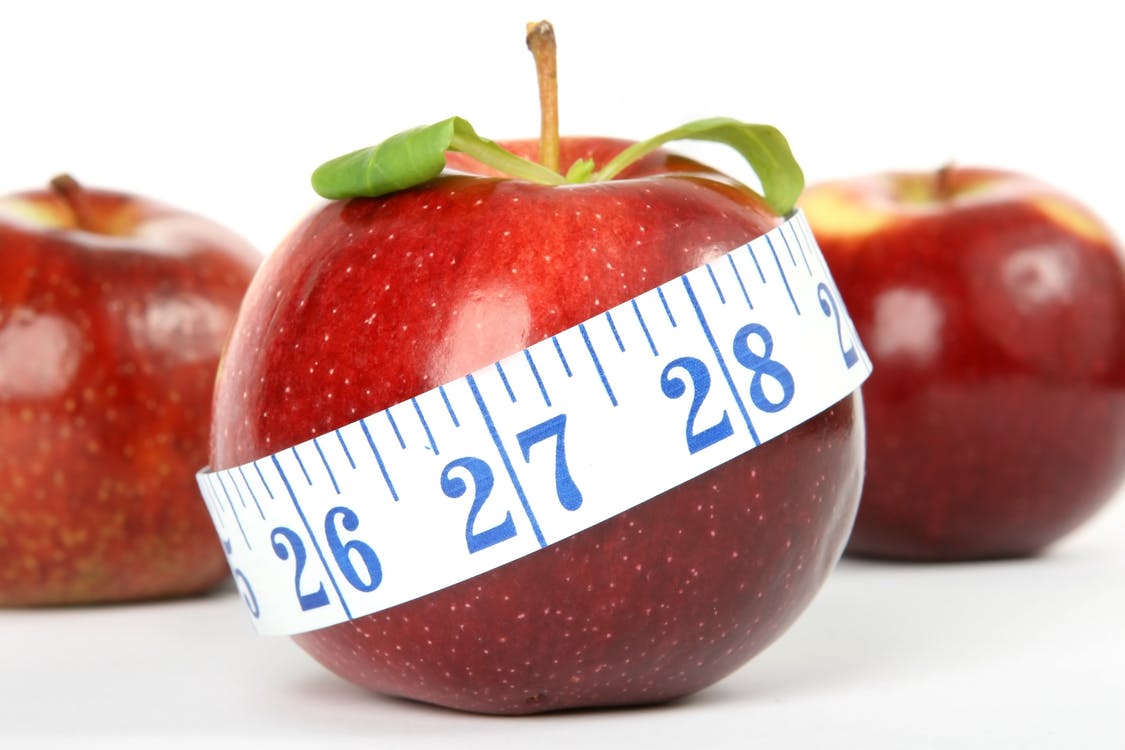
23 Tips to Stop Overeating...
23 Simple Things You Can Do to Stop Overeating
Written by Guest Writer: Jillian Kubala, MS, RD
Over time, eating too much food can lead to weight gain and increase the risk of developing a chronic condition, such as diabetes or heart disease.
Regardless of whether you have an eating disorder, breaking the cycle of overeating can be challenging. However, some techniques can help.
The 23 tips below provide a starting point to reduce overeating.

1. Get rid of distractions
Whether it’s working through lunch in front of the computer or noshing on chips while catching up on your favorite TV show, eating while distracted is a common occurrence for most people.
While this habit might seem harmless, it can contribute to overeating.
A review of 24 studies found that being distracted during a meal led people to consume more calories at that meal. It also caused them to eat more food later in the day, compared with people who paid attention to their food while eating (1Trusted Source).
SUMMARYMake an effort to turn off or put away potential distractions like phones, computers, and magazines. Concentrating on your meal during mealtime can help prevent overeating.
2. Know your trigger foods
Pinpointing which foods can trigger overeating and avoiding them can help decrease the chances of overeating.
For example, if ice cream is likely to trigger a binge or episode of overeating, it’s a good idea to stop storing it in the freezer. The harder it is to access something, the less likely you might be to overeat that food.
Preparing healthy options like a sliced apple with peanut butter, hummus and veggies, or homemade trail mix can encourage better choices when snacking.
Another helpful tip is to keep unhealthy snack foods like chips, candy, and cookies out of sight so there’s no temptation to grab a handful when walking past them.
SUMMARYIdentify the unhealthy foods that trigger overeating. Keep them out of the home or far out of sight, and make healthy options easily accessible instead.
3. Don’t ban all favorite foods
Restrictive eating patterns that eliminate many of your favorite foods may cause you to feel deprived, potentially leading you to binge on forbidden treats.
Diets that concentrate on whole, unprocessed foods are always best, but making room for an occasional treat is perfectly healthy.
Swearing to never have a scoop of ice cream, slice of pizza, or piece of chocolate again is not realistic for most people.
That said, in the case of food addiction, a person may need to permanently abstain from trigger foods. In this case, it’s a good idea to find healthy substitutes that are satisfying.
Focus on providing your body with mostly healthy, nutritious food while giving yourself the freedom to truly enjoy a treat here and there.
SUMMARYEating patterns that are too restrictive may drive binges. The key to a sustainable, healthy diet is to concentrate on eating whole, unprocessed foods most of the time while allowing for a treat here and there.
4. Give volumetrics a try
Volumetrics is a way to eat that focuses on filling up on low calorie, high fiber foods like non-starchy vegetables.
Consuming foods that are low in calories and high in fiber and water before meals can help you feel full, which might decrease overeating.
Examples of volumetrics-friendly foods include grapefruit, salad greens, broccoli, beans, tomatoes, and low-sodium broth.
Eating a large salad or bowl of low-sodium, broth-based soup before lunch and dinner may be an effective way to prevent overeating.
SUMMARYUse the volumetrics method of eating — fill up on healthy, low-calorie, high-fiber foods to help promote feeling full.
5. Avoid eating from containers
Eating chips out of the bag, ice cream out of the carton, or takeout straight from the box can lead to consuming more food than is recommended as a serving size.
Instead, portion out a single serving size on a plate or in a bowl to help control the number of calories you consume in one sitting.
Use measuring tools to train your eye on what a normal portion should look like for different types of foods.
SUMMARYInstead of eating food straight from the package, portion it into a dish. Try measuring out appropriate serving sizes to help train your eye to identify how much food is recommended as an average portion.
6. Reduce stress
Stress can lead to overeating, so it’s important to find ways to reduce the amount of stress in your daily life.
Chronic stress drives up levels of cortisol, a hormone that increases appetite. Studies have shown that being stressed can lead to overeating, increased hunger, binge eating, and weight gain (2Trusted Source).
There are many simple ways to reduce your everyday stress levels. Consider listening to music, gardening, exercising, or practicing yoga, meditation, or breathing techniques.
SUMMARYStress can lead to overeating, so reducing the stress in your everyday life is one important step to reduce overeating.
7. Eat fiber-rich foods
Choosing foods that are rich in fiber, such as beans, vegetables, oats, and fruit, can help keep your body feeling satisfied longer and reduce the urge to overeat.
For example, one study found that people who ate fiber-rich oatmeal for breakfast felt fuller and ate less at lunch than those who consumed cornflakes for breakfast (4Trusted Source).
Snacking on nuts, adding beans to your salad, and eating vegetables at every meal may help reduce the amount of food you consume.
SUMMARYAdd fiber-rich foods to your diet to keep your body feeling satisfied longer. Studies show this may help reduce the urge to overeat.
8. Eat regular meals
When attempting to lose weight, many people cut out meals in hopes that it will decrease the number of calories they take in.
While this may work in some instances, such as intermittent fasting, restricting meals may cause you to eat more later in the day.
Studies have demonstrated that eating more frequently throughout the day may decrease hunger and overall food intake (5Trusted Source).
For example, some people may skip lunch to restrict calories, only to find themselves overeating at dinner. However, eating a balanced lunch may help reduce the chances of eating too much later in the day (6Trusted Source).
SUMMARYSkipping meals may cause you to eat more later in the day. Instead, focus on keeping your body feeling satisfied by eating balanced meals made with whole foods.
9. Keep a food journal
Keeping track of what you eat in a food diary or mobile app may help reduce overeating.
Many studies have shown that using self-monitoring techniques like keeping a food diary may aid weight loss (7Trusted Source).
Plus, using a food journal can help identify situations and emotional triggers that contribute to overeating, as well as foods that are likely to provoke binge eating.
SUMMARYStudies have shown that tracking your food intake may help you lose weight. It will also help you become more aware of your habits.
10. Dine with like-minded friends
The food choices of your dining companions may have a greater effect on your food intake than you realize.
Numerous studies have found that people’s food choices are heavily influenced by the people they eat with.
People may tend to eat portions similar to those of their dining companions, so dining out with friends who overeat may cause them to overeat as well (8Trusted Source).
Plus, studies have shown that a person is more inclined to order unhealthy options if their dining partner does (9Trusted Source).
Choosing to eat with family and friends who have similar health goals can help you stay on track and reduce your chances of overeating.
SUMMARYWith whom you choose to eat may majorly impact your food choices. Try to dine with people who also want to eat healthy meals in moderate portions.
11. Fill up on protein
Protein helps keep your body full throughout the day and can decrease the desire to overeat.
For example, eating a high protein breakfast has been shown to reduce hunger and snacking later in the day (10Trusted Source).
Choosing a protein-rich breakfast like eggs tends to lower levels of ghrelin, a hormone that stimulates hunger (11Trusted Source).
Adding higher protein snacks like Greek yogurt to your routine can also help you eat less throughout the day and keep hunger under control (12Trusted Source).
SUMMARYEating protein-rich foods may help stave off hunger and cravings. Starting the day with a high protein breakfast can also help fight hunger later in the day.
12. Stabilize your blood sugar levels
Eating white bread, cookies, candy, and other carbs with high glycemic indexes will likely cause blood sugar levels to spike, then fall quickly.
This rapid blood sugar fluctuation has been shown to promote hunger and can lead to overeating (13Trusted Source).
Choosing foods with lower glycemic indexes will help prevent blood sugar spikes and may reduce overeating. Beans, oats, and brown rice are all great options.
SUMMARYEat foods that help keep blood sugar levels constant. High-glycemic foods like candy and white bread can make blood sugar spike then drop, which may lead to overeating. Instead, choose foods like beans, oats, and brown rice.
13. Slow down
Eating too quickly may cause overeating and lead to weight gain over time.
Slower-paced eating is associated with increased fullness and decreased hunger and can serve as a useful tool for controlling overeating (14Trusted Source).
Taking the time to thoroughly chew food has also been shown to reduce overall food intake and increase feelings of fullness (15Trusted Source).
SUMMARYFocusing on eating more slowly and chewing food thoroughly may help you recognize signs of fullness and reduce overeating.
14. Watch your alcohol intake
Drinking alcohol may cause overeating by lowering your inhibitions and stimulating appetite (16Trusted Source, 17Trusted Source).
While having a drink or two with a meal generally won’t have a huge effect, having several drinks in one sitting may lead to increased levels of hunger.
One study found that college students who drank four to five drinks at a time more than once per week were more likely to overeat after drinking, compared with students who drank one to two drinks at a time (18Trusted Source).
Cutting back on drinking alcohol may be a good way to minimize overeating.
SUMMARYStudies show that drinking several drinks in one sitting may lead to overeating. Instead, stick to just one or two drinks, or forgo drinking alcohol entirely.
15. Plan ahead
Being unprepared when hunger strikes can make it more likely that you’ll make poor food choices that can lead to overeating.
Purchasing meals and snacks at the last minute from restaurants or delis increases the likelihood of making unhealthy choices and eating more.
Instead, keep healthy snacks on hand, pack home-cooked lunches, and stock the fridge with healthy options to prepare dinner at home.
These strategies can help decrease overeating. Plus, making more meals at home can save money and time.
SUMMARYThe more prepared you are to eat healthily, the less likely you are to overeat. Keep the fridge and pantry stocked with healthy, filling foods.
16. Replace sugary beverages with water
Drinking sugary beverages like soda and juice could lead to weight gain and increase the risk of certain diseases like diabetes (19Trusted Source).
Studies have shown that consuming sweetened drinks with meals may be linked to overeating as well.
A review of 17 studies found that adults who drank sugar-sweetened beverages with meals consumed 7.8% more food than adults who consumed water with meals (20Trusted Source).
Choosing water or unsweetened seltzer over sweetened beverages may help reduce overeating.
SUMMARYAvoid sugary beverages. They’ve been linked to an increased risk of diabetes and other diseases and may be linked to overeating. Drink water instead.
17. Check in with yourself
Overeating in the absence of hunger could be a sign that something deeper is going on.
Depression and boredom are two common issues that have been linked to the urge to overeat (21Trusted Source, 22Trusted Source).
Fortunately, taking certain actions can help. For example, try taking on a new activity that’s enjoyable. It may help prevent boredom and distract from the urge to nibble.
Also, spending some time thinking about what triggers overeating can help determine the type of help to seek. If depression and anxiety are contributors, getting proper treatment from a mental health professional might assist with reducing overeating.
Every person is different, so it’s important to find the right treatment plan for your needs.
SUMMARY-Think about the feelings during episodes of overeating and seek help to address the issues behind the behavior. Depression and boredom are two common reasons. A mental health professional can provide guidance.
18. Ditch the diet mentality
Fad diets probably won’t help you stop overeating in the long run. Short-term, restrictive diets may lead to rapid weight loss, but they are often unsustainable and can set you up for failure.
Instead, make long-term lifestyle changes that promote health and wellness. It’s the best way to create a balanced relationship with food and prevent habits like overeating.
SUMMARYInstead of going on fad diets to curb overeating, find a sustainable way of eating that nourishes your body and helps it reach optimal health.
19. Break old habits
Habits can be hard to break, especially when they involve food.
Many people get into comfortable routines, like eating dinner in front of the TV or having a bowl of ice cream every night.
It may take time to identify unhealthy behaviors that lead to overeating and replace them with new, healthy habits, but it’s well worth the effort.
For example, make it a point to eat at the dinner table instead of in front of the TV, or replace a nightly bowl of ice cream with a hot cup of tea. These replacements will become healthy habits over time.
SUMMARYIdentify unhealthy habits and gradually replace them with new, more positive behaviors.
20. Eat healthy fats
Although high fat foods are often associated with weight gain and overeating, choosing foods rich in healthy fats can help you eat less.
Several studies have shown that adults who consume high fat, low carb diets are less hungry 3–4 hours after meals and lose more weight over time, compared with people who consume diets high in carbs and low in fat (23Trusted Source, 24Trusted Source).
Adding healthy fats like avocados, nuts, seeds, nut butters, and olive oil to your diet may help you feel more satisfied after meals and reduce overeating.
SUMMARYTry adding more healthy fats to your diet. Studies have shown doing so may help you feel fuller after meals and lose weight over time.
21. Keep your goals in mind
Setting short- and long-term goals and referring to them often may help you stay on track and reduce the urge to overeat.
Knowing the reason for overcoming overeating and how overeating is preventing you from reaching your health and wellness goals can motivate you to work toward establishing new eating patterns.
Jotting down motivational quotes and hanging them in prominent places around your living space can help inspire you to stick to a plan throughout the day.
SUMMARYIdentify specific short- and long-term eating goals and refer to them often. It can even be helpful to place motivational quotes around your home.
22. Get help if needed
It’s important to distinguish overeating from binge eating disorder (BED).
Binge eating disorder (BED) is recognized by the Diagnostic and Statistical Manual of Mental Disorders(DSM-5) as a psychiatric disorder. This means someone who has BED will likely need treatment from a team of medical professionals to overcome it.
BED is characterized by ongoing episodes of eating a large amount of food very quickly to the point of discomfort, despite not being hungry. After a binge, a person might feel shame or guilt surrounding the behavior.
It affects millions of people worldwide and is the most common eating disorder in the United States (25Trusted Source).
If you feel that you might have BED, it’s important to get help. Speak with your healthcare provider about treatment options.
SUMMARYIf you regularly binge on large quantities of food, lack control, and experience feelings of guilt, you may have binge eating disorder and should seek professional help.
23. Practice mindful eating
Adopting mindful eating techniques is one of the best ways to prevent overeating.
The practice of mindful eating stresses the importance of focusing on the moment and being aware of thoughts, emotions, and senses while consuming food.
Many studies have shown that mindful eating is an effective way to reduce binge eating behaviors, overeating, and emotional eating (3Trusted Source).
Eating more slowly, taking small bites, chewing thoroughly, being aware of your senses, and appreciating food are all simple mindfulness practices to incorporate into a daily routine.
SUMMARYThe practice of mindful eating has been shown to help reduce binge eating behaviors. Mindful eating focuses on being aware of your thoughts and senses while eating.
The bottom line
Many people struggle with overeating.
Fortunately, there are ways to improve eating habits and overcome eating disorders.
Healthcare professionals like psychologists, doctors, or registered dietitians can also provide counseling and guidance to help you get back on track.
Overeating can be a hard habit to break, but you can do it. Use these tips as a starting point to help establish a new, healthy routine, and make sure to seek professional help if you need it.

13 Anti-inflammatory Packed Foods you SHOULD eat!!
Yay!! I'm sure you are tired of hearing, 'what is bad, avoid this food, or reduce this or that!!" I know that I would prefer NOT to have to tell people to avoid certain foods.
It takes the joy out of my work, but nevertheless I do obviously have to do it.
Let's talk about inflammation and antioxidants - two things you can not live without.
Inflammation can be both good and bad.
On one hand, it helps your body defend itself from infection and injury. On the other hand, chronic inflammation can lead to weight gain and disease (1Trusted Source).
Stress, inflammatory foods, and low activity levels can make this risk even greater.
However, studies demonstrate that some foods can fight inflammation.
Here are 13 anti-inflammatory foods. (Written by guest writer: Franciska Spriltzner, RN, CN
1. Berries
Berries are small fruits that are packed with fiber, vitamins, and minerals.
Although dozens of varieties exist, some of the most common include:
strawberries
blueberries
raspberries
blackberries
Berries contain antioxidants called anthocyanins. These compounds have anti-inflammatory effects that may reduce your risk of disease.
Your body produces natural killer cells (NK cells), which help keep your immune system functioning properly.
In one study, men who consumed blueberries every day produced significantly more NK cells than men who did not .
In another study, adults with excess weight who ate strawberries had lower levels of certain inflammatory markers associated with heart disease.
2. Fatty fish
Fatty fish are a great source of protein and the long-chain omega-3 fatty acids EPA and DHA.
Although all types of fish contain some omega-3 fatty acids, these fatty fish are among the best sources:
salmon
sardines
herring
mackerel
anchovies
EPA and DHA reduce inflammation that can lead to metabolic syndrome, heart disease, diabetes, and kidney disease
Your body metabolizes these fatty acids into compounds called resolvins and protectins, which have anti-inflammatory effects.
In clinical studies, people consuming salmon or EPA and DHA supplements experienced reductions in the inflammatory marker C-reactive protein (CRP)
However, in another study, people with an irregular heartbeat who took EPA and DHA daily experienced no difference in inflammatory markers, compared with those who received a placebo .
3. Broccoli
Broccoli is extremely nutritious.
It's a cruciferous vegetable, along with cauliflower, Brussels sprouts, and kale.
Research has shown that eating a lot of cruciferous vegetables is associated with a decreased risk of heart disease and cancer.
This may be related to the anti-inflammatory effects of the antioxidants they contain.
Broccoli is rich in sulforaphane, an antioxidant that fights inflammation by reducing your levels of cytokines and NF-kB, which drive inflammation
4. Avocados
Avocados may be one of the few supposed superfoods worthy of the title.
They're packed with potassium, magnesium, fiber, and heart-healthy monounsaturated fats.
They also contain carotenoids and tocopherols, which are linked to reduced cancer risk.
In addition, one compound in avocados may reduce inflammation in young skin cells.
In one study, when people consumed a slice of avocado with a hamburger, they had lower levels of the inflammatory markers NF-kB and IL-6 than participants who ate the hamburger alone
5. Green tea
You've probably heard that green tea is one of the healthiest beverages you can drink.
It reduces your risk of heart disease, cancer, Alzheimer's disease, obesity, and other conditions.
Many of its benefits are due to its antioxidant and anti-inflammatory properties, especially a substance called epigallocatechin-3-gallate (EGCG).
EGCG inhibits inflammation by reducing pro-inflammatory cytokine production and damage to the fatty acids in your cells.
You can buy green tea in most stores or online.
6. Peppers
Bell peppers and chili peppers are loaded with vitamin C and antioxidants that have powerful anti-inflammatory effects.
Bell peppers provide the antioxidant quercetin, which may reduce one marker of oxidative damage in people with sarcoidosis, an inflammatory disease.
Chili peppers contain sinapic acid and ferulic acid, which may reduce inflammation and lead to healthier aging.
7. Mushrooms
While thousands of varieties of mushrooms exist worldwide, only a few are edible and grown commercially.
These include truffles, portobello mushrooms, and shiitake.
Mushrooms are very low in calories and rich in selenium, copper, and all of the B vitamins.
They also contain phenols and other antioxidants that provide anti-inflammatory protection.
A special type of mushroom called lion's mane may potentially reduce low-grade, obesity-related inflammation.
However, one study found that cooking mushrooms lowered their anti-inflammatory compounds significantly. Thus, it may be best to eat them raw or lightly cooked.
8. Grapes
Grapes contain anthocyanins, which reduce inflammation.
In addition, they may decrease the risk of several diseases, including heart disease, diabetes, obesity, Alzheimer's, and eye disorders.
Grapes are also one of the best sources of resveratrol, another compound that has many health benefits.
In one study, people with heart disease who consumed grape extract daily experienced a decrease in inflammatory gene markers, including NF-kB.
What’s more, their levels of adiponectin increased. Low levels are associated with weight gain and an increased risk of cancer.
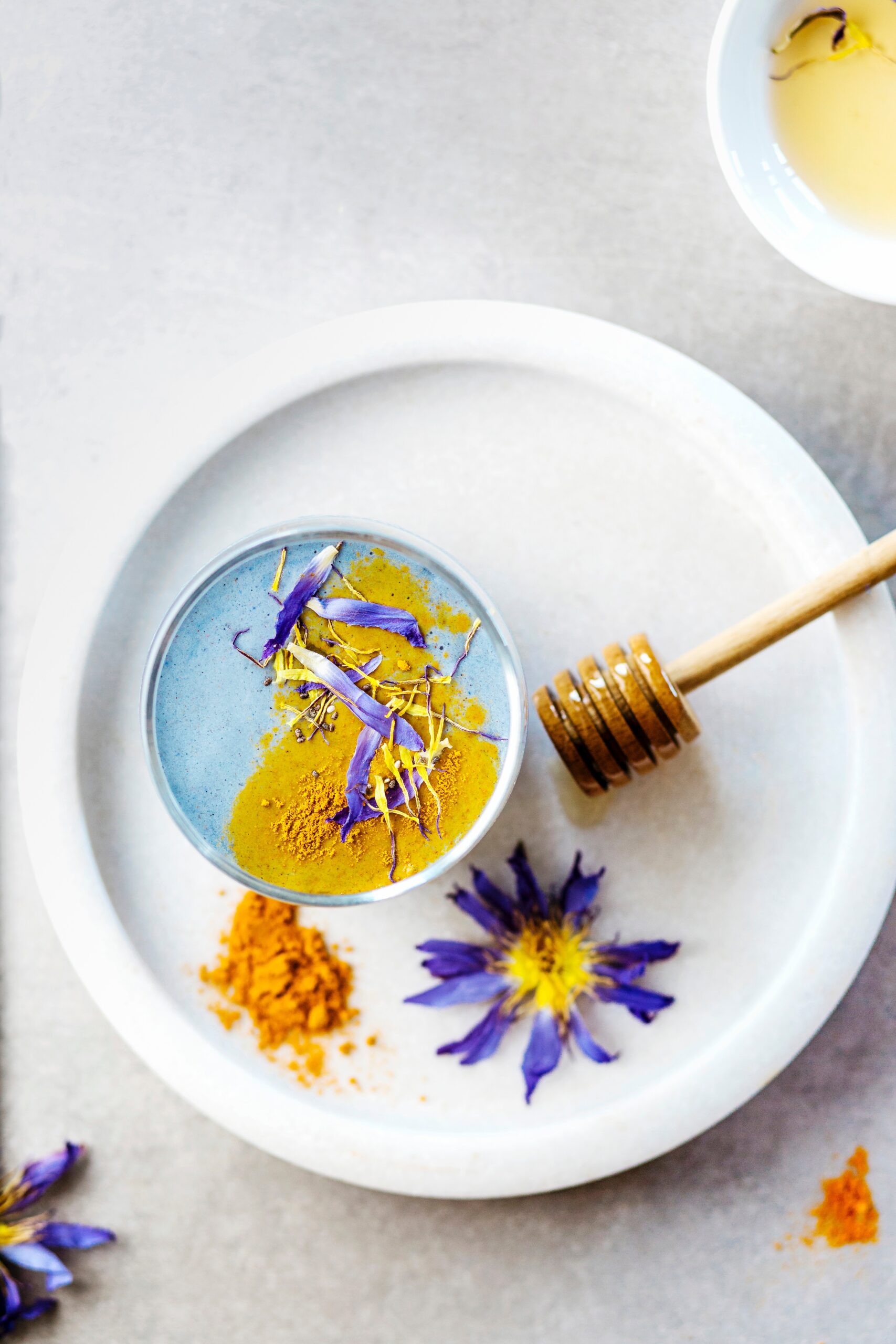
9. Turmeric
Turmeric is a spice with a strong, earthy flavor that's often used in curries and other Indian dishes.
It has received a lot of attention for its content of curcumin, a powerful anti-inflammatory nutrient.
Turmeric reduces inflammation related to arthritis, diabetes, and other diseases.
In fact, consuming 1 gram of curcumin daily combined with piperine from black pepper caused a significant decrease in the inflammatory marker CRP in people with metabolic syndrome.
However, it may be hard to get enough curcumin to experience a noticeable effect from turmeric alone.
In one study, women with excess weight who took 2.8 grams of turmeric per day showed no improvement in inflammatory markers.
Taking supplements containing isolated curcumin is much more effective. Curcumin supplements are often combined with piperine which can boost curcumin absorption by 2,000% !
If you're interested in using turmeric in cooking, you can find it in most grocery stores or online.
10. Extra virgin olive oil
Extra virgin olive oil is one of the healthiest fats you can eat.
It's rich in monounsaturated fats and a staple in the Mediterranean diet, which provides numerous health benefits.
Studies link extra virgin olive oil to a reduced risk of heart disease, brain cancer, and other serious health conditions.
In one study on the Mediterranean diet, CRP and several other inflammatory markers significantly decreased in those who consumed 1.7 ounces (50 ml) of olive oil daily.
The effect of oleocanthal, an antioxidant found in olive oil, has been compared to anti-inflammatory drugs like ibuprofen.
Keep in mind that extra virgin olive oil offers greater anti-inflammatory benefits than those provided by more refined olive oils.
It's easy to find extra virgin olive oil in your local grocery store, but you can also buy it online.
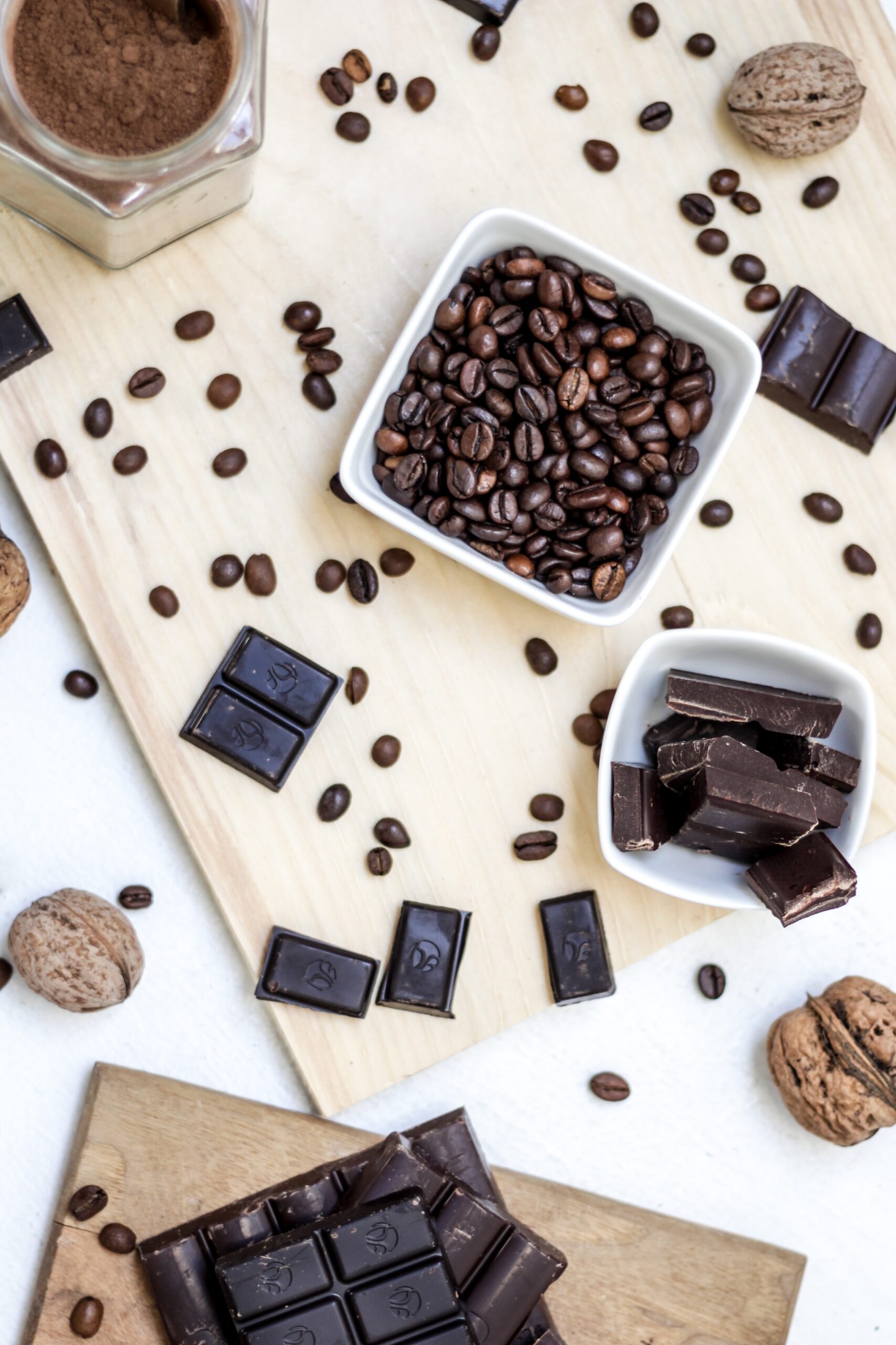
11. Dark chocolate and cocoa
Dark chocolate is delicious, rich, and satisfying.
It's also packed with antioxidants that reduce inflammation. These may reduce your risk of disease and lead to healthier aging. Aim to keep consumption under one ounce a day for best results.
Flavanols are responsible for chocolate's anti-inflammatory effects and keep the endothelial cells that line your arteries healthy.
In one study, smokers experienced significant improvements in endothelial function within 2 hours of eating high-flavonol chocolate.
However, make sure to choose dark chocolate that contains at least 70% cocoa — a greater percentage is even better — to reap the anti-inflammatory benefits.
If you forgot to grab this treat on your last run to the store, you can always buy it online.
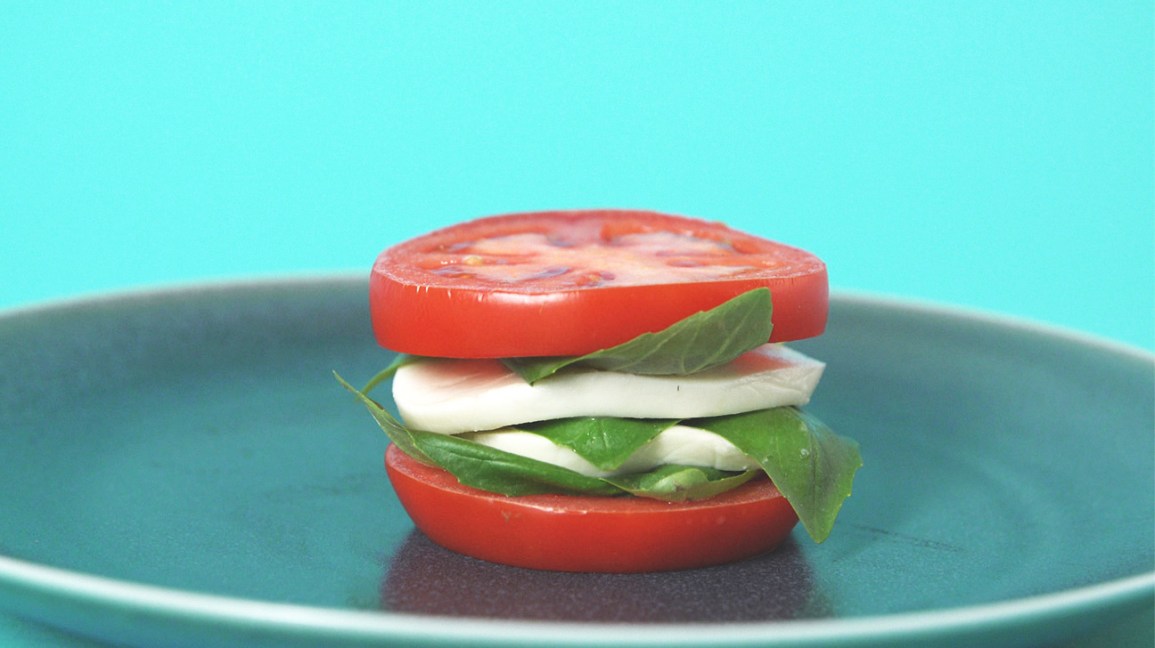
12. Tomatoes
The tomato is a nutritional powerhouse.
Tomatoes are high in vitamin C, potassium, and lycopene, an antioxidant with impressive anti-inflammatory properties.
Lycopene may be particularly beneficial for reducing pro-inflammatory compounds related to several types of cancer.
One study determined that drinking tomato juice significantly decreased inflammatory markers in women with excess weight — but not those with obesity.
Note that cooking tomatoes in olive oil can maximize the amount of lycopene you absorb.
That's because lycopene is a carotenoid, a nutrient that’s better absorbed with a source of fat.
13. Cherries
Cherries are delicious and rich in antioxidants, such as anthocyanins and catechins, which fight inflammation. Although the health-promoting properties of tart cherries have been studied more than other varieties, sweet cherries also provide benefits.
In one study, when people consumed 280 grams of cherries per day for 1 month, their levels of the inflammatory marker CRP decreased and stayed low for 28 days after they stopped eating cherries .
The bottom line
Even low levels of inflammation on a chronic basis can lead to disease.
Do your best to keep inflammation in check by choosing a wide variety of delicious, antioxidant-rich foods.
Peppers, dark chocolate, fish, and extra virgin olive oil are just a few foods that can help you combat inflammation and reduce your risk of illness.
WOULD YOU LIKE A NATURAL MINDED, NON MEDICATION RECOMMENDING DOCTOR? Give us a call Today - 704-543-5540 or schedule online.

Health Benefiting FOODS To put on your plate
Health Benefiting FOODS To put on your plate - listen to Dr. Monica Vaghela as she gives tips on what to eat for the health benefits and the holidays!
Looking for natural minded doctors? Give us a call for a free 15 minute consultation- 704-543-5540

8 Commons Symptoms you are deficient in vitamins
8 Common Signs You are Deficient in Vitamins
Guest Writer - Alina Petre , MS
This article reviews the 8 most common signs of vitamin and mineral deficiencies and how to address them.
- Brittle Hair & Nails-Biotin, also known as vitamin B7, helps the body convert food into energy. A deficiency in biotin is very rare, but when it occurs, brittle, thinning, or splitting hair and nails are some of the most noticeable symptoms.Other symptoms of biotin deficiency include chronic fatigue, muscle pain, cramps, and tingling in the hands and feet (1).Pregnant women, heavy smokers or drinkers, and people with digestive disorders like Crohn’s disease are at the greatest risk of developing biotin deficiency.Also, the prolonged use of antibiotics and some anti-seizure medications is a risk factor (2Trusted Source).
Eating raw egg whites may cause biotin deficiency as well. That’s because raw egg whites contain avidin, a protein that binds to biotin and can reduce its absorption (1, 3Trusted Source, 4Trusted Source).
Foods rich in biotin include egg yolks, organ meats, fish, meat, dairy, nuts, seeds, spinach, broccoli, cauliflower, sweet potatoes, yeast, whole grains, and bananas (5Trusted Source).
Adults with brittle hair or nails might consider trying a supplement that provides about 30 micrograms of biotin per day.
However, only a few small studies and case reports have observed the benefits of supplementing with biotin, so a biotin-rich diet may be the best choice (7Trusted Source, 8Trusted Source, 9Trusted Source).
- Mouth Ulcers or cracks in the corners of the mouth -Lesions in and around the mouth may partly be linked to an insufficient intake of certain vitamins or minerals. For instance, mouth ulcers, also commonly referred to as canker sores, are often the result of deficiencies in iron or B vitamins.
- Bleeding gums -Sometimes a rough tooth brushing technique is at the root of bleeding gums, but a diet lacking in vitamin C can also be to blame.Vitamin C plays an important role in wound healing and immunity, and it even acts as an antioxidant, helping prevent cell damage.Your body does not make vitamin C on its own, so the only way to maintain adequate levels of it is through diet (18Trusted Source, 19Trusted Source, 20Trusted Source).Vitamin C deficiencies are rare in individuals who consume enough fresh fruits and vegetables. That said, many people fail to eat enough fruits and vegetables each day.
This may explain why studies performing routine screenings of healthy populations estimate low vitamin C levels in 13–30% of the population, with 5–17% of people being deficient (21).
Consuming very little vitamin C through the diet for long periods can bring on symptoms of deficiency, including bleeding gums and even tooth loss (21, 22, 23Trusted Source).
Another serious consequence of severe vitamin C deficiency is scurvy, which depresses the immune system, weakens muscles and bones, and makes people feel fatigued and lethargic (24).
Other common signs of vitamin C deficiency include easy bruising, slow wound healing, dry scaly skin, and frequent nosebleeds (22, 24).
Make sure to consume enough vitamin C by eating at least 2 pieces of fruit and 3–4 portions of vegetables each day.
- Poor night vision & white growths of eyes -A nutrient-poor diet can sometimes cause vision problems.For instance, low intakes of vitamin A are often linked to a condition known as night blindness, which reduces people’s ability to see in low light or darkness.That’s because vitamin A is necessary to produce rhodopsin, a pigment found in the retinas of the eyes that helps you see at night.When left untreated, night blindness can progress to xerophthalmia, a condition that can damage the cornea and ultimately lead to blindness (25Trusted Source).
Another early symptom of xerophthalmia is Bitot’s spots, which are slightly elevated, foamy, white growths that occur on the conjunctiva or white part of the eyes.
The growths can be removed to a certain extent but only fully disappear once the vitamin A deficiency is treated (26Trusted Source).
Fortunately, vitamin A deficiency is rare in developed countries. Those who suspect their vitamin A intake is insufficient can try eating more vitamin-A-rich foods, such as organ meats, dairy, eggs, fish, dark leafy greens, and yellow-orange colored vegetables (27).
Unless diagnosed with a deficiency, most people should avoid taking vitamin A supplements. That’s because vitamin A is a fat-soluble vitamin, which, when consumed in excess, can accumulate in the body’s fat stores and become toxic.
Symptoms of vitamin A toxicity can be serious and include nausea, headaches, skin irritation, joint and bone pain, and, in severe cases, even coma or death (28).
- Scaley Patches & Dandruff -Seborrheic dermatitis (SB) and dandruff are part of the same group of skin disorders that affects the oil-producing areas of your body.Both involve itchy, flaking skin. Dandruff is mostly restricted to the scalp, whereas seborrheic dermatitis can also appear on the face, upper chest, armpits, and groin.The likelihood of these skin disorders is highest within the first 3 months of life, during puberty, and in mid-adulthood.Studies show that both conditions are also very common. Up to 42% of infants and 50% of adults may suffer from dandruff or seborrheic dermatitis at one point or another (29Trusted Source, 30Trusted Source).
Dandruff and seborrheic dermatitis may be caused by many factors, with a nutrient-poor diet being one of them. For instance, low blood levels of zinc, niacin (vitamin B3), riboflavin (vitamin B2), and pyridoxine (vitamin B6) may each play a role (13, 29Trusted Source, 31).
While the link between a nutrient-poor diet and these skin conditions is not fully understood, people with dandruff or seborrheic dermatitis might want to consume more of these nutrients.
Foods rich in niacin, riboflavin, and pyridoxine include whole grains, poultry, meat, fish, eggs, dairy, organ meats, legumes, green vegetables, starchy vegetables, nuts, and seeds (15, 16, 17).
Seafood, meat, legumes, dairy, nuts, and whole grains are all good sources of zinc (32).
- Hair Loss -Hair loss is a very common symptom. In fact, up to 50% of adults report hair loss by the time they reach 50 years of age (33Trusted Source).A diet rich in the following nutrients may help prevent or slow hair loss (34Trusted Source).
- Iron. This mineral is involved in DNA synthesis, including that of the DNA present in hair follicles. Too little iron can cause hair to stop growing or fall out (35Trusted Source, 36Trusted Source, 37Trusted Source).
- Zinc. This mineral is essential for protein synthesis and cell division, two processes needed for hair growth. As such, zinc deficiency may cause hair loss (38Trusted Source, 39Trusted Source, 40).
- Linoleic acid (LA) and alpha-linolenic acid (ALA). These essential fatty acids are required for hair growth and maintenance (34Trusted Source).
- Niacin (vitamin B3). This vitamin is necessary for keeping hair healthy. Alopecia, a condition in which hair falls out in small patches, is one possible symptom of niacin deficiency (41Trusted Source, 42Trusted Source).
- Biotin (vitamin B7). Biotin is another B vitamin that, when deficient, may be linked to hair loss (34Trusted Source, 43Trusted Source).
Meat, fish, eggs, legumes, dark leafy greens, nuts, seeds, and whole grains are good sources of iron and zinc.
Niacin-rich foods include meat, fish, dairy, whole grains, legumes, nuts, seeds, and leafy greens. These foods are also rich in biotin, which is also found in egg yolks and organ meat.
Leafy vegetables, nuts, whole grains, and vegetable oils are rich in LA, while walnuts, flaxseeds, chia seeds, and soy nuts are rich in ALA.
Many supplements claim to prevent hair loss. Many of them contain a combination of the nutrients above, in addition to several others.
These supplements appear to boost hair growth and reduce hair loss in people with documented deficiencies in the aforementioned nutrients. However, there is very limited research on the benefits of such supplements in the absence of a deficiency.
It’s also worth noting that taking vitamin and mineral supplements in the absence of a deficiency may worsen hair loss, rather than help it (44Trusted Source).
For instance, excess selenium and vitamin A, two nutrients often added to hair growth supplements, have both been linked to hair loss (34Trusted Source).
Unless your healthcare provider confirms a deficiency, it’s best to opt for diets rich in these nutrients, rather than supplements.
- Red or White Bumps on the Skin-Keratosis pilaris "KP" is a condition that causes goosebump-like bumps to appear on the cheeks, arms, thighs, or buttocks. These little bumps may also be accompanied by corkscrew or ingrown hairs.The condition often appears in childhood and naturally disappears in adulthood.The cause of these little bumps is still not fully understood, but they may appear when too much keratin is produced in hair follicles. This produces red or white elevated bumps on the skin (45Trusted Source).Keratosis pilaris may have a genetic component, meaning that a person is more likely to have it if a family member has it. That said, it has also been observed in people with diets low in vitamins A and C (22, 28).
Thus, in addition to traditional treatments with medicated creams, people with this condition may consider adding foods rich in vitamins A and C to their diet.
These include organ meats, dairy, eggs, fish, dark leafy greens, yellow-orange colored vegetables, and fruit (24, 27).
- Restless Leg Syndrome -Restless leg syndrome (RLS), also known as Willis-Ekbom disease, is a nerve condition that causes unpleasant or uncomfortable sensations in the legs, as well as an irresistible urge to move them (46).According to the National Institute of Neurological Disorders and Stroke, RLS affects up to 10% of Americans, with women twice as likely to experience the condition. For most people, the urge to move seems to intensify when they’re relaxing or trying to sleep.While the exact causes of RLS are not fully understood, there appears to be a link between symptoms of RLS and a person’s blood iron levels.For instance, several studies link low blood iron stores to an increased severity of RLS symptoms. Several studies also note that symptoms often appear during pregnancy, a time during which women’s iron levels tend to drop (47Trusted Source, 48Trusted Source, 49Trusted Source, 50Trusted Source).
Supplementing with iron generally helps decrease RLS symptoms, especially in people with a diagnosed iron deficiency. However, the effects of supplementation may vary from person to person (51Trusted Source, 52Trusted Source, 53Trusted Source, 54Trusted Source).
Since higher iron intakes appear to reduce symptoms, increasing the intake of iron-rich foods, such as meat, poultry, fish, legumes, dark leafy greens, nuts, seeds, and whole grains, may also be beneficial (14).
It may be especially handy to combine these iron-rich foods with vitamin-C-rich fruits and vegetables, as these can help increase iron absorption (55Trusted Source).
Using cast-iron pots and pans and avoiding tea or coffee at meals can also help boost iron absorption.
Nevertheless, it’s worth noting that unnecessary supplementation can do more harm than good and may reduce the absorption of other nutrients (56Trusted Source).
Extremely high iron levels can even be fatal in some cases, so it’s best to consult your healthcare provider before taking supplements (57Trusted Source).
Finally, some evidence suggests that magnesium insufficiency may play a role in restless leg syndrome (58Trusted Source).
CURIOUS AS TO WHAT VITAMIN DEFICIENCIES YOU HAVE?
WE DO MICRONUTRIENT TESTING TO DETERMINE WHAT NUTRITIONAL DEFICIENCIES YOU HAVE AND WHICH SPECIFIC VITAMINS AND MINERALS ARE NEEDED!
CALL TODAY TO SCHEDULE YOUR APT - 704-543-5540


Because He Cares about the little things ... even jeans...
This is a story that I hesitate to share, but what I would call a 'God Wink'.
I hesitate because I do not want to cause havoc or upset anyone.
I know we all may believe different things and the topic of religion can divide some.
But I do challenge you to read through it as it is a fun and uplifting story. :)
A few weeks ago - when there was a cooler bite to the air, I was getting ready for work.
While getting ready - I was quietly wishing to myself that I had some nicer jeans that could mimic work slacks.
(Because we all know that jeans are a little more comfortable than work slacks).
But alas - I did not so I threw on some work slacks and head on to work, wondering when I'd find the time to go shopping.
Once at work - sitting down with the first patient of the day, she looks at me with 'deer in a head light look' and quickly passes me something in a bag.
I tilt my head and ask her, 'oh wow what's this? '
"Dr. Michelle, I really hope you don't think I'm wacko, But God told me to bring you these jeans..."
She goes on... "I had a friend drop off all these clothes and some are not my size so I had them near the door, and as I was leaving, God told me to bring you these jeans... "
My eyes get real BIG - leaning in, I tell her, " Oh my! I was JUST thinking this morning about getting some nice jeans that I could wear to work!!! " She smiles, and says, "Wow, isn't God so Great?!"
Indeed He is!!!
And Turns out - they fit me perfectly!!! Both of them!!
AMAZING!!
So my friend, even the creator of the universe - cares about what pants you wear - :) :)

5 Reasons to Not Drink out of Plastic Water Bottles
Top 5 Reasons To Choose Filters Over Bottled Water
October 2019 sourced from ewg.org
If you’re concerned about contaminants in the tap water you drink every day, you’re not alone. We all deserve to know what we’ll be putting in our bodies when we turn on the tap. This is one of the reasons why EWG created its Tap Water Database in the first place.
But if you want safer water for yourself and your family, bottled water isn’t the solution – not for your pocketbook, not for your health and certainly not for our planet. Your best option for cleaner, healthier drinking water on the go is filtered tap water and a reusable glass or stainless steel container. As we say here at EWG, know your water, pick the best filter and choose a BPA-free container.
Here are five reasons why you should say no to bottled water and choose filtered instead.
1. The cost
According to the Environmental Protection Agency, tap water costs about $.002 per gallon1 – that's two-tenths of a penny – whereas a liter of water from the cooler in your local convenience store costs about a dollar before tax. That means you’re paying about 2,000 times more for bottled water. Nonetheless, Americans drank 12.8 billion gallons of bottled water in 2016, an increase of nearly 9 percent over 2015, according to the Beverage Marketing Corporation.2 There are much better things you could spend your money on than water in bottles – perhaps even a nice tap water filter.
2. The quality
Laboratory testing by EWG has found all sorts of nasty stuff in popular brands of bottled water – disinfection byproducts, industrial chemicals, prescription drugs and even bacteria. And unlike your local tap water utilities, which are required to test for contaminants each year and disclose the results to the public, the bottled water industry can hide the test results. Knowledge is power, and with bottled water you’ll likely know nothing about what you're drinking.
3. The bottle itself
It’s bad enough that the bottled water you’re drinking might be contaminated. But the bottle itself could be adding to the problem. An EWG investigation found that PET plastics – the kind used to make plastic water bottles and marked with a “1” on the bottom – can contain dozens of chemical additives, manufacturing impurities and breakdown byproducts. That’s more than 80 additional contaminants that could be leaching into your water. So get a reusable glass or stainless steel bottle, and fill it with filtered tap water.
4. The trash
EPA statistics show that less than 32 percent of PET plastic bottles and jars were recycled in 2014.3 That means the other 68 percent was left to clog landfills, harm wildlife and pollute waterways. In fact, the marine conservation organization Oceana estimates that up to 20 million tons of plastic end up in our oceans each year,4 with some collecting to form huge, free-floating landfills like the Pacific Garbage Patch, which is estimated to be about the size of Texas.5<
5. The wasted energy
Trash isn’t the only environmental problem caused by water bottles. Analysis by the Pacific Institute, a global water think tank, found that it takes up to 2,000 times more energy to produce bottled water than tap water.6 It takes energy to make the bottles, fill them with water and ship them to your local convenience store – sometimes over great distances.
In extreme circumstances, bottled water might be the best bet. Residents of Flint, Mich., for example, are relying on bottled water until their tap water is safe again. But for almost everyone else, filtered tap water is the clear winner.
References
1 Environmental Protection Agency. “Water Facts of Life: Ride the Water Cycle With These Fun Facts.” 2016. Available at www3.epa.gov/safewater/kids/waterfactsoflife.html
2 Beverage Marketing Corporation. “Press Release: Bottled Water Becomes Number-One Beverage in the U.S.” 2017. Available at www.beveragemarketing.com/news-detail.asp?id=438
3 EPA. “Advancing Sustainable Materials Management: 2014 Fact Sheet.” 2016. Available at www.epa.gov/sites/production/files/2016-11/documents/2014_smmfactsheet_508.pdf
4 Madeleine Simon. “Global Issue of Marine Plastics Is Gathering Significant Media Attention.” Oceana, 2014. Available at usa.oceana.org/blog/global-issue-marine-plastics-gathering-significant-media-attention
5 Oceana. Pacific Garbage Patch. Available at usa.oceana.org/pacific-garbage-patch
6 P.H. Gleick and H.S. Cooley. “Energy Implications of Bottled Water.” Environmental Research Letters, 2009, 4(1). Available at iopscience.iop.org/article/10.1088/1748-9326/4/1/014009
Breast Implants can come with risks... what to know.
Recently I have had a few patients have their implants removed, and the results are astounding!!
One in particular was suffering greatly, a woman in her 30s, unable to walk, in severe pains. Nothing we seemed to do helped, I questioned what toxins were in her system and she could not think of anything.
Until. She thought of her implants.
She had them removed and IMMEDIATELY ALL of her autoimmune symptoms and pain were GONE!!
It's quite remarkable!!
Then recently another patient came in, a woman in her 40s, she was struggling with pains and some autoimmune like symptoms.
She recently had her implants removed, and MOST of ALL her symptoms are GONE!!
No more fatigue, palpitations, neck pain, joint pains,--- ALL GONE!!
SO.... Scream if from the roof tops - for those of you who know of someone with implants that is struggling with health issues.
LOOK INTO IT!!
2 Days ago the FDA released information on breast implants and the dangers of it -= check it out!
What to Know About Breast Implants
Should I get breast implants? Should they be saline or silicone? Which style? How much monitoring is needed after surgery?
Those are common questions people have when considering breast implants.
That’s why the U.S. Food and Drug Administration offers the following information to help people making decisions about breast implants.
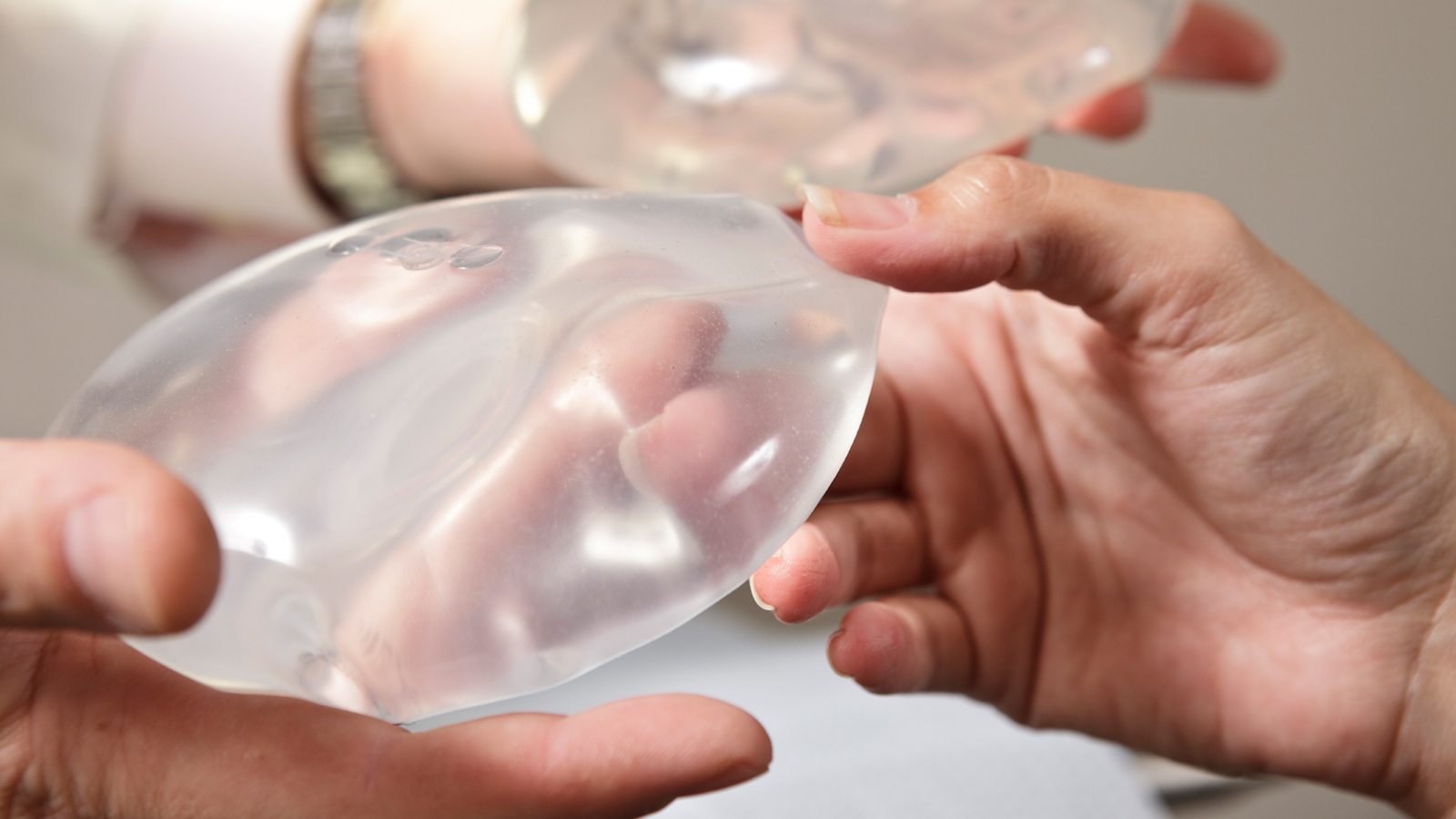
Breast implants are medical devices implanted under the breast tissue or chest muscle to increase breast size (augmentation) or to replace breast tissue that has been removed because of cancer or trauma, or that has failed to develop properly because of a severe breast abnormality (reconstruction).
The FDA has approved implants for increasing breast size in women, for reconstruction after breast cancer surgery or trauma, and to correct developmental defects. Implants are also approved to correct or improve the result of a previous surgery.
The FDA has approved two types of breast implants: saline-filled (salt water solution) and silicone gel-filled. Both have a silicone outer shell and vary in size, shell thickness, shell surface texture, and shape (contour).
Know the Risks of Breast Implants
FDA-approved implants undergo extensive testing before approval to demonstrate reasonable assurance of safety and effectiveness. Still, there are risks associated with all breast implants, including:
- Additional surgeries
- Breast implant associated-anaplastic large cell lymphoma (BIA-ALCL), which is a cancer of the immune system
- Systemic symptoms, commonly referred to as Breast Implant Illness (BII)
- Capsular contracture (scar tissue that squeezes the implant)
- Breast pain
- Rupture (tears or holes in the shell) of saline and silicone gel-filled implants
- Deflation (with visible change to breast size) of saline filled implants
- Silent (without symptoms) rupture of silicone gel-filled implants
- Infection
The silicone used for breast implants is different than injectable silicone. Injectable silicone is not FDA-approved for breast augmentation, breast reconstruction, or for any body contouring.
Breast Implants Are Not Lifetime Devices
The longer you have breast implants, the greater the chances are that you will develop complications, some of which will require more surgery.
The life of breast implants varies by person and can’t be predicted. That means everyone with breast implants can face additional surgeries, but no one can predict when. Patients can also request additional surgeries to modify the aesthetic outcome, such as size or shape.
Understand Product Labeling for Implants
The FDA advises that people look at the Summary of Safety and Effectiveness Data for each implant to learn about the materials used to construct the device, device characteristics and the fillers used. These summaries have been produced for all approved saline and silicone gel-filled breast implants. The Summary of Safety and Effectiveness Data and the product labeling provide information on the indications for use, risks, warnings, precautions, and studies associated with FDA approval of the device.
They also provide information on how often serious complications occurred. The most serious complications are those that lead to further surgeries, such as ruptures or capsular contracture, or BIA-ALCL diagnosis.
The FDA advises surgeons to give people the full product labeling, including all of the patient information from the manufacturer, for implants. Ask your surgeon for the most recent version of the labeling, and read it carefully. If you have questions about any of this information, ask your surgeon.
Communicate With Your Surgeon
Surgeons evaluate the shape, size, surface texture, and placement of the implant and the incision site for each person. Ask your surgeon questions about his or her experience in performing breast implant surgeries, the surgical procedure, and the ways the implant might affect your life.
Tell your surgeon about previous surgeries and your body’s response. For example, discuss whether surgeries resulted in a larger than expected amount of scar tissue. Also, discuss your expectations. These discussions help the surgeon make operative decisions that achieve the desired appearance, including decisions about incision location and size, as well as implant size, material, texture, and placement.
Many people have additional operations to change implant size. To achieve the best results after the first procedure, careful planning and reasonable expectations are necessary.
Know the Long-Term Risks of Breast Implants
The FDA has identified an association between breast implants and the development of breast implant-associated anaplastic large cell lymphoma (BIA-ALCL), a type of non-Hodgkin’s lymphoma. People who have breast implants may have an increased risk of developing this cancer in the fluid or scar tissue surrounding the implant.
Breast implants have either smooth or textured surfaces (shells). BIA-ALCL develops more frequently in people with textured implants than in those with smooth-surfaced implants. Like other lymphomas, BIA-ALCL is a cancer of the immune system and not of breast tissue.
Some women with implants may have experienced health problems such as connective tissue diseases (such as lupus and rheumatoid arthritis), trouble breastfeeding, or reproductive problems. There is currently insufficient evidence to support an association between breast implants and those diagnoses.
Additionally, some women have also reported health problems, such as fatigue, memory loss, rash, “brain fog,” and joint pain. Some patients use the term “breast implant illness” to describe these health problems, and some patients report that their symptoms have improved when the implants were removed. The symptoms and what causes them are poorly understood, and there is currently insufficient evidence to support an association between breast implants and symptoms referred to as BII. But researchers are investigating these symptoms to better understand their origins.
Monitoring Your Breast Implants Is Important
In general, follow your surgeon’s instructions on how to monitor your breast implants.
If you notice any unusual signs or symptoms, report them promptly to your surgeon or health care provider. Health care providers and patients are encouraged to report adverse events or side effects related to the use of these products to the FDA's MedWatch Safety Information and Adverse Event Reporting Program:
- Complete and submit the report onlineExternal Link Disclaimer.
- Download formExternal Link Disclaimer or call 1-800-332-1088 to request a reporting form, then complete and return to the address on the form, or fax to 1-800-FDA-0178.
Also, follow your health care provider’s instructions for how to monitor your breast implants and for routine mammography screening for breast cancer. When you make your appointment, inform the mammography facility that you have breast implants, so enough time is scheduled for your mammogram.
Your surgeon or health care provider may also recommend other tests, such as ultrasound or magnetic resonance imaging (MRI). The FDA recommends that people with silicone implants get regular screenings to detect silent ruptures.
More FDA Resources
The FDA has a web page on breast implants with resources that include:
- Links to patient information and data for each product
- Information about risks and complications
- Questions to ask surgeons and health care providers regarding breast implant surgery
- Contact information for manufacturers of FDA-approved breast implants and related professional organizations
Another good article resource on implants : https://www.carlsonattorneys.com/news-and-update/are-breast-implants-linked-to-breast-cancer
INTERESTED IN A DETOX?? EMail me - drdillon@charlottenaturalwellness.com
CALL TODAY FOR AN APPOINTMENT - 704-543-5540
7 Supplements One Needs on a Vegan Diet
Many claim that a whole-food, plant-based diet easily meets all the daily nutrient requirements.
Some even encourage vegans to avoid all supplements.
Despite being well intended, this type of advice can do more harm than good.
Here are 7 nutrients that you may need to supplement with while on a vegan diet.

1. Vitamin B12
Foods often touted to be rich in vitamin B12 include unwashed organic produce, mushrooms grown in B12-rich soils, nori, spirulina, chlorella, and nutritional yeast.
Some believe vegans who eat enough of the right plant foods don't need to worry about vitamin B12 deficiency.
However, there is no scientific basis for this belief.
Several studies show that while anyone can have low vitamin B12 levels, vegetarians and vegans have a higher risk of deficiency. This seems especially true for vegans who are not taking any supplements (1, 2, 3).
Vitamin B12 is important for many bodily processes, including protein metabolism and the formation of oxygen-transporting red blood cells. It also plays a crucial role in the health of your nervous system (4).
Too little vitamin B12 can lead to anemia and nervous system damage, as well as infertility and bone and heart disease (4, 5, 6).
The daily recommended intake is 2.4 mcg per day for adults, 2.6 mcg per day during pregnancy, and 2.8 mcg per day while breastfeeding.
The only scientifically proven way for vegans to reach these levels is by consuming B12-fortified foods or taking a vitamin B12 supplement. B12-fortified foods commonly include plant milks, soy products, breakfast cereals, and nutritional yeast.
Some plant foods seem to contain a form of vitamin B12 naturally, but there's still debate on whether this form is active in humans (7, 8, 9, 10, 11, 12, 13).
What's more, no scientific evidence supports depending on unwashed organic produce as a reliable source of vitamin B12.
Nutritional yeast only contains vitamin B12 when fortified. However, vitamin B12 is light-sensitive and may degrade if bought from or stored in clear plastic bags (14).
It's important to keep in mind that vitamin B12 is best absorbed in small doses. Thus, the less frequently you ingest vitamin B12, the more you need to take.
This is why vegans who are unable to reach the recommended daily intake using fortified foods should opt for a daily supplement providing 25–100 mcg of cyanocobalamin or a weekly dosage of 2,000 mcg.
Those wary of taking supplements may find it reassuring to get their blood levels of vitamin B12 checked before taking any.
Finally, your ability to absorb vitamin B12 decreases with age. Therefore, the Institute of Medicine recommends that everyone over the age of 51 — vegan or not — consider fortified foods or a vitamin B12 supplement (16).
SUMMARYIt's extremely important that all vegans get enough vitamin B12. The only reliable way to achieve this is by eating fortified foods or taking a vitamin B12 supplement.
2. Vitamin D
Vitamin D is a fat-soluble vitamin that helps enhance the absorption of calcium and phosphorus from your gut (17).
This vitamin also influences many other bodily processes, including immune function, mood, memory, and muscle recovery (18, 19, 20, 21).
The recommended daily allowance (RDA) for vitamin D for children and adults is 600 IU (15 mcg) per day. The elderly, as well as pregnant or lactating women, should aim for 800 IU (20 mcg) per day (22).
That said, some evidence suggests that your daily requirements are far greater than the current RDA (23).
Unfortunately, very few foods naturally contain vitamin D, and foods fortified with vitamin D are often considered insufficient to satisfy the daily requirements.
This could partly explain the worldwide reports of vitamin D deficiency among vegans and omnivores alike (19, 24).
Aside from the small amount you get from your diet, vitamin D can be made from sun exposure. Most people likely make enough vitamin D by spending 15 minutes in the midday sun when the sun is strong — as long as they don't use any sunscreen and expose most of their skin.
However, the elderly, people with darker skin, those who live in northern latitudes or colder climates, and those who spend little time outdoors may be unable to produce enough (25, 26, 27).
Furthermore, because of the known negative effects of excess UV radiation, many dermatologists warn against using sun exposure to boost vitamin D levels (28).
The best way vegans can ensure they're getting enough vitamin D is to have their blood levels tested. Those unable to get enough from fortified foods and sunshine should consider taking a daily vitamin D2 or vegan vitamin D3 supplement.
Although vitamin D2 is probably adequate for most people, some studies suggest that vitamin D3 is more effective at raising blood levels of vitamin D (29, 30).
SUMMARYVitamin D deficiency is a problem among vegans and omnivores alike. Vegans unable to maintain normal blood levels through fortified foods and sun exposure should consider taking a supplement.
3. Long-chain omega-3s
Omega-3 fatty acids can be split into two categories:
- Essential omega-3 fatty acids: Alpha-linolenic acid (ALA) is the only essential omega-3 fatty acid, meaning you can only get it from your diet.
- Long-chain omega-3 fatty acids: This category includes eicosapentaenoic acid (EPA) and docosahexaenoic acid (DHA). They are not considered essential because your body can make them from ALA.
Long-chain omega-3 fatty acids play a structural role in your brain and eyes. Adequate dietary levels also seem important for brain development and reducing the risk of inflammation, depression, breast cancer, and attention deficit hyperactivity disorder (ADHD) (31, 32, 33, 34, 35, 36).
Plants with a high ALA content include flax seeds, chia seeds, walnuts, hemp seeds, and soybeans. EPA and DHA are mostly found in animal products like fatty fish and fish oil.
Getting enough ALA should theoretically maintain adequate EPA and DHA levels. However, studies estimate that the conversion of ALA to EPA may be as low as 5–10%, while its conversion to DHA may be near 2–5% (37, 38).
Additionally, research consistently shows that vegetarians and vegans have up to 50% lower blood and tissue concentrations of EPA and DHA than omnivores (39).
Most health professionals agree that 200–300 mg per day should be sufficient (39).
Vegans can reach this recommended intake by supplementing with algae oil.
What’s more, minimizing your intake of omega-6 fatty acids from oils, including corn, safflower, sunflower, and sesame oils, as well as making sure to eat enough ALA-rich foods, may further help maximize EPA and DHA levels (40).
SUMMARYVegans tend to have lower blood and tissue levels of long-chain omega-3 fatty acids. Therefore, they may benefit from supplementing with EPA and DHA.
4. Iodine
Getting enough iodine is crucial for healthy thyroid function, which controls your metabolism.
An iodine deficiency during pregnancy and early infancy can result in irreversible intellectual disability (41).
In adults, insufficient iodine intake can lead to hypothyroidism.
This can cause various symptoms, such as low energy levels, dry skin, tingling in your hands and feet, forgetfulness, depression, and weight gain (41).
Vegans are considered at risk of iodine deficiency, and studies report that vegans have up to 50% lower blood iodine levels than vegetarians (42, 43).
The RDA for adults is 150 mcg of iodine per day. Pregnant women should aim for 220 mcg per day, while those who are breastfeeding are recommended to further increase their daily intake to 290 mcg per day (44).
Iodine levels in plant foods depend on the iodine content of the soil in which they were grown. For instance, food grown close to the ocean tends to be higher in iodine.
The only foods considered to have consistently high iodine levels are iodized salt, seafood, seaweed, and dairy products, which pick up iodine from solutions used to clean cows and farm equipment.
Half a teaspoon (2.5 ml) of iodized salt is sufficient to meet your daily needs.
Vegans who do not want to consume iodized salt or eat seaweed several times per week should consider taking an iodine supplement.
SUMMARYIodine plays an important role in your thyroid function and metabolism. Vegans not getting enough iodine from seaweed or iodized salt should consider taking an iodine supplement.
5. Iron
Iron is a nutrient used to make new DNA and red blood cells, as well as carry oxygen in the blood. It's also needed for energy metabolism (45).
Too little iron can lead to anemia and symptoms like fatigue and decreased immune function.
The RDA is 8 mg for adult men and post-menopausal women. It increases to 18 mg per day for adult women, and pregnant women should aim for 27 mg per day (46).
Iron can be found in two forms: heme and non-heme. Heme iron is only available from animal products, whereas non-heme iron is found in plants (45).
Because heme iron is more easily absorbed from your diet than non-heme iron, vegans are often recommended to aim for 1.8 times the normal RDA. That said, more studies are needed to establish whether such high intakes are needed (47).
Vegans with a low iron intake should aim to eat more iron-rich foods, such as cruciferous vegetables, beans, peas, dried fruit, nuts, and seeds. Iron-fortified foods, such as cereals, enriched breads, and some plant milks, can further help (24, 48).
Also, using cast-iron pots and pans to cook, avoiding tea or coffee with meals, and combining iron-rich foods with a source of vitamin C can help boost iron absorption.
The best way to determine whether supplements are necessary is to get your hemoglobin and ferritin levels checked by your health practitioner.
Unnecessary intake of supplements like iron can do more harm than good by damaging cells or blocking the absorption of other minerals (49).
Extremely high levels can even cause convulsions, lead to organ failure or coma, and be fatal in some cases. Thus, it's best not to supplement unless it’s truly necessary (50).
SUMMARYVegans not getting enough iron from their diets should consider fortified foods or a supplement. However, overly high levels can be harmful, and iron supplements are not recommended for everyone.
6. Calcium
Calcium is a mineral that’s necessary for good bone and teeth health. It also plays a role in muscle function, nerve signaling, and heart health.
The RDA for calcium is set at 1,000 mg per day for most adults and increases to 1,200 mg per day for adults over the age of 50 (51).
Plant sources of calcium include bok choy, kale, mustard greens, turnip greens, watercress, broccoli, chickpeas, calcium-set tofu, and fortified plant milks or juices.
However, studies tend to agree that most vegans don't get enough calcium (52, 53).
An often-heard remark among the vegan community is that vegans have lower calcium needs than omnivores because they do not use this mineral to neutralize the acidity produced by a meat-rich diet.
More research is needed to evaluate how meatless diets affect daily calcium requirements. However, evidence suggests that vegans consuming less than 525 mg of calcium tend to have an increased risk of bone fractures (53).
For this reason, all vegans are encouraged to aim for the RDA, making sure they consume at least 525 mg of calcium per day. Supplements should be used if this can’t be achieved through diet or fortified foods alone.
SUMMARYVegans consuming too little dietary calcium should consider taking a daily supplement. This is especially important for those getting less than 525 mg per day.
7. Zinc
Zinc is a mineral that’s crucial for metabolism, immune function, and the repair of body cells.
An insufficient intake of zinc can lead to developmental problems, hair loss, diarrhea, and delayed wound healing.
The RDA for zinc is currently set at 8–11 mg per day for adults. It increases to 11–12 mg for pregnant women and 12–13 mg for lactating women (54).
Few plant foods contain high amounts of zinc. Moreover, zinc absorption from some plant foods is limited due to their phytate content. Thus, vegetarians are encouraged to aim for 1.5 times the RDA (54).
While not all vegans have low blood levels of zinc, a recent review of 26 studies showed that vegetarians — and especially vegans — have lower zinc intakes and slightly lower blood levels of zinc than omnivores (55).
To maximize your intake, eat a variety of zinc-rich foods throughout the day. These include whole grains, wheat germ, tofu, sprouted breads, legumes, nuts, and seeds.
Soaking nuts, seeds, and legumes overnight, eating enough protein, and consuming fermented foods, such as tempeh and miso, also seems to boost absorption (56).
Vegans concerned about their zinc intake or those with symptoms of a deficiency may consider taking a daily zinc gluconate or zinc citrate supplement that provides 50–100% of the RDA.
SUMMARYVegans unable to reach the zinc RDA should first focus on adding zinc-rich foods to their diets. Those with low blood levels of zinc should consider taking a daily supplement.
The bottom line
Well-planned vegan diets can fulfill your nutritional needs.
That said, certain nutrient requirements may be difficult to achieve through diet and fortified foods alone.
This is especially true for vitamin B12, vitamin D, and long-chain omega-3s.
All vegans who are unable to meet their dietary recommendations through diet alone should consider taking supplements. Still, it's best to speak with your healthcare provider before beginning a new supplement regime.


Naturally Eliminate Acne, Eczema, Roseacea, and Fine Lines with this ....
Probiotics are the key to many ailments.
They are the beneficial bacteria in the intestines that help you absorb the regular nutrients in foods. With time, stress, and life - they become depleted and therefore your health can take a toll.
The following conditions can be helped with specific probiotic strains.
Acne. Small studies from Italy, Russia and Korea have found that probiotics from food or supplements used in conjunction with standard acne treatments may increase the rate of acne clearance, and also helps patients better tolerate acne treatment with antibiotics, Bowe told Live Science. Some probiotic strains found to be effective in studies of acne include Lactobacillus, L. acidophilus, and B. bifudum.
Preliminary studies of topical probiotics for acne have shown they may help reduce the number of active skin lesions, Bowe said. Probiotics applied to the skin might help acne by forming a protective shield that prevents harmful pimple-causing bacteria from reaching the skin, aggravating the immune system and triggering inflammation, she said.
Eczema. Finnish researchers looked at pregnant women who took probiotic supplements (containing Lactobacillus rhamnosus GG) for two to four weeks before giving birth, and also after delivery if they were breast-feeding, or added the bacteria to infant formula for at least six months. They found the probiotics reduced the odds of eczema in babies who had strong family histories of the itchy skin condition until at least age 2, and possibly longer.
Another recent study showed that infants who developed eczema before they turned 1 had a less diverse collection of gut bacteria when they were 7 days old than infants without eczema, suggesting a link between gut bacteria early in life and the development of the skin condition.
Rosacea. This inflammatory skin condition causes facial redness on the cheeks, nose, chin or forehead, as well as small red bumps or pimples. Probiotics may help control rosacea flare-ups and symptoms, studies suggest.
"Probiotic extracts in conjunction with medication can reduce the redness seen in rosacea, and also improve and strengthen the skin barrier to reduce its stinging, burning and dryness," Bowe said.
Anti-aging. The use of probiotics to protect skin from the effects of aging is an exciting new area that shows early promise, but needs more research, Bowe said. She said there's some evidence that probiotics may help to build collagen, the main protein in skin that affects its texture and tone.
Increased numbers of good bacteria may also help to hydrate aging skin, reduce sun damage and improve the appearance of fine lines and wrinkles, Bowe suggests.
Sourced from : https://www.livescience.com/46502-probiotics-hold-promise-skin-conditions.html
HAVING MORE HEALTH ISSUES? Would you like a more natural approach?
Give us a call - 704-543-5540

Take this to lower fever incidence by 53%!!
Most of us know that washing hands, getting plenty of rest, getting your vitamin D and eating a diet rich in antioxidants and various botanicals (such as Echinacea, Astragalus, Elderberry and mushroom blends) can help boost the immune system. But what other immune-boosting tactics might be missing from your medicine cabinet? To keep the immune system running strong, there might not be just one magic bullet. However, more and more research points to the power of probiotics in supporting immune health.
A double-blind, placebo-controlled study found that probiotics provided the test group with a 53% lower incidence of fever (for the single strain) and 73% reduction for the group taking the combination probiotic. Probiotics also increased comfort for those suffering from cold and flu symptoms, including coughing and congestion. The group taking the supplement also missed fewer days from daycare, 32% fewer days to be exact. Antibiotic use was also less; 68% less in the single strain group and 84% less in the combination strain group.
Probiotics Targeting Immune Health: Two newly identified strains called Lactobacillus delbrueckii LE and Lactobacillus rhamnosus LB3, in combination, have been shown to support otolaryngeal health. Clinical testing was performed in the Hospital of Institute of Otolaryngology Academy of Medical Sciences, Kiev, 2002-2006, for State Program “New Probiotics for Otolaryngology”. Strains of L. delbrueckii LE and L. rhamnosus LB3, as well as combination blends, were found to demonstrate high levels of antagonistic activity towards the microbes most frequently found in chronic and recurring ENT infections.
Increased Immune Activity: In addition to showing a high degree of adhesion to the mucous coat of the upper air passages, application of the formulation resulted in a statistically reliable increase of the number of tonsillar cells producing IgA, as well as increased activity of the natural cytotoxic tonsillar cells, and increased number of tonsillar cells with surface antigens CD25 and CD56.
Probiotic formulations based on these strains also induced a proficient immune response by TH1-type cytokines, inhibited fatty cellular infiltration of tonsils tissue, and stimulated progression of B-cell lymphocytes and high glycogen macrophages. It was observed that this probiotic formulation stimulated IFN up to 4.5-fold, induced production of the IL-4, increased IgG and IgA up to 2.5-fold, and intensified glycogen synthesis in phagocytes. L. rhamnosus LB3 demonstrated more effective activation of humoral immune response; whereas, L. delbruekit LE showed mostly cell-mediated immune response.
In one study, tonsillar cells from patients with adenoid disease were cultivated with L. rhamnosus LB3. After four hours, L. rhamnosus LB3 had increased the number of cells with membrane antigen CD25 (activated cells), increased the number of IgA producers by 30%, and intensified the functional activity of the natural cytotoxic cells 3.4 times as much.
The specific combination of these strains also demonstrated antagonistic action in relation to a number of ENT pathogens, and help support a healthy immune response in their presence.

O.Volska, D.Zabolotna. Study of the mechanisms of antagonistic activity of the Probiotics. Journal of ear, nose and throat diseases, No3-c, 2003,p.164-165.
This cold and flu season, it’s important to eat a diet rich in micronutrients, manage stress levels, get plenty of sleep, drink enough water and supplement when necessary with extra antioxidants and botanicals, but probiotics just might give that added immune boost your patients need.