

Negative Moods Increase Inflammation!! Stay positive!! Reasons to think good thoughts!!

Researchers from Penn State have found that low mood might be a sign of poor health. Inflammation is part of the body's natural immune response, but chronic inflammation elicits the onset of disease. In the Penn State study, inflammatory markers were established from serum levels and correlated with emotional questionnaires. They found that a negative mood over a whole week was associated with higher levels of inflammation.
Conversely, momentary positive moods from the same week were associated with lower levels of inflammation. The study was led by Jennifer Graham-Engeland, associate professor of Bio-Behavioral Health at Penn State, and later published in the Journal “Brain, Behavior, and Immunity”. The researchers used questionnaires to assess the participant's mood in-the-moment, as well as observing their feelings over time. The cohort was drawn from a cross-section of participants from a housing development in the Bronx, New York, as part of the larger Effects of Stress on Cognitive Aging, Physiology, and Emotion (ESCAPE) study.
Graham-Engeland correlated higher levels of inflammatory biomarkers with hostility and ongoing blue mood patterns. Chronic inflammation has long been connected with the onset of a variety of chronic illnesses, however, the science behind the relationship between emotions and the onset of illness has not been widely studied. More specifically, this research observed the relationship of both ongoing low moods and momentary mood fluctuations. Graham-Engeland stated, “There were stronger trends of association between momentary negative affect and inflammation when the negative mood was assessed closer in time to blood collection.”
Graham-Engeland said, "... we are excited about these findings and hope that they will spur additional research to understand the connection between effect and inflammation, which in turn may promote novel psychosocial interventions that promote health broadly and help break a cycle that can lead to chronic inflammation, disability, and disease.”


6 Foods to help BOOST immunity
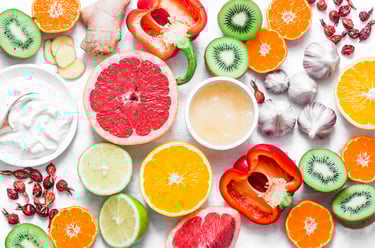
The immune system provides a robust anatomical barrier that serves as a host defense mechanism. One of these anatomical barriers is the gastrointestinal tract, inside which there are many defense mechanisms such as peristalsis, gastric acid, bile acids, digestive enzymes, flushing, thiocyanate, defensins and gut flora. The gut flora (microbiota) is a key focus for many immunologists, however, all of these essential defense mechanisms rely heavily on the entire gastrointestinal tract functioning efficiently.
Planning meals that benefit the immune system is a great way of fighting off infection. Pre- and probiotic-rich foods enhance microbial diversity in the gut, while vitamin C-rich foods mop up free radicals. Additionally, avoiding foods that promote infection like heavily processed foods, sugar and soda is also a key to enrich the microbiome and boost immunity.
In this article, we’ll delve deep into 6 types of foods that boost the immune system (and an additional 30 foods that are high in immune-boosting compounds).
1. Yellow Bell Peppers
Contrary to popular belief, oranges are not particularly high in vitamin C when compared to other fruits. The Kakadu plum contains 100 times more vitamin C with 530% DV, however, unless you live in Australia, Kakadu plums might be a bit hard to source.
One orange provides 78% DV of vitamin C, which is ok. The reason that yellow bell peppers are top of our list is they are easy to get in most parts of the world and contain 152%DV of vitamin C. Yellow bell peppers contain more vitamin C as they mature (up to a point). Green bell peppers have half the amount of vitamin C, about the same amount as an orange.
Vitamin C boosts the immune system by influencing the development and functioning of lymphocytes. About half a cup of yellow bell peppers will provide 152% DV o vitamin C.
Other vitamin C rich foods include: Acerola Cherries (913% DV), Rose Hips (132% DV), Green Chilli Peppers (121% DV), Guava (140% DV), and Blackcurrants (112% DV)
2. Guava
If you live in Mexico or South America, you can easily find fresh guava. For everyone else, guava juice is another option. What’s more, guava season is winter - November through April, which is perfect timing for an immune system boost. Guava contains 140% DV of vitamin C and is also rich in lycopene. Lycopene is a powerful antioxidant and plays an important role in the enzyme activities in the immune system.
One randomized controlled study found that eating 400g of guava per day lowered blood pressure as well as serum total cholesterol, triglycerides and LDLc. Interestingly, guava without the peel was found to be more effective.
Other foods that are rich in lycopene include: Tomatoes (sun-dried, pureed, fresh and canned), watermelon and red/ pink grapefruit.
3. Broccoli
Broccoli is high in phytonutrients like vitamin A, C and E. Ensuring high-quality intake of essential nutrients boosts the immune system. Broccoli is also rich in sulforaphane. Sulforaphane is activated when the vegetable is chewed, cut or damaged. It’s important to note that raw broccoli or broccoli sprouts contain the highest levels of sulforaphane. Minimizing boiling or cooking and eating sulforaphane-rich foods as raw as possible will provide maximum health benefits.
Sulforaphane has been found to support healthy inflammation pathways and blood pressure in animal models. Sulforaphane has a wide range of health benefits that include cognitive protection and blood stabilization. In one study, fasting blood sugar was significantly reduced (by 6.5%) in participants that consumed sulforaphane.
Other foods that contain sulforaphane include: Kale, cabbage, Brussels sprouts, bok choy, watercress and cauliflower
4. Turmeric
Turmeric is a great immune-boosting food due to its support of healthy inflammatory pathways. Inflammation is implicated in the pathophysiology of many health-compromising situations, so consuming pro-healthy-inflammation foods is an ideal way to boost the immune system.
Turmeric has a host of other beneficial health-promoting mechanisms, including its anti-oxidative, anti-cytotoxic, neurorestorative properties, as well as having metal-chelating properties, making it an important staple in an immune-boosting pantry. Curcumin is the active component in turmeric that offers all of the health benefits of this ancient golden root.
Turmeric is the only food that contains curcumin.
5. Green Tea
Green tea contains L-theanine, which promotes relaxation and the formation of healthy T-cells. Black tea also contains L-theanine (sometimes in higher doses). However, black tea is often fermented, reducing the L-theanine properties.
Green tea is packed with flavonoids and epigallocatechin gallate (EGCG). Flavonoids are one of big the reasons that plants are good for you as flavonoids boost the immune system.
Other flavonoid rich foods include: Cranberries, apples, blueberries, broccoli, and strawberries
6. Almonds
Almonds are rich in fat-soluble vitamin E. Vitamin E boosts the immune system as it’s a free radical scavenging antioxidant. Almonds are easy to find and store in any season, making them a great winter pantry staple.
Consume almonds with their skin on as a lot of their health-promoting properties are contained in the skin. In one study from the Institute of Food Research in Norwich and the Policlinico Universitario in Messina, Italy, researchers found that almonds improved the white blood cells’ ability to detect viruses.
Other vitamin E rich foods include: Wheat germ oil, sunflower seeds, hazelnuts and peanuts.
Eating a varied diet that is bursting with plant-based nutrition is the key to boosting the immune system. Other foods that add to the immune-boosting arsenal include prebiotic foods like garlic, leeks and onions, and also probiotic foods like miso, pickles, sauerkraut and tempeh.
As cold and flu season approaches, be sure to stock your fridge with those foods that will fight for your health.

How to Improve Sleep, Energy, and Overall Wellness w Detoxification
By. Dr. Michelle Dillon
Recorded Webinar -28 minutes -
Learn the different exposures of toxins in your environment to help prevent disease and unwanted symptoms.
There are toxins in the air, food, water, and everyday - the goal is to reduce exposure to prevent disease like autoimmunity and disease. AND what to do about it, ways to reduce exposure and WHAT to give your liver to help effectively get rid of the toxins.
You can not avoid something that you do not know is there .
4 Ways to lower toxic exposure in your home:
1. Use single unit air filters
2. Take your shoes off before entering your home - shoes bring many toxins into the home including herbicides, pesticides, bacteria to name a few.
3. Improve air quality by increasing the amount of house plants in your home.
4. Avoid using artificially scented air fresheners - those things are toxic!!
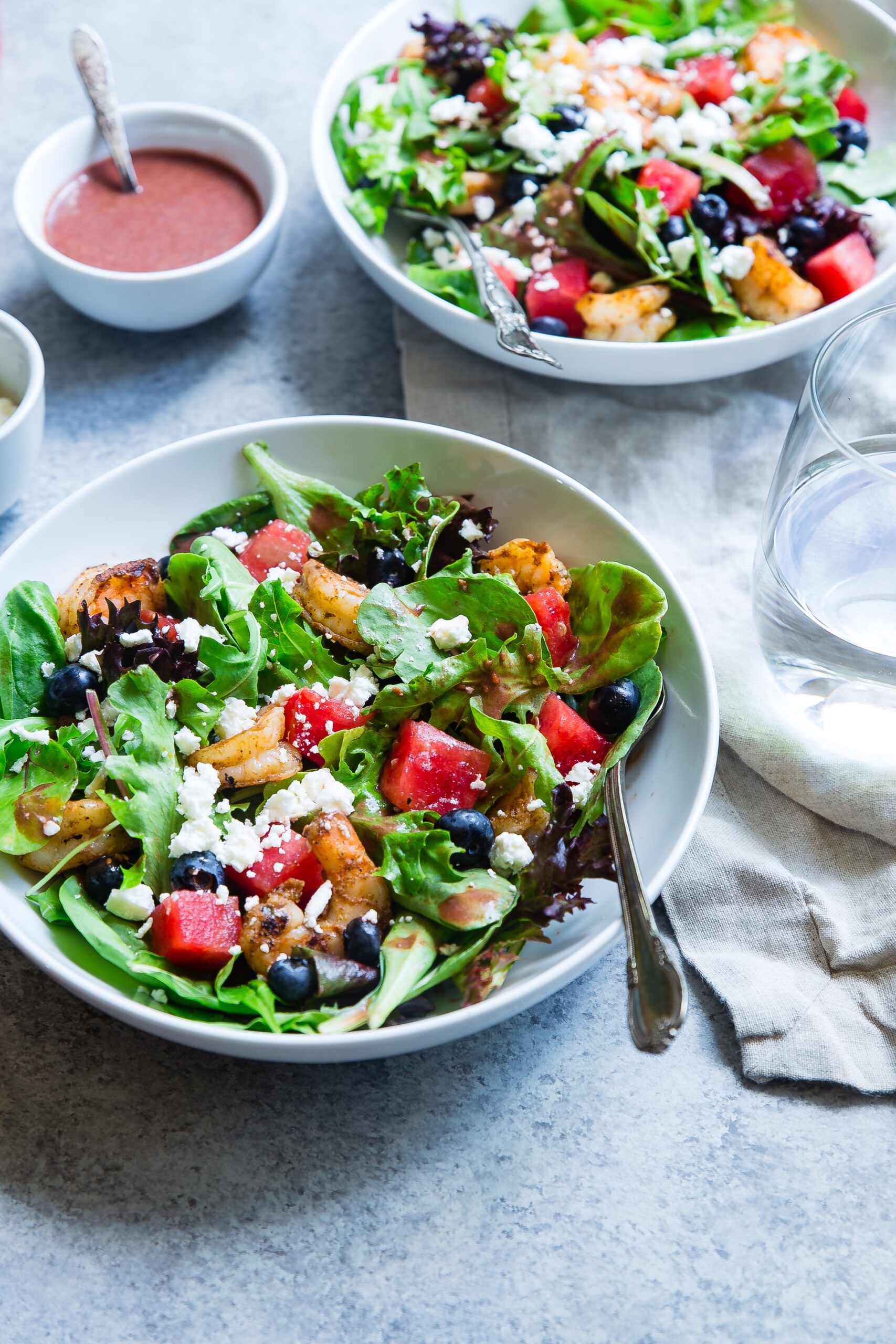
Eating Clean on a Budget Tips- Webinar Recording
By: Dr. Monica Vaghela
Eating healthy can be so daunting and seem expensive. Getting prepared meals or frozen meals are more inviting due to convenience and easy on your wallet. Eating well doesn’t have to be difficult! There are a few ways to eat well and stay within budget! In this webinar you will learn what part of the grocery store to stick to, learning to eat foods that are in season, and other ways to stick to healthier meals while saving money!

Autoimmunity: Natural Ways to Get to the ROOT cause
Autoimmune Diseases: How to Get to the Bottom of the Problem
Begin with the Gut
You’ve heard it a million times, so why not one more time? “All disease begins in the gut,” a wise man named Hippocrates once said. In integrative and functional medicine, we also look to the gut first, especially when there is immune dysfunction. Stool testing is therefore a first step in trying to assess patients with autoimmune conditions such as Hashimoto’s thyroiditis, rheumatoid arthritis, Crohn’s disease, ulcerative colitis, multiple sclerosis, Parkinson’s disease, or lupus. If a patient with one or more of these conditions has a gut pathogen, microbial imbalance, poor digestion, gluten reactivity, or inflammation, then treatment is advisable. It can turn their health around and give them hope for the first time in years, or even decades.
The GI-MAP helps you zoom in on specific microbes that might be “confusing” the immune system. The stool test specifically measures potential autoimmune triggers, including Klebsiella pneumoniae, Mycobacterium avium subsp. paratuberculosis (MAP), cytomegalovirus (CMV), and Epstein-Barr Virus (EBV), among others (see Table 1 for a complete list). While the evidence supporting the role of these bugs in autoimmunity is not conclusive, it is suggestive. And since integrative and functional medicine practitioners would rather not wait 20 years until it is finally incorporated into routine medical practice, it is worth knowing about right now and it might be worth addressing in your patients suffering with autoimmunity.
Generally, the detection of these microbes in the stool is not by itself reason for alarm. Conventional medical sources would say they are normal in stool and don’t require treatment. They are thought to be harmless to the immunocompetent host and “contained” in the gut. However, we have a different viewpoint in integrative and functional medicine. In susceptible individuals who have moderate to high levels of these microbes, and certainly in a patient with an ongoing autoimmune process, these microbes might be a contributing factor. If the patient also has leaky gut, this adds to the potential for these microbes to cause extraintestinal infections or to kickstart an aberrant systemic immune response. Treatments to directly shift dysbiosis of autoimmune bugs include antimicrobial herbal formulas, high dose probiotics, and a diet that is conducive to a healthy microbiome (low-sugar, plant-based, and high-fiber diet, if tolerated by the patient). See more treatment recommendations in the GI-MAP interpretive guide.
Microbes as a Trigger of Autoimmunity
It has long been known that microbes from the gut or genito-urinary tract can initiate autoimmune disease. One example is reactive arthritis which can be brought on by genito-urinary infections with Proteus miribalis or Chlamydia6,7 or gastrointestinal infections with Salmonella, Shigella, Campylobacter, Yersinia,8,9 and Clostridium difficile. Parasites such as Strongyloides stercoralis, Giardia lamblia, Ascaris lumbricoides, and Cryptosporidium species can also lead to reactive arthritis.10,11 Reactive arthritis patients may display noninfectious urethritis, arthritis, and conjunctivitis a few weeks after a gastrointestinal infection. But symptoms affecting other systems are also common: musculoskeletal, skin and nails, eyes, genitourinary, gastrointestinal, and more.12
MAP (Mycobacterium avium subsp. paratuberculosis) has been implicated as a possible cause of Crohn’s disease and causes a similar condition in cattle (Johne’s disease). MAP has been detected both in blood and intestinal tissue of Crohn’s disease patients13 and it has been cultured from peripheral mononuclear cells in 50–100% of Crohn’s patients.14
A large body of evidence points to Klebsiella pneumoniae as the main microbial agent triggering or perpetuating ankylosing spondylitis, a chronic inflammatory arthritis affecting the sacroiliac joints and axial skeleton.15 Klebsiella pneumoniae antibodies are significantly elevated in patients with ankylosing spondylitis and Klebsiella bacteria have been isolated from the bowel of patients with active disease.16 25% of patients with Crohn’s disease were positive for Klebsiella in the large bowel and relapses of Crohn’s disease were associated with Klebsiella colitis.16
CMV has been implicated in the development of autoimmune diseases: systemic lupus erythematosus, systemic sclerosis, diabetes mellitus type 1, and rheumatoid arthritis. In some autoimmune conditions, such as lupus and systemic sclerosis, patients have far higher antibodies against CMV than healthy controls.17
EBV has a central role in the pathogenesis of systemic autoimmune diseases, specifically rheumatoid arthritis, systemic lupus erythematosus, and Sjogren’s syndrome.18 EBV has been suggested to increase the risk of developing multiple sclerosis17 and it might be a contributory factor in autoimmune thyroid disorders.19
Don’t Leave Home Without It
When you are confronting a challenging autoimmune condition, you want to be armed with a stool test that is not only sensitive and specific, but one that targets clinically relevant microbes. The GI-MAP helps you zoom in on microbes that may trigger or perpetuate autoimmune diseases. Since the gut is a strategic first place to look for immune dysregulation, a stool test that measures microbes that can trigger autoimmunity, together with gut permeability markers, is an essential in your clinical tool bag.
Table 1. Bacteria and Viruses as Potential Autoimmune Triggers.
| Microorganisms | Autoimmune Association |
| Citrobacter spp. and Citrobacter freundii | Rheumatoid arthritis |
| Klebsiella spp. and Klebsiella pneumoniae | Crohn’s disease, ulcerative colitis, ankylosing spondylitis, and other spondyloarthropathies (which include ankylosing spondylitis, arthritis associated with Crohn’s or ulcerative colitis, psoriatic arthritis, and reactive arthritis) |
| Mycobacterium avium subsp. paratuberculosis (MAP) | Rheumatoid arthritis, Crohn’s disease |
| Prevotella copri | Rheumatoid arthritis |
| Proteus spp. | Rheumatoid arthritis |
| Proteus mirabilis | Rheumatoid arthritis and spondyloarthropathies (listed above) |
| Yersinia enterocolitica | Grave’s disease, Hashimoto’s thyroiditis, reactive arthritis |
| Cytomegalovirus (CMV) | Systemic lupus erythematosus, systemic sclerosis, type 1 diabetes, rheumatoid arthritis |
| Epstein-Barr Virus (EBV) | Rheumatoid arthritis, lupus, Sjogren’s, multiple sclerosis, autoimmune thyroid disorders |
*A recent publication1 has called into question the specificity of a commercially available assay for zonulin (or pre-haptoglobulin2). Instead, the Immunodiagnostik ELISA assay could be detecting related proteins from the “zonulin family.” Research findings showing increased zonulin by way of this assay should therefore be interpreted accordingly. Further studies are needed.
CALL TODAY TO GET THE ROOT CAUSE OF YOUR HEALTH ISSUES 704-543-5540 -
STOOL TESTING COST IS $359
References
- Scheffler L, Crane A, Heyne H, et al. Widely Used Commercial ELISA Does Not Detect Precursor of Haptoglobin2, but Recognizes Properdin as a Potential Second Member of the Zonulin Family. Frontiers in endocrinology. 2018;9:22.
- Fasano A. Zonulin, regulation of tight junctions, and autoimmune diseases. Ann N Y Acad Sci. 2012;1258:25-33.
- Fasano A, Shea-Donohue T. Mechanisms of disease: the role of intestinal barrier function in the pathogenesis of gastrointestinal autoimmune diseases. Nature clinical practice. 2005;2(9):416-422.
- Fasano A. Systemic autoimmune disorders in celiac disease. Current opinion in gastroenterology. 2006;22(6):674-679.
- Fasano A. Leaky gut and autoimmune diseases. Clinical reviews in allergy & immunology. 2012;42(1):71-78.
- Ebringer A, Rashid T. Rheumatoid arthritis is an autoimmune disease triggered by Proteus urinary tract infection. Clinical & developmental immunology. 2006;13(1):41-48.
- Ebringer A, Rashid T, Wilson C. Rheumatoid arthritis: proposal for the use of anti-microbial therapy in early cases. Scandinavian journal of rheumatology. 2003;32(1):2-11.
- Palazzi C, Olivieri I, D’Amico E, Pennese E, Petricca A. Management of reactive arthritis. Expert opinion on pharmacotherapy. 2004;5(1):61-70.
- Leirisalo-Repo M, Hannu T, Mattila L. Microbial factors in spondyloarthropathies: insights from population studies. Current opinion in rheumatology. 2003;15(4):408-412.
- Minerva P, Diamond HS. Enteropathic arthropathies. Drugs & Diseases 2014; http://emedicine.medscape.com/article/334746-overview#a0101. Accessed May 14, 2015.
- Ebringer A, Wilson C. HLA molecules, bacteria and autoimmunity. Journal of medical microbiology. 2000;49(4):305-311.
- Lozada CJ, Diamond HS. Reactive arthritis. Drugs & Diseases 2018; http://emedicine.medscape.com/article/331347-overview#aw2aab6b2b2. Accessed Oct 31, 2018.
- Qasem A, Naser SA. TNFalpha inhibitors exacerbate Mycobacterium paratuberculosis infection in tissue culture: a rationale for poor response of patients with Crohn’s disease to current approved therapy. BMJ Open Gastroenterol. 2018;5(1):e000216.
- McNees AL, Markesich D, Zayyani NR, Graham DY. Mycobacterium paratuberculosis as a cause of Crohn’s disease. Expert review of gastroenterology & hepatology. 2015;9(12):1523-1534.
- Puccetti A, Dolcino M, Tinazzi E, et al. Antibodies Directed against a Peptide Epitope of a Klebsiella pneumoniae-Derived Protein Are Present in Ankylosing Spondylitis. PLoS ONE. 2017;12(1):e0171073.
- Rashid T, Wilson C, Ebringer A. The link between ankylosing spondylitis, Crohn’s disease, Klebsiella, and starch consumption. Clinical & developmental immunology. 2013;2013:872632.
- Halenius A, Hengel H. Human cytomegalovirus and autoimmune disease. BioMed research international. 2014;2014:472978.
- Draborg AH, Duus K, Houen G. Epstein-Barr virus in systemic autoimmune diseases. Clinical & developmental immunology. 2013;2013:535738.
- Dittfeld A, Gwizdek K, Michalski M, Wojnicz R. A possible link between the Epstein-Barr virus infection and autoimmune thyroid disorders. Cent Eur J Immunol. 2016;41(3):297-301.

10 Healthy and Delicious Alternatives to Candy :)
By: Healthline.com
Candy is popular worldwide but mostly made from sugar, artificial flavors, and food dyes, which provide calories but very little nutrition.
In fact, eating it may increase your risk of cavities, obesity, and type 2 diabetes (1Trusted Source).
If you’re craving sweets but want to stick to a balanced diet, there are plenty of treats you can indulge in instead of processed candy bars.
Here are 17 healthy and delicious alternatives to candy.

Fresh fruit is naturally sweet and packed with nutrients like fiber, vitamins, and minerals. It may also provide anti-inflammatory and antioxidant properties (2Trusted Source).
Unlike candy, fruits are usually low in calories and high in fiber (3Trusted Source).
For example, 1 cup (144 grams) of strawberries provides only 46 calories but 3 grams of fiber and 94% of the Daily Value (DV) for vitamin C (4).
Because it’s dehydrated, dried fruit is highly concentrated in nutrients and sugar, making it even sweeter and calorie-denser than fresh fruit — so be mindful of your portions.
Still, studies suggest that people who eat dried fruit have good diet quality and nutrient intake, two factors associated with lower body weight (5Trusted Source).
You can find almost any fruit dried, but make sure your product doesn’t contain added sugars.
Homemade popsicles give you all the benefits of fruit without the extra sugar and artificial ingredients of packaged varieties.
To prepare them, simply blend your choice of fruit with water, juice, or milk. Pour the mixture into popsicle molds or plastic cups, place a popsicle stick in the center of each, and freeze overnight.
If you prefer a creamy texture, blend with yogurt instead — or simply insert a popsicle stick straight into a yogurt cup and freeze for a quick dessert.
“Nice cream” refers to fruit-based ice cream, which you can make by blending frozen fruit with optional add-ins — like peanut butter, honey, or coconut milk — and freezing the mix.
Here’s an easy recipe to get you started:
Strawberry-banana ‘nice cream’
Ingredients:
- 1 large, peeled, frozen banana
- 1 cup (144 grams) of frozen strawberries
Directions:
Cut the banana into slices and the strawberries into halves. Pulse in a food processor until smooth, scraping the sides when necessary.
Contrary to popular belief, frozen fruit preserves the nutrients of fresh fruit because it’s fully ripened before being frozen (6).
At home, you can freeze fruit with yogurt for a quick, simple snack.
Frozen-yogurt-covered blueberries
Ingredients:
- 1/2 cup (148 grams) of blueberries
- 1/2 cup (200 grams) of low-fat Greek yogurt
Directions:
- Cover a baking tray with parchment paper.
- Stab a blueberry with a toothpick and dip it into the yogurt, making sure it gets fully coated.
- Place the yogurt-covered blueberry on the baking sheet.
- Repeat with the rest of the berries and freeze overnight.
Fruit and veggie chips are cut into thin slices before being baked, which gives them their characteristic crunchy texture.
These chips boost your daily fruit and vegetable intake, which may help lower your risk of heart disease, diabetes, obesity, and certain cancers (7Trusted Source, 8Trusted Source).
Instead of choosing store-bought options that may harbor added sugar and preservatives, make your own fruit and veggie chips by following one of these recipes.
Homemade fruit leather is a sweet and chewy treat loaded with nutrients.
You can use any fruit you want — but choosing high-sugar options, such as mangoes, means you won’t have to add too much sweetener.
Mango fruit leather
Ingredients:
- 2–3 cups (330–495 grams) of mangoes
- 2–3 tablespoons (15–30 ml) of honey
- 2 tablespoons (30 ml) of lemon juice
Directions:
- Blend the mangoes in a blender or food processor until smooth.
- Add honey and lemon juice and blend a little more.
- Pour the mixture into a baking sheet lined with parchment paper and spread to 1/8–1/4-inch (0.3–0.6-cm) thickness.
- Bake at 140–170°F (60–77°C) or the lowest temperature on your oven for 4–6 hours.
- Allow to cool, then remove from the tray.
- Cut into 1-inch (2.5-cm) strips and wrap with parchment paper before rolling them up.

Energy balls are typically made with wholesome ingredients that provide enough fiber, protein, and healthy fats to keep you feeling full (9Trusted Source, 10Trusted Source).
Oats, nut butter, flax seeds, and dried fruits are the most common ingredients. However, you can mix in almost anything you want, from protein powder to chocolate chips.
Nevertheless, they pack a lot of calories, so try to limit yourself to one or two at a time.
Coconut-dusted energy balls
Ingredients:
- 1/2 cup (72 grams) of raw almonds
- 1/2 cup (58 grams) of raw walnuts
- 1 cup (73 grams) of raisins
- 3 pitted dates
- 1/2 teaspoon of cinnamon
- 1/2 teaspoon of vanilla extract
- 1 cup (93 grams) of shredded coconut
Finely chop the almonds and walnuts in a food processor, then add the rest of the ingredients — except the coconut — and pulse until you get a sticky mixture.
Form 1-inch (2.5-cm) balls with your hands, then roll them in shredded coconut until fully coated.
Nuts are packed with unsaturated fatty acids, which may promote heart health by reducing heart disease risk factors. In fact, research suggests that eating nuts may lower LDL (bad) cholesterol by 3–19% (11Trusted Source).
They’re also high in fiber, high-quality protein, and beneficial plant compounds (12Trusted Source).
Roasting nuts with honey makes a perfect sweet-and-salty treat. Try this recipe for your next candy replacement.
Dark chocolate is known for its high levels of antioxidants, which may improve heart health, brain function, and insulin sensitivity (13Trusted Source, 14Trusted Source, 15Trusted Source, 16Trusted Source).
Meanwhile, coconut is an excellent source of medium-chain triglycerides (MCTs), a type of fat that may boost weight loss, fat metabolism, and gut health (17Trusted Source).
The sweetness of coconut chips masks the slight bitterness of dark chocolate, making a crunchy treat that can be eaten alone or used as a topping for yogurt.
You can make dark-chocolate-covered coconut chips at home by following this recipe, or you can purchase them pre-made — in which case you should check the ingredient list to avoid added sugars.
Need some health advice? Interested in learning more about how we can help? Call today for a FREE 15 minute phone consultation - 704-543-5540 or schedule online.
Intermittent Fasting - Things you Should know, Especially Women out there
Intermittent Fasting for women:
Important information you need to know.
Some women who try intermittent fasting experience missed periods, metabolic disturbances, and even early-onset menopause. Sure, it can work for some women. But here’s why intermittent fasting could be bad — even counterproductive — for your goals.
For as long as I can remember, my dad has eaten once a day. Once.
In the morning he gets up and drinks black coffee. That’s it — no eggs, no cereal, no muffin.
Lunch: more nothing.
For supper, he eats a decent-sized meal at home.
Fin.
The whole thing is even more impressive considering that Dad owns a restaurant!
As a kid, I shrugged it off. Dads do crazy stuff (at least he didn’t play the accordion). He was always in great health, and at 74, he still is today.
My mom couldn’t be more different. She’s at the breakfast table within an hour of waking up, never willingly misses lunch or supper, and if the time between meals gets too long, she fixes herself a snack. She’s the kind of person who keeps almonds in her car just in case she starts to feel peckish while she’s out and about.
I won’t say how old Mom is, but she’s also in great health, and always has been.
Years ago, as I began to immerse myself in a career dedicated to the study of nutrition and sport, I started to wonder:
How can two people who eat so differently be so similarly healthy?
Back then, I had no idea that my father was decades ahead of his time — a kind of pioneer of a now super-buzzworthy diet called intermittent fasting.
Intermittent fasting and your health
Intermittent fasting (IF) is the practice of going for prolonged periods without eating.
There are lots of ways to do it, including meal skipping, alternate-day fasting, Eat Stop Eat, and others (PN’s free e-book on intermittent fasting offers an excellent rundown).
There’s evidence that IF, when done properly, might help regulate blood glucose, control blood lipids, reduce the risk of coronary disease, manage body weight, help us gain (or maintain) lean mass, reduce the risk of cancer, and more.
We even published an article suggesting it could help us live longer and stronger. So, naturally, a lot of people are trying it.
An accompanying trend that’s emerged: While some women who try IF say it’s the best thing that’s happened to them since grapefruit, others report serious problems, including binge eating, metabolic disruption, lost menstrual periods, and early-onset menopause. This has happened in women as young as their mid-20s.
Maybe my mom was on to something. Maybe IF is totally different for women than for men.
Fasting and female hormones
In the grand scheme of your life’s health decisions, experimenting with IF seems tiny, right? Unfortunately — for some women, at least — it seems like small decisions can have big impacts.
It turns out that the hormones regulating key functions like ovulation are incredibly sensitive to your energy intake.
In both men and women, hypothalamic-pituitary-gonadal (HPG) axis — the cooperative functioning of three endocrine glands — acts a bit like an air traffic controller.
- First, the hypothalamus releases gonadotropin releasing hormone (GnRH).
- This tells the pituitary to release luteinizing hormone (LH) and follicular stimulating hormone (FSH).
- LH and FSH then act on the gonads (a.k.a. testes or ovaries).
- In women, this triggers the production of estrogen and progesterone — which we need to release a mature egg (ovulation) and to support a pregnancy.
- In men, this triggers the production of testosterone and sperm production.
Because this chain of reactions happens on a very specific, regular cycle in women, GnRH pulses must be very precisely timed, or everything can get out of whack.
GnRH pulses seem to be very sensitive to environmental factors, and can be thrown off by fasting.
Even short-term fasting (say, three days) alters hormonal pulses in some women.
There’s even some evidence that missing a single regular meal (while of course not constituting an emergency by itself) can start to put us on alert, perking up our antennae so our bodies are ready to quickly respond to the change in energy intake if it continues.
Maybe this is why certain women do just fine with IF while others run into problems.
Why does IF affect women’s hormones more than men’s?
We’re not totally sure.
But it might have something to do with kisspeptin, a protein-like molecule that neurons use to communicate with each other (and get important stuff done).
Kisspeptin stimulates GnRH production in both sexes, and we know that it’s very sensitive to leptin, insulin, and ghrelin — hormones that regulate and react to hunger and satiety.
Interestingly, females mammals have more kisspeptin than males. More kisspeptin neurons may mean greater sensitivity to changes in energy balance.
This may be one reason why fasting more readily causes women’s kisspeptin production to dip, tossing their GnRH off kilter.
Putting it all together: The study
It would be nice to find a human study to illustrate the science I’ve been describing here, but, as I mentioned, there are none. So instead, we’ll look at a recent study on rats:
Methods
The subjects included 10 male and 10 female normal-sized rats.
- Half the rats ate whenever they wanted.
- The other half ate only every second day. In between feeding times, their food was removed and they fasted.
This went on for 12 weeks, which is the equivalent of about 10 years in a human life.
Results
By the end of the 12 weeks, the fasting female rats had lost 19 percent of their body weight, their blood glucose levels were lower, and their ovaries had shrunk.
Overall, the experiment affected the female rats’ hormones much more significantly than the males’.
While kisspeptin production went down in both male and female fasting rats, in the females, LH absolutely plummeted, while estradiol, a hormone that inhibits GnRH in humans, skyrocketed to four times higher than the normal level.
The appetite hormone leptin was six times lower than in a normally fed female rat.
It only took 10-15 days for the experiment to disrupt their reproductive cycle.
In other words, the female rats’ hormones — both reproduction- and appetite-regulating — were totally out of whack.
What does this mean for humans?
It’s hard to say. But based on what we do know about the HPG axis, kisspeptin, the relationship of hormones to appetite, and women’s sensitivity to environmental factors, it’s plausible that fasting could have a similarly dramatic effect in human females.
Fertility, meet metabolism
You might be thinking: So, what’s the big deal if kisspeptin drops off and I miss a few periods? I’m not having kids anytime soon, anyway.
Here’s the thing.
The female reproductive system and metabolism are deeply intertwined. If you’re missing periods, you can bet that a bunch of hormones have been disrupted — not just the ones that help you get pregnant.
Take this snapshot.
In general, women tend to eat less protein than men. Fasting women, obviously, will consume even less.
Consuming less protein means taking in fewer amino acids.
Amino acids are needed to activate estrogen receptors and synthesize insulin-like growth factor (IGF-1) in the liver. IGF-1 triggers the uterine wall lining to thicken and the progression of the reproductive cycle.
Hence, low protein-diets can reduce fertility. (Not to mention sexytime.)
And importantly, estrogen isn’t just for reproduction.
We have estrogen receptors throughout our bodies, including in our brains, GI tract, and bones. Change estrogen balance and you change metabolic function all over: cognition, moods, digestion, recovery, protein turnover, bone formation…
When it comes to appetite and energy balance, estrogen works in a few ways.
First, in the brainstem, estrogens modify the peptides that signal you to feel full (cholecystokinin) or hungry (ghrelin).
In the hypothalamus, estrogens also stimulate neurons that halt production of appetite-regulating peptides.
Do something that causes your estrogen to drop, and you could find yourself feeling a lot hungrier — and eating a lot more — than you would under normal circumstances.
Estrogens are thus key metabolic regulators.
Yes, estrogens, plural. Because the ratios of the estrogenic metabolites (estriol, estradiol, and estrone) change over time. Before menopause, estradiol is the big player. After menopause, it drops, while estrone stays about the same.
The exact roles of each of these estrogens remain unclear. But some theorize that a drop in estradiol may trigger an increase in fat storage. Why? Because fat is used to make estradiol.
This may partly explain why some women find it harder to lose fat after menopause. And it might serve as a reason to care about your reproductive health — even if you’re not focused on making babies.
How does the body “know”?
OK, so women’s hormonal balance is particularly sensitive to how much, how often, and what we eat.
But how do our bodies “know” when food is scarce?
For many years, scientists believed that it was a woman’s body fat percentage that regulated her reproductive system.
The idea was that if your fat reserve dipped below a certain percentage (somewhere around 11 percent might be a reasonable guess), hormones would get messed up and your period would stop. Boom: no risk of pregnancy.
This makes a lot of sense. If there isn’t much to eat, you’ll lose body fat over time.
But the situation is actually more complicated than that. After all, food availability can change quickly. And — as you probably know if you’ve ever tried to lose weight — body fat often takes a while to drop, even if you’re eating fewer calories.
Meanwhile, women who aren’t especially lean can also stop ovulating and lose their periods.
That’s why scientists have come to suspect that overall energy balance may be more important to this process than body fat percentage per se.
Stressors and energy balance
Specifically, negative energy balance in women may be to blame for the hormonal domino effect we’ve been talking about. And it’s not just about how much food you eat.
Negative energy balance can result from:
- too little food
- poor nutrition
- too much exercise
- too much stress
- illness, infection, chronic inflammation
- too little rest and recovery
Heck, we can even use up energy reserves by trying to keep warm.
Any combination of these stressors could be enough to put you into negative energy balance and stop ovulation: training for a marathon and nursing a flu; too many days in a row at the gym and not enough fruits and vegetables; intermittent fasting and busting your butt to pay the mortgage.
You’re thinking, did she just reference paying the mortgage?
You bet. Psychological stress can absolutely play a role in damaging our hormonal equilibrium.
Our bodies can’t tell the difference between a real threat and something imaginary generated by our thoughts and feelings. (Such as worrying about how you’re going to get abs.)
The stress hormone cortisol inhibits our friend GnRH, and suppresses the ovaries’ production of estrogen and progesterone.
Meanwhile, progesterone is converted to cortisol during stress, so more cortisol means less progesterone. This leads to estrogen dominance in the HPG axis. More problems.
You could be hovering at 30 percent fat. But if your energy balance is negative for a long enough time, especially if you’re stressed, reproduction stops.
That’s the theory, anyway.

What to do now
Based on what we know, intermittent fasting probably affects reproductive health if the body sees it as a significant stressor.
Anything that affects your reproductive health affects your overall health and fitness.
Even if you don’t plan to have kids.
But intermittent fasting protocols vary, with some being much more extreme than others. And factors such as your age, your nutritional status, the length of time you fast, and the other stresses in your life—including exercise—are also likely relevant.
So. Is fasting for you?
Considering how much remains unclear, I would suggest a conservative approach.
If you want to try IF, begin with a gentle protocol, and pay attention to how things are going.
Stop intermittent fasting if:
- your menstrual cycle stops or becomes irregular
- you have problems falling asleep or staying asleep
- your hair falls out
- you start to develop dry skin or acne
- you’re noticing you don’t recover from workouts as easily
- your injuries are slow to heal, or you get every bug going around
- your tolerance to stress decreases
- your moods start swinging
- your heart starts going pitter-patter in a weird way
- your interest in romance fizzles (and your lady parts stop appreciating it when it happens)
- your digestion slows down noticeably
- you always seem to feel cold
Fasting is not for everyone
The truth is, some women should not even bother experimenting. Don’t try IF if:
- you’re pregnant
- you have a history of disordered eating
- you are chronically stressed
- you don’t sleep well
- you’re new to diet and exercise
Pregnant women have extra energy needs. So if you’re starting a family, fasting is not a good idea.
Ditto if you’re under chronic stress or if you aren’t sleeping well. Your body needs nurturing, not additional stress.
And if you’ve struggled with disordered eating in the past, you probably recognize that a fasting protocol could lead you down a path that might create further problems for you.
Why mess with your health? You can achieve similar benefits in other ways.
If you’re new to diet and exercise, IF might look like a magic bullet for weight loss.
But you’d be a lot smarter to address any nutritional deficiencies before you start experimenting with fasts. Ensure you’re starting from a solid nutritional foundation first.
What to do if fasting isn’t for you
How can you get in shape and lose weight if intermittent fasting isn’t a good option for you?
It’s simple, really.
Learn the essentials of good nutrition. It’s by far the best thing you can do for your health and fitness.

DRINKING ALCOHOL - 4 REASONS WHY YOU SHOULDN'T DRINK...
4 REASONS WHY ALCOHOL ISN'T SO GREAT FOR YOU
It was so comforting to think that a daily glass of wine or a stiff drink
packed health benefits, warding off disease and extending life.
But a distillation of the latest research reveals a far more sobering
truth: Considering all the potential benefits and risks, some
researchers now question whether any amount of alcohol can be
considered good for you.
HIGH BLOOD PRESSURE
Compared with lifetime teetotalers, people who consume seven to
13 drinks a week are 53% more likely to have high blood pressure,
defined as 130/80 or higher, according to a recent study of 17,059
U.S. adults published in theJournal of the American College of
Cardiology.
High blood pressure, known as the “silent killer,” raises the risk of
heart attack, stroke, and dementia. The study’s lead researcher,
Amer Aladin of Wake Forest Baptist Health, offers some frank
advice: “If you are drinking a moderate or large amount of alcohol,
ask your provider to check your blood pressure at each visit and
help you cut down your drinking and eventually quit.”
For years, moderate drinking — typically defined as one drink
(such as regular beer or a glass of wine) per day for women and up
to two for men — had been billed as a way to reduce the risk
of stroke, in which a vessel carrying blood to the brain bursts or is
clotted.
But a study earlier this year, involving more than 500,000
men and women in China and published in the Lancet, refutes
that claim. “There are no protective effects of moderate alcohol intake against
stroke,” says one of the study’s co-authors, University of Oxford
professor Zhengming Chen. “
INCREASED CHANCES OF STROKE
Even moderate alcohol consumption increases the chances of having a stroke.” “The notion that one or two drinks a day is
doing us good may just be wishful thinking.”
Another new study examined self-reported drinking habits and
mental well-being of people in Hong Kong and the United States,
and how those factors changed over a four-year period. The
researchers compared lifetime abstainers to moderate drinkers to
moderate drinkers who quit. “Quitting drinking even at moderate levels was shown to be linked
to a favorable change in mental well-being in both Chinese and
Americans,” said study team member Michael Ni, who conducted
the research with colleagues at the University of Hong Kong. The
effect was most notable among women, the researchers report in
the Canadian Medical Association Journal. “Our study provides more evidence suggesting caution in
recommending moderate drinking as part of a healthy diet,” Ni
says. Why so many misconceptions?
For several years now, scientists have been examining a new mix
of evidence suggesting moderate drinking isn’t all wine and roses. Five years ago, a review of 50 studies found that reducing alcohol
intake, even for moderate drinkers, improves blood pressure and
lowers the risk of heart disease. “
Contrary to what earlier reports have shown, it now appears that any exposure to alcohol has a
negative impact upon heart health,” reported Michael Holmes, a
University of Pennsylvania researcher who co-authored the
study in the journal BMJ. A big flaw in many previous studies of alcohol consumption is that
they included people who had quit drinking for health reasons,
and so got recorded as unhealthy nondrinkers. Meanwhile, many
people who drank may have been healthy at the time a study was
done.
A review of 45 studies, done in 2017, accounted for that. It
found that late-life nondrinkers don’t drink because they’re in
poor health, while older people who aren’t sick tend to drink.
But it’s not the drinking that led to their health status, the researchers
say, leading to their conclusion that there’s no benefit to moderate
drinking. “
The notion that one or two drinks a day is doing us good may just
be wishful thinking,” Tim Stockwell, study team member from the
University of Victoria in Canada, said back then. Few were listening. And this new message on the perils of any
amount of drinking may be getting lost, too.
INCREASED CHANCES OF CANCER
Globally, alcohol consumption per capitarose 10.2% between 1990 and 2017 and is
expected to continue rising, according to a study earlier this year
in the Lancet.
In the United States, already ahead of many
countries on per capita alcohol consumption, the figure rose 5.4%. Meanwhile, alcohol is on the International Agency for Research on
Cancer’s list of known carcinogens. The body breaks alcohol down
into acetaldehyde, a chemical known to damage DNA and prevent
the body from repairing it, setting up the possible growth of
various cancers, according to the U.S. Centers for Disease Control
and Prevention.
3rd LEADING CAUSE OF DEATH IN THE US.
What’s more, some 88,000 people in the United States die each
year from alcohol-related causes, making it the third-leading
preventable cause of death behind tobacco and the combined
category of poor diet and physical inactivity. The CDC offers this blunt advice: “If you don’t drink, don’t start
drinking because of any possible health benefits.” Negatives outweigh possible positives
One of the most comprehensive pieces of research giving a
thumbs-down to moderate drinking came out last year,
when researchers reported their analysis of data from 592 separate
studies on the health risks of alcohol, and 694 studies on alcohol
consumption. “
Previous studies have found a protective effect of alcohol on some
conditions, but we found that the combined health risks associated
with alcohol increase with any amount,” said lead author Max
Griswold of the Institute for Health Metrics and Evaluation at the
University of Washington.
The study, published in the Lancet,
found a “strong association between alcohol consumption and the
risk of cancer, injuries, and infectious diseases.”
Among other
findings, just one drink daily was linked to a 13% increased risk of
breast cancer, 17% increased risk of esophageal cancer, and 13%
higher risk of cirrhosis of the liver. In an accompanying comment in the Lancet, Robyn Burton, a
King’s College London researcher, wrote: “
The conclusions of the study are clear and unambiguous.” She called the study the most
comprehensive look ever at the global burden of alcohol
consumption. Like other researchers, Griswold acknowledges “potential
protective effects” of alcohol for heart disease and diabetes. “However, our study found a much more marginal protective
effect than previous studies and found those benefits were
outweighed by the risks,” he says now. “
More recent studies have
been finding that the protective effect was likely due
to confounding variables rather than a causal effect.” The shifting advice on alcohol “is very confusing for people,” says
Benjamin Han, an assistant professor of medicine at NYU
Langone Health whose research team recently found 10.6% of
seniors are binge drinking — a particularly unhealthy habit.
Han points out that moderate levels of alcohol can be risky for older
people with health issues, or for women already at risk of
developing breast cancer. “I think of alcohol use in a health context and what risks people
are comfortable with,” Han says. “Low risk does not mean no
risk.” Elemental Your life, sourced by science. A new Medium publication about health and wellness.
HAVING OTHER HEALTH ISSUES? Would you like a more natural approach? Give us a call or schedule online - 704-543-5540

Avoid Gluten with Hashitmotos & Thyroid Issues- Here's Why
Test for Gluten Intolerance
if You Have Hashimoto's
By Elaine Marshall, Functional Health Minute
Numerous studies show a strong link between gluten
intolerance and Hashimoto’s disease, an autoimmune
disease that attacks the thyroid gland, causing
hypothyroidism.
This is because gluten has a molecular structure that
closely resembles thyroid tissue — gluten sensitivity
triggers an attack on the thyroid gland. Gluten (technically,
the correct term is gliadin), is the protein found in wheat
and wheat-like grains, such as spelt, kamut, rye, barley,
triticale, and oats.
One of the immune system’s primary jobs is to protect the
body from foreign invaders. Sometimes it may recognize a
common food as a dangerous invader.
When that food is eaten throughout each day this can keep
the immune system engaged in constant battle, making it
hyper zealous, overly sensitive, and thus prone towards
food sensitivities and autoimmunity.
Some people also have celiac disease, disease in which gluten triggers an autoimmune attack against the gut, the
skin, or neurological tissue. Gluten sensitivity is more common than celiac disease, however, both show up in higher
numbers in people with Hashimoto’s hypothyroidism.
A patient diagnosed with hypothyroidism should first be tested for Hashimoto’s by screening for TPO and TGB
antibodies — the majority of hypothyroidism cases are caused by Hashimoto’s.
She/He should also be screened for gluten intolerance or celiac disease given how common these conditions are in
patients with Hashimoto’s. Likewise, people who discover they are gluten intolerant or have celiac disease should
screen for Hashimoto’s.
It’s important for patients with Hashimoto’s and gluten intolerance to give up gluten completely. Cheats and little
bites are not ok as they trigger an immune response that ultimately destroys thyroid tissue. Also, it’s important to
avoid foods that have been contaminated by gluten. These patients should be careful when in a kitchen where
gluten is used, with restaurant food, or with questionable packaged foods.
Cyrex Labs offers testing to identify gluten intolerance. However, sometimes the immune system can be so depleted
that it produces too few antibodies to produce a positive test, even though the patient reacts to gluten. This can be
screened for with a total immunoglobulin test.
However, given the evidence establishing a link between gluten intolerance and Hashimoto’s disease, the patient
may be surprised how much better she feels by simply removing gluten from the diet as a start.
Many people have to remove other foods as well, such as dairy, eggs, or other grains. Following the autoimmune
paleo diet for about a month and then reintroducing restricted foods one at a time every 72 hours can help
determine which foods trigger an inflammatory reaction.
Many people are able to put their hypothyroid symptoms into remission simply by following a diet that eliminates
gluten and other trigger foods. Although autoimmune diseases such as Hashimoto’s can be successfully managed
through diet and lifestyle strategies, it’s important to understand they can’t be cured. It’s just a matter of taming the
immune system.


Gluten Free Guide -
Gluten-Free Diet Guide
Gluten is a protein found in certain grains, such as wheat, rye and barley.
It helps food maintain its shape by providing elasticity and moisture. It also allows bread to rise and provides a chewy texture (1).
Although gluten is safe for most people, those with conditions like celiac disease or gluten sensitivity should avoid it to prevent adverse health effects (2).
Many foods are made with gluten-containing ingredients, so it’s important that those who are unable to consume it check ingredient labels closely.
Here is a list of 54 gluten-free foods.

A select few whole grains contain gluten, while the rest are naturally gluten-free.
It’s important to double-check food labels when purchasing whole grains. Even gluten-free whole grains can be contaminated with gluten, especially if they are processed in the same facility as gluten-containing foods (3).
For example, oats are often processed in facilities that also process wheat, which can lead to cross-contamination. For this reason, you should confirm that the oats you purchase are certified gluten-free (4).
Gluten-Free Whole Grains
- Quinoa
- Brown rice
- Wild rice
- Buckwheat
- Sorghum
- Tapioca
- Millet
- Amaranth
- Teff
- Arrowroot
- Oats
Grains to Avoid
- Wheat, all varieties (whole wheat, wheat berries, graham, bulgur, farro, farina, durum, kamut, bromated flour, spelt, etc.)
- Rye
- Barley
- Triticale
These gluten-containing grains are often used to make products like bread, crackers, pasta, cereals, baked goods and snack foods.
All fresh fruits and vegetables are naturally gluten-free. However, some processed fruits and vegetables may contain gluten, which is sometimes added for flavoring or as a thickener (3).
Gluten-containing ingredients that may be added to processed fruits and vegetables include hydrolyzed wheat protein, modified food starch, malt and maltodextrin.
Fruits and Vegetables to Eat
Although the list below is not comprehensive, it provides some examples of fresh fruits and vegetables that you can enjoy on a gluten-free diet.
- Citrus fruits, including oranges and grapefruit
- Bananas
- Apples
- Berries
- Peaches
- Pears
- Cruciferous vegetables, including cauliflower and broccoli
- Greens, such as spinach, kale and Swiss chard
- Starchy vegetables, including potatoes, corn and squash
- Bell peppers
- Mushrooms
- Onions
- Carrots
- Radishes
- Green beans
Fruits and Vegetables to Double-Check
- Canned fruits and vegetables: May be canned with sauces that contain gluten. Fruits and vegetables canned with water or natural juices are likely gluten-free.
- Frozen fruits and vegetables: Sometimes contain added flavorings and sauces that contain gluten. Plain frozen varieties are typically gluten-free.
- Dried fruits and vegetables: May include gluten-containing ingredients. Plain, unsweetened, dried fruits and vegetables tend to be gluten-free.
- Pre-chopped fruits and vegetables: May be cross-contaminated with gluten depending on where they were prepped.
Many foods contain protein, including animal and plant-based sources. Most are naturally gluten-free (3).
However, gluten-containing ingredients, such as soy sauce, flour and malt vinegar are often used as fillers or flavorings. They may be added to sauces, rubs and marinades that are commonly paired with protein foods.
Gluten-Free Proteins
- Legumes (beans, lentils, peas, peanuts)
- Nuts and seeds
- Red meat (fresh beef, pork, lamb, bison)
- Poultry (fresh chicken, turkey)
- Seafood (fresh fish, scallops, shellfish)
- Traditional soy foods (tofu, tempeh, edamame, etc.)
Proteins to Double-Check
- Processed meats, such as hot dogs, pepperoni, sausage, salami and bacon
- Meat substitutes, such as vegetarian burgers
- Lunch meats or cold cuts
- Ground meats
- Proteins that have been combined with sauces or seasonings
- Ready-to-eat proteins, such as those in microwavable TV dinners
Proteins to Avoid
- Any meat, poultry or fish that has been breaded
- Proteins that are combined with wheat-based soy sauce
- Seitan
Most dairy products are naturally gluten-free. However, those that are flavored and contain additives should always be double-checked for gluten (3).
Some common gluten-containing ingredients that may be added to dairy products include thickeners, malt and modified food starch.
Gluten-Free Dairy Products
- Milk
- Butter and ghee
- Cheese
- Cream
- Cottage cheese
- Sour cream
- Yogurt
Dairy Products to Double-Check
- Flavored milks and yogurts
- Processed cheese products, such as cheese sauces and spreads
- Ice cream, which is sometimes mixed with additives that contain gluten
Dairy Products to Avoid
- Malted milk drinks
Fats and oils are naturally gluten-free. In some cases, additives that contain gluten may be mixed with fats and oils for flavor and thickening.
Gluten-Free Fats and Oils
- Butter and ghee
- Olives and olive oil
- Avocados and avocado oil
- Coconut oil
- Vegetable and seed oils, including sesame oil, canola oil and sunflower oil
Fats and Oils to Double-Check
- Cooking sprays
- Oils with added flavors or spices
There are several types of gluten-free beverages for you to enjoy.
However, some beverages are mixed with additives that contain gluten as an ingredient. Additionally, some alcoholic beverages are made with malt, barley and other gluten-containing grains and should be avoided on a gluten-free diet (5).
Gluten-Free Beverages
- Water
- 100% fruit juice
- Coffee
- Tea
- Some alcoholic beverages, including wine, hard ciders and beers made from gluten-free grains, such as buckwheat or sorghum
- Sports drinks, soda and energy drinks
- Lemonade
Note that while these beverages are gluten-free, most of them are best consumed in moderation due to their added sugar and alcohol contents.
Beverages to Double-Check
- Any beverage with added flavorings or mix-ins, such as coffee coolers
- Distilled liquors, such as vodka, gin and whiskey — even when labeled gluten-free, as they are known to trigger a reaction in some people
- Pre-made smoothies
Beverages to Avoid
- Beers, ales and lagers made from gluten-containing grains
- Non-distilled liquors
- Other malt beverages, such as wine coolers
Spices, sauces and condiments often contain gluten but are commonly overlooked.
Although most spices, sauces and condiments are naturally gluten-free, gluten-containing ingredients are sometimes added to them as emulsifiers, stabilizers or flavor enhancers.
Some common gluten-containing ingredients added to spices, sauces and condiments include modified food starch, maltodextrin, malt and wheat flour.
Gluten-Free Spices, Sauces and Condiments
- Tamari
- Coconut aminos
- White vinegar, distilled vinegar and apple cider vinegar
Spices, Sauces and Condiments to Double-Check
- Ketchup and mustard
- Worcestershire sauce
- Tomato sauce
- Relish and pickles
- Barbecue sauce
- Mayonnaise
- Salad dressing
- Pasta sauce
- Dry spices
- Salsa
- Stock and bouillon cubes
- Marinades
- Gravy and stuffing mixes
- Rice vinegar
Spices, Sauces and Condiments to Avoid
- Wheat-based soy sauce and teriyaki sauce
- Malt vinegar
Here is a list of ingredients and food additives that may indicate that an item contains gluten.
- Modified food starch and maltodextrin (if made from wheat, it will be specified on the label)
- Malt-based ingredients, including malt vinegar, malt extract and malt syrup
- Gluten stabilizer
- Soy or teriyaki sauce
- Wheat-based ingredients, such as wheat protein and wheat flour
- Emulsifiers (will be specified on the label)
If you are unsure if a product contains gluten, it’s a good idea to contact the manufacturer to double-check.
If you avoid gluten, there are plenty of foods you can choose from to ensure a well-balanced diet.
Many healthy foods are naturally gluten-free, including fruits, vegetables, fresh meat, fish and poultry, legumes, certain whole grains, dairy products and oils.
Wheat, rye and barley are the major foods that need to be avoided while following a gluten-free diet. Gluten is also commonly added to processed foods, such as canned and boxed items.
Furthermore, some grains, such as oats, may be cross-contaminated with gluten, depending on where they were processed.
Success with a gluten-free diet comes down to double-checking ingredient labels, as gluten is often added to foods that you wouldn’t expect. Foods that contain gluten will be labeled as such.
Nevertheless, if you focus on eating mostly fresh, whole, gluten-free foods and a minimal amount of processed foods, you will have no problem following a gluten-free diet.
NEED some more help? Schedule online today-
5 Gluten Free Ideas for Meals -The Bread Swap
5 Delicious and Healthy Bread Swaps To Try

Looking to nix gluten or cut carbs? We’ve got you.
We don’t like to label any food as “bad,” but there are some benefits to cutting down on or avoiding bread — especially the refined, processed kind (aka white bread).
Luckily, there’s more bread alternatives out there than ever before (looking at you, cauliflower crust). Just check out this video.
Hungry? Check out these bread swap recipes below. Spoiler alert: They’re nutritious, delicious, and convenient.

Give up avocado toast? Never.
Instead of bread, swap your morning slice of toast for a slice of sweet potato.
This tasty root vegetable is chock-full of cancer-fighting antioxidants in the form of beta carotene. Sweet potato is also high in both soluble and insoluble fiber, making it beneficial for gut health and digestion, too.
Top your toasted tuber with anything you’d like. Go sweet with nut butter, sliced banana, and a drizzle of honey. Or go savory with mashed avocado and a dash of pink sea salt.
Directions
Cut sweet potatoes into 1/4- to 1/2-inch slices. Bake at 400ºF (204ºC) until tender, about 20 minutes. Or toast in a toaster a few times (about five times) at the highest setting. Top with desired condiments.

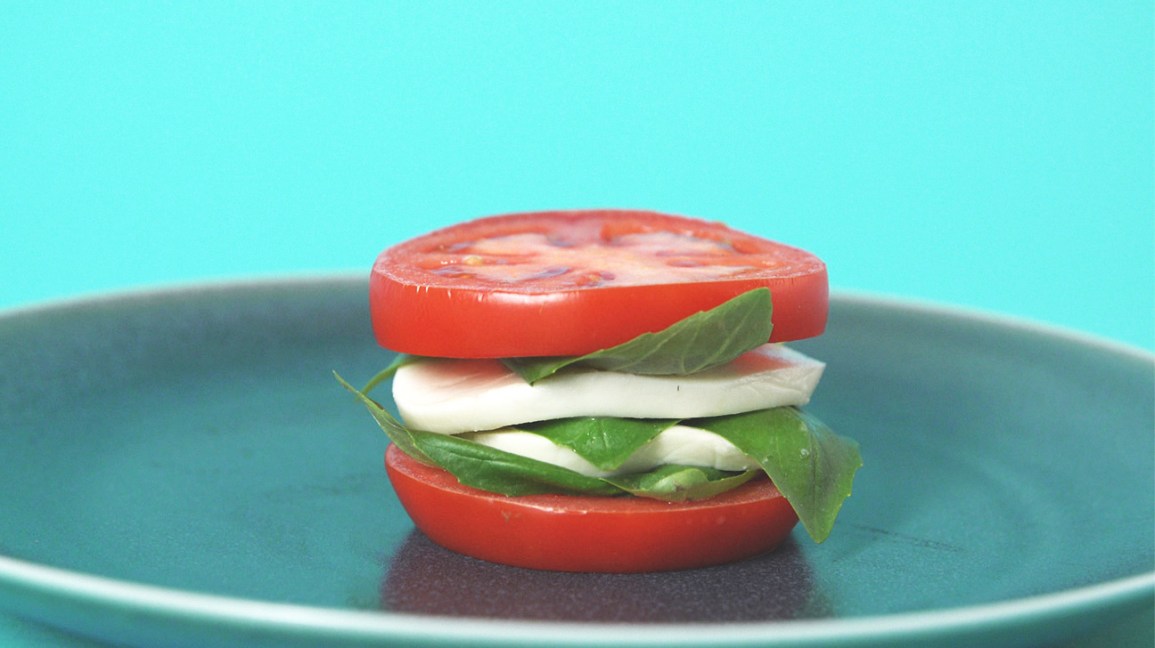
Easiest — and juiciest — bread swap ever? Tomato. We’re talking five seconds, easy. Just slice a juicy, ripe tomato and call it a day.
Tomatoes are low in carbs and rich in fiber, vitamin C, and antioxidants.
You can use tomato slices to sandwich your favorite fillings, salads, or deli meats. Our favorite way to use tomato “bread” is to create a caprese sandwich with fresh mozzarella, basil, and a drizzle of olive oil.
Directions
Simply cut and prepare however you like. The best way to slice a tomato into even slices without squishing it? Use a serrated bread knife.
Think you can’t enjoy your summer BBQ without bread? Think again!
Grilled portobello mushrooms make the perfect hamburger “bun.” The ’shroom cap shape is the ideal size for hugging a burger and your favorite toppings.
Packed with antioxidants, fiber, and B vitamins, portobello’s umami flavor can really take your burgers to the next level.
Directions
Brush portobello mushroom caps with olive oil, then season with salt and pepper. Grill until tender. Try this flavor-packed Whole30 burger!
Taco Tuesday just got a whole lot healthier.
Instead of crunchy taco shells — which, let’s be honest, fall apart in two seconds anyway — use jicama to hold your favorite taco fillings.
The nutrient-packed root vegetable is low in carbs and calories and loaded with fiber, vitamin C, and antioxidants. It has a fresh, slightly sweet flavor and tastes great with a little lime juice and chili powder.
Because of jicama’s fiber, potassium, and nitrates, it’s also great news for heart health and circulation.
Directions
Peel the jicama and slice super thin using a mandolin. Season to your preference and lightly pan-fry.
Collards are your new “it” green. This sturdy leafy green can do everything your tortilla can, from holding taco fixings to making a delicious, crunchy wrap.
Collard greens contain one of the best sources of vitamin K (which helps promote bone health). They’re also high in:
- vitamin C
- vitamin A
- fiber
- calcium
- iron
Directions
Blanch collard greens before using. This will make them more pliable and pleasant to eat. Then fill them with whatever you like, roll it up, and you’re good to go.
Tiffany La Forge is a professional chef, recipe developer, and food writer who runs the blog Parsnips and Pastries. Her blog focuses on real food for a balanced life, seasonal recipes, and approachable health advice. When she’s not in the kitchen, Tiffany enjoys yoga, hiking, traveling, organic gardening, and hanging out with her corgi, Cocoa. Visit her at her blog or on Instagram.
Health Issues? Would you like a more natural whole person approach? Medication Free? Call Today for a Free 15 minute consultation 704-.543.5540
SHARE