

9 Organic Herbal Teas to Improve Digestion & Bloating
9 Teas That Can Improve Digestion
People have been drinking tea to help treat digestive issues and other illnesses for thousands of years.
Several herbal teas have been shown to help with nausea, constipation, indigestion, and more. Fortunately, most of them are widely available and easy to make.
Here are 9 teas that can improve your digestion.

Peppermint, a green herb from the Mentha piperita plant, is well known for its refreshing flavor and ability to soothe an upset stomach.
Animal and human studies have shown that menthol, a compound in peppermint, improves digestive issues (1, 2, 3, 4).
Peppermint oil is sometimes used to improve irritable bowel syndrome (IBS), an inflammatory condition that affects the large intestine and can cause stomach pain, bloating, gas, and other unpleasant symptoms (5).
A 4-week study in 57 people with IBS found that 75% of those who took peppermint oil capsules twice per day reported improvements in symptoms, compared with 38% of those in the placebo group (6).
Peppermint tea may provide benefits similar to those of peppermint oil, although the tea’s effects on human digestion have not been studied (1).
To make peppermint tea, soak 7–10 fresh peppermint leaves or 1 peppermint tea bag in 1 cup (250 ml) of boiled water for 10 minutes before straining and drinking it.
SUMMARY Peppermint may help improve symptoms of IBS and other digestive issues, but studies on peppermint tea’s effects on digestion are lacking.
Ginger, scientifically known as Zingiber officinale, is a flowering plant native to Asia. Its rhizome (underground part of the stem) is popularly used as a spice worldwide.
Compounds in ginger, known as gingerols and shogaols, can help stimulate stomach contractions and emptying. Thus, the spice may help with nausea, cramping, bloating, gas, or indigestion (7, 8. 9).
A large review found that taking 1.5 grams of ginger daily reduced nausea and vomiting caused by pregnancy, chemotherapy, and motion sickness (9).
Another study in 11 patients with indigestion found that taking supplements containing 1.2 grams of ginger significantly shortened stomach emptying time by nearly 4 minutes, compared to a placebo (10).
Research comparing the effects of ginger tea and ginger supplements is limited, but the tea may provide similar benefits.
To make ginger tea, boil 2 tablespoons (28 grams) of sliced ginger root in 2 cups (500 ml) of water for 10–20 minutes before straining and drinking it. You can also steep a ginger tea bag in 1 cup (250 ml) of boiled water for a few minutes.
SUMMARY: Ginger has been shown to improve nausea and vomiting and may help with other digestive issues. Ginger tea can be made from fresh ginger root or a dried tea bag.
Gentian root comes from the Gentianaceae family of flowering plants, which grows worldwide.
Different varieties of gentian root have been used to stimulate appetite and treat stomach ailments for centuries (11, 12).
The effects of gentian root are attributed to its bitter compounds, known as iridoids, which can increase the production of digestive enzymes and acids (13).
What’s more, one study in 38 healthy adults found that drinking water mixed with gentian root increased blood flow to the digestive system, which may help improve digestion (14).
Dried gentian root can be purchased from a natural food store or online. To make gentian root tea, steep 1/2 teaspoon (2 grams) of dried gentian root in 1 cup (250 ml) of boiled water for 5 minutes before straining. Drink it before meals to aid digestion.
SUMMARY: Gentian root contains bitter compounds that may stimulate digestion when consumed before meals.
Fennel is an herb that comes from a flowering plant scientifically known as Foeniculum vulgare. It has a licorice-like taste and can be eaten raw or cooked.
Animal studies have shown that fennel helps prevent stomach ulcers. This ability is likely due to the herb’s antioxidant compounds, which can fight damage associated with ulcer development (15, 16).
It may also help relieve constipation and promote bowel movements. However, it’s not understood exactly how and why fennel acts as a laxative (15).
One study in 86 elderly adults with constipation found that those who drank a fennel-containing tea every day for 28 days had significantly more daily bowel movements than those who received a placebo (17).
You can make fennel tea by pouring 1 cup (250 ml) of boiled water over 1 teaspoon (4 grams) of fennel seeds. Let it sit for 5–10 minutes before pouring through a sieve and drinking. You can also use freshly grated fennel root or fennel tea bags.
SUMMARY: Fennel has been shown to help prevent stomach ulcers in animals. It may also help promote bowel movements and thus help improve chronic constipation.
Angelica is a flowering plant that grows all over the world. It has an earthy, slightly celery-like taste.
While all parts of this plant have been used in traditional medicine, angelica root — in particular — may aid digestion.
Animal studies have shown that a polysaccharide in angelica root may protect against stomach damage by increasing the number of healthy cells and blood vessels in the digestive tract (18, 19).
For this reason, it may also help fight intestinal damage caused by oxidative stress in those with ulcerative colitis, an inflammatory condition that causes sores in the colon (20).
What’s more, one test-tube study on human intestinal cells found that angelica root stimulated the secretion of intestinal acids. Therefore, it may help relieve constipation (21).
These results suggest that drinking angelica root tea may promote a healthy digestive tract, but no human studies have confirmed this.
To make angelica root tea, add 1 tablespoon (14 grams) of fresh or dried angelica root to 1 cup (250 ml) of boiled water. Let it steep for 5–10 minutes before straining and drinking it.
SUMMARYAnimal and test-tube studies have shown that angelica root protects against intestinal damage and stimulates the release of digestive acids.
Dandelions are weeds from the Taraxacum family. They have yellow flowers and grow worldwide, including in many people’s lawns.
Animal studies have shown that dandelion extracts contain compounds that may promote digestion by stimulating muscle contractions and promoting the flow of food from the stomach to the small intestine (22, 23).
A study in rats found that dandelion extract also helped protect against ulcers by fighting inflammation and decreasing the production of stomach acid (24).
Hence, drinking dandelion tea may promote healthy digestion. However, research in humans is limited.
To make dandelion tea, combine 2 cups of dandelion flowers and 4 cups of water in a saucepan. Bring the mixture to a boil, then remove it from heat and let it steep for 5–10 minutes. Strain it through a colander or sieve before drinking.
SUMMARYDandelion extract has been shown to stimulate digestion and protect against ulcers in animal studies. Human studies are needed.
Senna is an herb that comes from flowering Cassia plants.
It contains chemicals called sennosides, which break down in the colon and act on smooth muscle, promoting contractions and bowel movements (25).
Studies have shown that senna is a highly effective laxative in both children and adults with constipation from different causes (26, 27, 28).
One study in 60 people with cancer, 80% of whom were taking opioids that can cause constipation, found that more than 60% of those who took sennosides for 5–12 days had a bowel movement on over half of those days (28).
Thus, senna tea may be an effective and easy way to find relief from constipation. However, it’s best to only drink it on occasion so you don’t experience diarrhea & end up getting reliant on it.
You can make senna tea by steeping 1 teaspoon (4 grams) of dried senna leaves in 1 cup (250 ml) of boiled water for 5–10 minutes before straining. Senna tea bags are also available at most health food stores and online.
SUMMARY: Senna is commonly used as a laxative, as it contains sennosides that help promote contractions of the colon and regular bowel movements.
Marshmallow root comes from the flowering Althaea officinalis plant.
Polysaccharides from marshmallow root, such as mucilage, can help stimulate the production of mucus-producing cells that line your digestive tract (29, 30, 31).
In addition to increasing mucus production and coating your throat and stomach, marshmallow root may have antioxidant properties that help decrease levels of histamine, a compound released during inflammation. As a result, it may protect against ulcers.
In fact, one animal study found that marshmallow root extract was highly effective at preventing stomach ulcers caused by nonsteroidal anti-inflammatory drugs (NSAIDS) (32).
While these results on marshmallow root extract are interesting, more research is needed on the effects of marshmallow root tea.
To make marshmallow root tea, combine 1 tablespoon (14 grams) of dried marshmallow root with 1 cup (250 ml) of boiled water. Let it steep for 5–10 minutes before straining and drinking it.
SUMMARY: Compounds in marshmallow root may stimulate mucus production and help coat your digestive tract, providing relief from stomach ulcers.
Black tea comes from the Camellia sinensis plant. It’s often brewed with other plants in varieties like English Breakfast and Earl Grey.
This tea boasts several healthy compounds. These include thearubigins, which may improve indigestion, and theaflavins, which act as antioxidants and may protect against stomach ulcers (33, 34, 35).
One study in mice with stomach ulcers found that 3 days of treatment with black tea and the aflavins healed 78–81% of ulcers by suppressing inflammatory compounds and pathways (36).
Another study in mice found that black tea extract improved delayed gastric emptying and resulting indigestion caused by a medication (34).
Therefore, drinking black tea may help improve digestion and protect against ulcers, but more research is needed.
To make black tea, steep a black tea bag in 1 cup (250 ml) of boiled water for 5–10 minutes before drinking it. You can also use loose black tea leaves and strain the tea after steeping.
SUMMARY: Drinking black tea may help protect against stomach ulcers and indigestion due to compounds in the tea that act as antioxidants.
While herbal teas are generally considered safe for healthy people, you should be cautious when adding a new type of tea to your routine.
Currently, there is limited knowledge regarding the safety of some teas in children and pregnant and lactating women (37, 38).
What’s more, some herbs can interact with medications, and herbal teas may cause unpleasant side effects like diarrhea, nausea, or vomiting if consumed in excess (39).
If you want to try a new herbal tea to improve your digestion, start with a low dose and take note of how it makes you feel. Also, be sure to consult your doctor first if you are taking medications or have a health condition.
SUMMARYAlthough teas are generally considered safe for most people, some teas may not be appropriate for children, pregnant women, or those taking certain medications.
Herbal teas can provide a variety of digestive benefits, including relief from constipation, ulcers, and indigestion.
Peppermint, ginger, and marshmallow root are just some of the many types of teas that may help improve digestion.
If you want to start drinking a certain tea to aid your digestion, be sure to confirm the appropriate amount to brew and how often to drink it.
THERE IS SO MUCH TO BE DONE TO IMPROVE DIGESTION - HERE ARE A FEW OTHER SUGGESTED ARTICLES -
https://charlottenaturalwellness.com/category/digestion/


Want a sharp mind, strong memory? Ramp up activities

We all want to keep our minds sharp and our memories strong as we get older. So, what can we do right now to prevent cognitive decline in later years? Engaging in regular aerobic exercise for at least 30 minutes a day, five days a week, probably has the biggest effect on people of many ages (see here and here). Convincing evidence also suggests that a Mediterranean-style diet of fish, olive oil, avocados, fruits, vegetables, nuts, beans, and whole grains is beneficial. But what about social and mental activities — do they help at all?
Social activities, a positive attitude, and learning new things
Previous research convincingly demonstrates that older people who engage in social activities, have a positive mental attitude, and work to learn new things maintain their cognitive abilities longer than those who are socially isolated, have a negative attitude, and do not try to learn new things. However, several questions remain. When is the ideal time to do these activities: in middle age or later in life? Does it help to do multiple activities, or is a single activity as good as several? And what about other common mental activities, such as reading books and playing games — do they help too?
Mentally stimulating activities: More is better
A recently published study from researchers at the Mayo Clinic followed 2,000 cognitively normal men and women age 70 or older for about five years. Participants filled out surveys regarding their engagement in five common mentally stimulating pursuits –– social activities, reading books, playing games, making crafts, and using a computer –– in midlife (between ages 50 and 65) and in late life (ages 70 and above). The researchers also performed face-to-face evaluations every 15 months. These evaluations included a neurologic interview and exam, detailed history of their abilities at home and in the community, and neuropsychological testing for memory, language, visuospatial skills, attention, and executive function.
When the study ended, the researchers looked at whether participants remained cognitively normal or developed mild cognitive impairment (MCI). MCI is diagnosed when a concern about a person’s thinking and memory is confirmed by testing that shows impairment on one or more tests of thinking and memory. However, day-to-day functioning is essentially normal, and the person is not demented.
The study yielded several important findings
- Engaging in two, three, four, or five mentally stimulating activities in late life correlated with a lower risk for developing MCI. A trend suggests a greater number of activities is linked to a greater reduction in risk.
- Three activities — computer use, social activities, and games — had benefits when pursued in both midlife and late life. However, crafts were beneficial only in late life.
- Reading books showed no benefit — a dismaying finding to me as both an author and an avid reader.
The bottom line
If we want to keep our minds sharp and our memories strong, the evidence suggests that there is much we can do today. We can engage in regular aerobic exercise. We can eat a Mediterranean-style diet. We can work to learn new things and keep a positive mental attitude. And lastly, with a nod to this new research, we can pursue social activities, play games, and use computers from midlife onward, and engage in crafts in late life. Books, on the other hand, should be read whenever we are seeking knowledge, wisdom, enlightenment, or enjoyment.
Have other health issues? We'd love to help!! Give us a call or schedule online - 704-543-5540 -
Intermittent Fasting - Less snacking, more fat burning
Intermittent fasting: Surprising update

But a growing body of research suggests that the timing of the fast is key, and can make IF a more realistic, sustainable, and effective approach for weight loss, as well as for diabetes prevention.
The backstory on intermittent fasting
IF as a weight loss approach has been around in various forms for ages, but was highly popularized in 2012 by BBC broadcast journalist Dr. Michael Mosley’s TV documentary Eat Fast, Live Longer and book The Fast Diet, followed by journalist Kate Harrison’s book The 5:2 Diet based on her own experience, and subsequently by Dr. Jason Fung’s 2016 bestseller The Obesity Code. IF generated a steady positive buzz as anecdotes of its effectiveness proliferated.
As a lifestyle-leaning research doctor, I needed to understand the science. The Obesity Codeseemed the most evidence-based summary resource, and I loved it. Fung successfully combines plenty of research, his clinical experience, and sensible nutrition advice, and also addresses the socioeconomic forces conspiring to make us fat. He is very clear that we should eat more fruits and veggies, fiber, healthy protein, and fats, and avoid sugar, refined grains, processed foods, and for God’s sake, stop snacking. Check, check, check, I agree. The only part that was still questionable in my mind was the intermittent fasting part.
Intermittent fasting can help weight loss
IF makes intuitive sense. The food we eat is broken down by enzymes in our gut and eventually ends up as molecules in our bloodstream. Carbohydrates, particularly sugars and refined grains (think white flours and rice), are quickly broken down into sugar, which our cells use for energy. If our cells don’t use it all, we store it in our fat cells as, well, fat. But sugar can only enter our cells with insulin, a hormone made in the pancreas. Insulin brings sugar into the fat cells and keeps it there.
Between meals, as long as we don’t snack, our insulin levels will go down and our fat cells can then release their stored sugar, to be used as energy. We lose weight if we let our insulin levels go down. The entire idea of IF is to allow the insulin levels to go down far enough and for long enough that we burn off our fat.
Intermittent fasting can be hard… but maybe it doesn’t have to be
Initial human studies that compared fasting every other day to eating less every day showed that both worked about equally for weight loss, though people struggled with the fasting days. So I had written off IF as no better or worse than simply eating less, only far more uncomfortable. My advice was to just stick with the sensible, plant-based, Mediterranean-style diet.
New research is suggesting that not all IF approaches are the same, and some are actually very reasonable, effective, and sustainable, especially when combined with a nutritious plant-based diet. So I’m prepared to take my lumps on this one (and even revise my prior post).
We have evolved to be in sync with the day/night cycle, i.e., a circadian rhythm. Our metabolism has adapted to daytime food, nighttime sleep. Nighttime eating is well associated with a higher risk of obesity, as well as diabetes.
Based on this, researchers from the University of Alabama conducted a study with a small group of obese men with prediabetes. They compared a form of intermittent fasting called “early time-restricted feeding,” where all meals were fit into an early eight-hour period of the day (7 am to 3 pm), or spread out over 12 hours (between 7 am and 7 pm). Both groups maintained their weight (did not gain or lose) but after five weeks, the eight-hours group had dramatically lower insulin levels and significantly improved insulin sensitivity, as well as significantly lower blood pressure. The best part? The eight-hours group also had significantly decreased appetite. They weren’t starving.
Just changing the timing of meals, by eating earlier in the day and extending the overnight fast, significantly benefited metabolism even in people who didn’t lose a single pound.
So is this as good as it sounds?
I was very curious about this, so I asked the opinion of metabolic expert Dr. Deborah Wexler, Director of the Massachusetts General Hospital Diabetes Center and associate professor at Harvard Medical School. Here is what she told me. “There is evidence to suggest that the circadian rhythm fasting approach, where meals are restricted to an eight to 10-hour period of the daytime, is effective,” she confirmed, though generally she recommends that people “use an eating approach that works for them and is sustainable to them.”
So here’s the deal. There is some good scientific evidence suggesting that circadian rhythm fasting, when combined with a healthy diet and lifestyle, can be a particularly effective approach to weight loss, especially for people at risk for diabetes. (However, people with advanced diabetes or who are on medications for diabetes, people with a history of eating disorders like anorexia and bulimia, and pregnant or breastfeeding women should not attempt intermittent fasting unless under the close supervision of a physician who can monitor them.)
4 ways to use this information for better health
- Avoid sugars and refined grains. Instead, eat fruits, vegetables, beans, lentils, whole grains, lean proteins, and healthy fats (a sensible, plant-based, Mediterranean-style diet).
- Let your body burn fat between meals. Don’t snack. Be active throughout your day. Build muscle tone.
- Consider a simple form of intermittent fasting. Limit the hours of the day when you eat, and for best effect, make it earlier in the day (between 7 am to 3 pm, or even 10 am to 6 pm, but definitely not in the evening before bed).
- Avoid snacking or eating at nighttime, all the time.
Sources
Effect of Alternate-Day Fasting on Weight Loss, Weight Maintenance, and Cardioprotection Among Metabolically Healthy Obese Adults: A Randomized Clinical Trial. JAMA Internal Medicine, May 2017.
Alternate-day fasting in nonobese subjects: effects on body weight, body composition, and energy metabolism. American Journal of Clinical Nutrition, January 2005.
The Obesity Code, by Jason Fung, MD (Greystone Books, 2016).
Intermittent fasting interventions for treatment of overweight and obesity in adults: a systematic review and meta-analysis. JBI Database of Systematic Reviews and Implementation Reports, February 2018.
Metabolic Effects of Intermittent Fasting. Annual Review of Nutrition, August 2017.
Early Time-Restricted Feeding Improves Insulin Sensitivity, Blood Pressure, and Oxidative Stress Even without Weight Loss in Men with Prediabetes. Cell Metabolism, May 2018.



12 Ways to Increase Water Intake for Hydration
12 Simple Ways to Drink More Water
Your body is about 70% water, and drinking enough of it is vital for optimal health (1).
Water plays many roles in your body, including maintaining electrolyte balance and blood pressure, lubricating joints, regulating body temperature, and promoting cell health (1, 2Trusted Source).
While everyone knows that it’s important to stay hydrated, doing so can be difficult at times.
Here are 12 simple ways to drink more water.

Before you decide to drink more water, you have to understand your body’s fluid needs.
A common recommendation for daily water intake is 64 ounces (1,920 ml), or 8 cups, but this is not based on science (3Trusted Source).
The National Academy of Medicine (NAM) recommends that men consume 125 ounces (3,700 ml) and women about 90 ounces (2,700 ml) of fluid per day, including the fluid from water, other drinks, and foods (4).
However, NAM acknowledges that it isn't ideal to make broad recommendations about fluid needs, as they depend on your activity level, location, health status, and more (5Trusted Source).
For most, simply drinking to quench your thirst will ensure you meet your fluid needs. Yet, you may need more fluid if you exercise regularly, work outside, or live in a hot climate (5Trusted Source).
Setting a daily water intake goal can help you drink more water.
Simply the act of setting a goal can be motivating and make you more likely to make positive changes that last (6Trusted Source).
To be effective, goals should be SMART, which is an acronym for the following criteria (7Trusted Source):
- Specific
- Measurable
- Attainable
- Realistic
- Time-bound
For example, one SMART water-consumption goal might be to drink 32 ounces (960 ml) of water per day.
It can also help to record your progress, which can keep you motivated to achieve your goal — and make it a habit.
Keeping a water bottle with you throughout the day can help you drink more water.
When you have a reusable water bottle, you can easily drink water in any setting, whether you’re running errands, traveling, or at home, work, or school.
Keeping a water bottle handy can also serve as a visual reminder to drink more water. If you see the bottle on your desk or table, you will constantly be reminded to drink more.
Plus, it’s better for the environment than relying on single-use plastic water bottles.
You can also set reminders to drink more water using an app or the alarm on your smartphone or smartwatch.
For example, try setting a reminder to take a few sips of water every 30 minutes, or set a reminder to finish drinking your current glass of water and refill it every hour.
These reminders can help you increase your water intake, especially if you struggle with being forgetful or too busy to drink.
One way to drink more water — and boost your health and reduce your calorie intake — is to replace other drinks, such as soda and sports drinks, with water.
These drinks are often full of added sugars, which can be extremely detrimental to your health.
For optimal health, limit your added sugar intake to less than 5% of your calorie intake. Just one 8-ounce (240 ml) cup of soda per day can exceed this limit (8Trusted Source).
Diets high in added sugars have been linked to obesity and other conditions like type 2 diabetes and heart disease (9Trusted Source, 10Trusted Source, 11Trusted Source).
Furthermore, replacing these sugary drinks with water is an easy and cheap way to cut calories, potentially helping you lose weight.

Another simple way to increase your water intake is to make a habit of drinking one glass of water before each meal.
If you eat 3 meals per day, this adds an extra 3 cups (720 ml) to your daily water intake.
Moreover, sometimes your body may mistake feelings of thirst for hunger. Drinking a glass of water before eating can help you discern whether you are feeling true hunger (12Trusted Source).
What’s more, if you’re trying to lose weight, drinking a glass of water may help you eat fewer calories at the following meal (13Trusted Source, 14Trusted Source).
In America, most tap water is safe to drink. However, if you have concerns about the quality or safety of your tap water, consider purchasing a water filter.
There is a filter for almost every budget, from costly whole-home water filtration systems to inexpensive water-filtering pitchers.
In addition, filtering your water could improve the taste.
Point-of-use water filters, such as water-filtering pitchers or filters that attach directly to a faucet, can reduce levels of waterborne bacteria, lead, and arsenic in contaminated tap water to safe levels (15Trusted Source, 16Trusted Source, 17Trusted Source).
Using a water filter is also less expensive and more eco-friendly than purchasing bottled water, which is oftentimes no different than tap water (18Trusted Source).
If you dislike the flavor of water, or just need a bit of flavor to help you drink more, you have many choices.
Using an inexpensive fruit-infuser water bottle is one healthy option.
Popular fruit combinations to use in an infuser bottle are cucumber-lime, lemon, and strawberry-kiwi. Although, you can use any combination of fruits that suits your taste.
You can also purchase water enhancers in powder or liquid form to add to your water, but be aware that many of these products contain sugar, artificial sweeteners, or other additives that may harm your health.
If you work a standard 8-hour workday, drinking a glass of water each hour you’re at work adds up to 8 cups (1,920 ml) to your daily water intake.
Fill up your cup as soon as you get to work, and at the top of every hour, simply drink the remaining water and refill.
This method will keep your water intake consistent throughout your workday.
Sipping on water consistently throughout the day is another easy way to help you meet your fluid goals.
Reaching for a sip of water consistently during your day will keep your mouth from getting dry and may even help keep your breath fresher (19Trusted Source, 20Trusted Source).
Keep a glass of water or a reusable bottle nearby and within your line of sight for a constant visual reminder to take a sip.
One simple way to get more water is to eat more foods that are high in water.
Fruits and vegetables that are particularly high in water include (21, 22, 23, 24, 25, 26, 27):
- Lettuce: 96% water
- Celery: 95% water
- Zucchini: 95% water
- Cabbage: 92% water
- Watermelon: 91% water
- Cantaloupe: 90% water
- Honeydew melon: 90% water
In addition to their high fluid content, these fruits and vegetables are packed with vitamins, minerals, and antioxidants that promote your overall health.
An easy way to boost your water intake is to simply drink one glass when you wake up and another before you go to bed.
A glass of cold water in the morning may help wake you up and boost your alertness (28Trusted Source).
Plus, drinking water before bed can keep you from waking up with a dry mouth and bad breath (19Trusted Source, 20Trusted Source).
Adequate water intake is essential to good health.
The National Academy of Medicine estimates that most people need 90–125 ounces (2,700–3,700 ml) of fluid per day, including fluid from water, other beverages, and food.
However, it can be difficult to drink water habitually, especially if you are busy, regularly forget to drink, or dislike the taste of water.
Choosing from these 12 simple tips can help you boost your daily water intake.
Do you have other health issues? Would you like a more natural approach? Call us today for a FREE 15 minute Phone Call - 704-543-5540

Natural Kid Immune Support Tips for Back to School Time
Kids’ immune systems have to grow along with them, which is why they get sick a lot. How does that happen? Immunity grows and evolves as the result of being challenged by exposure and infection. Most young kids get 6-8 colds a year, and it’s how they become immune–one-by-one–to the myriad viruses they’re exposed to. This is nature’s way, but even so, a child’s immune system needs to be strong in order to stand up to the constant onslaught of viruses, bacteria and fungi, like candida.
Particularly during transitional times of the year, like back-to-school, children and young adults become increasingly vulnerable to immune challenges. Not only will they be exposed to vastly more microbial challenges in school, their classrooms and around new people, but changes to routine, sleep and diet all create additional stress on the immune system.
In the latest addition to The Protocol Library, Mary Bove, ND, PhD, and author of the Encyclopedia of Natural Healing for Children and Infants, shares the products she recommends to parents who want to support their children’s immune health, especially when it’s needed the most.
P.S. Here’s Mary’s recipe for Homemade Elderberry Gummies which makes immune support a little more fun
Homemade Black Elderberry Gummies
Serves 18
Time to prepare: 25 minutes, plus freezing time
Ingredients
1 cup acai juice, or another no sugar added juice
1 tablespoon agar agar
1 tablespoon local honey
3 ozs-Organic Black Elderberry Syrup
Preparation
- Place a small pan over low heat, then stir together the juice, agar agar and honey. Heat over low until the agar agar is completely dissolved.
- Remove from heat and add the Black Elderberry Syrup. Pour into silicone molds or an 8×8 glass dish lined with parchment and coated with coconut oil. Place in the freezer for about 30 minutes, until firm.
- Remove from freezer and pop out of molds or slice into squares. Store on parchment inside in an airtight container and refrigerate. Will keep up to one week.
Naturally Calm Stress & Lower Blood Pressure
 L-theanine, also known as L-γ-glutamylethylamide and N⁵-ethyl-L-glutamine is a non-protein amino acid that’s naturally occurring in some plants and fungus. Theanine is the name given to L-theanine when it is used as a food supplement, which is permitted in many international locations. Most famously L-theanine was found to be an active ingredient in green tea back in 1949. Multiple lab studies on L-theanine have found it to improve cognitive function, alleviate psychological stress, maintain normal sleep patterns, and provide comfort during menses.
How L-Theanine Works in the Brain
Multiple animal studies have shown that L-theanine stimulates the production of serotonin, dopamine and GABA, which have neuroprotective effects on the brain and enhance cognition. L-theanine also blocks the activity of glutamate, thus it is “glutamatergic”. Glutamate and GABA have a complex interwoven bidirectional relationship; an optimal balance of both factors brings about enhanced cognitive abilities.
What is Glutamate?
Glutamate is the brain and central nervous system’s excitatory neurotransmitter (alongside aspartate), responsible for getting your brain fired up and ready for action. In pre- and post-natal development, glutamate is required for healthy brain development and, in maturity, it plays a pivotal role in learning. Conversely, elevated levels of glutamate can cause pain amplification, anxiety, neurological inflammation and premature cellular death.
Glutamate is effectively blocked when L-theanine binds to the AMPA, kainate and NMDA receptor ligands in the brain indicating that long-term glutamate excitotoxicity could be fended off by effective L-theanine supplementation. Glutamate can be derived from blood glucose, suggesting reducing sugar in your diet may also help lower glutamate serum levels.
What is GABA?
Gamma-Aminobutyric Acid (GABA) is the body’s primary inhibitory neurotransmitter that is responsible for the proliferation of both embryonic cells and stem cells. GABA’s chief role is the reduction of excitability in the central nervous system. GABA counteracts glutamate and promotes restful sleep and also aids in the regeneration of muscle tissue. Interestingly, in speech, GABA is the “pause” between the words, uncovering a possible link between the stringing of sentences or excessive talkativeness in patients with anxiety and bipolar disorder and low levels of GABA.
Stress Response and L-Theanine
When exposed to stressful stimulus, blood pressure rises and glutamate receptors are activated. If blood pressure rises too much then the brain’s blood vessels get damaged and this can result in a stroke. L-theanine has been shown to modulate extreme spikes in blood pressure, promoting associated vascular health throughout the body.
Other long-term neurodegenerative disorders are being studied to assess the viability of L-theanine as a possible glutamatergic. In one animal study, L-theanine significantly altered gene expression in the brain’s amygdala region, the area responsible for the fear and stress response, promoting relaxation in rats.
A strong or prolonged stress response has negative effects on cognition. This, in turn, can lead to oxidative stress, inflammation and weakened blood vessels. A promising animal study showed that animals treated with L-theanine, before the stress stimulus was applied, lowered the stress hormones and preserved cognition in the brain.
Chronic restraint stress (CRS) results in increased glucocorticoid levels and altered brain-derived neurotrophic factor (BDNF) function. This immobilized stress has catastrophic effects on cognitive abilities. L-theanine offered cognitive protection in rats subjected to CRS for 8 hours per day.
Neurotoxicity and L-Theanine
A further animal study exposed neuroprotective activity in rats induced with Huntington's disease (HD)-like symptoms by induction of 3-nitropropionic acid (3-NP). When exposed to 3-NP, rats experienced many degenerative effects such as a reduction in body weight, oxidative defences and decreased locomotor activity. Use of L-theanine resulted in an improvement in behaviour, as well as increased biochemical and mitochondrial enzyme activities.
L-theanine has also been found to offer neuroprotection from toxic compounds such as aluminium. In one study, aluminium was found to produce histopathological changes in the rat brain. When the subjects ingested L-theanine, the researchers found protection against neurodegenerative effects and concluded, “The present study clearly indicates the potential of L-theanine in counteracting the damage inflicted by aluminium on rat brain regions.”
GABA-Glutamate Balance
A healthy balance between GABA and glutamate is essential to maintain homeostasis throughout the body. Glutamate is the accelerator, allowing you to go places and GABA works like the brakes, allowing you to regulate your speed and rest. Excess glutamate can be converted into GABA with the help of the enzyme glutamic acid decarboxylase (GAD) that is produced in the pancreas.
However, there are reasons that the body will not be able to perform this essential metabolic reaction, for example, Candidaovergrowth or gut dysbiosis. Other reasons that the body cannot convert excess glutamate into GABA are lead toxicity and B vitamin deficiency.
In summary, L-theanine can target the glutamate receptors, which not only inhibits glutamate from binding to those receptors, but also triggers the production of GABA, offering a viable pathway to balance the GABA-glutamate balance.


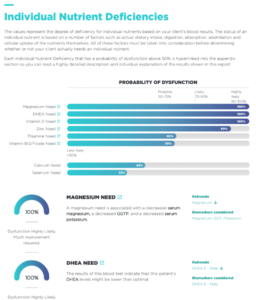
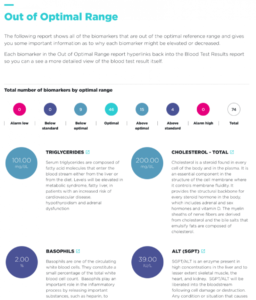
Digging Deeper Understanding Blood Work



What should one eat for your body type? Ayuvedic Medicine Explained
A quick 15 minute video explaining Ayuvedic Medicine and it's Doshas or body types.
https://youtu.be/qNgljDyrfiY
What is your Ayuvedic Body Type?
What Foods best work for your body type?
Ayurvedic Medicine is a science based medicine of life. The goal is to learn how to maintain optimal physical, mental, emotional and spiritual health.
The body is made up of 3 possible types, or Doshas:
- Vata
- Pitta
- Kapha
Interested in delving more into Ayuveda? Schedule with Dr. Vaghela Today- 704-543-5540
Prevention IS the BEST cure!! Resources for preventing disease and illness
Easy Resources to Improve Health & Prevent Disease with PREVENTION
Prevention IS the best !!
If you can prevent heart attacks, strokes, and cancer then WHY not?
SO I wanted to inform you and give you some resources that you can order on your own:
Preventive health screenings help people understand their risk for developing chronic conditions before symptoms are present, enabling them and their doctors to take action to potentially prevent disease. The preventive health screening services provided by Life Line Screening use three accurate, non-invasive health screening methods to identify risk factors that can lead to cardiovascular disease, stroke, peripheral artery disease, osteoporosis, and other serious illnesses.
Since 1993 Life Line Screening's preventive health screening services are designed to identify risk factors that can lead to heart disease, stroke and other serious illnesses. They use three non-invasive methods to get you lab-accurate results and recommendations you can review with your doctor.
2. Her Scan Mobile Breast Ultrasound
The power of an ultrasound can increase the detection of breast cancer from approximately 48% to 97%, particularly in women with dense breasts. Ultrasound screenings are capable of detecting cancers that cannot be found by mammography and physical exams alone. Sometimes mammograms and physical exams just are not enough, particularly in women with dense breasts.
Fast, Affordable and Convenient access to important ultrasound technology. Book your HerScan ultrasound appointment at a health event near you.
Did you know in Charlotte, you can not get an ultrasound without a Mammogram, so using Her Scan Mobile Ultrasound you can by pass that and get what you need!!
Questions? Have results and not sure what to do? GIve us a call to schedule 704-543-5540

Detox & Heal from Breast Implant Illness
DETOXIFICATION- BREAST IMPLANT ILLNESS IS REAL
STEPS TO DETOXIFY YOUR BODY FROM SILICONE AND SALINE BREAST IMPLANTS
1. Explant – The first and most important step to detox the body is to properly explant your breast implants which means En Bloc/Total Capsulectomy. Please see the EXPLANT page for a full explanation of a proper explant and the EXPLANT SURGEONS page for a list of world wide surgeons who remove breast implants properly. After explant give your body a month to recover and heal from surgery before stimulating detoxification.
2. Diet – The next and most important step after removal of breast implants is to support the body’s natural systems of detoxification through healthy diet which means an organic, non GMO, whole foods diet of a little fruit, (lemons, limes, coconut, green granny smith apples and berries are the best fruits to eat) lots and lots of all kinds of vegetables (50 per cent raw 50 per cent cooked), some organic/free range/grass fed meats and eggs, some resistant starch carbs to feed probiotics and some carbs from root vegetables. Include lots of healthy fats and oils such as organic/raw/grass fed butter if you can tolerate dairy, coconut oil, unheated olive oil, avocado and avocado oil, fresh flax seed oil and lots of clean fish/krill oils. Include raw nuts except peanuts which carry mold. Include Hemp seeds and Chia seeds. Drink six to eight glasses of purified, mineralized water. Cut out all sugars/sweetners, dairy and gluten grains which are inflammatory to most guts. Cut out all processed foods, anything with a label on it, anything in a can, anything in a box, cut out all chemicals, cut out all sweets, candies, cakes, pastries, cut out caffeine, pop, chocolate, alcohol, yeasted and foods with vinegar. Use a natural sea or Celtic salt full of various minerals from a clean source. Use apple cider vinegar.
Your clean, wholefoods diet will be the most important factor in how you feel day to day and how quickly your body detoxes. Eating cleanly allows your body the extra energy it needs to do the heavy work of detoxing. Examples of diets that work for us are the Gerson Therapy diet (good for vegetarians), antifungal/low mycotoxin diets (good for fungus which many of us battle for months after explant) and the AutoImmune Protocol diet (good for those that suffer from autoimmune symptoms and diseases).
These diets are digestible to the body, lower inflammation in the gut and do not feed fungus and other pathogenic microorganisms that cause many of our symptoms.
3. Heal Your Gut – Many women who have toxicity from breast implants have digestion and bowel problems potentially from leaky gut, gut dysbiosis, IBS, Crohns, inflammation, fungus and parasites. Some women develop allergies due to leaky gut and lose the ability to digest dairy, gluten grains and other inflammatory or allergenic foods. All inflammatory and allergic foods must be cut out of the diet completely in order to lower inflammation in the gut and support digestion. When inflammation is present in the gut and digestive tract the body slows down or stops digestion and detoxification. If you have gut problems, a whole foods diet as outlined above and cutting out inflammatory and allergenic foods such as dairy and gluten will help you feel better, digest better and detox faster. Bone broth and powdered collagen will help heal your gut and please ensure you have enough Betaine HCL and digestive enzymes to digest your food. If your gut is badly damaged and not responding to good diet and bone broth and you need additional help please check out the GAPS diet guidelines for healing damaged guts. If you have auto-immune symptoms follow the Autoimmune Protocol diet to bring down inflammation in your gut and modulate the autoimmune response in the body. Probiotics, especially lactic acid producing probiotics and soil based probiotics found in fermented foods and raw fruits and vegetables are very important for healing/restoring healthy gut flora, modulating your immune system and chelating toxins from the body. If you buy fermented foods such as sauerkraut, obtain it from a health food store which carries traditionally cultured veggies and avoid grocery store varieties made with vinegar. It is easy and inexpensive to make your own cultured vegetables at home which supply much larger quantities of probiotics than store bought supplements.
4. Check for MTHFR Gentic Variants and Support your Methylation and Detox Pathways – MTHFR genetic variants may be inhibiting your ability to detox if left untreated. Essentially MTHFR genetic variants impair our ability to break down necessary B vitamins. In polls taken in our facebook group more than half of the respondents had MTHFR genetic variants which inhibit our liver methylation and detoxing. Many test for MTHFR through their doctor or through 23andme.com. MTHFR is easy to treat with a few supplements such as Methylfolate known as L-5-MTHF and B12 supplement knows as Methylcobalamin or Adenosylcobalamin or Hydroxocabalmin (all different forms of B12 targeting specific purposes) and MethylB6 known as Pyridoxal-5′.
5. Infections In Us – After explant, some ladies have discovered fungal colonization in their saline implants and chest. Some ladies have had contact with mold in their environment and have mold infections in their body due to immune deficits caused by breast implants. Additionally, most breast implant illness ladies have an overgrowth of fungus such as yeast/Candida in their gut and even systemically in their body due to immune deficits.
Many ladies also have other infections in their gut such as H-pylori and SIBO. Some ladies had bacterial infections in their capsules. Capsular contracture is known to be caused by bacteria in the capsule. Some ladies have mycoplasma infections. Some ladies have Lyme, EBV and herpes infections causing their health problems. These bacterial, fungal, viral and parasitical infections caused by immune deficits due to breast implants need to be eliminated for a full recovery.
6. Green Vegetable Juicing – Vegetable juicing is very helpful to supply extra nutrition, potassium and enzymes crucial for healing and detoxification. Try and include a large vegetable juice in your diet each day. I found the Gerson Therapy Green Juice here very helpful to how I felt day to day and to my overall healing: http://gerson.org/pdfs/Green_Juice_Recipe_and_Preparation.pdf
7. Vitamin and Antioxidant Supplements to Lower Inflammation which Detox and Healing – Vitamin and antioxidant supplements help keep inflammation low which stimulates detoxification. Please carefully read all labels and research supplements that you take as some have unhealthy ingredients you need to avoid. Vitamins A, B, C, E, Selenium, Zinc, CoQ10/Ubiquinol, Turmeric/ Curcumin, Milk thistle, Ginger and Krill Oil will all help lower inflammation in your body and keep your detoxification cycle up regulated. Vitamin D is important to healing and is the vitamin that controls all hormones and is low in most of us. Most of us are very low in B vitamins and especially B12.
8. Stimulate Detox – After you have mastered good diet and your digestion and bowels are working well, you may want to begin to stimulate detoxification.
9. Glutathione – If you do research on detoxification you will come across information on Glutathione which is a simple molecule produced in the body that acts as the body’s master detoxifier picking up free radicals, toxins and heavy metals and escorting them out of the body. Normally, Glutathione is created and recycled in the healthy body except when the toxic load becomes too great and then it becomes depleted. Glutathione is made from the amino acids (protein building blocks) Cysteine, Glutamine and Glycine.
10. Exercise – Get exercise each day if possible. At first walking, yoga and swimming are great exercises for healing breast implant illness. Gradually work up to fast walking and even jogging to get your circulation and lymph moving well. Go outside for fresh air and sun and to connect with nature each day. If possible, sit or lie on the ground/grass/beach each day to eliminate inflammation in your body through grounding.
11. Sauna Therapy and Epsom Salt Baths – If you have access to an infared sauna, sauna two to three times each week. It is well known that toxins and heavy metals are eliminated through the skin by sweating and infared kills microbes in the body. Avoid saunas if you have implants and or mercury fillings. Also take a couple Epsom salt baths a week for magnesium replenishing and detoxification.
**. Timeframe to Feel Healthy – You will notice that the process of detoxification does increase inflammation in the body and the feeling of illness for a period. Moving toxic chemicals, bio-toxins and heavy metals through your body and organs will cause inflammation and detox symptoms (headaches, brain fog, negative mentalism, emotionalism, sore back bone, sore joints, general illness, fatigue, digestive disturbances) and an increase of your specific symptoms which is why you should go slow and need to take rests from detoxing but always maintain your clean wholefoods diet and some exercise if possible.
Detoxification of breast implants is not a straight line, but rather an up and down process generally lasting one to two years. After explant, you will notice certain symptoms go away and you will feel better for a few months but then in a few months after explant, your body will begin the heavy work of detoxing stored chemicals and heavy metals from your cells and your symptoms will increase and go up and down for some months but gradually disappear one by one.
Most women feel substantially better within about one or two years. If you are not improving over months and years, then you need to look for other sources of toxicity. Perhaps you have a bacterial or fungal infection that is creating bio-toxins. Please ensure you are not living or working in a moldy environment.
CALL TODAY TO MAKE AN APPOINTMENT - 704-543-5540