


A Gentle Solution for New Moms in Charlotte, NC
A Gentle Solution for New Moms: How the Emsella Chair Can Help Restore Bladder Control
Bringing a new baby into the world is one of life’s most meaningful experiences. Along with the joy of motherhood, however, many women encounter physical changes they didn’t expect—one of the most common being urinary incontinence.
If you’ve noticed small leaks when you laugh, sneeze, cough, or exercise, you are not alone. Postpartum urinary leakage affects millions of women, especially in the months and years following pregnancy and childbirth. The good news is that this condition is both common and treatable, and modern technology now offers a comfortable, non-invasive solution.
Why Urinary Incontinence Happens After Pregnancy
During pregnancy and delivery, the pelvic floor muscles stretch significantly to support the growing baby and allow for childbirth. These muscles act like a hammock, supporting the bladder, uterus, and bowel. When they become weakened or overstretched, they may not provide the same level of support as before.
As a result, the bladder may release urine unexpectedly during activities that increase abdominal pressure—such as laughing, running, lifting, or even sneezing. This is called stress urinary incontinence.
While many women try to strengthen these muscles with Kegel exercises, it can be difficult to know if the correct muscles are being engaged or if the exercises are strong enough to restore full function.
A Non-Invasive Breakthrough: The Emsella Chair
One innovative treatment that has helped many women regain confidence is the Emsella chair.
The Emsella chair uses advanced high-intensity focused electromagnetic (HIFEM) technology to stimulate the pelvic floor muscles. During treatment, you simply sit fully clothed on the chair while it delivers targeted electromagnetic pulses that cause the pelvic floor muscles to contract.
These contractions are far stronger and more consistent than what can be achieved through voluntary exercises alone.
In fact, a single session can produce the equivalent of thousands of Kegel contractions.
What Treatment Is Like
The experience is simple and comfortable:
• You remain fully clothed
• Each session lasts about 30 minutes
• There are no needles, surgery, or downtime
• Most treatment plans include about 6 sessions over several weeks
Many women describe the sensation as a gentle tingling or pelvic muscle engagement. After treatment, you can immediately return to normal daily activities—including caring for your baby.
Why Many Women See Significant Improvement
The goal of Emsella therapy is to retrain and strengthen the pelvic floor muscles. As these muscles become stronger, they can better support the bladder and help restore normal urinary control.
Many women report improvements such as:
• Reduced leakage when coughing or exercising
• Better bladder control
• Improved pelvic floor strength
• Increased confidence during physical activity
Clinical studies have shown that a large percentage of patients experience meaningful improvement in urinary incontinence symptoms following treatment.
A Supportive Step Toward Postpartum Healing
Motherhood already comes with enough adjustments. Struggling with bladder leaks should not be something women simply “learn to live with.”
The Emsella chair offers a safe, non-invasive option that supports the body’s natural healing process and helps restore pelvic floor strength—without surgery, medication, or discomfort.
If you are experiencing postpartum urinary leakage, know that help is available. Speaking with a qualified healthcare provider can help determine whether pelvic floor therapy such as Emsella may be the right solution for you.
Caring for yourself is part of caring for your family—and restoring your confidence and comfort is an important step in that journey.
Schedule your FREE session to try it out Click here to schedule : https://p.bttr.to/3vC78p7
NOTE: this is not indicated for those that are pregnant, have an IUD, or any metal implant or device.
Serving Ballantyne, Charlotte, Weddington, Marvin, Waxhaw, and South Park areas.

Naturopathic Digestive Support - Getting to the Root Cause
Naturopathic Digestive Support – Getting to the Root Cause. Natural Digestive Support Charlotte NC is essential for addressing deeper issues rather than just symptoms.
Naturopathic digestive care focuses on understanding why digestive symptoms are happening — not just how to quiet them. Bloating, reflux, constipation, diarrhea, food sensitivities, and abdominal discomfort are often signals of deeper imbalances involving gut motility, stomach acid, enzyme production, microbiome health, inflammation, stress, or nutrient deficiencies. In Charlotte, NC, many seek natural digestive support solutions for these underlying concerns.
The gut is like a garden, if you have lots of weeds, or overgrowth of bad bacteria, you can have a list of unwanted symptoms. However, weeding the gut, and eliminating these bacteria will help to eliminate the main problem. Moreover, Natural Digestive Support Charlotte NC addresses these challenges holistically.
Rather than a one-size-fits-all approach, naturopathic care looks at the digestive system as part of a larger, interconnected whole. Factors such as stress levels, hormone balance, thyroid function, immune health, and even blood sugar regulation can significantly impact digestion. When these systems are out of balance, digestive symptoms often follow.
Support may include personalized nutrition, targeted supplementation, gut-healing protocols, lifestyle adjustments, and functional testing when appropriate. The goal is to restore proper digestion, absorption, and elimination — allowing the gut to function as it was designed to. Natural Digestive Support Charlotte NC utilises these methods for optimal health.
By addressing root causes instead of masking symptoms, naturopathic digestive support helps reduce flare-ups, improve energy, enhance nutrient absorption, and support overall well-being. True digestive healing happens when the body is supported, not suppressed, creating lasting relief and resilience from the inside out.
Stool testing is a foundational tool in functional and naturopathic medicine because it provides a direct window into the health of the gut—the body’s central hub for digestion, immunity, and inflammation control. Unlike conventional approaches that often suppress symptoms, comprehensive stool analysis helps identify root causes such as microbial imbalances, parasites, yeast overgrowth, inflammation, and impaired digestion or absorption.
The gut plays a critical role in regulating the immune system, with a large portion of immune activity occurring along the intestinal lining. When the gut is compromised—through dysbiosis, leaky gut, or chronic inflammation—it can contribute to a wide range of conditions, especially autoimmunity, IBS, and persistent digestive symptoms like bloating, diarrhea, or constipation. However, its impact extends far beyond digestion, influencing mood, energy, skin health, and even hormonal balance.
By correcting abnormalities found in stool testing—such as restoring beneficial bacteria, eliminating pathogens, and healing the gut lining—practitioners can support the body’s natural ability to heal. This root-cause approach often leads to improvements across multiple systems, not just the gut. When the gut is restored, the body can function more efficiently, making stool testing a powerful starting point for addressing both chronic and complex health conditions.
Schedule your Discovery Call today to get the process started for better digestion now!
https://p.bttr.to/3vC78p7

Holistic Approach to Natural Hormonal Balance
A holistic approach to natural hormonal balance looks beyond isolated lab values and symptoms to understand how the entire body is functioning together. Hormones don’t operate alone — they’re deeply influenced by nutrition, blood sugar stability, gut health, stress, sleep, movement, and environmental exposures. When one area is out of balance, hormones often follow.
Rather than suppressing symptoms, holistic care focuses on identifying root causes of hormonal disruption such as chronic stress, nutrient deficiencies, inflammation, poor detoxification, or insulin resistance. Support may include targeted nutrition, blood sugar regulation, stress and nervous system support, sleep optimization, gut and liver support, and gentle lifestyle changes that restore communication between the brain, adrenal glands, thyroid, and reproductive hormones.
A personalized approach is key, as hormone needs vary by age, life stage, and individual biochemistry. Functional lab testing can provide insight into patterns involving estrogen, progesterone, testosterone, cortisol, thyroid hormones, and insulin — allowing for tailored, natural interventions.
The goal of holistic hormone care is not just “normal labs,” but improved energy, stable mood, healthy metabolism, restorative sleep, and resilience. By supporting the body as an interconnected system, natural hormone balance becomes more sustainable and long-lasting, helping individuals feel more like themselves again. The goal is more 'optimal labs' not just normal.
Everyone would like to feel optimal not just the average or normal of the population :)
Schedule your Discovery Call today! We can get you on the journey to optimal health today :)

What is Natural Medicine or a Naturopathic Physician and how they help?
Natural medicine, also called naturopathic medicine, is a form of healthcare that focuses on supporting the body’s innate ability to heal and regulate itself. Rather than only treating symptoms, it seeks to understand why symptoms are occurring and addresses root causes such as nutrient deficiencies, hormonal imbalances, inflammation, stress, gut dysfunction, and lifestyle factors.
A naturopathic physician (ND) is a clinically trained doctor who blends modern medical science with evidence-based natural therapies. Naturopathic physicians are educated in conventional diagnostics and lab interpretation while also being trained in nutrition, botanical medicine, lifestyle counseling, functional testing, and mind-body approaches. Their goal is to treat the whole person — body, mind, and environment — not just a diagnosis.
Naturopathic physicians commonly help patients with concerns such as hormone imbalance, fatigue, digestive issues, metabolic health, autoimmune conditions, mood concerns, and preventative wellness. They spend time listening, asking detailed questions, and creating personalized care plans rather than one-size-fits-all treatments.
Natural medicine emphasizes prevention, gentle interventions when possible, and partnership between patient and provider. By combining the best of modern diagnostics with natural, supportive therapies, naturopathic physicians help patients restore balance, build resilience, and move toward long-term health — not just short-term relief.
Naturopathic and functional medicine are rooted in a philosophy that the body is designed to heal when given the right support. Rather than masking symptoms, this approach seeks to identify and correct underlying imbalances through personalized care, including nutrition, lifestyle changes, and targeted supplementation. It recognizes that each person is unique, and therefore healing must be individualized, not standardized.
A key benefit of naturopathic care is the depth of attention patients receive. Many individuals report feeling truly heard, understood, and guided through their health journey. For example, patients from Charlotte Natural Wellness often highlight the thorough, root-cause approach and compassionate care. One patient shared they “have truly never felt better” after following personalized recommendations for gut, physical, and mental health. Another noted that practitioners “listen and tailor care to [their] unique situation,” emphasizing the individualized nature of treatment.
This philosophy aligns with the belief that the gut is central to overall health. By addressing gut dysfunction through tools like stool testing and targeted protocols, practitioners can help restore balance across multiple systems. Patients frequently experience improvements in energy, digestion, hormones, and even chronic conditions as the body begins to function optimally again. Ultimately, naturopathic medicine empowers individuals to take an active role in their healing, fostering long-term wellness rather than temporary relief.
Start the journey today!
Schedule your Discovery Call where we can get to know you and answer any questions you may have :)
https://p.bttr.to/3vC78p7


Easy & Relaxing Way to Detox
Health Detoxification Tips
Typically easy and relaxing doesn't go with detoxing. But if you have never tried sauna treatments, the benefits are amazing!
Saunas have been used for centuries, and modern research supports several potential benefits of regular sauna use. Here are some of the key benefits:
Cardiovascular Health: Regular sauna use can improve cardiovascular function. The heat causes your heart rate to increase, which can be akin to moderate exercise. Studies suggest that frequent sauna use is linked to a reduced risk of heart disease and stroke.
Improved Circulation: The heat from the sauna causes blood vessels to dilate, improving circulation and increasing blood flow to the skin and muscles. This can help with muscle recovery and reduce soreness.
Detoxification: Sweating in a sauna helps your body eliminate toxins through the skin. While the liver and kidneys are the primary detox organs, sweating can aid in the process.
Relaxation and Stress Relief: The heat and quiet environment of a sauna can promote relaxation, reduce stress, and enhance overall well-being. The experience can help lower cortisol levels and trigger the release of endorphins, which are natural mood lifters.
Skin Health: Saunas can help cleanse the skin by opening up pores and promoting sweating, which can lead to a clearer complexion and improved skin tone.
Muscle and Joint Pain Relief: The heat can help relax muscles and alleviate pain in sore muscles and joints, making saunas beneficial for people with conditions like arthritis or muscle strain.
Improved Sleep: The relaxation effects of a sauna session can contribute to better sleep. The cooling-down period after leaving the sauna can also help prepare your body for rest.
Immune System Boost: Some research suggests that regular sauna use can enhance the immune system by increasing the production of white blood cells, which help fight off infections.
Mental Health Benefits: Regular sauna use has been associated with improved mood and mental health, potentially reducing symptoms of anxiety and depression.
Remember, it's important to stay hydrated and listen to your body while using a sauna. If you have any pre-existing health conditions, it's a good idea to consult with a healthcare professional before incorporating regular sauna sessions into your routine.
To help you find a great sauna- check out my affiliate links on amazon:

Your Mental Health and Perimenopause
By Guest writer - Dr. Carrie Jones (drcarriejones.com)
Feeling moody? Irritable? Depressed? Less interested? More anxious? Less connected? Less confident or lower self worth? And has all of this been happening or worsening since you’ve entered into perimenopause or menopause (even surgical menopause)? In November 2023, Cambridge University Press published an articled titled, “Severe Mental Illness and the Perimenopause.” I’m so grateful that more write-ups like this are happening to educate women! In perimenopause, hormones such as estradiol, progesterone, and testosterone start changing for the worse leaving us with changes in our brain hormones like DHEA, serotonin, oxytocin, GABA, and dopamine. While you might not have heard of some of these hormones before, know that they play a huge role in your mood!
The decline of estradiol (one of our big estrogen hormones) negatively impacts every single system in our body. This includes our brain health. In perimenopause and menopause, research shows we are more prone to depression, psychotic episodes, feeling less connected or confident, insomnia, brain fog and memory changes.
When progesterone declines, we are more prone to anxiety and insomnia.
When testosterone declines, we are prone to feeling less confident and less energetic. While libido is often associated with testosterone, understand that estradiol and progesterone play a role as well! It’s hard to feel ‘in the mood’ if you’re anxious, depressed, or chronically sleep deprived!
The Cambridge article mentions the controversial Women’s Health Initiative (WHI) study that single handedly caused all the panic around hormone replacement therapy (HRT) use and women.
Thankfully, the authors state, “…more reassuring outcomes following re-analysis of the data mean that the benefits of HRT can be more readily appreciated without concern about causing harm if appropriate HRT is prescribed.”
They advocate for transdermal body-identical estradiol in the form of a patch or gel with micronised progesterone capsules. Unfortunately, there is currently no FDA approved form of testosterone form women in the United States for perimenopause and menopause. This is a real disservice to everyone! Many hormonally educated doctors are prescribing testosterone off-label. This might include compounding testosterone, using testosterone pellets, or using the FDA approved male testosterone at much lower doses for women.
The authors also note that body identical hormone replacement therapy maybe taken in conjunction with psychotropic medication. However, for women in perimenopause and menopause who are experiencing these mental health symptoms for the first time, they may benefit from HRT alone and not need anti-depressant medication.
However, zero shame if you need or use an anti-depressant or anti-anxiety medication! Protect your mental health!
As a side note, there are other more functional ways to co-support a woman’s mental health changes that can include therapy, nutrients, minerals, and amino acids in addition to foundational groundwork given all these changes. This is why meeting with a functional health practitioner can really help to determine where you’re at in the process.
What do you need to take away from this? You’re not crazy. You might feel crazy but it’s the changing of your hormones and this transition into perimenopause and menopause. You’re also not alone! Millions of women are experiencing this right now! Lastly, there are natural solutions for help!!
Schedule today with one of our doctors !! You won't regret it! click here

10 Surprising Causes of Fatigue
Top 10 Hidden Causes of Fatigue Explained.
Clients come to me because of weight gain, hormonal changes, or digestive problems, but the vast majority also struggle with FATIGUE. Often, uncovering the most common causes and even some top reasons for fatigue is an important step in helping them feel better.
Let’s assume a good doctor has already ruled out the most common medical causes of fatigue—like anemia, hypothyroid, rheumatoid arthritis, or diabetes. It's important to consider some of the top reasons for fatigue that may not be related to these medical conditions.
Now let’s assume the fatigue is still there. In many cases, understanding the top reasons for fatigue can clarify what's going on.
Here are 10 lesser-known causes of fatigue I look for as a functional medicine practitioner:
1️⃣ Medication Side Effects
Blood pressure medications, statins, antidepressants, antihistamines, and proton pump inhibitors can all cause fatigue, and often these are among the top reasons for fatigue in clients taking prescriptions.
2️⃣ Micronutrient Deficiencies
Nutrients needed for energy production include vitamin B12 and other B vitamins, iron, magnesium, and vitamin D. Lacking these is definitely one of the top reasons for fatigue that I see.
3️⃣ Mitochondrial Function
Mitochondria are the powerhouse of the cell, but they can become damaged by things like pollutants, environmental toxins, infections, medications, or nutrient deficiencies. This is another top fatigue reason.
4️⃣ “Burnout”
What some call “adrenal fatigue” is more specifically a dysregulation of the HPA axis. It happens when chronic stress exhausts both the adrenal glands and the nervous system, adding to the top reasons for fatigue.
5️⃣ Stealth Infections
Lyme disease, EBV, fungal infections, or mold disrupt the immune system and contribute to fatigue, making them top reasons for fatigue that may be overlooked.
SIBO, IBS, and other digestive issues interfere with the absorption of nutrients needed for energy. These gut issues often count among the top reasons for fatigue.
Cortisol, DHEA, estrogen, progesterone, testosterone, and thyroid hormone all affect energy. Hormonal imbalance is definitely a top fatigue reason that’s frequently missed.
8️⃣ Over-Exercising
Both too much and too little exercise can leave the body feeling drained and exhausted. This is one of the top reasons for fatigue in active clients.
9️⃣ Over-Drinking
Caffeine, sugary drinks, and alcohol put a strain on the nervous system and hormones. Overconsumption can be counted among the top reasons for fatigue.
Everything from anxiety to depression to just plain boredom can cause fatigue. Indeed, emotional factors often end up being top reasons for fatigue.
The point is that “fatigue” does not have one clear cause. We need to do the detective work to find the source in each beautifully unique individual. Exploring the top reasons for fatigue is a crucial part of that detective work.
Schedule a Discovery Call today!!!

1 in 10 early deaths could be prevented
Keys to Longevity -
According to a study published in the British Journal of Sports Medicine, the researchers say that 11 minutes a day (75 minutes a week) of moderate-intensity physical activity -- such as a brisk walk -- would be sufficient to lower the risk of diseases such as heart disease, stroke and a number of cancers.
Cardiovascular diseases -- such as heart disease and stroke -- are the leading cause of death globally, responsible for 17.9 million deaths per year in 2019, while cancers were responsible for 9.6 million deaths in 2017. Physical activity -- particularly when it is moderate-intensity -- is known to reduce the risk of cardiovascular disease and cancer, and the NHS recommends that adults do at least 150 minutes of moderate-intensity activity or 75 minutes of vigorous-intensity activity a week.
To explore the amount of physical activity necessary to have a beneficial impact on several chronic diseases and premature death, researchers from the Medical Research Council (MRC) Epidemiology Unit at the University of Cambridge carried out a systematic review and meta-analysis, pooling and analyzing cohort data from all of the published evidence. This approach allowed them to bring together studies that on their own did not provide sufficient evidence and sometimes disagreed with each other to provide more robust conclusions.
In total, they looked at results reported in 196 peer-reviewed articles, covering more than 30 million participants from 94 large study cohorts, to produce the largest analysis to date of the association between physical activity levels and risk of heart disease, cancer, and early death.
The researchers found that, outside of work-related physical activity, two out of three people reported activity levels below 150 min per week of moderate-intensity activity and fewer than one in ten managed more than 300 min per week.
Broadly speaking, they found that beyond 150 min per week of moderate-intensity activity, the additional benefits in terms of reduced risk of disease or early death were marginal. But even half this amount came with significant benefits: accumulating 75 min per week of moderate-intensity activity brought with it a 23% lower risk of early death.
Dr. Soren Brage from the MRC Epidemiology Unit said: "If you are someone who finds the idea of 150 minutes of moderate-intensity physical activity a week a bit daunting, then our findings should be good news. Doing some physical activity is better than doing none. This is also a good starting position -- if you find that 75 minutes a week is manageable, then you could try stepping it up gradually to the full recommended amount."
Seventy-five minutes per week of moderate activity was also enough to reduce the risk of developing cardiovascular disease by 17% and cancer by 7%. For some specific cancers, the reduction in risk was greater -- head and neck, myeloid leukaemia, myeloma, and gastric cardia cancers were between 14-26% lower risk. For other cancers, such as lung, liver, endometrial, colon, and breast cancer, a 3-11% lower risk was observed.
Professor James Woodcock from the MRC Epidemiology Unit said: "We know that physical activity, such as walking or cycling, is good for you, especially if you feel it raises your heart rate. But what we've found is there are substantial benefits to heart health and reducing your risk of cancer even if you can only manage 10 minutes every day."
The researchers calculated that if everyone in the studies had done the equivalent of at least 150 min per week of moderate-intensity activity, around one in six (16%) early deaths would be prevented. One in nine (11%) cases of cardiovascular disease and one in 20 (5%) cases of cancer would be prevented.
However, even if everyone managed at least 75 min per week of moderate-intensity physical activity, around one in ten (10%) early deaths would be prevented. One in twenty (5%) cases of cardiovascular disease and nearly one in thirty (3%) cases of cancer would be prevented.
Dr. Leandro Garcia from Queen's University Belfast said: "Moderate activity doesn't have to involve what we normally think of exercise, such as sports or running. Sometimes, replacing some habits is all that is needed. For example, try to walk or cycle to your work or study place instead of using a car, or engage in active play with your kids or grandkids. Doing activities that you enjoy and that are easy to include in your weekly routine is an excellent way to become more active."
The research was funded by the Medical Research Council and the European Research Council.
What counts as moderate-intensity physical activity?
Moderate-intensity physical activity raises your heart rate and makes you breathe faster, but you would still be able to speak during the activity. Examples include:
- Brisk walking
- Dancing
- Riding a bike
- Playing tennis
- Hiking
As with anything you read on the internet, this article should not be construed as medical advice; please talk to your doctor or primary care provider before changing your wellness routine. This article is not intended to provide a medical diagnosis, recommendation, treatment, or endorsement.
Content may be edited for style and length.
References/Sources/Materials provided under a Creative Commons Licence by:
http://creativecommons.org/licenses/by/4.0/
http://dx.doi.org/10.1136/bjsports-2022-105669

Pelvic Pain is not Caused by Lack of Birth Control!
Fact! Pelvic Pain is not caused by lack of Birth Control! There are other solutions to pelvic pain.
Pelvic pain is not caused by a deficiency of the birth control pill. If you are looking for a natural solution to pelvic pain that is related to birth control, there are options to consider. In fact, many women seek a pelvic pain birth control natural solution in order to avoid unnecessary medication.
March is #endometriosisawareness month so let’s break this down.
Endometriosis is a painful condition in women where tissue that is similar to uterine tissue lives outside the uterus around other pelvic organs.
Endometrial tissue responds to the hormonal changes of the menstrual cycle so that it can cause:
✖️ Painful periods
✖️ Pain during intimacy
✖️ Pain with bowel movements
✖️ Pain during urination
✖️ Fertility problems
But here’s the thing.
Standard treatments for endometriosis are the birth control pill (or other hormonal therapies) and sometimes surgery.
Don’t get me wrong—some women benefit from these treatments and they can be part of the overall plan. The problem is this:
The birth control pill does not treat the root cause of the issue
That means that many women continue to struggle with pain even with the “best” treatments, so finding a pelvic pain, natural solution becomes important for lasting relief.
Do you want to know what the real causes of endometriosis and pelvic pain might be?
Because that’s what we do in functional medicine. We find the cause. Moreover, if you are searching for a natural solution, functional medicine can help address your needs.
Here are 2 things you can do:
✅ Book an appointment with us if you’re looking to get to the source of the problem.
✅ Follow along for more about the root causes and a functional approach to pelvic pain.
#endometriosisawareness #endometriosisawarenessmonth #pelvicpain #functionalmedicine. Finally, consider discussing pelvic pain birth control natural solution options with your provider.
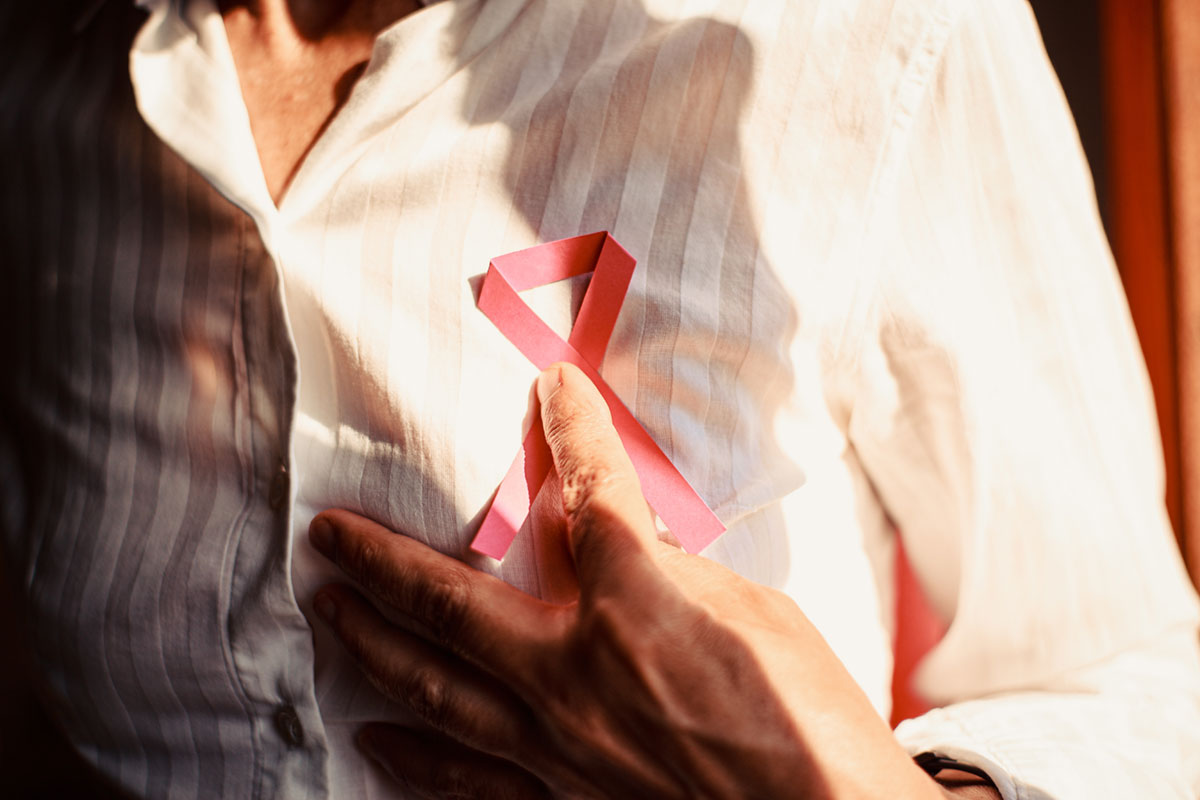
After mammogram missed her breast cancer, doctor shares symptom that led to diagnosis
What to do if you have Dense Breasts - What to look for Breast Warning Signs.
She urges women to look at themselves in the mirror once a month to look for any breast changes. Regular self-exams are an important part of Breast Health Care, and noticing changes early is key.
Dec. 21, 2022, 9:43 AM EST / Source: TODAY
By A. Pawlowski
Like all women who get a regular mammogram to screen for breast cancer, Dr. Robin Hall was relieved when her test results were normal in January 2021.
Her breast ultrasound was fine, too. Hall, a family physician, always gets that additional screening because she has very dense breast tissue, which shows up as white on a mammogram — the same color as a tumor would. So an ultrasound provides a better look at what’s inside, supporting comprehensive Breast Health Care strategies.
With no signs of cancer on those two tests, Hall seemed set for the next year. But that summer, she started noticing her right breast was getting larger than her left.
“Most women are little asymmetrical anyway. But then one morning I woke up and it wasn’t subtle anymore and I said, ‘We’ve got a problem,’” Hall, 63, who lives in suburban Forth Worth, Texas, tells TODAY.com.
“Never would I have dreamt that a few months prior everything was fine and then it changed like that.”
The doctor knew breast swelling was a possible warning signal, so she got another mammogram and it was still normal.
But Hall could see the change, so she underwent another ultrasound and that’s when the radiologist finally found the tumor. The diagnosis: a very fast-growing breast cancer that was buried deep into Hall’s dense breast tissue.
Eight months after her normal mammogram and ultrasound, she underwent a double mastectomy in September 2021. Doctors advised the removal of both breasts because her tissue was so dense and because she was at increased risk for getting cancer in the other breast. The tumor itself turned out to be 1.5 inches across. This highlights the importance of vigilance and proactive Breast Health Care for women with dense breasts.
“I feel extremely fortunate that we caught it when we did, especially as fast as it was growing and how big it had already gotten in that short period of time,” Hall says.
Look for breast changes
She urges women to look at themselves in the mirror once a month to look for any breast changes.
“That’s super important… You don’t necessarily have to feel a mass, but if you see that one breast is getting larger than the other and it wasn’t always that way; or if you see the skin puckering or dimpling; or if one nipple is pulling inward and the other one isn’t — anything that’s different about one than the other, even if you just had a normal mammogram two or three months ago, you still need to get it checked out,” Hall says. For continued Breast Health Care, these changes should not be ignored.
“Also, ask for an ultrasound, especially if you have dense breast tissue.”
About half of women 40 or older have dense breasts, according to the Centers for Disease Control and Prevention. Former TODAY host Katie Couric is one of them and she would routinely get a breast ultrasound for that reason, she revealed this year when she announced she had breast cancer.
If your insurance doesn’t cover a breast ultrasound, ask the radiology center for the cash pay price, Hall advises. It’s often not that expensive.
You can also order your own ultrasound with a company called- Herscan.com
Click here to learn how to do breast exams.
Click here to learn how to improve lymphatic circulation and improve breast health.
CLICK HERE TO SCHEDULE A DISCOVERY CALL - we do not work with active breast cancers but can help prevent cancer before it starts.